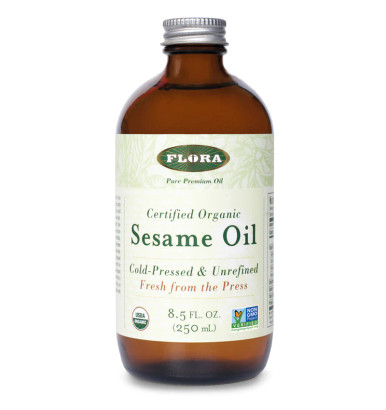
You probably love the rich, nutty flavor that sesame oil adds to your dishes. But have you ever wondered if you should refrigerate it after opening?
Keeping your sesame oil fresh is key to enjoying its full taste and health benefits. You’ll discover simple tips to store your sesame oil the right way, avoid waste, and get the most out of every drop. Keep reading—your next meal will thank you!
Sesame Oil Types
Sesame oil comes in various types, each with its own flavor profile and storage needs. Understanding these differences can help you decide whether you need to refrigerate your bottle after opening. Let’s break down the main categories so you can keep your oil fresh and tasty.
Toasted Vs. Untoasted
Toasted sesame oil is made from sesame seeds that are roasted before pressing. This gives the oil a rich, nutty aroma and darker color. It’s perfect for drizzling over dishes or adding a finishing touch.
Untoasted sesame oil, on the other hand, is made from raw seeds. It has a lighter color and a more neutral flavor, making it suitable for cooking at higher temperatures. Because of its mild taste, it’s often used in stir-fries and frying.
Have you ever noticed how toasted sesame oil can quickly lose its aroma if left out? That’s because the roasted oils are more delicate and can go rancid faster, especially if not stored properly.
Refined Vs. Unrefined
Refined sesame oil undergoes processing to remove impurities and extend shelf life. It’s usually lighter in color and flavor, and more stable when exposed to heat. This makes it ideal for everyday cooking and frying.
Unrefined sesame oil is less processed, retaining more nutrients and a stronger flavor. It’s often used raw or in dressings, where its full taste can shine. However, its natural compounds make it more sensitive to light and heat.
Think about your last bottle of unrefined oil. Did it smell off or taste bitter after a few weeks? That’s a sign it might need refrigeration to keep it fresh longer.
Shelf Life Basics
Understanding the shelf life of sesame oil is key to keeping it fresh and flavorful after opening. How you store it can make a big difference in its longevity and taste. Let’s break down what you need to know about its expiration and how to spot when it’s no longer good to use.
Typical Expiration Time
Sesame oil usually lasts about 6 months to 1 year after opening if stored properly. This depends on factors like whether it’s toasted or raw sesame oil. Toasted sesame oil tends to spoil faster due to its strong flavor and natural oils.
Keeping sesame oil in a cool, dark place can help it stay fresh longer. Refrigeration can extend its shelf life beyond the typical period, especially in warmer climates. Have you ever noticed your sesame oil going bad faster when left on the kitchen counter?
Signs Of Spoilage
Knowing when sesame oil has gone bad can save you from ruining a dish. Spoiled sesame oil often smells rancid or has an off, bitter taste. The aroma may shift from nutty and pleasant to sour or stale.
Visual changes like cloudiness or darkening of the oil can also indicate spoilage. If you see mold or sediment that doesn’t dissolve after shaking, it’s best to discard the oil. Trust your senses—if it doesn’t smell or taste right, it’s safer to replace it.
Storage Conditions
Understanding how to store sesame oil is essential for preserving its quality. Proper storage conditions can extend the oil’s shelf life. It also maintains its flavor and nutritional benefits.
Room Temperature Storage
Storing sesame oil at room temperature is possible. Keep it in a cool, dark place. A pantry or a cupboard works well. Ensure the lid is tightly closed. This prevents oxidation and spoilage.
Refrigeration Benefits
Refrigerating sesame oil can further extend its shelf life. Cold temperatures slow down the oxidation process. This helps maintain the oil’s flavor and aroma. It may become cloudy, but this is normal. Allow it to reach room temperature before use.
Light And Air Exposure
Light and air can degrade sesame oil quickly. Use dark glass bottles for storage. They block out harmful light. Always secure the cap tightly. This minimizes air exposure and preserves freshness.

Credit: chefshop.com
Expert Recommendations
Experts agree that proper storage of sesame oil preserves its flavor and quality. Sesame oil contains natural compounds that can go rancid if exposed to heat and air. Following expert advice helps keep the oil fresh and safe to use. This section covers the best practices for refrigeration and storage.
When To Refrigerate
Sesame oil does not always need refrigeration. Toasted sesame oil has a shorter shelf life and benefits from cold storage. Refrigerate it to prevent the oil from turning bitter or cloudy. Light sesame oil lasts longer but storing it in a cool, dark place is best. If you live in a warm climate, refrigeration is safer for all types.
How To Store For Longevity
- Keep the bottle tightly sealed after each use.
- Store sesame oil in a dark glass bottle to block light.
- Place the bottle in a cool area, away from heat sources.
- Use a small bottle to limit air exposure after opening.
- Label the bottle with the opening date to track freshness.
Following these tips helps maintain sesame oil’s rich taste and aroma. Proper storage keeps the oil fresh for several months.
Impact On Flavor And Quality
Sesame oil’s flavor and quality can change after opening. How you store it affects its taste and aroma. Proper storage keeps the oil fresh longer.
Changes After Refrigeration
Refrigeration slows down the oil’s oxidation process. This helps keep the oil from going rancid quickly. The oil may become cloudy or thick in the fridge. This is normal and does not harm the flavor. The oil will return to its clear state at room temperature.
Maintaining Optimal Taste
Store sesame oil in a cool, dark place if not refrigerated. Use a tightly sealed container to keep air out. Keep the oil away from heat and sunlight. Refrigeration is best for toasted sesame oil to keep its strong flavor. Use the oil within six months after opening for best taste.

Credit: www.reddit.com
Common Myths
Many people have strong opinions about whether sesame oil needs refrigeration after opening. These beliefs often come from common myths rather than facts. Sorting through these myths can help you store your sesame oil properly and keep it fresh for longer.
Does Sesame Oil Go Bad Quickly Without Refrigeration?
One popular myth is that sesame oil spoils immediately if not refrigerated. Actually, pure sesame oil has natural antioxidants that help it last longer than many other oils. If you keep it in a cool, dark place away from heat and sunlight, it can stay fresh for several months without refrigeration.
Refrigeration Makes Sesame Oil Cloudy Or Solid
Some people avoid refrigerating sesame oil because they think it will ruin the texture. Yes, refrigeration can cause the oil to become cloudy or even solidify, but this doesn’t mean it’s bad. When brought back to room temperature, the oil will return to its normal clear state without losing any flavor or quality.
All Sesame Oils Are The Same And Need The Same Storage
Not all sesame oils are created equal. Toasted sesame oil, which has a stronger flavor and is often used as a finishing oil, behaves differently than light, untoasted sesame oil. Toasted sesame oil is less prone to rancidity but can still benefit from refrigeration for longer shelf life, especially if you don’t use it frequently.
Storing Sesame Oil At Room Temperature Is Always Safe
While some say sesame oil is shelf-stable, leaving it out in a warm kitchen can accelerate spoilage. Have you ever noticed a strange smell or bitter taste in your oil? That’s a sign it’s gone bad, usually due to heat or exposure to air. Storing your sesame oil in a cupboard away from heat sources can make a big difference.
Practical Storage Tips
Proper storage keeps sesame oil fresh longer and protects its flavor. Simple steps help maintain quality after opening. These tips help avoid spoilage and extend shelf life.
Best Containers To Use
Choose containers that block air and light. Dark glass bottles work best to protect oil from sunlight. Plastic containers can let in air, causing faster spoilage.
Use containers with tight seals to prevent exposure to oxygen. Avoid containers with wide openings to limit air contact. Small bottles help store only what you need.
Avoiding Contamination
Keep utensils clean and dry before dipping into the oil. Avoid double-dipping to stop bacteria from entering. Always close the bottle tightly after use.
Store the oil away from heat sources like stoves or direct sunlight. This prevents the oil from going rancid quickly. A cool, dark pantry or refrigerator works well.

Credit: www.youtube.com
Frequently Asked Questions
Does Sesame Oil Need Refrigeration After Opening?
Sesame oil does not always require refrigeration after opening. However, refrigerating it helps maintain freshness and extends shelf life. Store in a cool, dark place if not refrigerated. Always seal the bottle tightly to prevent oxidation and rancidity.
How Long Does Opened Sesame Oil Last Unrefrigerated?
Opened sesame oil typically lasts about 1 to 3 months unrefrigerated. Exposure to heat and light can speed up spoilage. For best quality, use it within this time or refrigerate to extend freshness up to 6 months or longer.
Can Sesame Oil Go Bad Without Refrigeration?
Yes, sesame oil can go bad without refrigeration. It may develop a rancid smell and off taste when exposed to air, heat, or light for too long. Refrigeration slows this process and preserves the oil’s flavor and nutritional benefits.
What Are Signs Sesame Oil Has Spoiled?
Spoiled sesame oil smells sour, bitter, or off. Its color may darken or become cloudy. Using rancid oil can affect food taste and may cause digestive discomfort. Always check for unusual smell or appearance before use.
Conclusion
Sesame oil lasts longer when stored properly. Keep it in a cool, dark place. Refrigeration helps slow down spoilage and keeps flavor fresh. Avoid leaving the bottle near heat or sunlight. Check the oil for smell or taste changes before use.
Using fresh sesame oil improves your dishes greatly. Simple care extends its shelf life. Remember, good storage keeps your sesame oil tasty and safe.