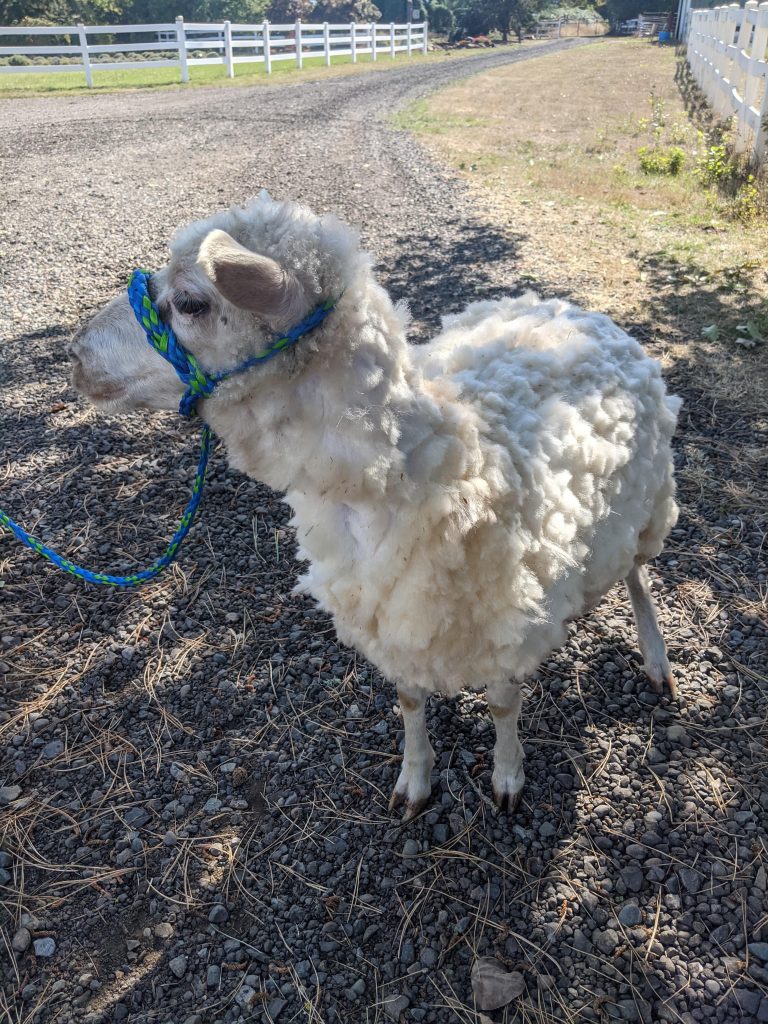
Have you ever wondered if shearing hurts sheep? If you care about animals or just want to know what really happens during shearing, this question probably crosses your mind.
You might picture sheep feeling pain or stress when their wool is cut away. But is that true? Understanding the truth behind shearing can change the way you see this common farm practice—and help you feel more confident about how animals are treated.
Keep reading to discover what shearing really means for sheep and why it’s an important part of their care.

Credit: www.reddit.com
Shearing Basics
Shearing is the process of cutting the wool off sheep. It is important for the health and comfort of the animals. Many people wonder if shearing hurts sheep.
Understanding the basics of shearing helps to know why and how it is done. This includes its purpose, how often it happens, and the tools used.
Purpose Of Shearing
Shearing removes the heavy wool coat from sheep. This keeps them cool in warm weather. It also prevents problems like wool blindness and infections. Without shearing, wool can become dirty and matted.
Shearing Frequency
Sheep usually get sheared once a year. This is often done in spring before hot weather arrives. Some sheep breeds may need shearing twice a year. The timing depends on wool growth and weather conditions.
- Shear once a year in spring for most breeds
- Shear twice a year if wool grows fast
- Avoid shearing in very cold weather
- Check sheep’s wool regularly for signs of overgrowth
Tools Used
| Tool | Description | Use |
| Hand Shears | Manual scissors designed for wool | Used on small farms or for touch-ups |
| Electric Clippers | Powered shearing machines with sharp blades | Used for fast and efficient shearing |
| Shearing Stand | A platform to hold sheep safely | Helps keep sheep steady during shearing |
Sheep’s Skin And Wool
Sheep have thick wool that grows over their skin. This wool protects them from cold and heat.
People shear sheep to collect wool. Many ask if shearing hurts sheep or not.
Wool Growth Cycle
Sheep’s wool grows in cycles. It starts growing after shearing and gets longer over time.
The wool grows about one inch each month. After several months, it is ready to be sheared again.
- Wool grows continuously unless sheared
- Shearing helps wool grow fresh and healthy
- Cycle repeats every 6 to 12 months
Skin Sensitivity
Sheep skin is sensitive but tough. It can feel pain if cut or injured.
Shearing only removes wool. It does not hurt if done carefully by skilled people.
- Skin has nerves that sense touch and pain
- Good shearing avoids skin cuts and injuries
- Stress can happen if shearing is rough
Natural Protection
Wool protects sheep from cold weather and sun. It also keeps bugs away.
Removing wool in spring helps sheep stay cool in summer. Wool grows back to protect again.
- Wool insulates sheep from cold and heat
- Protects skin from sunburn and insects
- Shearing helps sheep stay healthy in warm months
Shearing Techniques
Shearing sheep is important to keep them healthy and cool. It involves removing their wool carefully. The method used can affect the sheep’s comfort.
Different shearing techniques use tools or skills. These methods aim to avoid hurting the sheep. Let’s look at three common techniques used by shearers.
Manual Shearing
Manual shearing uses hand-held shears. These are like large scissors made for cutting wool. Shearers must be skilled to work quickly and carefully.
- Shearers hold the sheep gently but firmly.
- They cut the wool in long, smooth strokes.
- This method takes more time than electric clippers.
- It reduces the chance of cutting the sheep’s skin.
Electric Clippers
Electric clippers make shearing faster. They look like hair clippers but are stronger. These tools have sharp blades that cut wool close to the skin.
| Feature | Benefit |
| Fast cutting | Sheep spend less time being sheared |
| Sharp blades | Clean cut without pulling wool |
| Requires electricity | Needs power source nearby |
| Can cause cuts | Careful use needed to avoid injury |
Professional Expertise
Experienced shearers know how to keep sheep safe. They use the right tools and methods. Their skill lowers stress for the animals.
Professional shearers usually:
- Understand sheep behavior
- Work quickly but gently
- Check sheep for injuries
- Keep equipment clean and sharp

Credit: www.peta.org.au
Common Misconceptions
Many people wonder if shearing hurts sheep. There are common ideas that shearing causes pain. It is important to understand the facts about shearing.
Shearing is a normal part of caring for sheep. It helps keep them healthy. Let’s look at the main misconceptions about shearing and pain.
Pain Myths
Some believe shearing causes pain like cutting skin. But shearing only removes wool, not skin. Skilled shearers avoid hurting sheep.
Sheep do not have many nerves in their wool. The process is like cutting hair for humans. They feel little to no pain during shearing.
Injuries And Risks
Shearing can cause small cuts if not done carefully. These injuries are rare and heal quickly. Proper training lowers these risks.
Most injuries happen when shearers rush. Using sharp tools and calm handling keeps sheep safe. Farmers watch closely for any issues.
- Small cuts may occur but heal fast
- Sharp shearing tools reduce harm
- Calm handling lowers injury risks
- Training prevents most accidents
Stress Levels
Shearing can cause stress, but it is short. Sheep may feel nervous, but they do not suffer long-term.
Good shearers work quickly and gently. This helps keep sheep calm. Stress is less when sheep are used to handling.
- Shearing causes brief stress
- Gentle, fast work calms sheep
- Regular handling reduces fear
- Stress ends after shearing
Animal Welfare During Shearing
Shearing is an important task to keep sheep healthy. It removes their thick wool before hot weather. Proper care during shearing helps avoid pain and stress.
Knowing how to handle sheep gently and watch for signs of discomfort is key. Aftercare supports their recovery and well-being.
Handling Practices
Sheep need calm and careful handling to reduce stress. Rough treatment can cause fear and injury. Skilled shearers use slow, steady movements.
- Hold sheep securely but gently to avoid struggle
- Use clean, sharp shears to make quick cuts
- Keep sheep calm with soft talking and slow actions
- Limit shearing time to avoid tiring the sheep
- Work in a quiet, safe area free from distractions
Signs Of Discomfort
Sheep show signs when they feel pain or stress. Recognizing these signs helps shearers stop and check the animal.
| Sign | What It Means |
| Vocalizing loudly | Sheep is scared or in pain |
| Rapid breathing | Stress or discomfort |
| Struggling or trying to escape | Fear or pain during handling |
| Visible cuts or bleeding | Injury that needs care |
| Unusual stillness | Shock or exhaustion |
Aftercare For Sheep
After shearing, sheep need rest and protection. Proper aftercare helps heal any small wounds and keeps them healthy.
- Check for and clean any cuts or scratches
- Keep sheep in a dry, sheltered place for a day or two
- Provide fresh water and food to support recovery
- Watch for signs of illness or infection over the next days
- Contact a vet if wounds look bad or sheep stay weak

Credit: plantbasednews.org
Benefits Of Shearing
Shearing is the process of cutting off a sheep’s wool. It is important for the sheep’s well-being. Many people wonder if shearing hurts sheep.
Shearing does not hurt sheep when done correctly. It actually helps them stay healthy and comfortable. Here are some key benefits of shearing.
Health Improvements
Removing wool keeps sheep clean and healthy. Long wool can trap dirt and moisture. This can cause skin problems and infections.
Shearing allows the skin to breathe. It helps stop skin diseases and keeps the sheep active and strong.
Preventing Overheating
Wool keeps sheep warm in winter but can cause heat stress in summer. Shearing helps sheep stay cool in hot weather.
Without shearing, sheep can get too hot. Overheating makes them weak and sick. Shearing prevents this problem.
Parasite Control
Parasites like ticks and lice hide in thick wool. Shearing removes their hiding places. This lowers parasite numbers on sheep.
Reducing parasites helps sheep stay healthy. It lowers the need for medicines and keeps the flock strong.
Ethical Shearing Practices
Shearing sheep is necessary for their health and comfort. Doing it with care keeps the animals safe and stress-free.
Ethical shearing means following methods that protect sheep from pain and injury during the process.
Training For Shearers
Proper training helps shearers work quickly and gently. Skilled shearers know how to handle sheep and use tools safely.
- Learn the right way to hold and move sheep
- Use sharp, clean shearing tools
- Avoid cutting the skin or causing stress
- Practice techniques to reduce shearing time
- Follow animal welfare guidelines strictly
Regulations And Standards
Many countries have laws to ensure sheep are sheared ethically. These rules protect the animals from harm.
| Country | Shearing Standard | Animal Protection |
| Australia | Code of Practice | Strict injury prevention |
| New Zealand | Animal Welfare Act | Regular inspections |
| United Kingdom | Welfare of Animals Regulations | Certified shearer training |
Community Awareness
Teaching farmers and the public about ethical shearing helps improve sheep welfare everywhere.
Key ways to raise awareness include:
- Workshops for farmers on gentle shearing
- Sharing videos showing good shearing methods
- Community events focused on animal care
- Information campaigns about sheep needs
Frequently Asked Questions
Does Shearing Cause Pain To Sheep?
Shearing does not cause pain to sheep when done correctly. It is similar to getting a haircut. Professional shearers ensure the process is quick and stress-free. Regular shearing is essential for sheep health, preventing overheating and infections. Proper technique is key to a comfortable experience for the sheep.
How Often Should Sheep Be Sheared?
Sheep should generally be sheared once a year. This timing helps maintain their health and comfort. Shearing in spring is common, allowing sheep to stay cool in summer. Regular shearing also prevents wool from becoming too heavy and causing issues.
Always consult a professional for optimal shearing times.
What Happens If Sheep Are Not Sheared?
If sheep are not sheared, their wool can become overgrown. This leads to discomfort and health problems. Excessive wool can cause overheating and attract parasites. It can also hinder movement and cause infections. Regular shearing is vital to prevent these issues and ensure the sheep’s well-being.
Are There Any Risks Associated With Shearing?
There are minimal risks if shearing is performed by a skilled professional. Proper technique minimizes the chance of cuts or injuries. The process is generally safe and beneficial for sheep. It’s important to choose experienced shearers to ensure the best care and minimize any potential risks.
Conclusion
Shearing sheep does not cause pain when done correctly. Skilled shearers use gentle, careful methods. It helps keep sheep healthy and cool. Removing wool prevents problems like overheating and infections. Sheep may feel a little pressure but not hurt. Proper care before and after shearing is important.
This process supports the animals’ well-being. Understanding shearing helps reduce common fears and myths. It shows how farmers care for their sheep daily. Caring for sheep means keeping them safe and comfortable.