Have you ever wondered what makes your car’s air conditioner cool the air inside? You might be surprised to learn that it involves more than just electricity or simple airflow.
Understanding whether your car air conditioner uses gas can help you take better care of it and avoid costly repairs. You’ll discover the role of gas in your car’s AC system and why it matters for your comfort and your vehicle’s health.
Keep reading to learn the simple truth behind how your car stays cool on those hot days.
How Car Air Conditioners Work
Car air conditioners keep the inside of your car cool during hot days. They use a special system to remove heat and moisture from the air. This system works quietly and efficiently while you drive.
Understanding how a car air conditioner works helps you know why it needs certain parts and maintenance. The system uses a gas called refrigerant to cool the air inside your car.
Basic Components
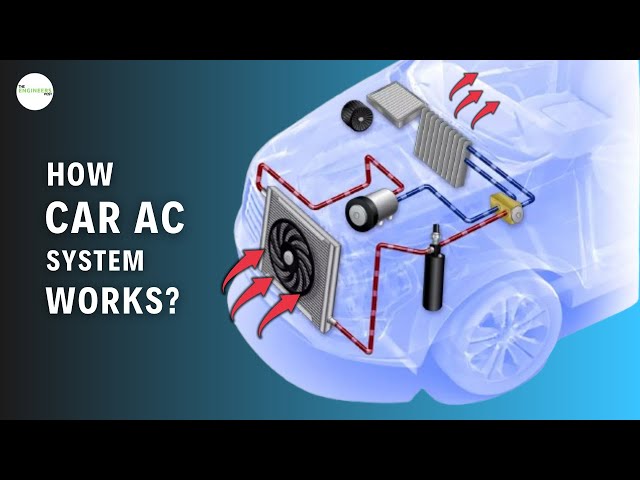
The car air conditioner has several key parts. Each part plays an important role in cooling the air inside your car. These parts work together to move heat outside and bring cool air in.
- Compressor:Pumps the refrigerant through the system.
- Condenser:Releases heat from the refrigerant outside the car.
- Expansion valve:Controls the flow of refrigerant into the evaporator.
- Evaporator:Absorbs heat from inside the car and cools the air.
- Refrigerant:A special gas that changes from liquid to gas to cool the air.
Cooling Process
The cooling process uses the refrigerant to remove heat from the car’s interior. The refrigerant changes states from gas to liquid and back, which helps absorb and release heat.
| Step | Action | Result |
| 1 | Compressor compresses refrigerant gas. | Gas becomes hot and high pressure. |
| 2 | Condenser cools the gas into a liquid. | Heat leaves the refrigerant to outside air. |
| 3 | Expansion valve lowers pressure of liquid refrigerant. | Liquid cools down quickly. |
| 4 | Evaporator absorbs heat from car’s inside air. | Refrigerant evaporates back to gas, cooling the air. |
| 5 | Refrigerant returns to compressor to repeat cycle. | Air inside car stays cool and dry. |
Role Of Refrigerant In Ac Systems
Car air conditioners do not use gasoline or regular gas. They use a special fluid called refrigerant. This fluid helps cool the air inside the car. It moves through the AC system and changes from liquid to gas and back. This change helps remove heat from the car’s cabin.
The refrigerant absorbs heat from inside the car and releases it outside. This process keeps the car cool even on hot days. Without refrigerant, the AC system cannot work properly.
Types Of Refrigerants
There are different types of refrigerants used in car AC systems. Some older cars use R-12, which is now mostly banned. Most modern cars use R-134a or R-1234yf. These types are safer for the environment and work well to cool air.
- R-12:Used in old cars, harmful to the ozone layer
- R-134a:Common in many cars, less harmful but still a greenhouse gas
- R-1234yf:Newest type, low environmental impact
Why Refrigerants Are Used Instead Of Gasoline
Gasoline cannot cool air like refrigerants. Gasoline burns to make energy, but it does not absorb heat well. Refrigerants change from liquid to gas to remove heat. This change is important for cooling inside the car.
Refrigerants also work safely inside the AC system. Gasoline is flammable and dangerous to use in cooling. Refrigerants are designed to move heat and keep the system running smoothly without risks.
Common Misconceptions About Gas Usage
Many people confuse the type of gas used in car air conditioners. This causes wrong ideas about how the system works.
This article clears up the confusion about fuel and refrigerant in car air conditioners.
Difference Between Fuel And Refrigerant
Fuel powers the car’s engine and runs the vehicle. Refrigerant is a special gas inside the air conditioner. It cools the air inside the car.
- Fuel comes from the gas tank and is burned to create power.
- Refrigerant stays inside the AC system and changes from liquid to gas to cool air.
- Fuel is used by the engine, but refrigerant is used by the AC compressor.
- Refrigerant does not burn or create energy; it only moves heat.
Fuel Consumption Impact Of Air Conditioning
Using the air conditioner can increase fuel use. The engine works harder to run the AC compressor. This uses more gas from the tank.
| Factor | Effect on Fuel |
|---|---|
| Air Conditioner Off | Normal fuel consumption |
| Air Conditioner On (Mild Use) | 5-10% more fuel used |
| Air Conditioner On (High Use) | Up to 20% more fuel used |
Credit: wefixautoservices.com
Environmental Impact Of Car Ac Refrigerants
Car air conditioners use special gases called refrigerants. These gases help cool the air inside the car. Some refrigerants can harm the environment if they leak out.
This content explains how car AC gases affect the ozone layer and the earth’s climate. Understanding these impacts is important for better choices.
Ozone Depletion Concerns
Some old types of car AC gases can damage the ozone layer. The ozone layer protects us from harmful ultraviolet rays from the sun. When gases like CFCs leak, they break down ozone molecules.
This damage causes more UV rays to reach the earth. More UV rays can lead to skin cancer and harm plants and animals.
- CFCs were common in older car AC systems
- CFCs have been mostly banned due to ozone harm
- Newer refrigerants do not harm the ozone layer
Global Warming Potential
Many car AC gases are greenhouse gases. They trap heat in the earth’s atmosphere. This causes global warming and climate change.
Some refrigerants have a very high global warming potential (GWP). This means small leaks can cause big harm to the climate.
- HFCs are common in modern car AC systems
- HFCs do not harm the ozone but have high GWP
- New refrigerants with low GWP are being developed
Maintaining Your Car’s Air Conditioner
Your car’s air conditioner uses a special gas called refrigerant. This gas helps cool the air inside the car. Over time, the refrigerant can leak or lose power. Proper care keeps your AC working well and cools your car efficiently.
Regular maintenance helps avoid costly repairs. It also improves the air quality inside your vehicle. Checking your AC system often can save you money and keep you comfortable.
Signs Of Refrigerant Leaks
You may not always see leaks, but your car shows signs when refrigerant is low. If the air conditioner blows warm air, it could mean a leak. Strange noises or a bad smell from vents also signal problems.
Other signs include the AC running longer than usual or the compressor turning on and off frequently. If you notice any of these, have your system checked quickly.
- Warm air from AC vents
- Strange noises when AC runs
- Bad smells from air vents
- AC runs longer than normal
- Compressor cycles on and off often
When To Recharge The System
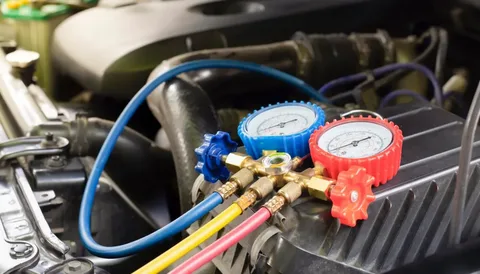
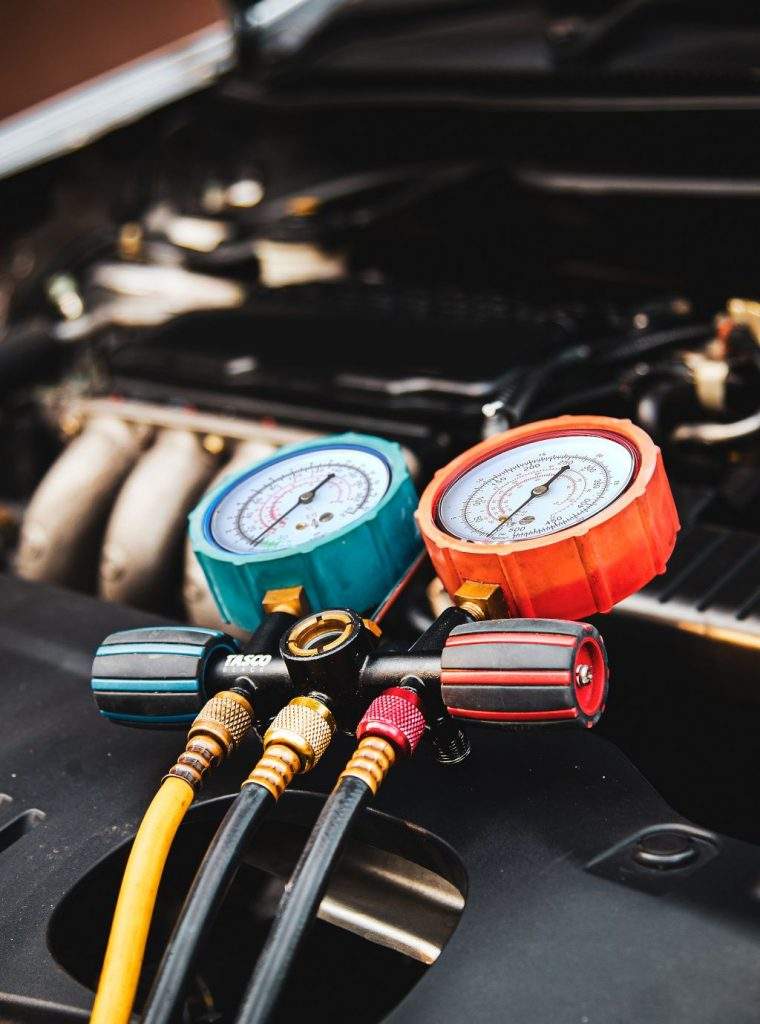
Recharging means adding more refrigerant gas to your AC. You should recharge if the system loses cooling power. Usually, cars need a recharge every 2 to 4 years, but it depends on use and leaks.
Do not recharge too often. Overfilling can damage the system. If you feel weak cooling or notice leak signs, visit a mechanic. They will test and fill refrigerant safely.
Credit: www.familyhandyman.com
Future Of Car Air Conditioning Technology
Car air conditioning systems are changing with new technology. They use different gases and methods to cool cars better.
These changes aim to help the environment and improve how cars use energy for cooling.
Eco-friendly Refrigerants
New refrigerants cause less harm to the environment. They reduce greenhouse gases and ozone layer damage.
- Hydrofluoroolefins (HFOs) have low global warming potential.
- Natural refrigerants like CO2 and hydrocarbons are safer for the planet.
- These refrigerants help meet stricter environmental rules worldwide.
Advancements In Ac Efficiency
Car air conditioners now use less energy to cool the car. This saves fuel and lowers emissions.
| Technology | Benefit |
| Variable speed compressors | Adjust cooling power to save energy |
| Improved insulation | Keep cool air inside longer |
| Smart climate controls | Use sensors to cool only when needed |
Credit: bonair.co.uk
Frequently Asked Questions
Does A Car Air Conditioner Use Gas From The Fuel Tank?
No, a car air conditioner does not use fuel gas. It runs on refrigerant gas, separate from the fuel system, to cool the air inside the vehicle.
What Type Of Gas Does A Car Air Conditioner Use?
Car air conditioners use refrigerant gases like R-134a or R-1234yf. These gases absorb heat and cool the cabin air effectively.
Can A Car’s Air Conditioner Run Without Refrigerant Gas?
No, the air conditioner needs refrigerant gas to function. Without it, the system cannot absorb heat or cool the air properly.
Does Using The Car Air Conditioner Affect Fuel Consumption?
Yes, running the air conditioner increases engine load slightly, causing a small rise in fuel consumption. However, modern cars minimize this impact efficiently.
Conclusion
Car air conditioners do use a type of gas called refrigerant. This gas helps cool the air inside your car. It moves through the system, absorbing heat and making the air cold. Without refrigerant, the air conditioner cannot work properly.
Regular checks and maintenance keep the system running well. Leaks in the gas can cause cooling problems. Knowing this helps you understand how your car stays cool. Simple care can save you from costly repairs later. Keep your car’s air conditioner healthy for a comfortable ride.