Have you ever wondered what makes your car’s air conditioner cool the air so effectively? You might be surprised to learn that it doesn’t run on the same kind of gas your car uses to move.
Understanding whether your car air conditioner uses gas can help you take better care of it and avoid costly repairs. You’ll discover the truth about how your car’s AC works and what powers it. Keep reading to uncover the secrets behind that refreshing breeze every time you hit the road.
Credit: wefixautoservices.com
How Car Air Conditioners Work
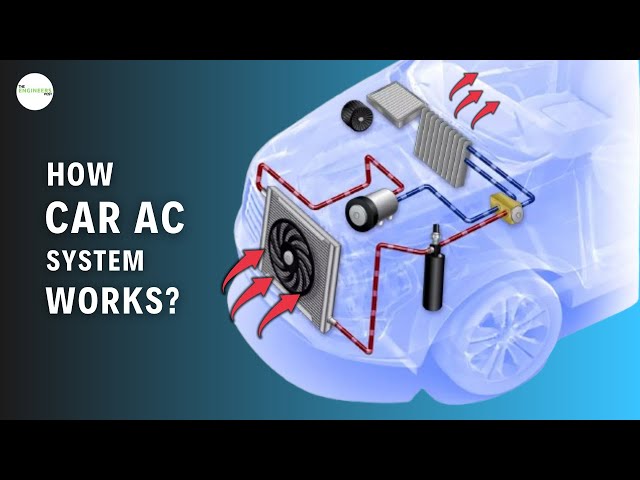
Car air conditioners use a special gas called refrigerant to cool the air inside the vehicle. This gas absorbs heat and changes from liquid to gas, helping to lower the temperature. Without this gas, the air conditioner cannot work properly.
Basic Components
A car air conditioner has several key parts. These include the compressor, condenser, evaporator, expansion valve, and refrigerant gas. The compressor pumps the refrigerant gas through the system. The condenser cools the gas into a liquid. The expansion valve controls the flow of this liquid. The evaporator turns the liquid back into gas, absorbing heat from inside the car. Fans blow cool air into the cabin.
Role Of Refrigerant Gas
The refrigerant gas is very important. It carries heat out of the car. This gas changes from gas to liquid and back again. It absorbs heat when it evaporates inside the car. It releases heat when it condenses outside. Without refrigerant gas, cooling cannot happen. Modern cars use special gases that are safe and efficient.
Credit: royaltonautoservice.com
Common Myths About Car Ac Gas
AC does not use regular gasoline.It runs on refrigerant gas inside the system. Gasoline powers the engine, not the AC compressor directly.
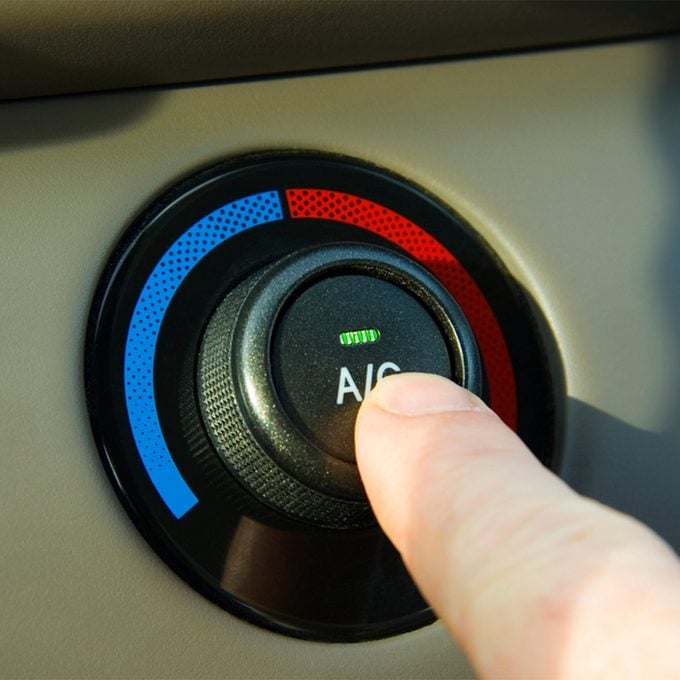
The AC compressor is driven by the engine belt. This means it uses engine power, which may slightly increase fuel use.
- Running the AC uses more fuel but not excessively.
- Fuel consumption rises a bit due to extra engine load.
- The AC system uses a special gas called refrigerant, not gasoline.
Facts About Car Ac And Fuel Consumption
The car air conditioneruses a special refrigerant gasto cool the air. This gas does not burn or use fuel directly. It works inside the AC system to absorb heat from the car’s interior.
The AC system adds extra loadto the engine. This load makes the engine work harder. When the engine works harder, it uses more fuel. This means the car’s fuel efficiency can drop a little when the AC is on.
| Factor | Effect |
|---|---|
| Refrigerant Gas | Cools air inside the car, no fuel used directly |
| Engine Load | Increases due to AC compressor running |
| Fuel Efficiency | May reduce by 5-10% with AC on |
- Refrigerant gas cycles inside the AC system.
- Engine powers the AC compressor.
- More engine work means more fuel used.
- Fuel drop depends on driving and AC use.
Credit: www.familyhandyman.com
Signs Of Refrigerant Gas Issues
Car air conditioners use refrigerant gas to cool the air inside. Signs of gas issues include weak cooling, strange noises, and a musty smell. These problems often mean the gas is low or leaking.
- Reduced Cooling Performance:The air conditioner blows warm or less cool air. This means the refrigerant gas might be low or leaking.
- Unusual Noises:Strange sounds like hissing or bubbling can come from the AC. These noises often show a problem with the refrigerant system.
- Leaks and Smells:You may see oily spots or wet areas near AC parts. A strong, sweet smell could also mean refrigerant gas is leaking.
Maintaining Your Car Ac System
Regular inspections keep the car AC system working well. Check for leaks in hoses and connections. Look for any strange noises or weak airflow. This helps catch problems early before they get worse.
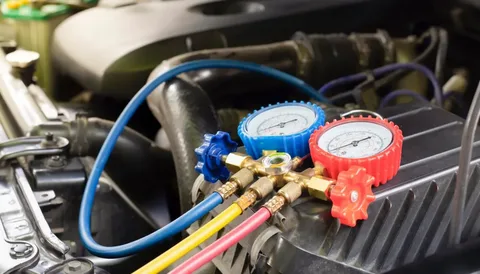
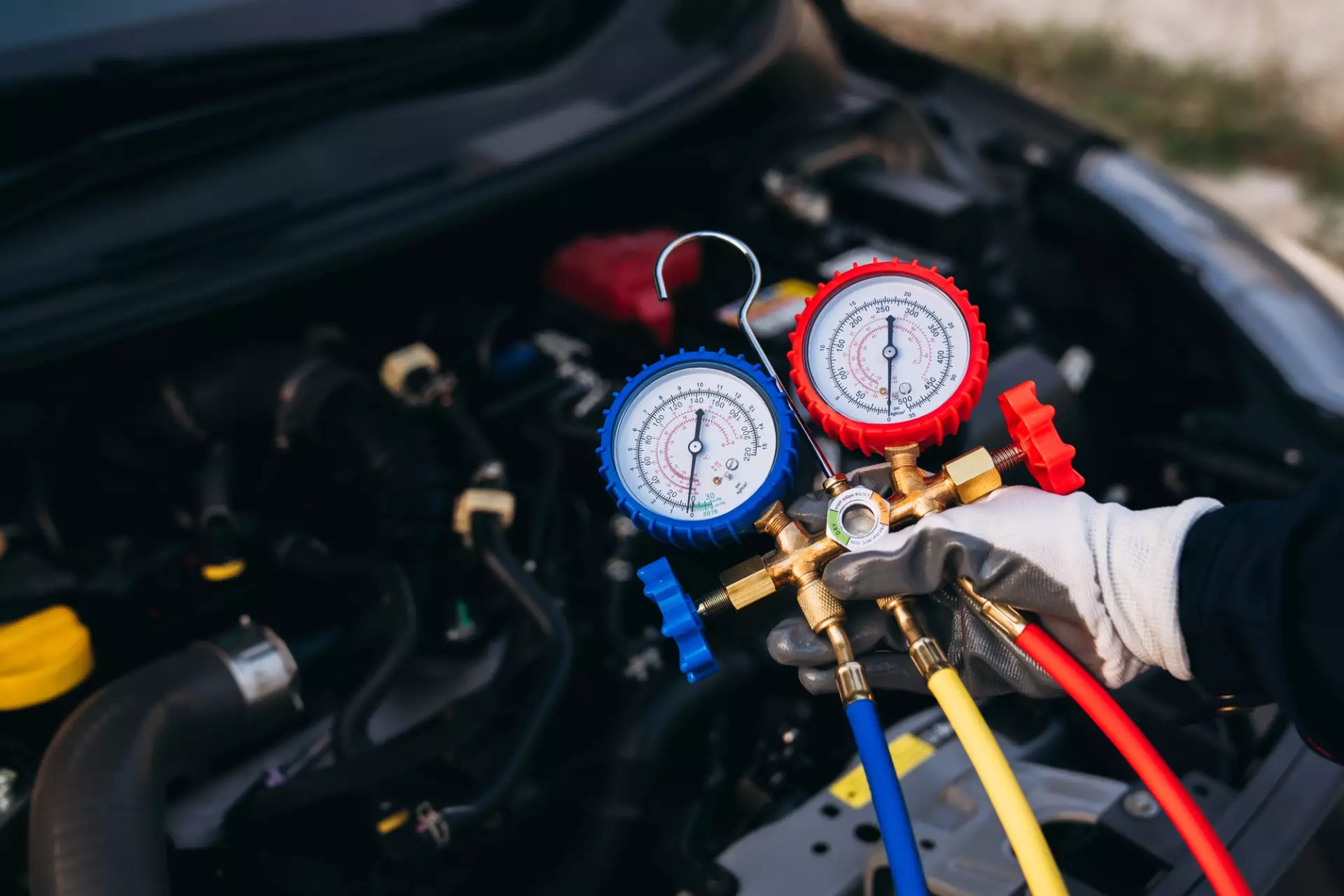
Recharging refrigerant is important to keep the AC cold. The car AC uses a special gas called refrigerant. It can run low over time. Filling it up with the right amount makes the system cool again.
Professional servicing helps maintain the AC system. Experts clean parts like the condenser and evaporator. They also check the compressor and belts. Regular service extends the life of the AC and keeps it running smoothly.
Frequently Asked Questions
Does A Car Ac Use Gasoline?
Yes, a car’s air conditioner indirectly uses gasoline. The AC system relies on the engine for power. When the AC is running, it slightly increases the engine’s workload. This results in higher fuel consumption, as the engine burns more gasoline to generate the necessary power.
How Does Car Ac Affect Fuel Efficiency?
Using a car’s AC can reduce fuel efficiency. The AC compressor is powered by the engine. This increases the engine load, leading to higher fuel consumption. On average, fuel efficiency can drop by 5-10% when the AC is in use, depending on driving conditions.
Is Ac Usage Noticeable On Fuel Consumption?
Yes, using the AC can noticeably affect fuel consumption. When the AC is on, the engine works harder. This results in increased fuel usage. The impact is more significant during stop-and-go traffic or at lower speeds, where the engine efficiency is less optimal.
Can Car Ac Run Without The Engine?
No, a car AC cannot run without the engine. The air conditioning system relies on the engine to power the compressor. Without the engine running, the AC system lacks the necessary power source to function effectively, leading to no cooling effect inside the vehicle.
Conclusion
Car air conditioners do use a special gas called refrigerant. This gas helps cool the air inside your car. It does not run on regular fuel or gasoline. Keeping the refrigerant at the right level is important for good cooling.
If the gas leaks or runs low, the air conditioner will not work well. Regular checks and refills keep your car cool in hot weather. Understanding this helps you take better care of your car’s air system. Simple steps can keep your drives comfortable and fresh.