When you bring fresh turnips into your kitchen, have you ever wondered if they need a cozy spot in your refrigerator? It’s a common question, especially if you want to keep your veggies fresh and tasty for as long as possible.
By understanding how to store turnips properly, you can enjoy their crisp texture and vibrant flavor whenever you’re ready to cook. You’ll uncover the secrets to storing turnips like a pro, ensuring they stay delicious and nutritious. Keep reading to find out whether your turnips deserve a place in the fridge or if they’re better left on the counter.
You might be surprised by what you discover!
Credit: www.tesco.com
Turnip Storage Basics
Knowing how to store turnips properly can make a big difference in how long they stay fresh and tasty. Turnips are sturdy root vegetables, but their quality can quickly decline if not stored right. Understanding the basics of turnip storage helps you avoid waste and enjoy their natural flavor longer.
Freshness Indicators
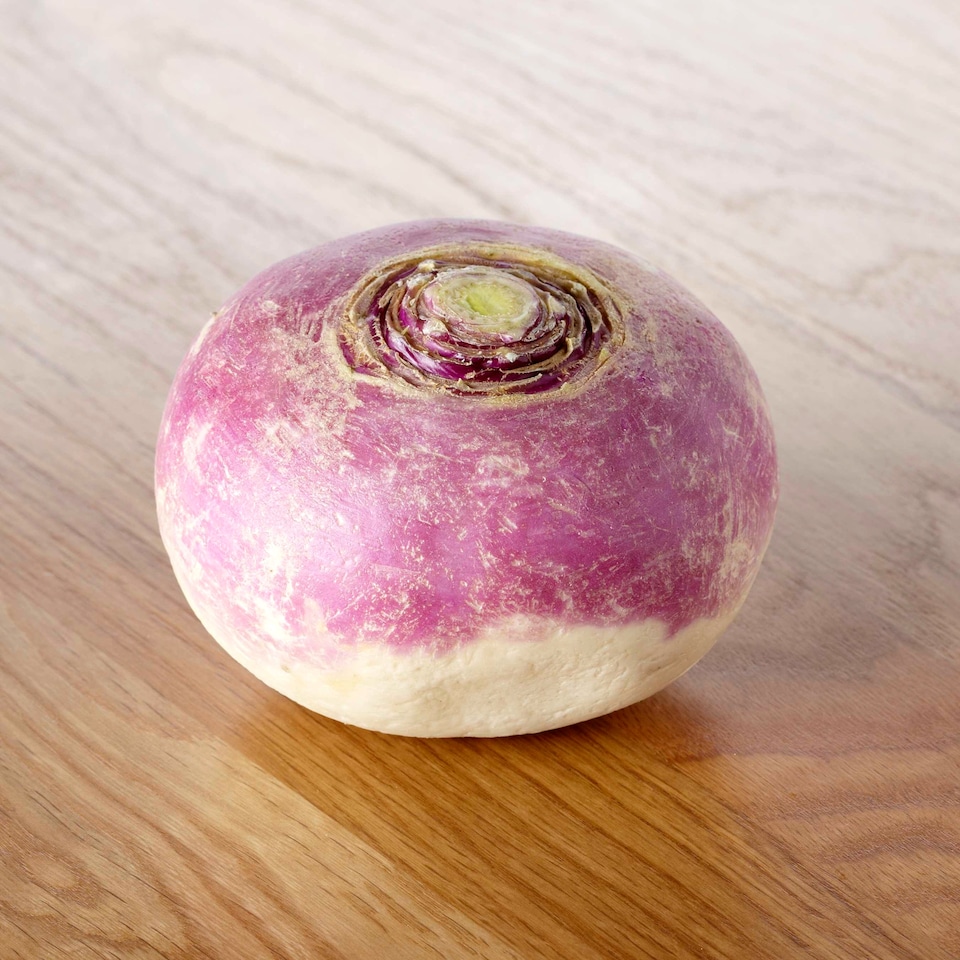
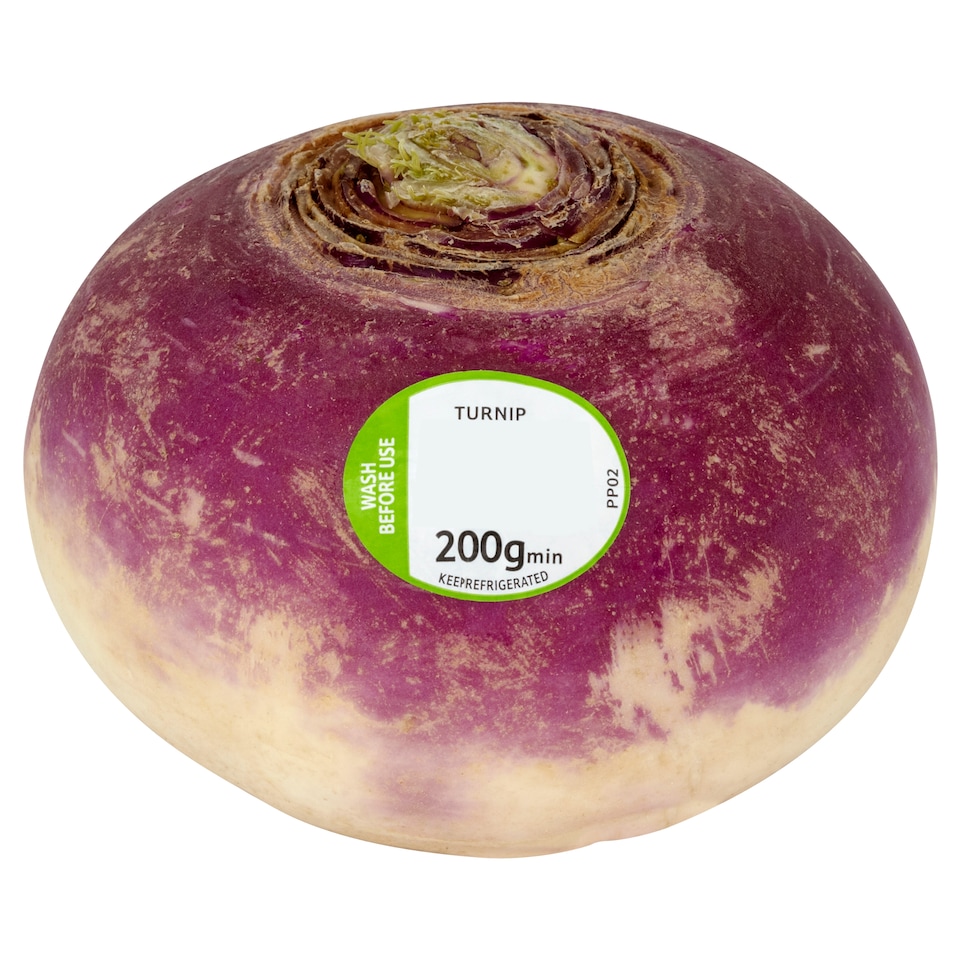
Check your turnips before storing them by looking for smooth, firm skin without soft spots. Wrinkled or shriveled skin means the turnip is losing moisture and freshness. Also, avoid any turnips with dark spots or signs of mold, as these indicate spoilage.
Fresh turnips feel heavy for their size and have a crisp texture when squeezed gently. If the greens are still attached, they should look vibrant and not wilted. These signs tell you if the turnip is worth storing or should be used immediately.
Ideal Storage Conditions
Turnips last longest when stored in a cool, dark, and humid environment. The refrigerator’s crisper drawer is usually the best place because it keeps moisture in and temperatures consistent.
- Remove any greens before storage—they draw moisture away from the root.
- Place turnips in a perforated plastic bag to maintain humidity without trapping excess moisture.
- Keep the temperature around 32-40°F (0-4°C) for optimal freshness.
Storing turnips at room temperature shortens their shelf life, often causing them to become soft or bitter within a few days. Have you noticed how your turnips behave differently depending on where you keep them? Small changes in storage can extend their usability and flavor significantly.
Refrigeration Benefits
Refrigerating turnips offers several benefits that help maintain their freshness and quality. Keeping turnips cold slows down the natural decay process. This helps you enjoy them longer and with better taste. Refrigeration also helps keep important nutrients intact, which is great for health.
Extending Shelf Life
Turnips last longer in the fridge than at room temperature. The cold environment slows bacteria and mold growth. This means fewer turnips spoil quickly. You can store turnips in the refrigerator for up to two weeks. This saves money by reducing food waste.
Preserving Nutrients
Turnips contain vitamins and minerals that are sensitive to heat and light. Refrigeration helps keep these nutrients stable. Cold storage reduces vitamin C loss and keeps fiber intact. Eating refrigerated turnips gives you more health benefits. Freshness and nutrient quality go hand in hand.
When To Refrigerate Turnips
Knowing when to refrigerate turnips can make a big difference in how fresh and tasty they stay. It’s not just about tossing them in the fridge right away—how you store them depends on whether they are whole or cut, and how long you plan to keep them. Let’s break down the best practices so you get the most from your turnips.
Whole Vs. Cut Turnips
Whole turnips can last longer without refrigeration if stored properly. Keep them in a cool, dark place with good airflow, like a root cellar or a cool pantry, for a few days.
However, once you cut into a turnip, its shelf life shortens dramatically. Cut turnips should be refrigerated immediately to prevent spoilage and maintain their crunch and flavor. You can store cut pieces in an airtight container or wrapped tightly in plastic wrap.
Have you ever left cut turnips out and noticed they became soft or developed an off smell? That’s a clear sign they need to be kept cold.
Storage Duration Guidelines
| Turnip Type | Storage Location | Approximate Storage Time | Tips |
|---|---|---|---|
| Whole Turnips | Cool, dark place (non-refrigerated) | 1–2 weeks | Keep away from direct sunlight and moisture |
| Whole Turnips | Refrigerator (crisper drawer) | 3–4 weeks | Store in a perforated plastic bag for airflow |
| Cut Turnips | Refrigerator (airtight container) | 3–5 days | Use fresh and avoid leaving at room temperature |
If you want to keep your turnips longer than a few days, refrigeration is your best bet. Think about how often you use turnips and plan your storage accordingly. Are you cooking daily, or do you need to store them for weekly meal prep?
Credit: www.tesco.com
Alternative Storage Methods
Turnips can stay fresh in many ways beyond refrigeration. Alternative storage methods can keep turnips tasty for days or weeks. These options suit different spaces and needs. Using the right method helps keep turnips firm and flavorful.
Room Temperature Options
Turnips can last several days at room temperature. Store them in a cool, dry place away from sunlight. Avoid warm areas like near ovens or windows. Place turnips in a bowl with good air flow. Do not wash turnips before storing; moisture can cause spoilage.
Check turnips daily for softness or mold. Use turnips quickly if stored this way. Room temperature storage works best if you plan to use them soon.
Root Cellar Techniques
A root cellar is a perfect spot for storing turnips. It keeps a stable temperature and humidity, usually cool and moist. Ideal conditions slow down decay and keep turnips crisp. Place turnips in a box or crate filled with damp sand or sawdust. This helps keep moisture around roots without making them wet.
Keep the cellar dark and well-ventilated. Check turnips regularly and remove any that start to rot. Root cellar storage can preserve turnips for several months. This method suits those with space and the right setup.
Common Storage Mistakes
Storing turnips might seem simple, but many fall into common traps that shorten their freshness. Mistakes like improper moisture control or ignoring signs of mold can quickly ruin your turnips. Understanding these pitfalls helps you keep your turnips crisp and tasty for longer.
Avoiding Moisture Build-up
Moisture is one of the biggest enemies of turnip storage. Excess water can cause the turnip to become soggy and spoil faster.
Keep your turnips dry by wiping off any dirt rather than washing them before storage. You can store them in a perforated plastic bag or wrap them loosely in a paper towel to absorb excess moisture.
Have you noticed your turnips getting slimy? That’s a sure sign moisture is building up and you need to air them out or replace the paper towel.
Preventing Mold Growth
Mold thrives in damp, warm environments, so proper ventilation is key. Avoid sealing turnips in airtight containers where moisture can get trapped.
Store your turnips in the refrigerator’s crisper drawer, which offers a balance of humidity and airflow. Check them regularly for any soft spots or discoloration, and remove any affected turnips immediately to prevent mold from spreading.
Have you ever thrown out a batch of turnips because mold took over? Catching the problem early can save you money and food waste.
Preparing Turnips For Storage
Preparing turnips for storage helps keep them fresh longer. Proper handling reduces spoilage and maintains flavor. Follow simple steps to clean and package turnips correctly.
Cleaning Tips
Remove dirt by rinsing turnips under cold water. Use a soft brush to scrub gently. Avoid soaking turnips to prevent water absorption. Pat dry with a clean towel before storing.
Proper Packaging
Wrap turnips in paper towels to absorb moisture. Place them in perforated plastic bags for air circulation. Store turnips in the refrigerator’s crisper drawer. Keep them away from fruits that release ethylene gas.

Credit: greensoulorganics.com.au
Frequently Asked Questions
Does Turnip Last Longer In The Fridge?
Yes, refrigerating turnips can extend their freshness up to 2 weeks. Keep them in a plastic bag to retain moisture.
Can Turnips Be Stored At Room Temperature?
Turnips can be stored at room temperature for a few days. However, refrigeration is better for longer storage and freshness.
How Should I Prepare Turnips Before Refrigeration?
Trim the greens and clean the turnip roots. Store roots and greens separately in the fridge for optimal freshness.
Do Turnip Greens Need Refrigeration?
Yes, turnip greens are highly perishable. Wrap them in a damp paper towel and refrigerate for up to 3-5 days.
Conclusion
Turnips stay fresh longer when kept cool and dry. Refrigeration helps keep them crisp and tasty. Store turnips in the fridge’s vegetable drawer for best results. Avoid moisture to prevent spoilage. Use them within a week for the best flavor.
Fresh turnips add a healthy touch to many dishes. Now you know how to keep turnips fresh and ready to eat. Simple steps make a big difference. Enjoy your turnips at their best!