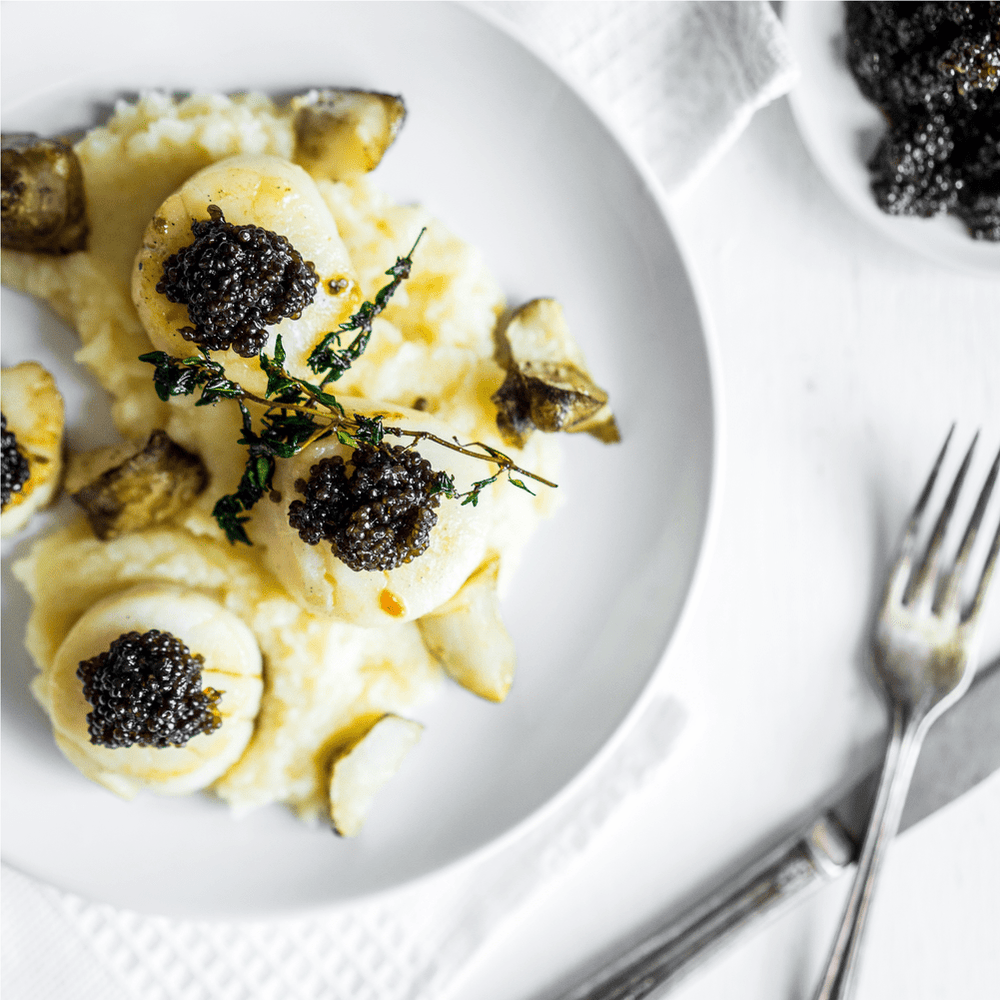
Are you wondering if unopened caviar needs to be refrigerated? If you’ve ever bought this luxury delicacy, you know it’s important to store it the right way.
Getting it wrong could ruin the taste and texture you’re looking forward to. You’ll discover exactly how to keep your caviar fresh and safe, so every bite tastes perfect. Keep reading to learn the simple steps that protect your investment and enhance your dining experience.
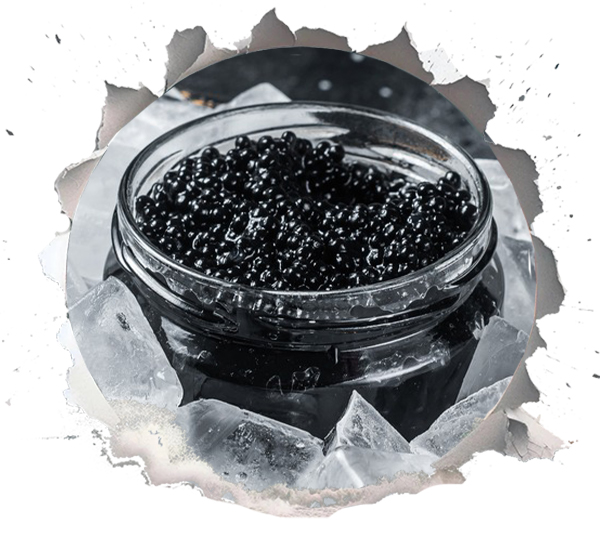
Credit: culturecaviar.com
Storage Basics For Unopened Caviar
Storing unopened caviar properly is key to keeping its flavor and texture intact. Caviar is delicate and needs special care before opening. Understanding the right storage conditions helps maintain its freshness and quality. Keep caviar in a cool place, away from strong odors and direct sunlight.
Ideal Temperature Range
Unopened caviar should stay cold but not frozen. The best temperature is between 28°F and 32°F (-2°C to 0°C). This range slows down spoilage while preserving the delicate eggs. Avoid storing caviar in the freezer, as freezing can damage its texture. Use a refrigerator or a cooler with ice packs to maintain steady coldness.
Shelf Life Expectations
Unopened caviar usually lasts from 4 to 6 weeks under proper refrigeration. The exact time depends on the caviar type and packaging. Always check the expiration date on the tin or jar. Fresh caviar has a short shelf life, so consume it soon after purchase. Avoid keeping it at room temperature for long periods.
Why Refrigeration Matters
Refrigerating unopened caviar is more than just a suggestion—it’s essential for preserving the quality and safety of this delicate delicacy. Without proper temperature control, the caviar’s freshness can quickly deteriorate, impacting both taste and texture. Understanding why refrigeration matters helps you enjoy caviar at its best.
Preventing Spoilage
Caviar is highly perishable because it contains natural oils and proteins that break down quickly if not kept cold. Refrigeration slows bacterial growth and enzymatic activity that cause spoilage. If left at room temperature, even unopened caviar can develop off-flavors or become unsafe to eat within hours.
Think about a time you accidentally left something in the fridge door and it spoiled fast. Caviar is even more sensitive than most dairy or meat products, so strict refrigeration is crucial to keep it safe for consumption.
Maintaining Flavor And Texture
Temperature affects the delicate balance of caviar’s flavor and texture. When caviar is stored at the right cold temperature, the eggs stay firm and the taste remains fresh and briny. Warmth can cause the eggs to become mushy and lose their signature pop, making the experience less enjoyable.
Have you noticed how some foods lose their crunch or freshness quickly without proper cooling? Caviar behaves the same way, but with a much shorter window for quality. Keeping it refrigerated means you get to savor the intended flavor and mouthfeel every time you open the tin.
Exceptions To Refrigeration Rules
Not all caviar needs refrigeration. Some varieties have exceptions to this rule. Understanding these exceptions helps in preserving caviar’s quality. Let’s explore these exceptions for better storage practices.
Canned Or Preserved Varieties
Canned caviar is often pasteurized. This process extends its shelf life without refrigeration. The pasteurization process kills harmful bacteria. It allows the caviar to stay fresh longer. Canned varieties are usually sealed tightly. This prevents spoilage and contamination. Always check the label for specific storage instructions. Some brands may still suggest refrigeration.
Room Temperature Storage Limits
Even preserved caviar has storage limits. Room temperature storage is not indefinite. Usually, unopened canned caviar can last a few weeks. After this period, quality may degrade. The taste and texture might change. Always consume it before the expiration date. Keep caviar away from direct sunlight and heat sources. This prevents rapid spoilage and maintains its delicate flavor.
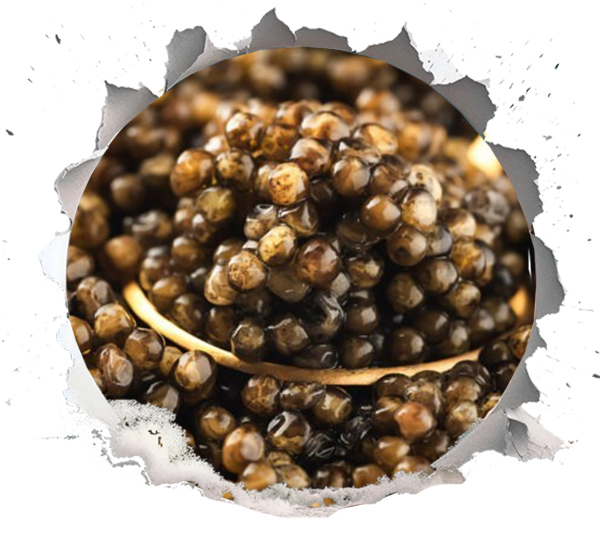
Credit: culturecaviar.com
How To Store Unopened Caviar Safely
Storing unopened caviar safely is essential to maintain its delicate flavor and texture. Improper storage can lead to spoilage, affecting both taste and quality. You want to ensure your caviar stays fresh until you’re ready to enjoy it, so handling and storage require attention to detail.
Packaging Tips
Always keep the caviar in its original airtight container. This packaging is designed to protect the eggs from air exposure, which can dry them out and alter the taste.
If you transfer the caviar to another container, use a non-metallic, airtight one to avoid any reaction that could change the flavor. Glass or food-grade plastic containers work well.
Check the seal before storing. A damaged or loose lid can let in air, leading to quicker spoilage.
Avoiding Temperature Fluctuations
Caviar is highly sensitive to temperature changes. Keep it refrigerated at a consistent temperature, ideally between 28°F and 32°F (-2°C to 0°C).
Rapid temperature shifts can cause the eggs to become mushy or lose their pop. Avoid placing the caviar near the fridge door or in the vegetable drawer, where temperatures tend to vary.
Have you ever noticed how some foods lose their quality when you open the fridge frequently? Caviar is even more delicate, so find a stable spot inside your fridge where the temperature remains steady.
Signs Of Spoiled Caviar
Knowing the signs of spoiled caviar is important for safety and taste. Caviar can spoil even if unopened and improperly stored. Identifying spoilage early helps avoid health risks and unpleasant flavors. Here are key signs to watch for before enjoying your caviar.
Visual Indicators
- Discoloration: Fresh caviar is usually shiny and consistent in color.
- Dull or faded eggs signal spoilage or age.
- Clumping: Eggs should be separate and firm, not stuck together.
- Mold or unusual spots on the surface indicate contamination.
- Liquid buildup inside the container may mean the caviar is breaking down.
Smell And Taste Changes
- Fresh caviar has a mild, ocean-like scent.
- A strong, sour, or fishy odor shows spoilage.
- Bitter or off taste means the caviar is no longer good.
- An ammonia-like smell is a clear warning sign.
- Any strange or unpleasant flavor should lead to discarding the caviar.
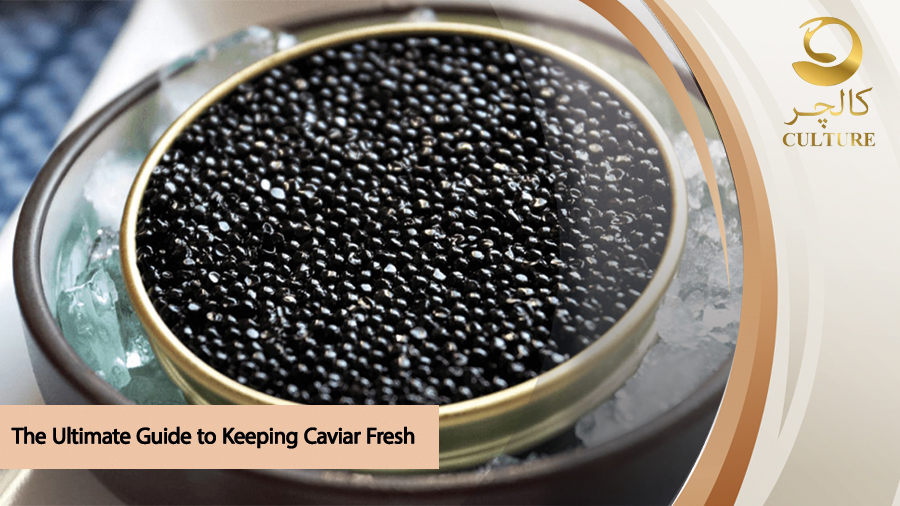
Credit: culturecaviar.com
Frequently Asked Questions
Does Unopened Caviar Require Refrigeration?
Yes, unopened caviar must be refrigerated to maintain freshness. Keep it between 28°F and 32°F (–2°C to 0°C) for optimal quality and safety.
How Long Can Unopened Caviar Stay Refrigerated?
Unopened caviar can last up to 4-6 weeks refrigerated. Always check the expiration date and store it properly to prevent spoilage.
Can Unopened Caviar Be Stored At Room Temperature?
No, storing unopened caviar at room temperature can cause spoilage. Proper refrigeration is essential to preserve its delicate flavor and texture.
What Happens If Unopened Caviar Isn’t Refrigerated?
If not refrigerated, unopened caviar spoils quickly, developing off-flavors and a bad odor. It becomes unsafe to eat and loses quality.
Conclusion
Unopened caviar stays fresh only if kept cold. Always store it in the refrigerator. Avoid leaving it out at room temperature. Cold slows down spoilage and keeps taste good. Check the package for specific storage advice. Proper storage means better flavor and safety.
Enjoy your caviar at its best by keeping it chilled. Simple steps make a big difference for quality. Keep it cool, and enjoy every bite.