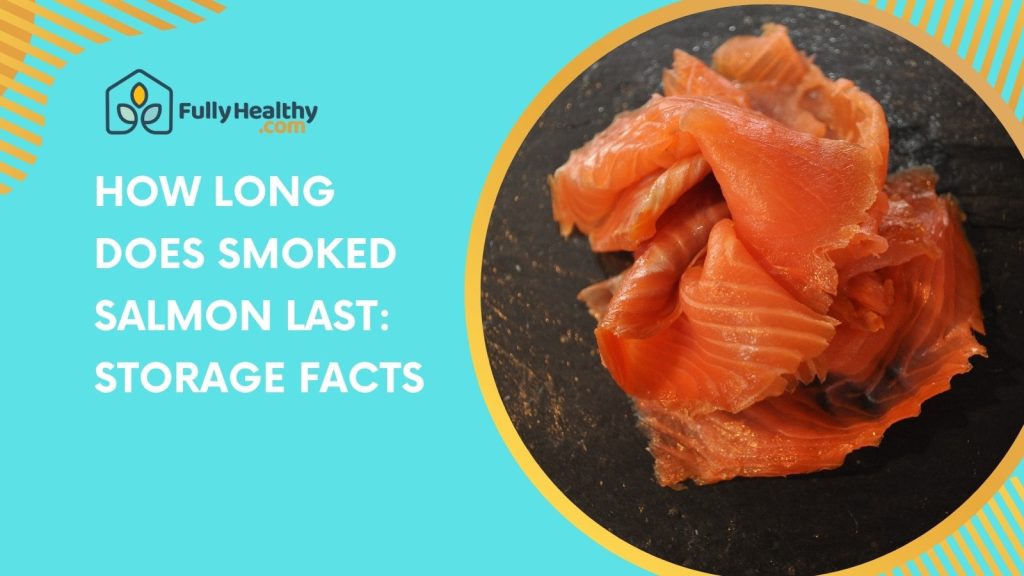
Imagine you’ve just purchased a delectable package of vacuum-sealed smoked salmon. Its rich aroma and savory taste are sure to delight your palate.
But a question lingers in your mind: Does this gourmet treat need to be refrigerated, even with its airtight packaging? This isn’t just a matter of preserving flavor—it’s about ensuring food safety and maximizing the enjoyment of your culinary investment.
You want to savor every bite without worry, and knowing how to store your smoked salmon properly is key. We’ll uncover the truth behind this storage mystery, so you can indulge with confidence. Keep reading to discover how to keep your smoked salmon fresh and delicious, ready to elevate your meals whenever you desire.

Credit: www.amazon.com
Vacuum Sealing And Its Impact
Vacuum sealing changes how smoked salmon stays fresh. It removes air from the packaging. This process slows down spoilage and keeps the flavor intact. Understanding vacuum sealing helps explain why refrigeration rules may differ.
How Vacuum Sealing Works
Vacuum sealing pulls all air out of the package. Without air, bacteria and mold grow slower. The seal stops new air from entering. This creates a tight, protective layer around the salmon.
The lack of oxygen reduces oxidation. Oxidation can make food taste bad and spoil faster. Vacuum sealing also keeps moisture inside. This prevents the salmon from drying out.
Benefits For Smoked Salmon
- Extends shelf life by slowing bacteria growth
- Maintains fresh taste and texture longer
- Prevents freezer burn if frozen
- Keeps salmon moist and flavorful
- Reduces waste by preserving leftover portions
Vacuum sealing helps smoked salmon stay good for weeks. Still, refrigeration is usually needed to keep it safe. The process alone does not stop all bacteria. Cold temperatures combined with vacuum sealing give the best results.
Refrigeration Requirements
Proper refrigeration is crucial for vacuum sealed smoked salmon to stay fresh and safe to eat. This type of packaging slows down spoilage but does not stop bacterial growth completely. Keeping the salmon at the right temperature helps maintain its texture, flavor, and quality.
Understanding the refrigeration requirements helps prevent foodborne illness. It also extends the salmon’s shelf life, letting you enjoy it longer without waste.
Storage Temperature Guidelines
- Keep vacuum sealed smoked salmon refrigerated at or below 38°F (3°C).
- Do not store it at room temperature for extended periods.
- Use a refrigerator thermometer to ensure consistent temperature.
- Avoid frequent temperature changes to prevent spoilage.
Shelf Life Without Refrigeration
- Without refrigeration, vacuum sealed smoked salmon lasts only a few hours.
- At room temperature, bacteria can grow quickly, causing spoilage.
- Do not leave it out longer than 2 hours to avoid health risks.
- Always refrigerate immediately after opening the package.
Safety Concerns
Safety is a top concern with vacuum sealed smoked salmon. Proper storage prevents food poisoning and keeps salmon fresh. Knowing the risks helps you handle it right.
Risk Of Bacterial Growth
Smoked salmon is cured but not sterile. Bacteria can grow if it is not kept cold. Vacuum sealing slows bacterial growth but does not stop it. Warm temperatures let harmful bacteria multiply quickly. This can cause foodborne illness. Refrigeration is necessary to keep the salmon safe. Always store vacuum sealed smoked salmon below 40°F (4°C).
Signs Of Spoiled Salmon
Check the salmon before eating. Spoiled salmon has a sour or fishy smell. The texture becomes slimy or sticky. Color may change to dull or gray. The vacuum seal may look swollen or broken. These signs mean the salmon is unsafe to eat. Throw it away immediately to avoid sickness.

Credit: fullyhealthy.com
Packaging Labels And Instructions
Packaging labels and instructions hold the key to safely enjoying vacuum sealed smoked salmon. They tell you exactly how to store the product and how long it stays fresh. Ignoring these details can lead to spoilage or food safety risks that you want to avoid.
Reading Manufacturer Recommendations
Always check the packaging for manufacturer recommendations before deciding how to store your smoked salmon. These instructions are based on the product’s specific preparation and preservation method. Some vacuum sealed smoked salmon is ready to eat and can be kept at room temperature until opened, while others require refrigeration right away.
Look for phrases like “Keep refrigerated”or “Store in a cool, dry place”. If the label says refrigeration is necessary, don’t risk it by leaving the package out. Your health and taste experience depend on following these directions closely.
Expiration Dates And Storage Tips
Expiration dates on the packaging provide a clear deadline for consuming your smoked salmon safely. Pay attention to both the “sell by” and “use by” dates. Even if the salmon looks fine, eating it past these dates increases your chance of foodborne illness.
After opening, store the salmon in an airtight container or reseal the vacuum bag tightly. Keep it in the coldest part of your refrigerator, ideally below 40°F (4°C). Have you noticed how quickly taste and texture change if you leave smoked salmon out for too long? Proper storage keeps it fresh and delicious longer.
Alternatives To Refrigeration
If you find yourself without immediate access to a refrigerator, you might wonder how to keep your vacuum sealed smoked salmon fresh. Luckily, refrigeration isn’t the only option to preserve its quality. There are practical alternatives that can maintain the salmon’s flavor and texture for longer periods.
Freezing Vacuum Sealed Salmon
Freezing is a reliable way to extend the shelf life of vacuum sealed smoked salmon. The vacuum seal helps prevent freezer burn by blocking air exposure, which keeps the fish moist and flavorful. Just make sure your freezer is set to 0°F (-18°C) or lower to keep the salmon safe and fresh.
When you freeze the salmon, label the package with the date so you can track how long it’s been stored. Typically, frozen vacuum sealed smoked salmon remains at its best quality for up to three months. Have you ever noticed how freezing keeps your salmon tasting almost as fresh as the day you bought it?
Using Dry Ice Or Coolers
Dry ice is a powerful tool if you need to transport or temporarily store smoked salmon without refrigeration. It keeps the temperature below freezing, preserving the salmon’s freshness during travel or outdoor events. Just handle dry ice with care and ensure good ventilation to avoid buildup of carbon dioxide.
If dry ice isn’t an option, high-quality coolers filled with ice packs can also keep your vacuum sealed salmon cool for several hours. This is perfect for picnics or short trips where refrigeration isn’t available. You might want to check the temperature inside the cooler regularly to ensure it stays below 40°F (4°C), the safe zone for perishable foods.
Which method fits your lifestyle better—freezing for long-term storage or coolers and dry ice for short-term needs? Knowing your options lets you enjoy smoked salmon without worry, no matter where you are.
Best Practices For Handling
Handling vacuum sealed smoked salmon properly can make a big difference in how long it stays fresh and safe to eat. Even though the packaging helps preserve the fish, your actions after opening play a crucial role in maintaining its quality. Let’s look at some practical ways to handle smoked salmon once you break the seal.
Opening And Resealing
Open the package carefully to avoid damaging the salmon or letting air rush in too quickly. Use clean hands or utensils to prevent introducing bacteria. If you don’t plan to finish the entire portion, reseal the package tightly to limit exposure to oxygen.
A simple trick is to press out as much air as possible before resealing. You can use a zip-top bag or cling wrap to create an extra barrier around the salmon. Have you ever noticed how a small slip in sealing can cause the fish to dry out or develop an off smell? That’s why sealing well matters.
Maintaining Freshness After Opening
Keep the resealed salmon in the coldest part of your refrigerator, usually near the back, where temperatures stay steady. Avoid leaving it out at room temperature for long, as this speeds up spoilage. If you won’t eat the salmon within a couple of days, consider freezing it to lock in freshness.
- Store in an airtight container or tightly wrapped to prevent moisture loss.
- Label with the date you opened the package to track freshness.
- Check for any changes in smell or texture before eating.
Have you ever opened smoked salmon only to find it dry or slimy? Paying attention to storage details can prevent that unpleasant surprise. Handling your salmon with care after opening ensures you enjoy its flavor and texture just as the producer intended.

Credit: fullyhealthy.com
Frequently Asked Questions
Does Vacuum Sealed Smoked Salmon Need Refrigeration?
Yes, vacuum sealed smoked salmon must be refrigerated. Keeping it cold preserves freshness, flavor, and safety. Room temperature storage risks spoilage and harmful bacteria growth.
How Long Can Vacuum Sealed Smoked Salmon Last?
Vacuum sealed smoked salmon lasts about 2-3 weeks refrigerated. Unopened packs maintain quality longer, but consume by the expiration date for safety.
Can Vacuum Sealed Smoked Salmon Be Frozen?
Yes, you can freeze vacuum sealed smoked salmon. Freezing extends shelf life up to 3 months without major quality loss. Thaw it in the fridge before use.
Is Vacuum Sealing Better Than Regular Packaging For Salmon?
Vacuum sealing preserves smoked salmon longer by reducing oxygen exposure. It prevents spoilage and freezer burn compared to regular packaging, keeping the fish fresher.
Conclusion
Vacuum sealed smoked salmon stays fresh longer but still needs cold storage. Keep it refrigerated to prevent spoilage and keep taste intact. Room temperature storage can cause bacteria to grow quickly. Always check the package date and smell before eating.
Proper refrigeration ensures safety and quality every time. Enjoy your smoked salmon safely by storing it right. Simple steps protect your health and flavor.