Are you battling an unwelcome flea invasion in your home? You’re not alone.
Fleas are tiny, tenacious, and can make both you and your pets miserable. When it comes to eliminating these pesky critters, you might wonder if vacuuming alone can do the trick. After all, you want a clean, comfortable home without the added stress of unwanted guests.
We’ll dig deep into the effectiveness of vacuuming as a tool against fleas. Stay with us to uncover the truth and discover practical tips that could save you time and effort. You deserve a home that’s not just clean, but truly flea-free. Let’s find out if vacuuming is your secret weapon in the fight against fleas.
How Vacuuming Affects Fleas
Vacuuming plays a key role in managing flea infestations. It targets different flea stages and affects their survival. Understanding how vacuuming impacts fleas helps improve pest control efforts.
Removing Adult Fleas
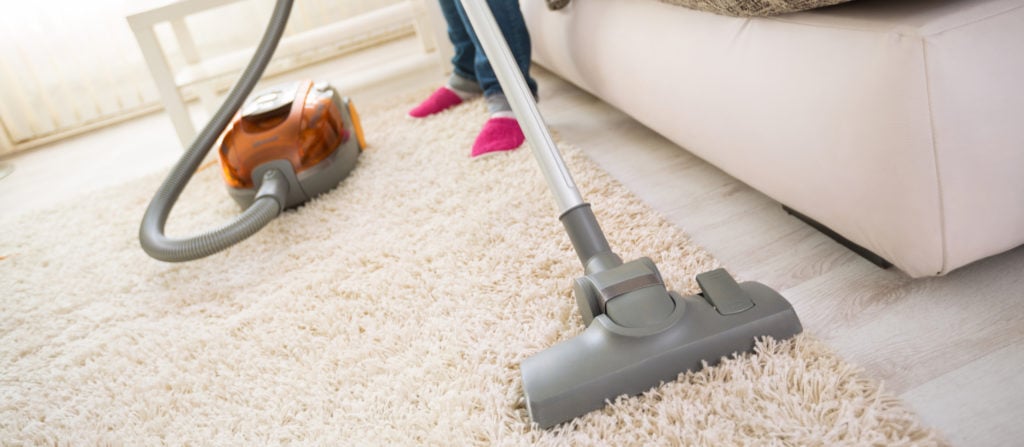
Vacuuming removes adult fleas from carpets and furniture. The suction pulls them off surfaces and traps them inside the vacuum bag or canister. This reduces the number of biting fleas quickly. Regular vacuuming lowers flea populations and eases discomfort for pets and people.
Impact On Flea Eggs And Larvae
Flea eggs and larvae often hide deep in carpet fibers. Vacuuming helps remove many eggs and larvae before they hatch. It disrupts their life cycle and prevents new fleas from emerging. Consistent vacuuming weakens flea colonies over time by targeting these early stages.
Limitations Of Vacuuming Alone
Vacuuming does not kill all fleas or their eggs instantly. Some eggs stick firmly to surfaces and survive the vacuum. Larvae can also hide in places hard to reach with vacuum cleaners. Vacuuming must be combined with other treatments for full flea control.

Credit: romneypestcontrol.com
Best Vacuuming Practices For Flea Control
Vacuuming is a powerful tool in your fight against fleas, but using it effectively requires more than just running the machine across the floor. Understanding the best vacuuming practices can make a significant difference in controlling and eventually eliminating fleas from your home. Let’s dive into how choosing the right vacuum, timing your sessions, and targeting specific areas can boost your flea control efforts.
Choosing The Right Vacuum Cleaner
Not all vacuums handle fleas equally. Look for a vacuum with strong suction and a sealed system to trap fleas and their eggs inside the bag or canister. Models with HEPA filters are especially good because they prevent tiny flea particles from escaping back into your home.
Bagged vacuums often work better for flea control since you can easily remove and dispose of the bag without releasing fleas back into your living space. Have you checked if your vacuum has these features? Upgrading could be the missing piece in your flea-fighting routine.
Frequency And Timing Of Vacuuming
Vacuuming once a week won’t cut it if you have a flea problem. Fleas reproduce quickly, so you need to vacuum daily or every other day during an infestation. This helps interrupt their life cycle by removing eggs, larvae, and adults before they multiply.
Vacuuming right before and after treating your pet or home with flea control products also enhances effectiveness. Try to vacuum at times when your pets are not in the room to avoid disturbing them and to ensure thorough cleaning.
Target Areas To Vacuum Thoroughly
Focus on places where fleas hide and lay eggs. These include pet bedding, carpets, rugs, upholstered furniture, and cracks in hardwood floors. Don’t forget corners, baseboards, and under heavy furniture where fleas can easily escape notice.
Vacuum slowly and repeatedly over these areas to suck up as many fleas as possible. After vacuuming, immediately empty the bag or canister into a sealed bag and dispose of it outside to prevent fleas from returning.
Complementary Flea Control Methods
Vacuuming is helpful for removing fleas and their eggs from floors and furniture. Yet, it alone cannot fully control a flea problem. Using other flea control methods along with vacuuming improves results and helps protect pets and homes.
Combining treatments targets fleas at different stages. It stops fleas from multiplying and spreading. Below are effective complementary flea control options to use together with vacuuming.
Using Flea Treatments On Pets
Pets are often the main source of fleas. Applying flea treatments directly to pets kills adult fleas and prevents new infestations. Popular options include:
- Spot-on treatments applied to the skin
- Oral medications that kill fleas quickly
- Flea collars that repel and kill pests
Follow product instructions carefully. Treat all pets in the household. Regular treatments keep fleas from returning.
Applying Insecticides And Flea Sprays
Insecticides and flea sprays help kill fleas in the home environment. Spray carpets, pet bedding, and furniture for best effect. Choose products labeled safe for indoor use. Some sprays also kill flea eggs and larvae. Repeat treatments as directed to break the flea life cycle.
Natural Remedies For Flea Management
Natural options reduce flea numbers without harsh chemicals. Common remedies include:
- Essential oils like lavender or cedar for repelling fleas
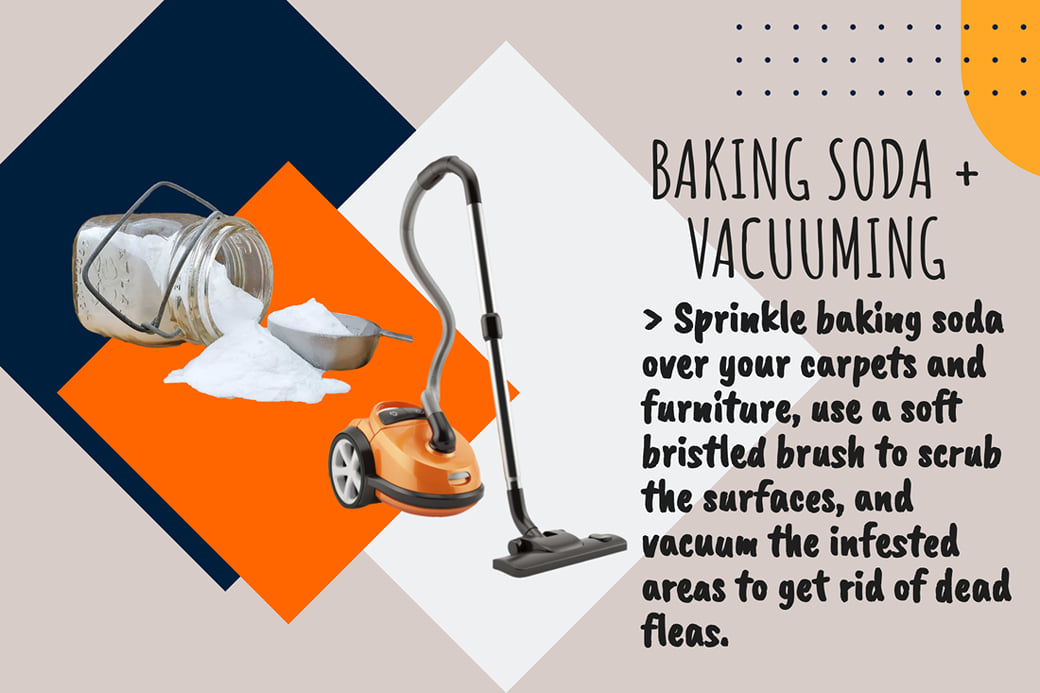
- Diatomaceous earth sprinkled on carpets to dry out fleas
- Regular bathing and grooming of pets
Natural methods work best combined with vacuuming and other treatments. Monitor flea activity closely to adjust care routines.
Preventing Flea Infestations
Preventing flea infestations requires a proactive approach that goes beyond just vacuuming. You need to tackle the problem from multiple angles to keep your home and pets flea-free. Small, consistent habits can make a huge difference in stopping fleas before they take hold.
Regular Pet Grooming
Regular grooming helps spot fleas early before they multiply. Use a fine-toothed flea comb on your pet’s fur every few days. This allows you to catch and remove fleas and flea dirt quickly.
Bathing your pet with flea-repellent shampoo also reduces the chance of an infestation. Don’t skip vet-recommended flea treatments, such as topical drops or oral medications. These protect your pet from fleas that you might not see.
Maintaining Clean Living Spaces
Vacuuming is an essential part of keeping fleas at bay, but it must be done properly. Focus on areas where your pet spends the most time, like carpets, rugs, and furniture. Empty your vacuum bag or canister immediately to prevent fleas from escaping back into your home.
Washing your pet’s bedding and any removable covers in hot water weekly can kill flea eggs and larvae. Consider steam cleaning carpets and upholstery periodically, as heat is lethal to fleas at all life stages.
Outdoor Flea Control Tips
Your yard can be a flea breeding ground if left unattended. Keep grass trimmed short and remove leaf litter where fleas like to hide. If you have a shaded garden, treat it with safe outdoor flea sprays or nematodes that naturally reduce flea populations.
Think about where your pet plays outside. Creating a flea-free zone by regularly cleaning outdoor pet areas reduces the chance of fleas hitching a ride indoors. Could your garden be the weak link in your flea prevention strategy?
Signs Of Persistent Flea Problems
Persistent flea problems can be frustrating and hard to control. Knowing the signs helps catch infestations early. Fleas multiply quickly and can hide in many places. Detecting their presence is key to stopping them before they spread further.
Recognizing Flea Bites And Allergies
Flea bites cause small red spots that itch a lot. Pets may scratch or bite their skin more than usual. Some animals and people develop allergies to flea saliva.
- Look for tiny red bumps around ankles and legs.
- Notice if pets have bald patches or scabs from scratching.
- Watch for restless behavior or excessive grooming in pets.
Tracking Flea Activity In The Home
Fleas hide in carpets, pet bedding, and cracks in floors. You might see tiny jumping insects on your pet or furniture. Flea dirt looks like small black specks on surfaces.
- Check dark corners and under furniture regularly.
- Use a white cloth to wipe pet fur; dark specks mean fleas.
- Notice if pets seem uncomfortable even after vacuuming.
When To Seek Professional Help
If flea problems continue despite cleaning, call an expert. Professionals use stronger treatments that are safe for your home. Persistent fleas can cause health issues for pets and people.
- Consider help if flea bites worsen or allergies develop.
- Seek treatment when vacuuming and home cleaning fail.
- Act quickly to protect family and pets from flea spread.

Credit: romneypestcontrol.com
Credit: www.homeprosverified.com
Frequently Asked Questions
Does Vacuuming Kill Fleas And Their Eggs?
Vacuuming helps remove adult fleas, eggs, and larvae from carpets and floors. However, it does not kill them instantly. Vacuuming regularly reduces flea populations but should be combined with other treatments for full control.
How Often Should I Vacuum To Control Fleas?
Vacuum daily or every other day during a flea infestation. Frequent vacuuming disrupts the flea life cycle and removes eggs before they hatch. Consistency is key to reducing flea numbers effectively.
Can Vacuuming Alone Eliminate A Flea Infestation?
Vacuuming alone is unlikely to eliminate fleas completely. It removes many fleas but does not kill them all. Use vacuuming alongside flea treatments, washing bedding, and pest control for best results.
Should I Clean The Vacuum After Vacuuming Fleas?
Yes, empty and clean your vacuum immediately after use. Fleas and eggs can survive inside the vacuum bag or canister. Dispose of contents in a sealed bag to prevent reinfestation.
Conclusion
Vacuuming helps remove fleas, eggs, and larvae from floors and carpets. It lowers the number of pests but does not kill them all. Regular vacuuming is important to control flea problems. Cleaning alone won’t fully solve the issue. Combine vacuuming with other treatments like pet care and pest control.
Staying consistent makes a big difference over time. Keep your home clean and check your pets often. This way, you reduce fleas and keep everyone comfortable. Small steps add up to a flea-free space.