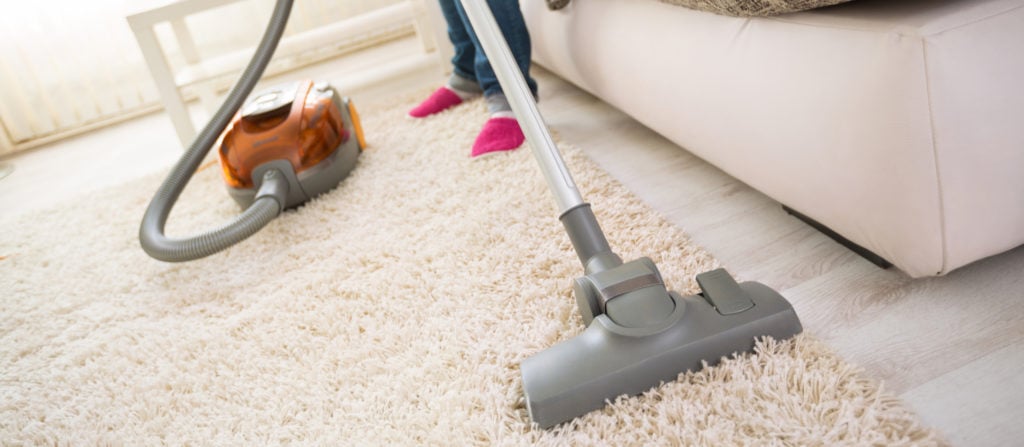
Imagine this: you’re doing your weekly cleaning, vacuuming the floors, and you pause for a moment. You wonder, does vacuuming kill fleas?
This question might seem simple, but the answer could save you a lot of time, effort, and frustration. If you’ve ever battled these tiny pests, you know how persistent they can be. You want a solution that works, one that fits seamlessly into your routine.
Understanding whether your trusty vacuum can do more than just tidy up could be a game-changer. Stick around, and you’ll discover the truth about vacuuming and its power against fleas. Prepare to tackle these pesky invaders with newfound confidence!
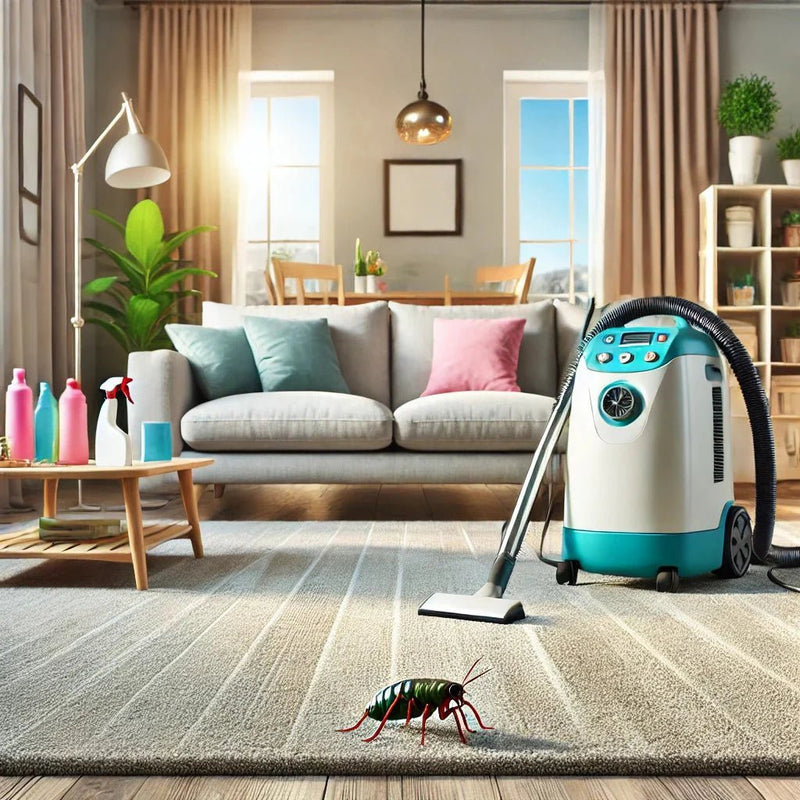
Credit: dirtbusters.co.uk
How Fleas Survive In Homes
Fleas are tiny pests that can live and multiply quickly inside homes. Their survival depends on finding the right environment and hiding places. Understanding how fleas survive helps in controlling them better. They go through different life stages and hide in common spots around the house.
Life Cycle Of Fleas
Fleas have four life stages: egg, larva, pupa, and adult. Eggs fall off pets onto carpets and furniture. Larvae hatch and feed on organic debris. Then they form cocoons as pupae. Adults emerge from cocoons when conditions are right. Adults live on pets or animals and lay eggs. This cycle makes flea control challenging.
Common Hiding Spots
- Carpets and rugs
- Pet bedding and blankets
- Cracks in wooden floors
- Under furniture and cushions
- Baseboards and corners
- Upholstered furniture
These places provide warmth and food for fleas. They stay hidden in dark, undisturbed areas. Fleas avoid light and air movement. This helps them survive until they find a host to feed on.

Credit: romneypestcontrol.com
Vacuuming And Flea Control
Vacuuming plays an important role in flea control. It helps remove adult fleas, eggs, and larvae from carpets and floors. Regular vacuuming reduces flea numbers and breaks their life cycle. This makes it easier to manage infestations and keep your home cleaner. Understanding how vacuuming works against fleas improves your pest control efforts.
Effectiveness Of Vacuuming
Vacuuming captures fleas hiding in carpet fibers and pet bedding. It removes adult fleas ready to jump and lay eggs. Vacuuming also sucks up flea eggs and larvae before they grow. This disrupts flea development and lowers future populations.
Vacuuming alone won’t kill all fleas. Some eggs and larvae survive inside the vacuum. Using vacuuming along with other treatments gives better results. Frequent vacuuming is key. Aim to vacuum daily in infested areas. Empty the vacuum bag or canister after each use to prevent fleas from escaping.
Vacuum Types That Work Best
Not all vacuums perform the same against fleas. Choose one with strong suction power. A vacuum with a rotating brush helps lift fleas from deep carpet fibers. Models with HEPA filters trap small flea eggs and debris effectively.
- Canister vacuums: Flexible and good for corners and furniture.
- Upright vacuums: Powerful and cover large carpet areas fast.
- Handheld vacuums: Useful for pet bedding and small spots.
Check your vacuum’s bag or filter often. Clean or replace it to maintain suction. A well-maintained vacuum improves flea removal and home cleanliness.
Vacuuming Techniques To Target Fleas
Vacuuming is a powerful tool in your fight against fleas, but using the right techniques can make all the difference. It’s not just about running the vacuum across the floor; targeting fleas effectively requires strategic focus and timing. Let’s dive into how you can adjust your vacuuming habits to truly hit those pesky pests where it hurts.
Areas To Focus On
Fleas love to hide in places where your pets spend the most time. Think about the corners of rooms, under furniture, and along baseboards. These spots often collect pet hair and dander, providing a perfect flea habitat.
Don’t forget to vacuum pet bedding thoroughly—this is a flea hotspot. If you have rugs or carpets, focus on the edges and seams where fleas can easily lay eggs. Hard-to-reach spots like underneath cushions or between floorboards also need attention.
- Pet beds and blankets
- Carpet edges and seams
- Under and behind furniture
- Floor cracks and baseboards
- Pet resting areas like sofas and chairs
Frequency And Timing
Vacuuming once in a while won’t stop fleas from multiplying. You need to vacuum daily or at least every other day during an infestation to catch eggs before they hatch. Flea eggs can fall off your pet and develop in your home quickly.
Try vacuuming in the evening when fleas are most active. This timing increases your chances of picking up adult fleas and larvae. After vacuuming, empty the vacuum bag or canister immediately to prevent fleas from escaping back into your home.
Have you noticed how vacuuming right before bed helped reduce flea bites overnight? Small changes in your vacuuming schedule can have a big impact on flea control.
Combining Vacuuming With Other Methods
Vacuuming alone rarely solves a flea problem completely. While it helps remove adult fleas, eggs, and larvae from carpets and furniture, fleas can hide in places your vacuum can’t reach. Combining vacuuming with other methods gives you a stronger chance to break the flea life cycle and protect your home.
Using Flea Treatments
After vacuuming, applying flea treatments to your pets and home is crucial. Spot-on treatments, oral medications, and flea collars can kill fleas on your pets quickly. Meanwhile, sprays and powders designed for carpets and upholstery target fleas in your environment.
Think about the last time you tried only one treatment. Did the fleas return? Using multiple products with different ingredients helps avoid resistance and improves effectiveness. Always follow product instructions to keep your pets safe and maximize results.
Environmental Controls
Vacuuming clears visible fleas, but controlling the environment stops them from coming back. Washing pet bedding and vacuuming floors regularly reduce flea eggs and larvae. Consider lowering humidity and sealing cracks where fleas might hide.
Do you check hidden spots like under furniture or inside closets? Fleas can thrive in these dark, undisturbed areas. Using dehumidifiers and keeping your home clean limits flea survival and complements your vacuuming efforts perfectly.
Preventing Flea Infestations
Preventing flea infestations is essential to keep your home and pets healthy. Fleas reproduce fast and can cause discomfort and health issues. Taking simple, regular actions helps control their spread and stops infestations early.
Pet Care Tips
- Check pets often for fleas, especially after outdoor time.
- Use veterinarian-recommended flea treatments regularly.
- Give pets frequent baths using flea-control shampoos.
- Brush pets daily to spot fleas and remove eggs.
- Wash pet bedding in hot water weekly to kill fleas and larvae.
Home Maintenance Strategies
- Vacuum floors, carpets, and furniture thoroughly and often.
- Empty vacuum bags or canisters immediately after use.
- Clean under furniture and along baseboards where fleas hide.
- Use flea sprays or powders safe for indoor use if needed.
- Keep grass and bushes trimmed to reduce flea habitats outside.

Credit: romneypestcontrol.com
Frequently Asked Questions
Does Vacuuming Remove Flea Eggs And Larvae?
Vacuuming helps remove flea eggs and larvae from carpets and floors. It disrupts their life cycle but doesn’t kill all stages. Frequent vacuuming combined with other treatments is necessary for effective flea control.
Can Vacuuming Alone Kill Adult Fleas?
Vacuuming alone rarely kills all adult fleas. It mainly removes some fleas and debris from surfaces. To fully eliminate adult fleas, use vacuuming alongside insecticides or flea treatments.
How Often Should I Vacuum To Control Fleas?
Vacuum daily or every other day during a flea infestation. This prevents eggs and larvae from maturing. Regular vacuuming reduces flea populations and supports other flea control methods.
Does Vacuuming Spread Fleas Around The House?
Vacuuming does not spread fleas if the vacuum bag or canister is sealed properly. Dispose of vacuum contents immediately outdoors to prevent fleas from escaping and reinfesting your home.
Conclusion
Vacuuming helps reduce fleas but does not kill them all. It removes flea eggs, larvae, and some adults from carpets and floors. Regular vacuuming can lower flea numbers and slow their spread. Combine vacuuming with other treatments for better results.
Clean the vacuum bag or canister after each use to avoid re-infestation. Stay patient and consistent to control fleas effectively. Small efforts add up over time. Keep your home clean and check your pets often. This approach keeps fleas under control and your home comfortable.