
Are you wondering if your vanilla paste needs to be refrigerated? You’re not alone.
Many people ask this question because vanilla paste is a special ingredient that adds rich flavor to your favorite recipes. But if you store it the wrong way, it can lose its taste or spoil faster. Keep reading to find out exactly how to store your vanilla paste so it stays fresh and delicious every time you use it.
Your baking and cooking will thank you!
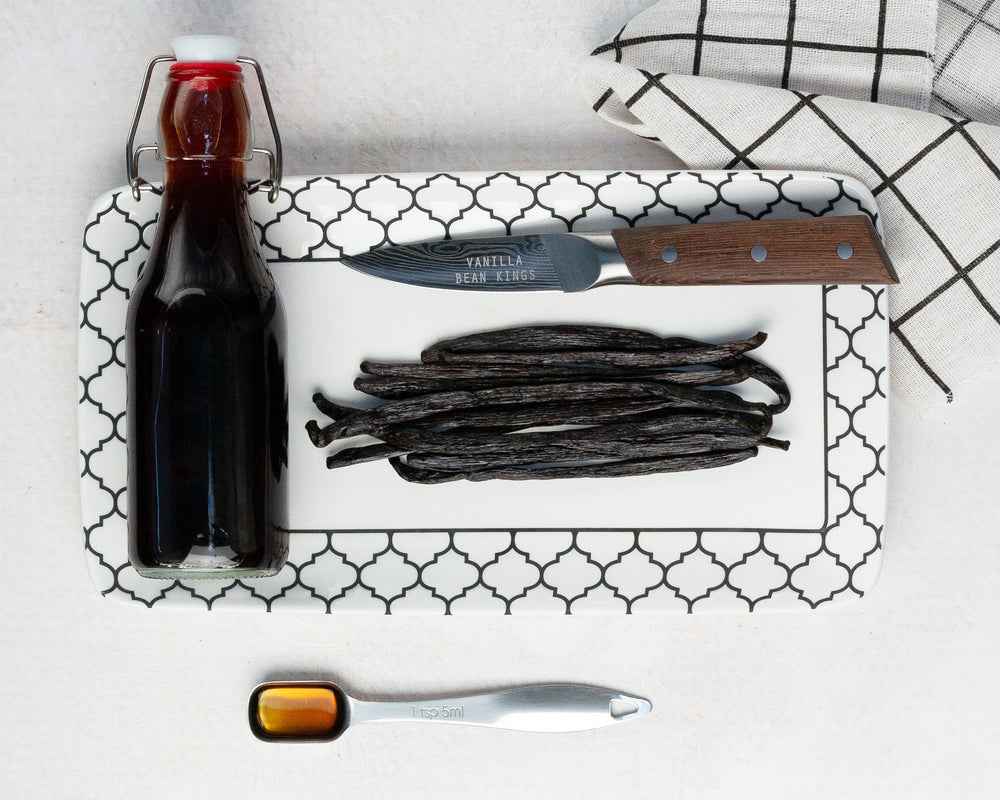
Credit: www.vanillabeankings.com
Vanilla Paste Basics
Understanding the basics of vanilla paste is key before deciding how to store it. Vanilla paste is a popular choice for many home cooks and professional bakers because it offers a rich, concentrated vanilla flavor with the convenience of easy measuring. Knowing what goes into this paste and how long it lasts can help you get the best results in your recipes and avoid waste.
Ingredients In Vanilla Paste
Vanilla paste is more than just vanilla beans mixed with sugar. It often contains:
- Vanilla bean seeds:These tiny seeds give the paste its signature look and intense flavor.
- Vanilla extract:Adds a liquid base and enhances the overall vanilla taste.
- Sweeteners:Such as sugar or glucose syrup, which help maintain the paste’s consistency and sweetness.
- Thickeners:Sometimes natural thickeners like gum arabic or cellulose are included to create that smooth texture.
Each ingredient plays a role in flavor, texture, and shelf stability, which influences whether refrigeration is necessary.
Shelf Life Overview
Vanilla paste typically has a longer shelf life than vanilla extract due to its thick consistency and sugar content. Unopened, it can last for about 12 to 18 months stored in a cool, dark place.
Once opened, the question arises—does it need refrigeration? Many brands recommend refrigerating to preserve flavor and prevent any microbial growth, especially if your kitchen is warm.
However, if you use your vanilla paste frequently and finish it quickly, storing it in a cool pantry might be fine. Have you noticed any changes in flavor or texture when keeping it outside the fridge? Paying attention to these signs can help you decide the best storage method for your vanilla paste.
Storage Recommendations
Vanilla paste is a popular choice for adding rich flavor to dishes. Understanding the best way to store it ensures its quality and longevity. Let’s explore storage recommendations for vanilla paste.
Room Temperature Storage
Vanilla paste can be stored at room temperature. Keep it in a cool, dark place. A pantry or cupboard works well. Ensure the lid is tightly sealed. This prevents air from affecting the paste.
Refrigeration Benefits
Refrigerating vanilla paste can extend its shelf life. Cold temperatures slow down spoilage. This method is ideal for those who use it less frequently. The flavor stays potent for a longer period.
Potential Drawbacks Of Refrigeration
Refrigeration can cause the paste to thicken. This makes it harder to use. Some users find the texture change inconvenient. It may require warming before use. This could lead to minor flavor changes.
Signs Of Spoilage
Vanilla paste can spoil over time, especially if stored improperly. Recognizing signs of spoilage helps avoid using bad paste. Spoiled vanilla paste loses its flavor and can affect your recipes.
Visual Changes
- Dark spots or mold on the surface appear.
- Paste color turns dull or uneven.
- Liquid separates from the thick paste.
- Container shows condensation or swelling.
Smell And Texture Indicators
- Vanilla paste smells sour or off.
- Texture feels slimy or unusually thick.
- Loss of the sweet, rich vanilla aroma.
- Paste becomes grainy or clumpy.
Tips For Prolonging Freshness
Keeping your vanilla paste fresh is key to maintaining its rich flavor and aroma. Small habits can make a big difference in how long your vanilla paste stays vibrant and ready for use. Let’s look at simple tips that help you extend its shelf life without compromising quality.
Proper Container Use
Always store vanilla paste in an airtight container. Exposure to air speeds up the loss of flavor and can cause the paste to dry out. Glass jars with tight-fitting lids work best because they don’t absorb odors or stains.
Consider using smaller containers if you don’t use vanilla paste often. This way, you open only what you need, reducing the paste’s exposure to air each time. Have you noticed how fresh spices last longer when kept sealed tightly?
Avoiding Contamination
Never dip a wet or dirty spoon into your vanilla paste. Moisture and crumbs introduce bacteria and mold, which spoil the paste faster. Always use a clean, dry spoon to scoop out the amount you need.
If you accidentally introduce contaminants, the paste can develop off smells or change texture quickly. Think about how you handle other condiments—are you careful to avoid double-dipping? Treat your vanilla paste with the same respect to keep it fresh.
Comparing Vanilla Paste With Extract And Beans
Vanilla paste, extract, and beans all add rich vanilla flavor to recipes. Each form has unique qualities in taste, texture, and storage needs. Understanding these differences helps keep vanilla fresh and flavorful longer.
Storage Differences
Vanilla beans should stay in a cool, dark place. They need air circulation to avoid mold. Keep them in a sealed container but not airtight.
Vanilla extract contains alcohol, which preserves it well. It can be stored at room temperature safely for years. No refrigeration is needed for extract.
Vanilla paste combines vanilla bean seeds with a syrup base. It often contains sugar and sometimes alcohol. Refrigeration helps keep the paste fresh and stops it from spoiling. Store it in a tightly sealed jar.
Flavor Retention
Vanilla beans offer the purest, most intense flavor. Over time, beans dry out and lose aroma if not stored properly.
Extracts maintain flavor for a long time due to the alcohol content. The taste can mellow but stays stable.
Vanilla paste has a bold flavor from the seeds and syrup. Refrigeration slows down flavor loss and keeps the paste thick. Without cold storage, the taste can weaken faster.
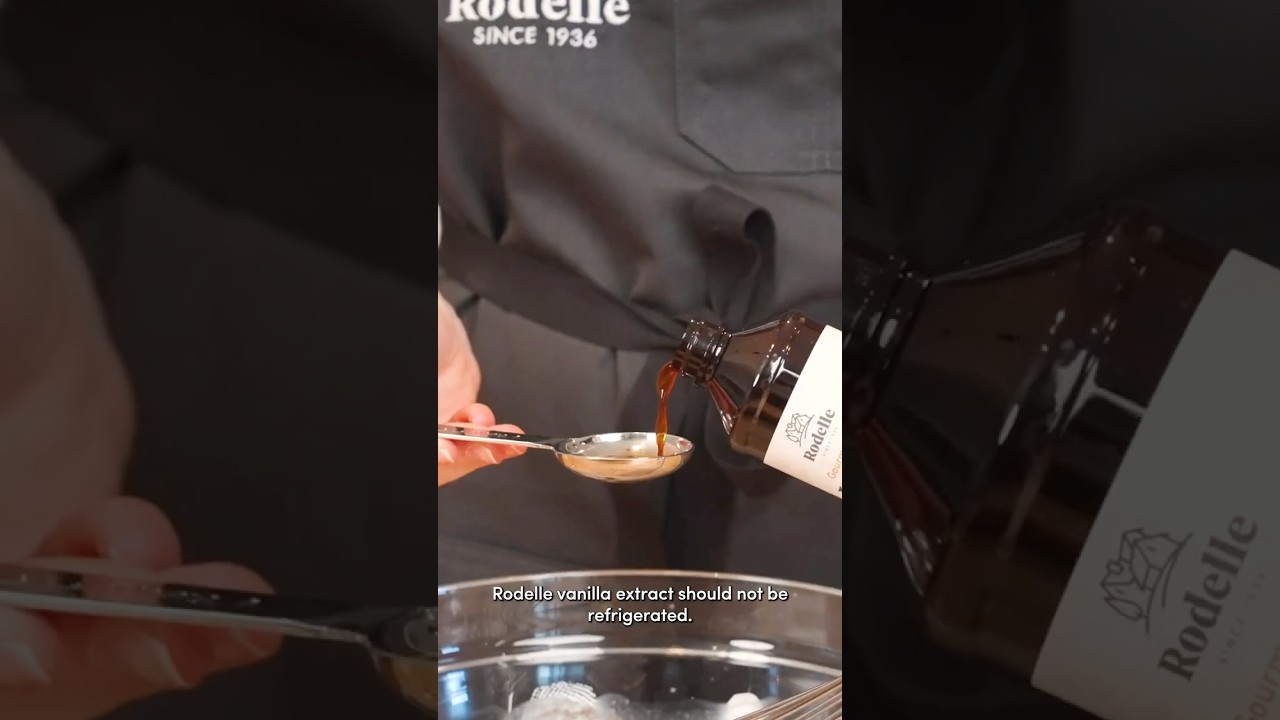
Credit: www.youtube.com

Credit: www.reddit.com
Frequently Asked Questions
Does Vanilla Paste Need Refrigeration After Opening?
Yes, vanilla paste should be refrigerated after opening. This preserves its flavor and prevents spoilage. Always keep the lid tightly sealed.
How Long Does Vanilla Paste Last Without Refrigeration?
Vanilla paste lasts about 1-2 weeks unrefrigerated. However, refrigeration extends its shelf life up to 6 months or more.
Can Vanilla Paste Spoil If Not Refrigerated?
Yes, vanilla paste can spoil if left unrefrigerated. Heat and air exposure degrade its quality and cause mold growth.
Is Refrigeration Necessary For Homemade Vanilla Paste?
Refrigeration is recommended for homemade vanilla paste. It lacks preservatives, so cold storage helps maintain freshness and flavor.
Conclusion
Vanilla paste usually lasts well without refrigeration. Keep it in a cool, dark place. Always check the label for storage advice. Sealing the jar tightly helps keep it fresh. Avoid heat and sunlight to protect flavor. Using vanilla paste properly enhances your recipes.
Store it right and enjoy its rich taste. Simple care keeps your vanilla paste good longer. No need to worry about quick spoilage. Vanilla paste brings great flavor with little fuss.