
Are you wondering whether Vetsulin, the insulin for your beloved pet, needs to be refrigerated? You’re not alone.
Many pet owners like you want to ensure they are storing their pet’s medication correctly to maintain its effectiveness. But where do you find the answers? This question is crucial because improper storage could impact your pet’s health. We’ll uncover the truth about Vetsulin storage requirements and why it matters to your pet’s well-being.
Stick with us, and by the end, you’ll have all the knowledge you need to confidently handle Vetsulin, keeping your furry friend happy and healthy.
Vetsulin Basics
Understanding the basics of Vetsulin helps pet owners manage their pets’ health better. Knowing what it is and how it works ensures proper care. This section explains the key points about Vetsulin.
What Is Vetsulin
Vetsulin is a type of insulin made for dogs and cats. It controls blood sugar levels in pets with diabetes. The medicine helps pets live a healthier, balanced life. It is a suspension that needs shaking before use.
Uses And Benefits
- Controls blood sugar in diabetic pets
- Helps maintain energy levels
- Reduces symptoms like excessive thirst and urination
- Improves overall quality of life
- Easy to inject under the skin
Storage Requirements
Proper storage of Vetsulin is crucial to maintain its effectiveness and ensure your pet receives the correct dosage of insulin. How you store this medication can affect its potency and safety. Understanding the storage requirements will help you avoid common mistakes that can compromise your pet’s health.
Recommended Temperature Range
Vetsulin should be kept at a temperature between 2°C and 8°C (36°F and 46°F). This range is typical for refrigeration and helps preserve the insulin’s stability. Avoid freezing it, as extreme cold can damage the insulin and render it useless.
If you don’t have a dedicated medical refrigerator, a regular home fridge is usually sufficient, but place the vial away from the freezer compartment. Temperature fluctuations, such as those near the door, can affect the medication, so keep it in the main body of the fridge.
Why Refrigeration Matters
Refrigerating Vetsulin slows down the breakdown of insulin molecules. This means the medicine stays effective for a longer time, ensuring your pet gets the right treatment. Without refrigeration, the insulin can degrade quickly, leading to poor blood sugar control.
I once had a case where a pet owner stored Vetsulin at room temperature to be more convenient. After a few weeks, the pet’s blood sugar levels spiked unexpectedly. It turned out the insulin had lost potency, showing how critical proper storage is.
Ask yourself—how often do you check your fridge’s temperature? Small habits like this can make a big difference in your pet’s health. Keeping Vetsulin refrigerated is not just a recommendation; it’s a key step in managing your pet’s diabetes effectively.
Handling Vetsulin Safely
Handling Vetsulin safely is crucial to ensure its effectiveness and your pet’s health. Insulin is sensitive to temperature changes, so how you store and manage it directly impacts its potency. Understanding the right way to handle Vetsulin can prevent wasted doses and protect your furry friend from potential health risks.
Avoiding Temperature Fluctuations
Vetsulin must be kept cool, but not frozen. Extreme temperature changes can degrade the insulin, making it less effective. Have you ever noticed your fridge’s temperature varying? These small fluctuations matter when storing insulin.
Keep Vetsulin in a consistent environment between 2°C and 8°C (36°F to 46°F). Avoid placing it near the freezer compartment or in the door where temperatures shift frequently. If you accidentally freeze your Vetsulin, it’s best to discard it immediately.
Storage Do’s And Don’ts
- Dostore Vetsulin in its original packaging to protect it from light.
- Dokeep it upright and secure to avoid shaking, which can break down the insulin.
- Docheck the expiration date regularly and discard any expired insulin.
- Don’tleave Vetsulin in a hot car or direct sunlight during travel.
- Don’tuse insulin that looks cloudy or has particles, as this signals contamination.
Have you ever found yourself unsure about the right storage spot? Think about your daily routine and choose a fridge shelf that’s cool and stable. Proper handling isn’t just about following rules—it’s about giving your pet the best care possible.

Credit: www.amazon.com
Shelf Life And Expiry
Understanding the shelf life and expiry of Vetsulin is important for effective diabetes management in pets. The way you store Vetsulin affects how long it stays safe and effective. Proper storage helps maintain its strength and prevents spoilage.
Knowing the difference between unopened and opened vial storage is key. Each has specific guidelines to follow for maximum shelf life and safety.
Unopened Vial Storage
Keep unopened Vetsulin vials refrigerated between 2°C and 8°C (36°F to 46°F). Avoid freezing, as freezing damages the insulin.
Store the vial in its original box to protect it from light. The unopened vial usually has a shelf life of about 18 months. Always check the expiry date printed on the vial before use.
Opened Vial Guidelines
Once opened, store Vetsulin in the refrigerator at the same temperature range. Do not freeze opened vials.
Use the opened vial within 42 days to ensure insulin remains effective. Mark the date when you first open the vial.
Keep the vial away from direct heat and light. Avoid shaking the vial vigorously; gently roll it before use.
Common Storage Mistakes
Storing Vetsulin incorrectly is a common mistake many pet owners make. This insulin must be kept in the right conditions to work well. Many do not realize how sensitive it is to temperature and light. Improper storage can reduce its effectiveness and harm your pet’s health. Understanding common mistakes helps avoid problems and keep the medicine safe.
Effects Of Improper Storage
Vetsulin that is not refrigerated can lose its strength. Exposure to heat or freezing temperatures damages the insulin. It may become cloudy or change color, signaling it is no longer good. Using damaged insulin can cause poor blood sugar control in pets. It may lead to serious health risks or require more frequent vet visits.
How To Prevent Damage
Store Vetsulin in the refrigerator between 36°F and 46°F (2°C to 8°C). Avoid placing it near the freezer wall or in the door. Keep it away from direct sunlight and heat sources. Do not freeze Vetsulin, as freezing breaks down the insulin.
Before use, let the insulin reach room temperature by holding it in your hand. Gently roll the vial to mix, never shake it hard. Check the expiration date and look for changes in appearance before each dose.
Traveling With Vetsulin
Traveling with Vetsulin requires special care to keep the insulin effective. Insulin must stay cold to work properly. This can be a challenge when away from home. Planning ahead helps protect your pet’s health. Keeping Vetsulin at the right temperature is key.
Maintaining Cold Chain
Vetsulin must be stored between 2°C and 8°C (36°F and 46°F). This temperature range keeps the insulin stable. Avoid freezing or overheating the vial. Always keep the vial in a sealed container. Do not leave it in direct sunlight or a hot car. Regularly check the vial for any color change or particles. These signs mean the insulin may be spoiled.
Portable Cooling Solutions
Use small insulated bags or coolers to carry Vetsulin. Ice packs or gel packs help maintain a steady temperature. Place the insulin vial away from direct contact with ice packs to prevent freezing. Portable mini refrigerators are also an option. These devices run on batteries or USB power. They keep insulin safe during longer trips. Always have a backup cooling method in case of failure.
Signs Of Spoiled Vetsulin
Recognizing signs of spoiled Vetsulin is crucial for your pet’s health. Using expired or damaged insulin can harm your pet. Vetsulin must be fresh and safe to work effectively. Knowing what to look for helps prevent problems. Watch for changes in appearance and texture. Learn when to throw the medication away.
Visual And Physical Changes
Check the Vetsulin vial closely before use. The liquid should be clear and slightly cloudy, like milk. Any changes can mean spoilage.
- Clumps or particles floating inside the vial
- Color turning darker or unusual shades
- Separation of liquid layers that do not mix when shaken
- Visible mold or cloudiness beyond normal
- Damaged or cracked vial
Also, feel the vial for changes. If the insulin feels unusually thick or sticky, it may be spoiled. Proper insulin is smooth when shaken gently.
When To Dispose
Dispose of Vetsulin immediately if you spot any visual or physical changes. Never use insulin past its expiration date. Keep track of how long you have used the vial after opening it. Most opened vials last about 28 days in the refrigerator.
Throw away the vial if it has been left out of the fridge for more than 28 days. Do not risk your pet’s health with compromised insulin. Always use fresh Vetsulin for safe and effective treatment.

Credit: 1family1health.com
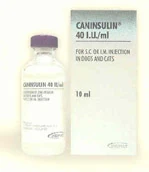
Credit: diabetesindogs.fandom.com
Frequently Asked Questions
Does Vetsulin Need Refrigeration After Opening?
Yes, Vetsulin must be refrigerated after opening to maintain its effectiveness. Keep it at 36°F to 46°F (2°C to 8°C). Avoid freezing or excessive heat, which can damage the insulin.
Can Vetsulin Be Left Out Of The Fridge?
Vetsulin can be left out for up to 28 days at room temperature. However, prolonged exposure to heat or cold reduces its potency. Always store it in a cool, dark place when not refrigerated.
How Should I Store Vetsulin Properly?
Store Vetsulin in the refrigerator between 36°F and 46°F (2°C to 8°C). Avoid freezing or placing it near the fridge door. Keep it away from direct sunlight and heat sources.
What Happens If Vetsulin Is Not Refrigerated?
If Vetsulin is not refrigerated, it may lose its potency and become less effective. This can affect blood sugar control in pets. Always refrigerate to ensure the insulin works properly.
Conclusion
Vetsulin must stay refrigerated to keep it effective. Storing it at the right temperature protects the medicine. Warm or frozen Vetsulin may not work well. Always check the label for storage instructions. Proper care helps your pet get the best treatment.
Never leave Vetsulin in direct sunlight or heat. Remember, good storage keeps your pet safe and healthy. Simple steps make a big difference in diabetes care. Trust the process to help your furry friend.