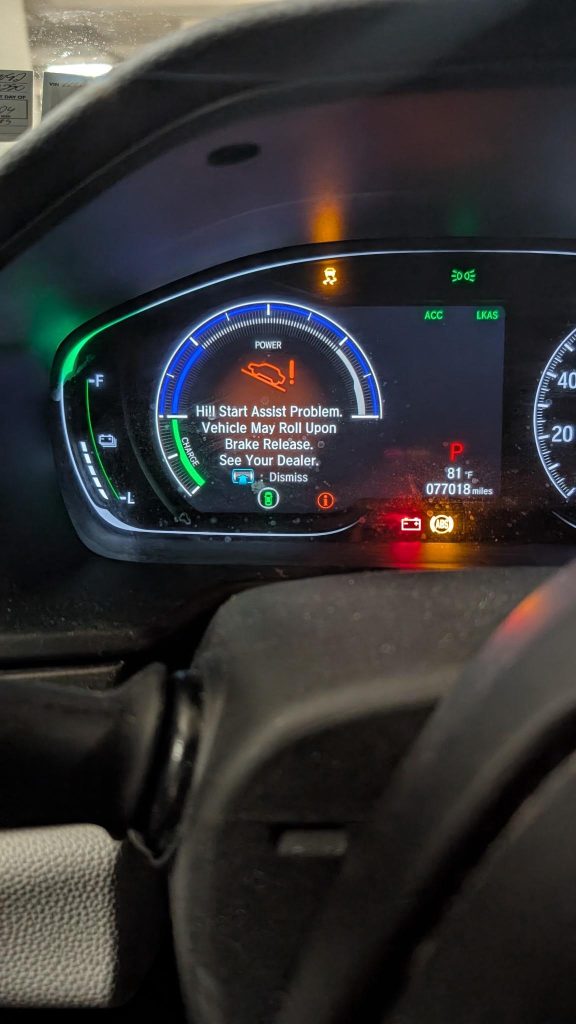
You’re sitting behind the wheel of your Honda Accord, ready to go, but when you turn the key, nothing happens—even though your lights and radio still work. It’s frustrating and confusing when your car has power but won’t start.
You might be wondering, what’s wrong? Is it a simple fix, or something more serious? You’ll discover the most common reasons why your Honda Accord won’t start despite having power—and how you can get back on the road quickly. Keep reading to find the answers you need.

Credit: www.reddit.com
Common Reasons For Starting Issues
When your Honda Accord won’t start despite having power, it can feel frustrating and confusing. Several underlying issues could cause this problem, each related to different parts of your car’s starting system. Understanding these common reasons helps you diagnose the problem faster and decide whether you can fix it yourself or need professional help.
Battery And Electrical System
Your battery might have enough power to run the lights or radio but not enough to crank the engine. A weak or partially drained battery often causes this issue. Corroded or loose battery terminals can also interrupt the flow of electricity, making it seem like there’s power when there isn’t enough to start the car.
Have you checked if your dashboard lights flicker or dim when you try to start? That’s a clear sign the battery or connections might be the problem. Sometimes, a jump start or cleaning battery terminals solves the issue quickly.
Starter Motor Problems
The starter motor is responsible for turning the engine over when you turn the key. If it’s faulty or the starter solenoid is failing, the engine won’t crank even if the battery is fine. You might hear a clicking noise or no sound at all when trying to start.
Think about the last time your car made a clicking sound but didn’t start. That usually points to the starter motor struggling to engage. Testing or replacing the starter motor can often restore your Accord’s starting ability.
Fuel Delivery Issues
Your engine needs fuel to start and run, so problems with the fuel pump, clogged fuel filter, or empty gas tank can stop your car from starting. Even if the electrical system seems fine, no fuel reaching the engine means no ignition.
Have you noticed sputtering or hesitation before it stopped starting? That’s a sign fuel delivery might be the culprit. Checking the fuel pump relay or fuel pressure can help pinpoint this issue.
Ignition System Faults
The ignition system includes spark plugs, ignition coil, and related wiring. If any part is damaged or worn out, your engine won’t ignite the fuel-air mixture, leaving the car unable to start. Faulty ignition components can also trigger warning lights on the dashboard.
Ever had your car suddenly refuse to start after a rough drive? Ignition faults might be the reason. Replacing spark plugs or inspecting ignition coils often gets your Accord back on the road.
Troubleshooting The Battery
When your Honda Accord won’t start but still shows signs of power, the battery is often the first place to look. A battery can have enough juice to power lights and electronics but still fail to crank the engine. Understanding how to troubleshoot your battery can save you a lot of time and money before calling a mechanic.
Checking Battery Voltage
Start by measuring the battery voltage with a multimeter. A fully charged battery should read around 12.6 volts or more when the car is off.
If the voltage drops below 12.4 volts, your battery may be weak or partially discharged. Sometimes, a battery can show decent voltage but still lack enough power to start the engine, so don’t rely on voltage alone.
Inspecting Battery Connections
Loose or corroded battery terminals can disrupt the flow of electricity, causing your Accord to fail starting even with a charged battery.
Check both the positive and negative terminals for corrosion, which looks like a white or greenish powdery substance. Clean the terminals with a mixture of baking soda and water if needed, and tighten the clamps securely.
Jump-starting The Vehicle
If your battery voltage is low or connections are solid but the car won’t start, try jump-starting the vehicle. This can confirm if the battery is the culprit or if another issue exists.
Make sure to connect the jumper cables correctly: positive to positive and negative to a grounded metal surface away from the battery. If the engine starts after a jump, your battery likely needs charging or replacement.
Examining The Starter Motor
The starter motor plays a crucial role in starting the Honda Accord. It takes power from the battery and turns the engine over. If the car won’t start but still has power, the starter motor may be the cause. Examining the starter motor can help find the problem quickly.
Start by checking the sounds the starter makes. Then test the starter relay to ensure it works. If these checks fail, replacing the starter might be necessary. Each step helps pinpoint the exact issue with the starter motor.
Listening For Starter Clicks
Turn the key and listen closely near the engine. A clicking sound means the starter is trying to work. No clicks often indicate a dead starter or poor connection. A single click might mean the starter motor is stuck or faulty. Multiple rapid clicks usually point to low battery power or bad wiring.
Testing The Starter Relay
The starter relay sends power to the starter motor. Test it by swapping with a similar relay from the fuse box. If the car starts with the swapped relay, the original relay is bad. Use a multimeter to check for continuity in the relay. No continuity means the relay needs replacement.
Replacing A Faulty Starter
A worn or broken starter needs replacement to restore function. Disconnect the battery before starting the replacement. Remove the bolts holding the starter motor in place. Carefully disconnect the wires from the starter terminals. Install the new starter and reconnect all wires securely. Tighten the bolts and reconnect the battery. Test start the car to confirm the repair.
Fuel System Checks
The fuel system plays a key role in starting your Honda Accord. Problems here can stop the engine from firing, even if the car has power. Checking the fuel system helps find issues that block fuel delivery. This check covers the fuel pump, filter, and pressure. Each part must work well to keep fuel flowing to the engine.
Verifying Fuel Pump Operation
The fuel pump moves gas from the tank to the engine. A faulty pump can cause no fuel flow. Listen for a humming sound near the fuel tank when turning the key. No sound may mean the pump is dead. Testing with a fuel pressure gauge confirms if the pump works correctly.
Inspecting Fuel Filter
The fuel filter cleans dirt from the gasoline. A clogged filter blocks fuel flow. This causes the engine to struggle or not start. Replace the filter if it looks dirty or old. Regular changes keep fuel flowing freely and protect the engine parts.
Ensuring Proper Fuel Pressure
Fuel pressure must be within the right range for the engine to start. Low pressure means not enough fuel reaches the engine. High pressure can also cause problems. Use a fuel pressure gauge to check the pressure. Compare the reading to the Honda Accord’s manual specs.
Ignition System Inspection
Inspecting the ignition system is key to solving a Honda Accord that won’t start but has power. The ignition system sends the spark that ignites the fuel in the engine. Problems here can stop your car from starting, even if the battery and fuel system work well.
Focus on the spark plugs, ignition switch, and immobilizer system. Each part plays a role in starting the engine. A careful check helps spot faults early and avoid costly repairs.
Checking Spark Plugs And Wires
Spark plugs create the spark needed to start the engine. Worn or dirty plugs can fail to ignite fuel. Check for cracks, heavy deposits, or signs of wear. Spark plug wires should be firm and free of cracks.
Remove each plug and examine it closely. Use a spark plug gap tool to check spacing. Replace any plug with damage or fouling. Test spark plug wires for resistance with a multimeter. Replace wires that show high resistance or damage.
Testing The Ignition Switch
The ignition switch sends power to the starter motor and ignition system. A faulty switch can prevent the car from starting. Turn the key and observe dashboard lights.
- If lights fail to come on, the switch might be bad.
- Check for any unusual sounds when turning the key.
- Use a multimeter to test continuity in the switch circuit.
Replace the ignition switch if it does not pass electrical tests or shows physical damage.
Assessing The Immobilizer System
The immobilizer prevents the engine from starting without the correct key. A malfunctioning immobilizer can block engine start. Check the key’s chip for damage or wear.
Look for an immobilizer warning light on the dashboard. If the light stays on or flashes, the system may be active. Use an OBD2 scanner to read immobilizer codes.
Reset the immobilizer by locking and unlocking the car with the remote. If problems persist, visit a professional to reprogram the key or immobilizer system.

Credit: www.reddit.com
Additional Quick Fixes
Sometimes, the Honda Accord won’t start but shows power. These issues may hide in simple parts. Quick fixes can save time and money. Trying these steps may help get the car running fast.
Resetting The Ecu
The ECU controls many engine functions. A reset can clear errors that stop starting. To reset, disconnect the battery for 15 minutes. Reconnect and try starting the car. This can fix minor glitches in the system.
Inspecting Fuses And Relays
Fuses and relays protect electrical parts. A blown fuse or bad relay can block power flow. Open the fuse box and check for damaged fuses. Swap relays with similar ones to test. Replace any faulty parts found to restore power.
Checking Neutral Safety Switch
The neutral safety switch stops the car from starting in gear. A faulty switch can prevent the engine from cranking. Test by shifting the gear lever to neutral and try starting. If it starts, the switch may need adjustment or replacement.
When To Seek Professional Help
Knowing when to call a professional can save you time, money, and frustration when your Honda Accord won’t start but still has power. Some problems are straightforward, but others hide deeper electrical or mechanical faults that require expert eyes. Recognizing the signs that indicate you need professional help is key to avoiding further damage.
Signs Of Complex Electrical Issues
Electrical systems in modern cars like the Honda Accord are intricate. If you notice flickering dashboard lights, unusual clicking sounds when turning the key, or your car’s computer seems unresponsive, these could be signs of serious electrical problems.
Simple fixes like a dead battery or loose connection might seem obvious, but if the issue persists after you check those, it’s time to get an expert involved. Have you ever tried jump-starting a car multiple times only to face the same problem? That’s a clear red flag for complex electrical faults.
Dealing With Transmission-related Problems
Sometimes, your Accord won’t start because of issues beyond the battery or starter motor. Transmission problems can prevent the engine from cranking properly. If your gear shift doesn’t engage or feels stuck, or if your car won’t start in “Park” or “Neutral,” the transmission could be the culprit.
Ignoring these signs might lead to costly repairs down the road. Trusting a professional to diagnose transmission-related issues can save you from unnecessary headaches and ensure your vehicle is safe to drive.
Finding A Trusted Mechanic
Finding the right mechanic can feel overwhelming, but it’s crucial for reliable repairs. Look for technicians certified in Honda vehicles and check reviews or ask for recommendations from friends or online communities.
Don’t hesitate to ask questions about their experience with your specific problem. How quickly do they respond? Do they offer clear explanations? Your trust in their expertise can make all the difference in getting your Accord back on the road efficiently.

Credit: www.reddit.com
Frequently Asked Questions
Why Won’t My Honda Accord Start But Has Power?
If your Honda Accord has power but won’t start, the issue could be with the starter, ignition switch, or fuel system. Ensure the battery is fully charged and check for any blown fuses. If the problem persists, consult a professional mechanic for a thorough diagnosis.
What Could Cause A Honda Accord Not To Start?
Several factors can prevent a Honda Accord from starting, including a faulty starter, ignition system issues, or a clogged fuel filter. Electrical problems like corroded battery terminals or a bad alternator can also be culprits. It’s best to inspect these components or seek professional assistance for a detailed evaluation.
How Do I Check The Starter In My Honda Accord?
To check the starter, listen for a clicking sound when turning the key. If you hear clicking but the engine doesn’t crank, the starter might be faulty. You can also use a multimeter to test the starter’s electrical connections. If uncertain, consult a professional mechanic for assistance.
Can A Dead Key Fob Affect Starting?
Yes, a dead key fob can prevent your Honda Accord from starting if it relies on a push-button ignition system. Replace the battery in the key fob or use the manual key to start the car. Check your vehicle’s manual for specific instructions on how to start with a dead fob.
Conclusion
A Honda Accord that won’t start but has power can be tricky. Common causes include a bad starter, faulty ignition switch, or fuel problems. Checking these parts can help find the issue quickly. Don’t ignore warning signs or strange noises.
Early action saves time and money. Always consider professional help if unsure. Your car needs proper care to run smoothly. Stay calm and follow simple steps to get it working again.