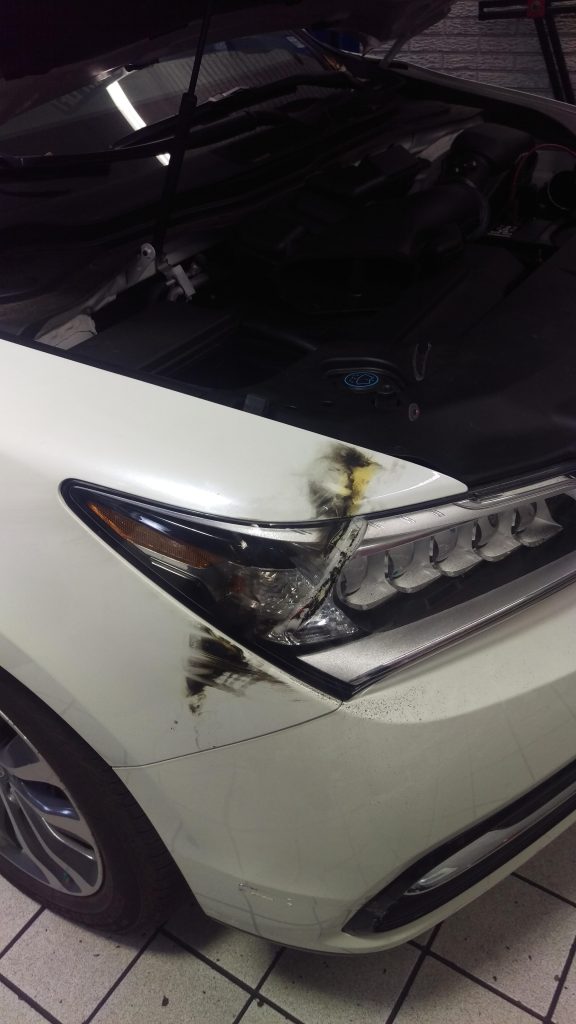
Have you ever accidentally hooked your car battery up backwards and suddenly found your car won’t start? It’s a frustrating moment that can leave you feeling stuck and worried about costly repairs.
But don’t panic just yet. You’ll discover exactly why this happens, what you can do right now, and how to avoid making the same mistake again. Keep reading—your car might just need a simple fix to get back on the road.

Credit: www.reddit.com
Signs Of Reverse Battery Connection
Connecting a car battery backwards can cause serious issues. Recognizing the signs early helps prevent further damage. Many drivers miss these warning signals until the car won’t start. Knowing what to look for saves time and money. Here are some common signs that indicate a reverse battery connection.
Common Symptoms
- Car engine fails to start despite turning the key.
- Clicking sounds or no sound at all when trying to start.
- Burning smell near the battery area.
- Smoke coming from under the hood.
- Electrical components like headlights or dashboard lights won’t work.
- Battery terminals or cables feel hot to touch.
- Fuses blowing repeatedly.
Electrical Warning Indicators
- Dashboard warning lights flash or stay on constantly.
- Battery light or check engine light appears.
- Radio, power windows, or other electronics stop functioning.
- Car’s computer system resets or malfunctions.
- Unusual noises from the fuse box or wiring.
- Voltage gauge shows abnormal readings.
Credit: www.coloradofans.com
Immediate Safety Measures
Dealing with a car that won’t start after hooking the battery up backwards is stressful, but your first focus must be safety. Electrical mishaps can cause sparks, burns, or even damage to your vehicle’s electronics. Taking quick and correct safety steps can prevent injuries and stop further harm to your car.
Disconnecting The Battery
Before you do anything else, disconnect the battery immediately. This stops any electrical current that might be causing damage or creating sparks. Use a wrench to loosen the negative terminal first, then the positive one.
Keep in mind: unplugging the battery prevents short circuits and potential fires. Have a flashlight ready if you’re working in low light. If you notice smoke or a burning smell, step back and call a professional instead.
Protective Gear And Precautions
Always wear protective gear when handling your car battery. Safety goggles shield your eyes from acid splashes, and gloves protect your hands from electric shocks and corrosive substances. Long sleeves and sturdy shoes add extra protection.
Have baking soda and water nearby to neutralize battery acid if it leaks. Avoid touching your face or eyes while working on the battery. Ask yourself: are you fully prepared to handle unexpected sparks or acid spills?
Assessing Battery And Vehicle Damage
Connecting a car battery backward can cause serious damage. Assessing the battery and vehicle condition is crucial before attempting a restart. This section guides you through checking the battery health and inspecting the fuses and wiring. These steps help identify issues and prevent further damage.
Checking Battery Health
Start by examining the battery for visible damage. Look for cracks, swelling, or leaks on the battery case. These signs indicate severe damage and the need for replacement.
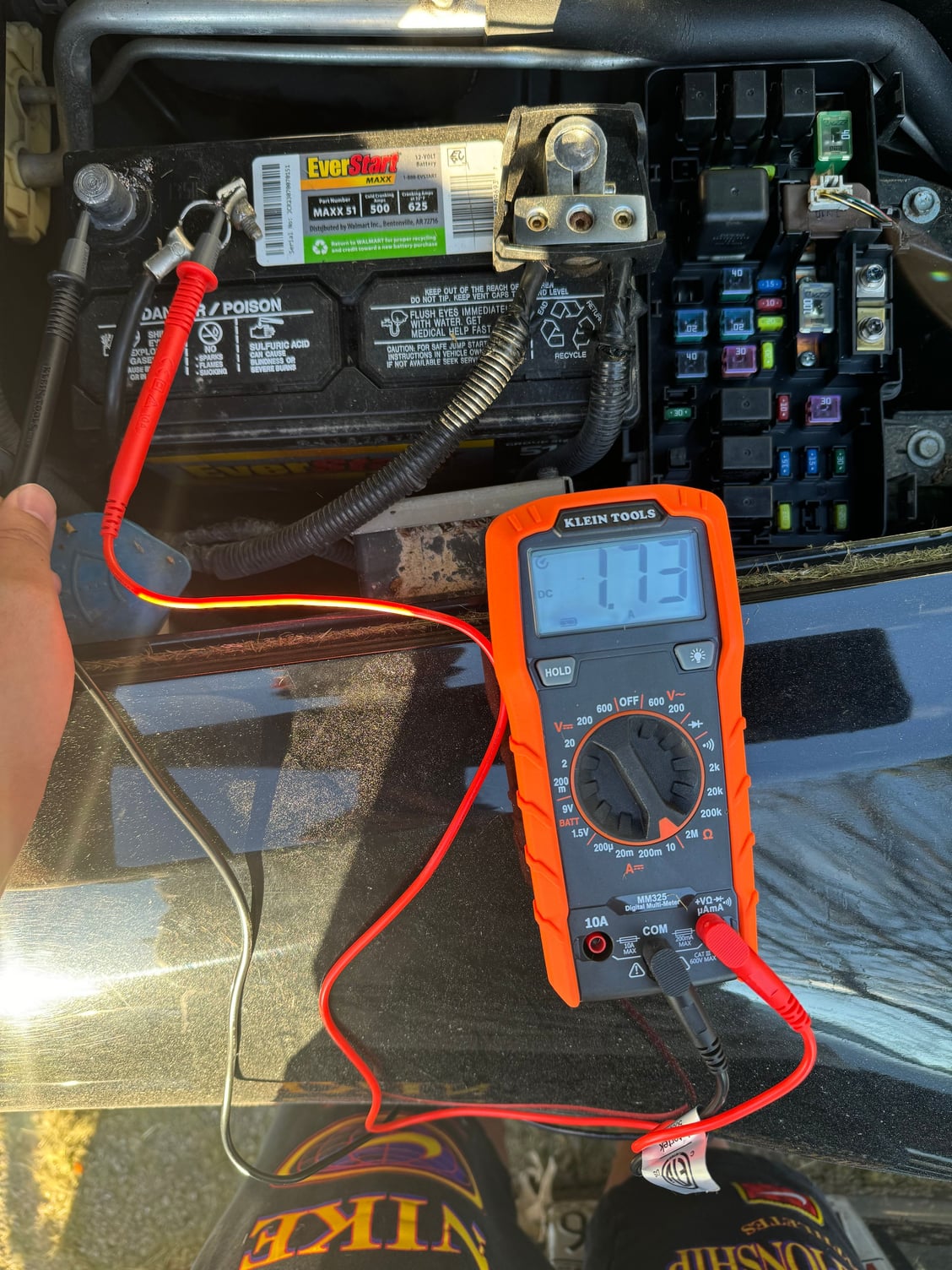
Use a multimeter to measure the battery voltage. A healthy battery should show around 12.6 volts when the engine is off. Readings below 12 volts suggest a weak or dead battery.
Test the battery under load if possible. Load testing reveals if the battery holds charge during use. Many auto shops offer this service for free or a small fee.
Inspecting Fuses And Wiring
Check the fuse box for blown fuses. A blown fuse often looks blackened or broken inside. Replace any damaged fuses with the correct rating.
Examine wiring connected to the battery and starter. Look for melted insulation, burnt spots, or loose connections. Damaged wiring can cause shorts or prevent the car from starting.
Pay close attention to the battery terminals. Clean any corrosion and ensure tight connections. Corroded or loose terminals reduce electrical flow and cause starting issues.
Resetting The Car’s Electrical System
Reversing battery cables can cause electrical issues and prevent the car from starting. Resetting the car’s electrical system may clear errors and restore normal function. Disconnect the battery, wait a few minutes, then reconnect to reset the system safely.
Resetting the car’s electrical system can feel daunting, especially after a mishap like hooking up the battery backwards. This common mistake can lead to a car that refuses to start, leaving you puzzled and frustrated. But don’t worry, with a bit of patience and the right steps, you can get your car back in working order.Removing And Reinstalling The Battery
The first step is to safely remove the battery. Always start by disconnecting the negative terminal, marked with a minus sign (-). This prevents accidental short circuits or sparks. Once the negative terminal is off, you can disconnect the positive terminal. Carefully lift the battery out, ensuring you don’t tip it over to avoid spilling any battery acid. Reinstall the battery by reversing these steps. Connect the positive terminal first, followed by the negative. This simple reversal can help avoid electrical mishaps.Resetting Ecu And Electronics
After reinstalling the battery, the car’s Electronic Control Unit (ECU) may need resetting. This is essentially the vehicle’s brain, managing everything from engine timing to fuel delivery. To reset the ECU, start by turning the ignition to the ‘on’ position without starting the engine. Leave it in this position for a few minutes. Turn off the ignition completely, then start the car. This should reset the ECU and help recalibrate the electronics. Are you worried about losing your radio presets or clock settings? These minor inconveniences are small prices to pay for getting your car back on the road. Remember, mishaps happen to everyone. The key is learning how to address them and prevent them in the future.When To Seek Professional Help
Hooking the battery backward can cause serious problems. Some issues may look small but need expert care. Knowing when to call a professional can save time and money. It also prevents further damage to your car’s electrical system.
Signs Of Serious Electrical Damage
Some signs show the damage is more than just simple. Watch for these warning signals:
- The car does not start after several tries.
- Smoke or burning smell near the battery or engine.
- Electrical components like lights or radio fail to work.
- Sparks or unusual sounds when turning the key.
- Dashboard warning lights stay on or flash rapidly.
These signs suggest the battery or wiring may be damaged. Avoid trying to fix these problems alone.
Choosing The Right Mechanic
Pick a mechanic with experience in electrical issues. Check if they have good reviews from other customers. Ask if they use proper tools and parts for repairs.
Look for a mechanic who can explain the problem clearly. They should provide a detailed estimate before starting work. This helps avoid surprises and extra costs.
A skilled mechanic can fix issues safely and quickly. They also offer advice to prevent future problems.
Credit: www.s2ki.com
Preventing Future Battery Installation Errors
Installing a car battery correctly is vital to avoid starting problems. A backward battery connection can damage your vehicle and cause frustration. Preventing such errors saves time, money, and stress.
Simple habits and tools help ensure the battery goes in the right way. Knowing the battery parts and marking them clearly makes a big difference. Safety gear also protects you and the car during installation.
Battery Terminal Identification
Each battery terminal has a clear mark. The positive terminal usually has a plus sign (+) and is often red. The negative terminal shows a minus sign (–) and is usually black.
Before installation, check these signs carefully. Match the battery terminals with the car’s cable ends. Never force connections that don’t fit easily.
- Look for the plus (+) and minus (–) symbols.
- Note the color of the terminals: red for positive, black for negative.
- Confirm the car’s cable ends match the battery terminals.
Using Protective Tools And Labels
Protective tools reduce the chance of mistakes and injuries. Use insulated gloves and safety glasses during battery work. These protect against sparks and acid leaks.
Labels help identify terminals and cables quickly. Attach color-coded tags to the battery cables. Mark positive and negative ends clearly with stickers or tape.
- Wear insulated gloves and eye protection.
- Use color-coded labels on battery cables.
- Place stickers on terminals to avoid confusion.
Frequently Asked Questions
Can Reversing Battery Cables Damage My Car’s Electrical System?
Yes, reversing battery cables can cause electrical damage. It may blow fuses, harm the alternator, or damage wiring. Immediate inspection and repair are crucial to prevent further issues and ensure your car functions properly.
Why Won’t My Car Start After Hooking Battery Up Backwards?
Connecting the battery backwards can trigger the car’s safety systems. It may blow fuses or damage the starter motor. As a result, the engine won’t crank or start until the issue is fixed.
How Can I Fix A Car That Won’t Start After Reverse Battery Hookup?
First, disconnect the battery and check all fuses for damage. Replace any blown fuses. If the car still won’t start, consult a mechanic to inspect the alternator and starter motor for damage.
Is It Safe To Jump-start A Car With Reversed Battery Connection?
No, jump-starting a car with reversed battery cables is unsafe. It can cause sparks, further electrical damage, or battery explosion. Always ensure correct battery polarity before jump-starting to avoid hazards.
Conclusion
Hooking a car battery backward can cause serious problems. Your car may not start because of electrical damage. Check the battery and connections carefully before trying again. Sometimes a mechanic’s help is needed to fix the issue safely. Always connect the positive and negative cables to the right terminals.
Taking quick action can prevent more damage to your car’s system. Stay calm and follow the right steps to get back on the road soon.