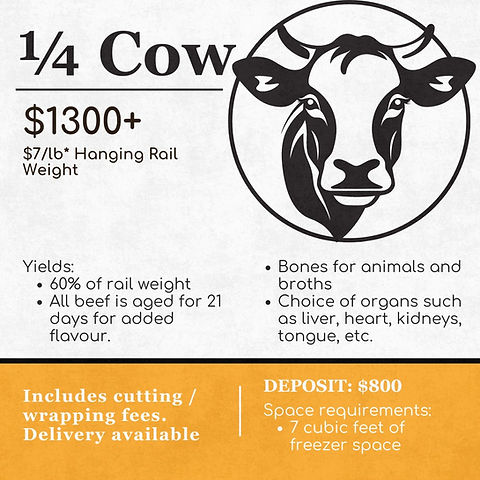
If you’ve ever wondered how big of a freezer you need for 1/4 of a cow, you’re in the right place. Storing that much meat can feel overwhelming if you don’t have the right space.
Choosing the perfect freezer size isn’t just about fitting the meat inside—it’s about keeping your food fresh, saving money, and making your life easier. You’ll discover exactly how much freezer space you need and tips to help you make the best choice for your home.
Keep reading to find out what works best for you and your meat storage needs.

Credit: snakeriverfarms.com
Freezer Size Basics
Choosing the right freezer size for storing one-quarter of a cow is crucial. You want enough space to keep the meat fresh without overcrowding. Understanding freezer size basics helps you avoid common storage problems and makes your meat last longer.
Factors Influencing Freezer Capacity
How much space do you really need? A quarter of a cow typically yields around 100 to 150 pounds of meat. This amount requires roughly 4 to 6 cubic feet of freezer space, but several factors can change this estimate.
- Packaging style:Vacuum-sealed packages take up less room than loosely wrapped meat.
- Additional items:Will you store other food alongside the beef? This affects your total space needs.
- Freezer organization:Efficient use of shelves and baskets can maximize your capacity.
Have you considered how often you’ll access the freezer? Frequent opening affects temperature stability, which might require more space to prevent thawing. Also, think about future needs—will you store more meat later?
Types Of Freezers Available
Choosing the right type of freezer is as important as its size. Different freezers offer unique benefits that influence how well your meat stays fresh.
| Freezer Type | Pros | Cons |
|---|---|---|
| Chest Freezer | More energy efficient, better at maintaining cold temperatures, larger capacity for the price | Bulky, takes up floor space, harder to organize |
| Upright Freezer | Easy to organize and access, smaller footprint | Less energy efficient, usually more expensive per cubic foot |
Which type fits your lifestyle better? If you prefer quick access and neat organization, an upright freezer might be your choice. If you want more space and efficiency, a chest freezer could serve you well.

Credit: www.reddit.com
Calculating Meat Yield From 1/4 Cow
Calculating how much meat you get from a quarter of a cow is key to deciding the right size of freezer you need. Knowing the meat yield helps you plan storage space and budget accurately. Let’s break down the numbers so you can see what to expect in terms of weight and usable meat.
Average Weight Of A Quarter Cow
A quarter cow typically comes from dividing a whole cow into four equal parts, but weights can vary. On average, a quarter cow weighs between 150 and 200 pounds before processing. This weight includes bones, fat, and other parts that won’t end up as edible meat.
Keep in mind that the exact weight depends on the breed, age, and size of the animal. If you have a local butcher or farmer, ask for specifics about their cattle to get a more accurate figure. Knowing this upfront helps avoid surprises when your meat is ready.
Usable Meat After Processing
After butchering, expect to get about 65% to 70% of the quarter cow’s live weight as usable meat. So, from a 180-pound quarter, you might get around 117 to 126 pounds of trimmed steaks, roasts, and ground beef. Bones, fat trimmings, and other waste reduce the total weight.
Different cuts yield different amounts of meat. For example, ground beef usually makes up a big chunk, while premium steaks are less in weight but higher in value. When planning your freezer space, factor in packaging too, which adds volume but not much weight.
Have you checked how much freezer space you currently have? Calculating this can help you avoid buying too small or too large a freezer. Better to measure your space and compare it with the expected meat yield before making a purchase.
Recommended Freezer Capacity
Choosing the right freezer for a quarter cow is important. It ensures the meat stays fresh and safe. A properly sized freezer helps in organizing and accessing your meat easily. Understanding the recommended freezer capacity makes your choice simpler. Let’s explore the ideal size needed.
Storage Space Per Pound Of Meat
Each pound of meat needs about 1 cubic foot of space. This allows for proper air circulation and prevents overcrowding. It helps maintain the meat’s quality over time. More space means better organization of different cuts.
Ideal Freezer Size For 1/4 Cow
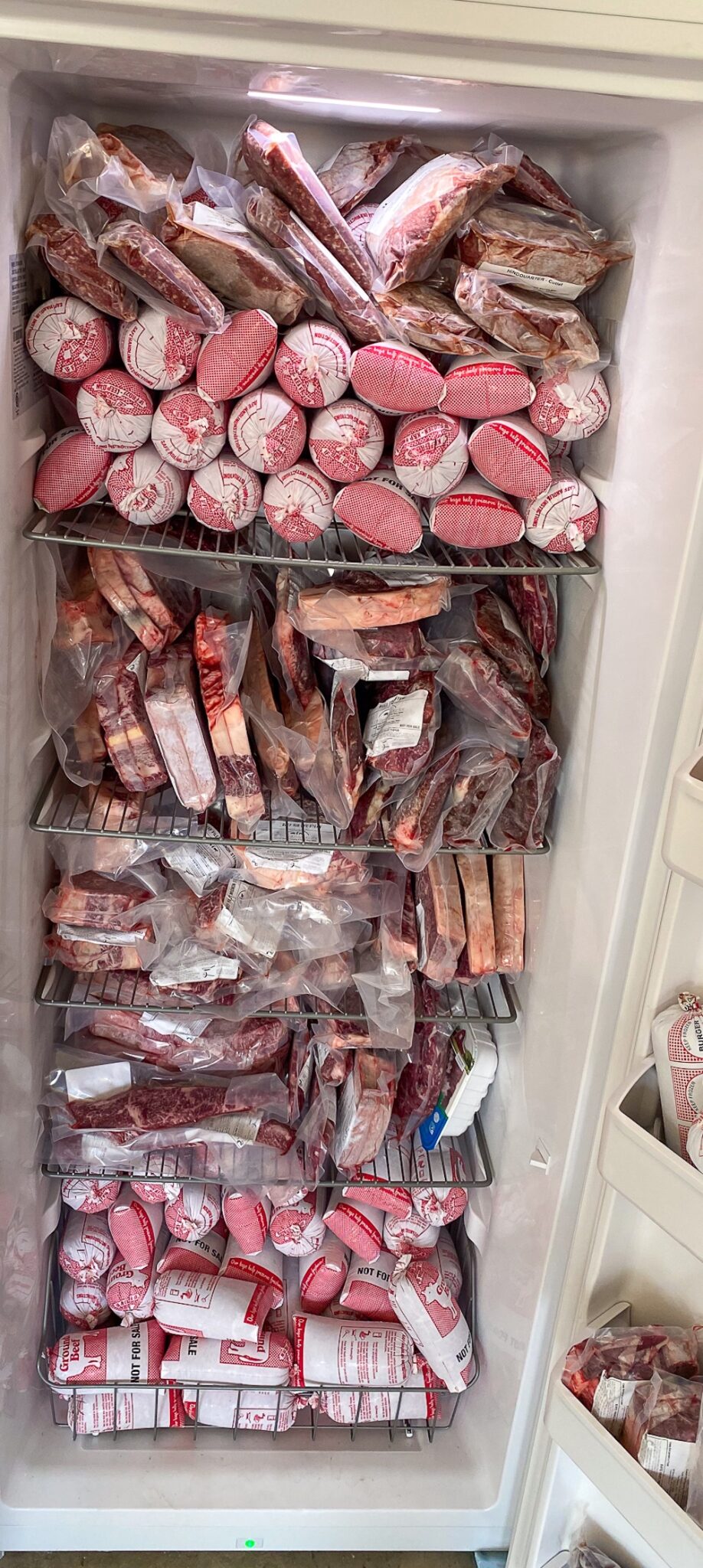
A quarter cow typically weighs around 100-125 pounds. To store this, you need a freezer with 4-5 cubic feet of space. This size accommodates all the meat comfortably. You can store different cuts without any hassle. This capacity ensures that your meat remains fresh and easy to access. Remember, a little extra space is always better for organization.
Credit: mytxkitchen.com
Freezer Organization Tips
Organizing a freezer for a quarter cow can save space and reduce waste. Proper organization helps find items quickly and keeps meat fresh longer. It also makes the best use of the freezer’s capacity. Simple tips can improve storage and protect your meat supply.
Packaging For Maximum Space
Use flat, stackable packages to save room. Vacuum seal meat to prevent freezer burn and keep it fresh. Avoid bulky containers that waste space. Cut large pieces into smaller portions for easier storage and thawing. Use freezer-safe bags or containers that fit neatly together.
Labeling And Inventory Management
Label every package clearly with the date and type of meat. Use waterproof markers or printed labels for durability. Keep an inventory list outside the freezer. Update the list when adding or removing items. This practice reduces forgotten food and helps plan meals better.
Energy Efficiency Considerations
Energy efficiency plays a key role when choosing a freezer for 1/4 cow. A large freezer uses a lot of power. Reducing energy use saves money and helps the environment. Choosing the right freezer and taking care of it keeps it working well and lowers energy bills.
Choosing Energy Star Rated Freezers
Energy Star rated freezers use less electricity than regular models. They meet strict energy-saving standards. These freezers help reduce power bills without losing performance. Look for models with good insulation and efficient compressors. These features keep the cold air inside longer. This means the freezer runs less often and uses less power.
Maintaining Optimal Freezer Performance
Keep the freezer clean and frost-free. Frost build-up makes the freezer work harder and use more energy. Check door seals regularly to ensure no cold air escapes. Avoid placing the freezer near heat sources or in direct sunlight. Set the temperature to the recommended level, usually around 0°F (-18°C). Regular maintenance helps the freezer run smoothly and cuts energy waste.
Budgeting For Your Freezer Purchase
Budgeting for your freezer purchase is essential when storing meat from one-fourth of a cow. The right freezer size balances cost and storage needs. Spending wisely ensures you get value without overspending. Understanding costs helps avoid surprises later.
Cost Vs Capacity Analysis
Freezers come in various sizes and prices. Larger capacity usually costs more upfront. But bigger freezers store more meat without crowding. Small freezers are cheaper but might not hold all the meat comfortably.
- Check price per cubic foot to compare models.
- Consider space you have at home for the freezer.
- Think about future needs beyond one 1/4 cow.
Choosing a freezer too small means buying another one soon. Too large wastes money and space. Aim for a size that fits your current and short-term needs.
Long-term Savings And Investment
Energy-efficient freezers cost more initially but save money over time. Look for models with good energy ratings. Lower electricity bills add up to big savings.
- Consider durability and brand reliability for fewer repairs.
- Good insulation keeps meat fresh longer, reducing waste.
- A freezer with smart temperature control protects your meat better.
Think of the freezer as an investment. Spending a bit more now can reduce costs later. This helps keep your meat safe and your budget steady.
Frequently Asked Questions
How Much Freezer Space For 1/4 Cow Meat?
You need about 20 to 25 cubic feet of freezer space. This size stores a 1/4 cow’s meat safely and neatly. Proper organization helps maximize the space and maintain freshness.
What Freezer Type Is Best For Storing 1/4 Cow?
Chest freezers are ideal for storing large meat portions like 1/4 cow. They maintain consistent temperatures and offer more usable space. Upright freezers work but may have less storage efficiency.
How Long Can 1/4 Cow Meat Stay Frozen?
Properly stored, 1/4 cow meat lasts 6 to 12 months in the freezer. Use airtight packaging to prevent freezer burn. Label packages with dates for easy tracking.
Can A Standard Freezer Hold 1/4 Cow Meat?
Most standard home freezers may be too small. A dedicated chest freezer with at least 20 cubic feet is recommended. This ensures enough space without overcrowding.
Conclusion
Choosing the right freezer size for one-fourth of a cow matters. A freezer with 15 to 20 cubic feet usually fits well. It keeps meat fresh and saves space. Think about how much meat you will store. Also, consider freezer type and your kitchen size.
Proper freezer size helps avoid food waste and saves money. Now you know what freezer size fits your needs. Take your time to pick the best one for your home.