Choosing the right size air conditioner for your space is more important than you might think. If your unit is too small, it will struggle to keep you cool and run constantly, driving up your energy bills.
If it’s too big, it will cool the room quickly but leave it damp and uncomfortable. So, how big should your air conditioner be? You’ll discover simple ways to find the perfect fit for your home or office. Keep reading to make sure you stay cool, comfortable, and save money all summer long.
Factors Affecting Ac Size
Choosing the right size air conditioner is important for comfort and energy use. Too small or too large units can cause problems. Several factors affect the size you need.
Understanding these factors helps you pick the best AC for your space. Let’s explore the main points to consider.
Room Dimensions
The size of the room plays a big role in AC sizing. Larger rooms need more cooling power. Measure the length, width, and height to find the total volume.
Keep in mind that higher ceilings require more cooling than standard ones.
Insulation Quality
Good insulation keeps cool air inside and hot air outside. Poor insulation means the AC works harder. Check walls, ceilings, and floors for insulation levels.
- Well-insulated rooms need smaller AC units
- Poorly insulated rooms require larger AC units
- Windows and doors also affect insulation quality
Window Exposure
The number and size of windows impact cooling needs. South and west-facing windows get more sun. This adds heat to the room.
| Window Direction | Heat Gain Level |
| North | Low |
| East | Moderate |
| South | High |
| West | High |
Occupant Number
Each person adds body heat to the room. More occupants mean more cooling is needed. Consider how many people usually stay in the room.
Appliance Heat Output
Devices like computers, TVs, and ovens produce heat. This extra heat raises the room temperature. Count the number of heat-producing appliances.
- Lighting
- Kitchen appliances
- Electronics
- Heaters or other heat sources
Credit: www.carrier.com
Measuring Your Space
Choosing the right size air conditioner depends on your room size. Measuring your space helps find the best fit.
Use simple tools to get accurate room measurements. This step makes your air conditioner work well and save energy.
Calculating Square Footage
Square footage is the area of your room in feet. It is important for sizing your air conditioner properly.
Measure the length and width of your room. Multiply these two numbers to get the square footage.
- Measure the longest wall for length
- Measure the shortest wall for width
- Multiply length by width (length × width)
- Example: 15 ft × 12 ft = 180 sq ft
Ceiling Height Impact
Taller ceilings mean more air volume to cool. Standard ceiling height is about 8 feet.
If your ceiling is higher than 8 feet, you need a larger air conditioner. This keeps the room cool evenly.
- 8 feet or less: use standard size calculation
- Above 8 feet: increase size by 10% to 20%
- Very tall rooms may need special cooling solutions
Room Layout Considerations
Room shape and furniture affect how air moves. Open spaces cool easier than cluttered rooms.
Windows and doors also change cooling needs. South-facing windows may add heat during the day.
- Large windows increase cooling needs
- High ceilings or open stairs can affect airflow
- Furniture placement can block air vents
- Consider sun exposure when sizing the unit
Btu And Cooling Capacity
Choosing the right air conditioner size is key for comfort. The size depends on BTU and cooling capacity.
BTU measures how much heat an AC can remove from a room. Let’s explore what BTU means and how to pick the right size.
What Is Btu
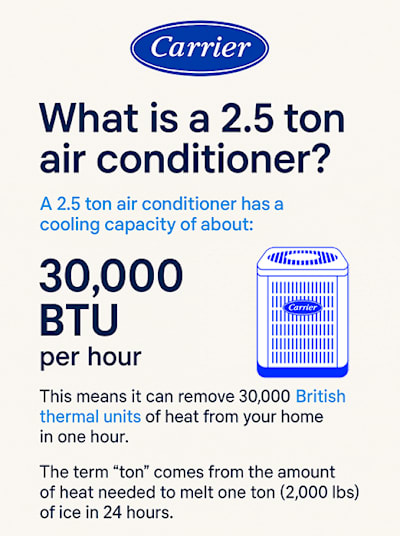
BTU stands for British Thermal Unit. It shows how much heat an air conditioner can remove in one hour.
The higher the BTU, the more cooling power the unit has. This helps cool larger rooms or hotter spaces faster.
Btu Requirements By Room Size
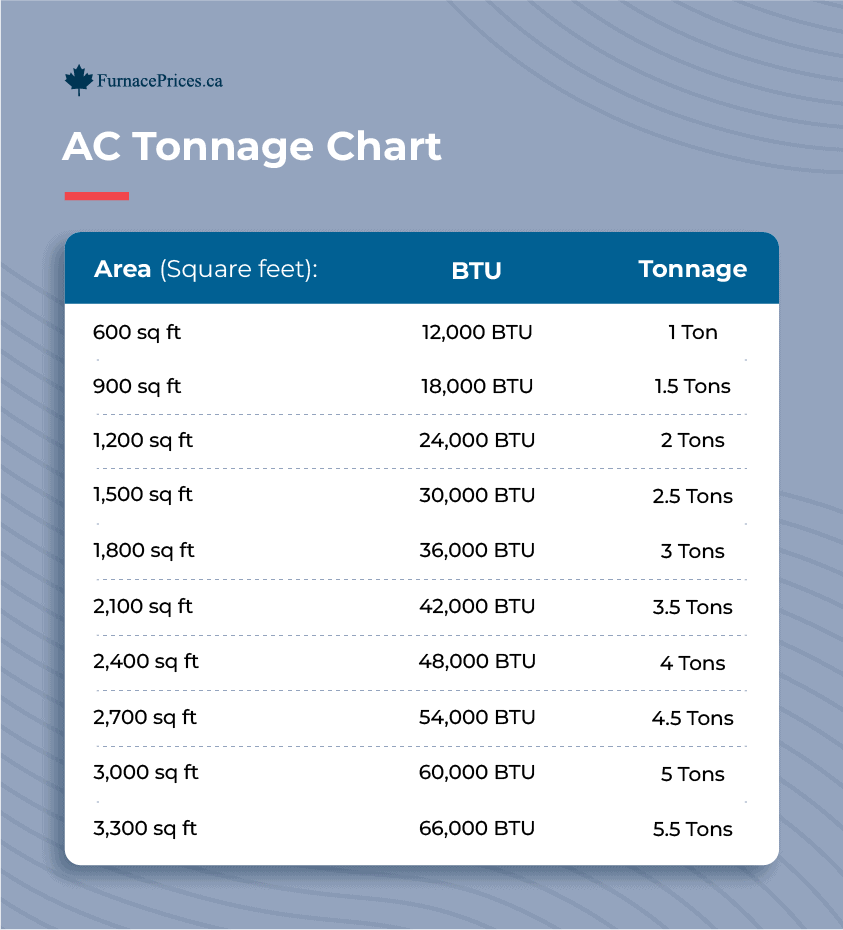
Different room sizes need different BTU levels. Using the right BTU avoids wasting energy or under-cooling.
| Room Size (sq ft) | Recommended BTU |
|---|---|
| Up to 150 | 5,000 BTU |
| 150 – 250 | 6,000 – 8,000 BTU |
| 250 – 350 | 8,000 – 10,000 BTU |
| 350 – 450 | 10,000 – 12,000 BTU |
| 450 – 550 | 12,000 – 14,000 BTU |
Use this table as a guide. Measure your room’s square footage before buying an AC unit.
Adjusting For Climate
Climate affects how much cooling you need. Hotter areas require ACs with higher BTU capacity.
- If you live in a hot climate, add 10% to 20% more BTU.
- For cooler climates, the base BTU from room size may be enough.
- High humidity needs extra cooling power to remove moisture.
Types Of Air Conditioners
Choosing the right air conditioner size depends on the type you select. Different types offer unique features and installation methods. Understanding these can help you pick the best fit for your space.
Here are the main types of air conditioners to consider. Each has different cooling capacities and uses.
Window Units
Window units are compact air conditioners installed in a window. They cool a single room and are easy to install. These units are affordable and good for small spaces.
- Cool only one room
- Require a window for installation
- Easy to remove or replace
- Often include a fan and dehumidifier
Split Systems
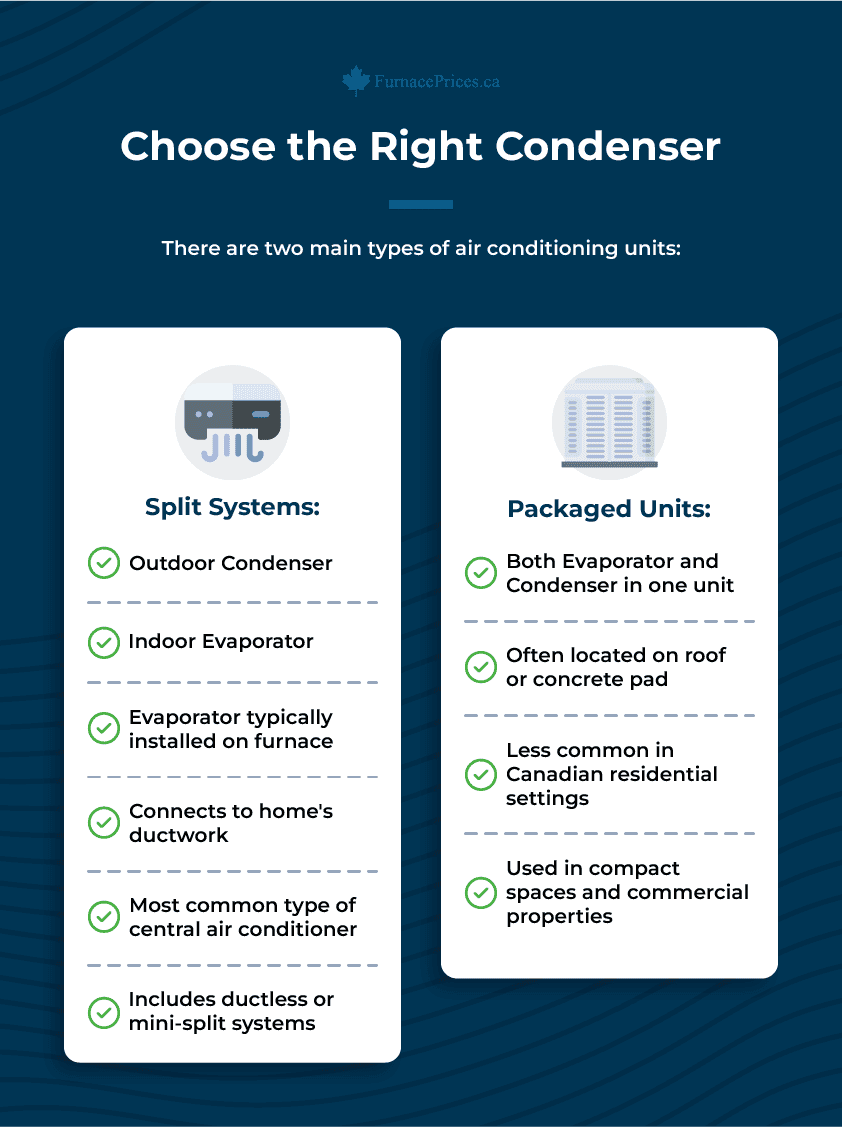
Split systems have two parts: an indoor unit and an outdoor compressor. They are quieter and more efficient than window units. These units cool larger areas and offer better air quality.
Split systems are common in homes and small offices. They need professional installation but provide flexible cooling.
Portable Acs
Portable air conditioners can be moved from room to room. They have a hose to vent hot air outside through a window. These units are good for renters or temporary cooling needs.
- Easy to move and set up
- Do not require permanent installation
- Less efficient than split systems
- May be noisy due to internal fans
Central Air Conditioning
Central air conditioning cools entire homes or buildings through ducts. It is the most efficient for large spaces. This system requires professional design and installation.
| Feature | Details |
| Coverage | Whole house or building |
| Installation | Ductwork and central unit needed |
| Cost | Higher upfront but efficient long-term |
| Control | Thermostat controlled, zoned options available |
Choosing The Right Size
Choosing the right size air conditioner is important. A unit that fits your space cools better and saves energy.
Size depends on room size, insulation, and climate. Picking the right size keeps you comfortable all year.
Risks Of Oversizing
An oversized air conditioner cools the room too fast. It shuts off quickly without removing enough humidity.
This causes the room to feel damp and uncomfortable. The system also wastes energy and wears out faster.
- Higher energy bills due to short cycles
- Increased wear and tear on the unit
- Poor humidity control causing discomfort
- Louder noise from frequent starts and stops
Dangers Of Undersizing
An undersized air conditioner runs all the time but can’t cool the room well. It struggles on hot days.
This constant running raises your energy costs. It can also cause early breakdowns and less comfort.
- Inadequate cooling during peak heat
- Higher electricity use from nonstop running
- More repairs and shorter unit life
- Uncomfortable indoor temperatures
Energy Efficiency Considerations
Choosing the right size improves energy efficiency. The unit runs at the right speed and time.
Proper sizing helps lower your electricity bills and reduces wear. It keeps your home comfy and saves money.
- Right size equals balanced energy use
- Less wear means fewer repairs
- Better humidity control for comfort
- Longer lifespan for your air conditioner
Credit: www.furnaceprices.ca
Professional Sizing Methods
Choosing the right size air conditioner is important. A unit that is too big or too small can waste energy and money.
Experts use professional methods to find the perfect size for your home. These methods help keep your space cool and save energy.
Manual J Load Calculation
Manual J is a detailed process to find the cooling needs of your home. It measures heat gain and loss in each room.
The calculation looks at factors like room size, windows, insulation, and sun exposure. It helps pick the right air conditioner size.
- Measures square footage of each room
- Checks insulation and window types
- Considers local climate and sun exposure
- Calculates heat from lights and appliances
- Determines total cooling load in BTUs
Consulting Hvac Experts
HVAC experts use their training and tools to size air conditioners correctly. They apply Manual J and other methods during their assessment.
Experts visit your home to check conditions and ask questions. They ensure the system fits your needs and budget.
- Perform on-site measurements and inspections
- Analyze your home’s unique cooling needs
- Recommend systems based on energy efficiency
- Help avoid common sizing mistakes
- Provide professional advice and support
Installation Tips
Choosing the right size air conditioner is important. Proper installation helps it run well and last longer.
Good installation saves energy and keeps your home comfortable all year. Here are tips to install your air conditioner.
Optimal Placement
Place the air conditioner where air can flow freely. Avoid spots near heat sources or direct sunlight. Install it high on the wall for better cooling.
- Keep the unit away from windows that get strong sun
- Allow at least 12 inches of clearance around the unit
- Do not block vents with furniture or curtains
- Choose a shaded area outside for the compressor
Sealing And Insulation
Seal gaps around the air conditioner to keep cool air inside. Insulate walls and windows to stop heat from entering. This reduces the load on the unit.
| Sealing Task | Recommended Material | Benefit |
| Window gaps | Weatherstripping | Stops air leaks |
| Wall openings | Caulk | Blocks drafts |
| Door frames | Door sweeps | Keeps out warm air |
| Insulation | Foam or fiberglass | Improves temperature control |
Regular Maintenance
Keep your air conditioner clean and checked. Regular care helps it work better and last longer. Replace filters and check parts often.
- Clean or replace air filters every 1 to 3 months
- Clear debris from the outdoor unit
- Check for refrigerant leaks
- Schedule professional servicing yearly
Credit: www.furnaceprices.ca
Cost Implications
Choosing the right size air conditioner affects your costs. A unit too big or too small can increase expenses.
Understanding cost areas helps you decide the best size for your needs and budget.
Initial Investment
Bigger air conditioners cost more to buy and install. Smaller units cost less upfront.
Choosing the right size can save money at the start by avoiding unnecessary costs.
- Large units need bigger ducts and wiring
- Installation time increases with size
- Smaller units use fewer materials
Operating Expenses
Air conditioners use electricity to cool your space. Bigger units use more power.
Running a too large unit wastes energy and raises your bills. A properly sized unit runs efficiently.
- Energy use depends on unit size and usage time
- Oversized units cycle on and off often, wasting power
- Smaller, efficient units reduce monthly bills
Long-term Savings
Correctly sized air conditioners last longer and need fewer repairs. This lowers long-term costs.
Saving energy also means saving money over years. Oversized units may break down sooner.
- Right size reduces wear and tear
- Lower energy use saves money over time
- Less maintenance keeps costs down
Frequently Asked Questions
How Do I Calculate The Right Ac Size For My Room?
Measure your room’s square footage and multiply by 25 BTUs. This gives a rough estimate of the needed cooling capacity for your air conditioner.
What Happens If My Air Conditioner Is Too Big?
An oversized AC cools quickly but cycles off too soon, causing humidity issues and higher energy bills. Proper sizing ensures efficiency and comfort.
Can A Small Air Conditioner Cool A Large Space?
No, a small AC won’t adequately cool a large room. It will run constantly and struggle to maintain a comfortable temperature.
Why Is Btu Important In Choosing An Air Conditioner?
BTU measures cooling power. Matching BTUs with room size ensures efficient cooling, energy savings, and consistent comfort without overworking the unit.
Conclusion
Choosing the right air conditioner size ensures comfort and energy efficiency. A unit that’s too large or small can lead to issues. Consider your room size, climate, and insulation. This helps find the perfect fit. Consulting a professional can also be helpful.
They offer expert advice tailored to your needs. Remember, proper maintenance keeps your air conditioner running smoothly. This saves energy and extends its lifespan. Make informed decisions for a comfortable home environment. Your comfort and savings depend on it. Stay cool and enjoy the benefits of the right-sized air conditioner.