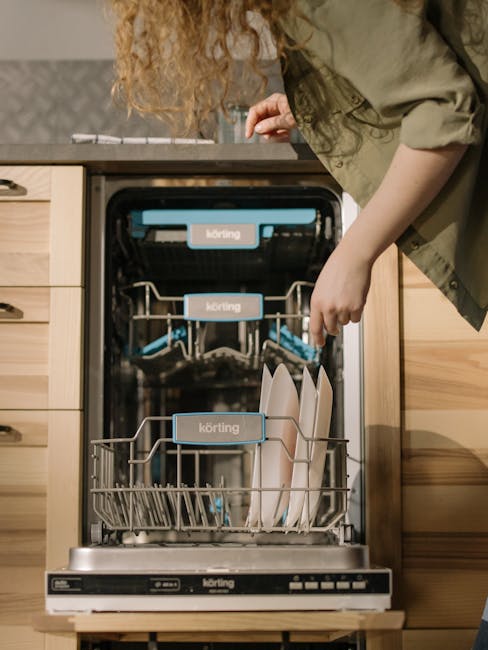
Are you tired of pulling out dishes from your dishwasher only to find food remnants clinging stubbornly to your plates? You’re not alone.
Many people face this frustration, and it often feels like you’re spending more time re-washing than actually enjoying spotless dishes. If you’re eager to boost the performance of your dishwasher and ensure it delivers sparkling results every time, you’re in the right place.
Imagine the peace of mind knowing each wash is efficient, saving you time and effort. Dive into this guide to discover simple yet effective tips that can transform your dishwasher into a cleaning powerhouse. Get ready to enjoy the satisfaction of truly clean dishes with minimal hassle.
Optimize Loading Techniques
Optimizing how you load your dishwasher can dramatically improve its cleaning efficiency. Small changes in arrangement can ensure every dish gets the attention it needs from the water jets and detergent. Are you making the most of your dishwasher’s design to get spotless results every time?
Arrange Dishes For Maximum Exposure
Place plates and bowls so their dirty surfaces face the spray arms. This allows water and detergent to reach all areas effectively. Avoid stacking items inside one another, as trapped dishes block water flow and reduce cleaning power.
Think about how you arrange glasses and cups, too. Position them at an angle to prevent water pooling and ensure thorough rinsing.
Avoid Overcrowding
Loading your dishwasher too full is a common mistake that lowers cleaning quality. If dishes are packed tightly, water spray can’t reach every surface.
Give each item enough space to allow water and detergent to circulate freely. It might mean running your dishwasher more often, but the results will be cleaner dishes without residue.
Place Items Based On Spray Arm Reach
Dishwashers usually have two or more spray arms that rotate to clean dishes. Place heavily soiled items on the bottom rack where the spray is strongest. Lighter items like glasses and plastic containers do better on the top rack.
Notice how your dishwasher’s spray arms move and place items accordingly. Are you positioning your dishes where they get the most direct spray?
Select The Right Detergent
Selecting the right detergent plays a key role in improving dishwasher cleaning. The detergent must match your dishwasher’s needs and the water quality. Using the proper detergent helps break down food, grease, and stains effectively. It also prevents residue buildup and keeps your dishes spotless.
Choose High-quality Detergents
High-quality detergents contain powerful enzymes and cleaning agents. These ingredients target tough stains and stuck-on food. Cheaper options may not dissolve well or clean thoroughly. Investing in a good detergent ensures better results and protects your dishwasher from damage.
Use The Correct Amount
Using too much detergent can leave a film on dishes and inside the machine. Too little detergent will not clean dishes properly. Follow the detergent packaging instructions carefully. Adjust the amount based on the load size and soil level. Proper dosing ensures a clean wash and avoids waste.
Consider Detergent Types For Water Hardness
Water hardness affects how well detergents work. Hard water contains minerals that can reduce detergent effectiveness. Some detergents include water softeners to handle hard water. For very hard water, choose detergents specifically made for it. This prevents spots and improves cleaning power.
Maintain Dishwasher Components
Maintaining dishwasher components is key to keeping your dishwasher running smoothly. Clean and well-kept parts ensure dishes come out spotless every time. Regular checks and cleaning help avoid buildup and blockages that reduce cleaning power.
Simple maintenance steps keep your dishwasher efficient and extend its life. These small tasks take little time but make a big difference in washing results. Focus on filters, spray arms, door seals, and racks for best performance.
Clean Filters Regularly
Filters catch food particles and debris during washing. Dirty filters block water flow and reduce cleaning quality. Remove filters and rinse them under running water every few weeks. Use a soft brush to clear stuck particles. Clean filters prevent odors and keep water spraying strong.
Inspect And Clear Spray Arms
Spray arms distribute water to clean dishes. Holes in spray arms can get clogged with mineral deposits or food bits. Remove spray arms and check for blockages. Use a toothpick or thin wire to clear any holes. Rinse spray arms before reinstalling. Clear spray arms ensure water reaches all dishes evenly.
Check Door Seals And Racks
Door seals keep water inside the dishwasher. Cracked or dirty seals cause leaks and reduce cleaning power. Wipe seals with a damp cloth regularly. Look for cracks or damage and replace if needed. Also, inspect racks for rust or broken parts. Damaged racks can hold dishes improperly, affecting cleaning results.

Credit: www.goodhousekeeping.com
Choose Appropriate Wash Cycles
Choosing the right wash cycle is key to getting your dishwasher to work at its best. Different loads and soil levels need different settings to clean effectively without wasting water or energy. Knowing how to pick the right cycle can save you time and leave your dishes spotless.
Match Cycle To Soil Level
Think about how dirty your dishes really are before selecting a cycle. Lightly soiled items only need a quick or delicate wash, which saves energy and prevents over-washing. For heavily soiled pots and pans, a longer, more intense cycle is necessary to break down tough food residues.
Have you noticed how using a heavy cycle for every load wastes water and energy? Tailoring the cycle to the soil level not only improves cleaning but also extends your dishwasher’s life.
Use Eco-friendly Settings When Suitable
Eco-friendly cycles use less water and lower temperatures to clean effectively. They are perfect for everyday dish loads that aren’t heavily soiled. Choosing this option reduces your environmental impact and cuts down on energy bills.
Consider running an eco cycle overnight or when you’re not in a rush. This way, you can save resources without sacrificing cleanliness.
Utilize High-temperature Options For Heavy Soils
High-temperature wash cycles help dissolve stubborn grease and baked-on food. These settings raise the water temperature to sanitize dishes and improve detergent performance. Use this option for baby bottles, cutting boards, or any heavily soiled cookware.
Have you ever tried a standard cycle and ended up with greasy spots? Switching to a high-temp cycle might be the simple fix that ensures your dishes come out sparkling every time.
Use Rinse Aid Effectively
Using rinse aid correctly helps your dishwasher clean better. It stops water spots and film on dishes. This makes plates, glasses, and utensils look shiny and fresh after every wash.
Rinse aid helps water slide off dishes. It lowers the surface tension of water. This prevents droplets from drying on dishes and leaving marks behind.
Benefits Of Rinse Aid
- Prevents water spots and streaks on dishes
- Improves drying performance by reducing water droplets
- Keeps glassware clear and shiny
- Helps remove stubborn food residues
- Protects dishwasher parts from mineral buildup
Adjust Rinse Aid Settings
Many dishwashers let you set the amount of rinse aid used. Check your user manual for instructions. Adjust the setting based on water hardness and dish cleanliness.
Use less rinse aid if spots appear sticky or cloudy. Increase the amount if water spots or streaks remain after washing. Small changes can improve results significantly.
Monitor Rinse Aid Levels
Always check the rinse aid dispenser before running the dishwasher. Refill it regularly to avoid running out. Low rinse aid means less effective cleaning and drying.
Most dishwashers have a light or indicator to show rinse aid levels. Watch this light closely and refill promptly. This simple step keeps your dishes spotless every time.

Credit: www.goodhousekeeping.com
Manage Water Quality
Water quality plays a key role in how well a dishwasher cleans your dishes. Hard water can leave spots and reduce detergent effectiveness. Managing water quality ensures your dishwasher works at its best and your dishes come out spotless.
Install Water Softener If Needed
Hard water contains minerals like calcium and magnesium. These minerals cause scale buildup inside the dishwasher. A water softener removes these minerals before water enters the machine. This prevents deposits on dishes and inside the dishwasher. Soft water improves detergent action and rinsing results. Check your water hardness level to decide if a softener is necessary.
Regularly Check Water Temperature
Water temperature affects cleaning power. The dishwasher should use water between 120°F and 150°F (49°C and 65°C). Cooler water reduces detergent effectiveness. Hot water dissolves grease and food better. Use a thermometer to check water temperature near the dishwasher. Adjust your water heater if needed to maintain the right temperature.
Avoid Cold Water Starts
Starting the dishwasher with cold water wastes energy and reduces cleaning. Cold water means longer cycles and more detergent use. The dishwasher must heat the water first, slowing the cleaning process. Run hot water at the sink before starting the dishwasher. This lets the machine fill with warm water immediately. It helps remove tough stains and cuts grease quickly.
Regular Dishwasher Cleaning
Keeping your dishwasher clean is key to maintaining its peak cleaning performance. Dirt, food particles, and soap scum can build up over time, reducing how well your dishwasher works. A regular cleaning routine not only improves efficiency but also extends the life of your appliance.
Run Cleaning Cycles Monthly
Running a dedicated cleaning cycle every month helps remove grease and residue from hard-to-reach places inside your dishwasher. Many dishwashers have a “clean dishwasher” option—use it regularly to keep the interior fresh.
If your model lacks this feature, run a hot water cycle with an empty dishwasher to flush out grime. This simple habit can prevent blockages and keep spray arms working properly.
Use Dishwasher Cleaners
Special dishwasher cleaning products are designed to dissolve mineral deposits and leftover food debris. Using these cleaners once a month can make a noticeable difference in your dishwasher’s performance.
Look for cleaners that target limescale and grease; they often come in powder, liquid, or tablet form. I once skipped this step, and my dishes emerged spotted and less clean—adding a cleaner fixed that immediately.
Prevent Mold And Odors
Mold and bad smells develop when moisture lingers inside the dishwasher. After each wash, leave the door slightly open to allow air circulation and drying.
Wipe down the rubber seals and door edges regularly to stop mold from settling. Have you checked your dishwasher’s filter lately? Cleaning or replacing it often can also keep odors at bay and improve water flow.

Credit: jalalelectronics.com
Frequently Asked Questions
How Do I Load A Dishwasher For Best Cleaning?
Load dishes with space between them for water flow. Place pots and pans on the bottom rack. Avoid overcrowding to ensure all surfaces get cleaned properly.
What Detergent Type Maximizes Dishwasher Cleaning Efficiency?
Use high-quality, phosphate-free detergent designed for dishwashers. Avoid using too much detergent as it can leave residue. Tablets and pods offer consistent cleaning performance.
How Often Should I Clean My Dishwasher?
Clean your dishwasher monthly to remove grease and debris. Use vinegar or specialized dishwasher cleaners. Regular maintenance prevents buildup and improves washing efficiency.
Can Rinse Aid Improve Dishwasher Cleaning?
Yes, rinse aid helps water sheet off dishes. It reduces water spots and improves drying. Always keep the rinse aid dispenser filled for optimal results.
Conclusion
Maximizing dishwasher cleaning means regular care and smart use. Keep filters clean to avoid food buildup. Use the right detergent for best results. Load dishes properly to allow water flow. Choose the correct wash cycle for your load. Check spray arms for clogs and clear them.
Run hot water before starting the dishwasher. These simple steps help dishes come out clean every time. A well-maintained dishwasher saves time and effort daily. Small actions make a big difference in cleaning power.