
Have you ever wondered how old your car tires really are? Knowing the age of your tires is more important than you might think.
Old tires can be unsafe, even if they look fine on the outside. But how can you tell when they were made? You’ll discover simple ways to check your tire’s age quickly. By the end, you’ll feel confident about whether your tires are still safe or if it’s time for a change.
Keep reading—you might be surprised at what you learn!
Tire Age Importance
Knowing the age of your car tires is important for safety and performance. Tires get older even if you do not use them much.
Old tires can cause accidents and reduce your car’s handling ability. Checking the tire age helps you stay safe on the road.
Safety Risks Of Old Tires
As tires age, their rubber breaks down. This can cause cracks and weak spots. Old tires are more likely to blow out while driving.
- Increased chance of tire blowouts
- Longer stopping distances
- Reduced grip on wet or icy roads
- Higher risk of accidents
Performance Impact
Tire age also affects how well your car drives. Old tires can lower fuel efficiency and make your ride less smooth.
| Performance Factor | Effect of Old Tires |
| Fuel Efficiency | Decreases by up to 10% |
| Handling | Less responsive steering |
| Ride Comfort | More vibrations and noise |
| Braking | Longer distances needed |
Finding The Manufacture Date
Knowing the age of a car tire helps keep your vehicle safe. Tires get old and may not work well after many years.
The manufacture date is on the tire itself. You can find it by reading special codes printed on the tire sidewall.
Locating The Dot Code
The DOT code shows the tire meets safety rules. It also holds the date the tire was made.
Look on the side of the tire for a string starting with “DOT”. This is usually on one side of the tire.
- The code starts with the letters “DOT”.
- It is followed by numbers and letters.
- The last four digits tell the week and year of manufacture.
Decoding The Date On Tires
The last four numbers in the DOT code show when the tire was made. The first two digits are the week.
The last two digits are the year. For example, “2319” means the 23rd week of 2019.
- First two digits: Week of the year (01 to 52)
- Last two digits: Year (last two numbers)
- Older tires may have only three digits in the code
Visual Tire Signs
Checking the age of a car tire is important for safety. You can find clues by looking at the tire’s surface and shape. Visual signs show how old and worn the tire is.
Two main signs to watch for are cracks and dry rot, and tread wear patterns. These signs tell you if the tire needs replacing.
Cracks And Dry Rot
Cracks appear on the tire sidewall or tread and mean the rubber is breaking down. Dry rot causes the tire to look dry and brittle. Both signs happen when tires get old.
- Look for small cracks around the tire edges.
- Check if the rubber feels hard or brittle.
- Notice any discoloration or fading on the tire surface.
- Dry rot can cause chunks of rubber to peel off.
Tread Wear Patterns
Tread wear shows how the tire has been used and its age. Uneven wear can mean the tire is old or not aligned properly.
| Wear Pattern | Possible Cause | What It Means |
|---|---|---|
| Center Wear | Overinflation | Tire wears faster in the middle. |
| Edge Wear | Underinflation | Edges wear faster than center. |
| One-Side Wear | Misalignment | Tire wears more on one side. |
| Patchy Wear | Suspension Issues | Uneven spots show damage or age. |

Credit: www.youtube.com
Tire Maintenance Records
Tire maintenance records help you learn the age of your car tires. These records show when tires were bought and checked.
Keeping good records can keep your tires safe and working well. Let’s look at how to find tire age from these records.
Checking Purchase Documents
Purchase documents like receipts or invoices show the exact date when tires were bought. This date helps find the tire’s age.
Look for tire brand, size, and purchase date in these papers. This info confirms if the tires are new or old.
- Find the receipt or invoice from the tire purchase
- Check the purchase date on the document
- Note tire brand and size to match with your tires
Service And Inspection Logs
Service and inspection logs track when tires were checked or replaced. These logs help you see tire use history.
Mechanics write down tire condition and any tire work done. This keeps track of tire safety and wear over time.
- Review the car’s service book or digital records
- Look for dates when tires were inspected or rotated
- Check notes on tire condition or replacement
- Use this info to estimate tire age and usage
Professional Inspection Tips
Knowing the age of your car tire is important for safety. Tires wear out over time, even if they look fine.
A professional inspection helps find the exact tire age and condition. Experts use special tools and knowledge.
When To Visit A Tire Expert
Visit a tire expert if you notice cracks, bulges, or uneven wear on your tires. These signs may mean the tire is old or damaged.
If your tires are more than five years old, it is smart to get a professional check. Even if they look okay, age can affect tire safety.
- Visible cracks or cuts on the tire sidewall
- Uneven or excessive tread wear
- Bulges or bubbles on the tire surface
- Tires older than five years
- Vibration or noise while driving
Tools Experts Use
Experts use tools to check tire age and condition. They read the DOT code to find the tire’s manufacture date.
They also use tread depth gauges to measure how much tread is left. This helps decide if the tire is still safe.
- DOT Code Reader:Finds the tire’s manufacture week and year.
- Tread Depth Gauge:Measures tire tread depth for wear.
- Visual Inspection Tools:Flashlights and magnifiers to see cracks or damage.
- Pressure Gauge:Checks if tire pressure is correct.

Credit: www.reddit.com
Replacing Old Tires
Car tires wear out over time and can become unsafe. Knowing the age of your tires helps you decide when to replace them.
Old tires lose grip and can cause accidents. It is important to check their age and condition regularly.
Recommended Tire Lifespan
Tires usually last about six years from the date they were made. Some tires may last up to ten years if they are stored well.
Even if the tread looks good, old tires can be unsafe. Rubber breaks down over time and causes cracks.
- Check the tire’s manufacture date on the sidewall.
- Replace tires that are over six years old.
- Inspect tires often for cracks and damage.
- Consider replacing tires after ten years no matter what.
Choosing New Tires
Pick new tires that fit your car and driving needs. Size and type matter for safety and comfort.
Look for tires with good tread and strong sidewalls. They help with grip and last longer.
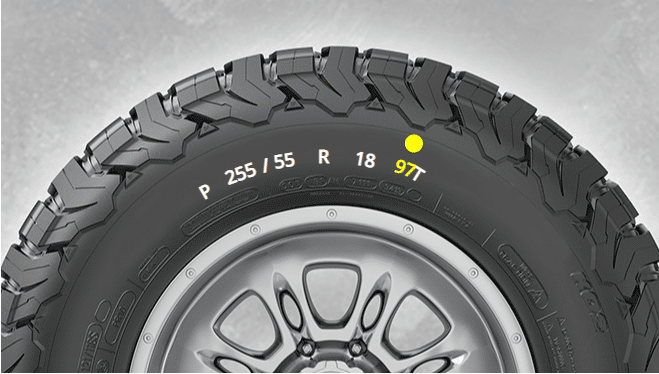
- Match tire size to your vehicle’s specifications.
- Choose tires for your usual weather and road conditions.
- Check tread depth and warranty before buying.
- Buy tires from trusted brands for quality.
Credit: www.bfgoodrichtires.com
Frequently Asked Questions
How Can You Determine Tire Age?
To determine a tire’s age, check the DOT code on its sidewall. This code indicates the week and year the tire was manufactured. The last four digits represent this information. For example, “2219” means the tire was made in the 22nd week of 2019.
What Is The Dot Code On A Tire?
The DOT code is a series of letters and numbers on a tire’s sidewall. It indicates the tire’s manufacturing details. The last four digits provide the week and year of production. This information helps determine the tire’s age.
Why Is Knowing Tire Age Important?
Knowing tire age is crucial for safety. Tires degrade over time, even if they appear fine. Older tires may have reduced grip and increased risk of failure. Regularly checking and replacing aged tires ensures optimal performance and safety on the road.
How Often Should You Check Tire Age?
Check your tire’s age at least once a year. This helps ensure they’re not too old for safe use. Regular checks, combined with visual inspections, can prevent accidents. Replace tires every six to ten years, regardless of tread condition.
Conclusion
Knowing a tire’s age helps keep your car safe on the road. Check the DOT code on the tire sidewall to find its manufacture date. Tires older than six years may not perform well and can be risky. Regularly inspecting your tires for age and wear can prevent accidents.
Don’t ignore small cracks or changes in tread. A simple check can save money and ensure safety. Stay aware and keep your tires in good shape for a smoother drive.