Have you ever wondered just how cold your air conditioner can actually get? Whether you’re battling a scorching summer day or simply want to create the perfect cool oasis at home, knowing your AC’s limits can make all the difference.
You might be surprised to learn what affects the temperature it can reach and how to get the most out of your unit. Keep reading, because understanding this could change the way you stay comfortable—and save you money too.
Air Conditioner Cooling Basics
An air conditioner cools the air inside a room by removing heat. It uses a cycle of refrigerant to absorb and release heat. This process lowers the temperature and makes the room comfortable.
Understanding how air conditioners work helps us know how cold they can get. Many factors affect their cooling power and efficiency.
How Ac Units Lower Temperature
Air conditioners use a refrigeration cycle to cool air. The main parts are the evaporator, compressor, condenser, and expansion valve. The refrigerant absorbs heat from inside and releases it outside.
- The evaporator coil absorbs heat from the indoor air.
- The compressor pumps the refrigerant to the condenser.
- The condenser releases heat to the outside air.
- The expansion valve lowers the pressure of the refrigerant.
- Cooled air is blown back into the room.
Factors Influencing Cooling Capacity
Several factors affect how cold an air conditioner can get a room. These include the unit’s size, room size, insulation, and outside temperature.
| Factor | Effect on Cooling |
| Unit Size | Larger units cool bigger rooms faster. |
| Room Size | Bigger rooms need more cooling power. |
| Insulation | Good insulation keeps cool air inside longer. |
| Outside Temperature | Hotter outside air makes cooling harder. |
| Airflow | Good airflow spreads cool air evenly. |
Credit: www.aiellohomeservices.com
Typical Temperature Range
Air conditioners cool indoor spaces by removing heat from the air. The temperature they can reach depends on several factors. Understanding the typical range helps set realistic expectations.
Most air conditioners cool rooms to a certain limit. This limit is affected by the type of unit and the room conditions. Let’s explore these limits and what affects them.
Minimum Achievable Temperatures
The lowest temperature an air conditioner can reach is not the same for every unit. Many factors determine this minimum limit. Typically, air conditioners cool between 16°C and 24°C (61°F to 75°F).
- Most units can cool down to about 16°C (61°F).
- Some models have a thermostat that stops at 18°C (64°F) for safety.
- Very few units can cool below 16°C (61°F), and they use special technology.
- Outdoor temperature also affects the minimum indoor temperature.
Impact Of Room Size And Insulation
Room size and how well it is insulated affect how cold an air conditioner can make it. Large or poorly insulated rooms need more cooling power.
| Factor | Effect on Cooling |
| Small Room | Cools faster and reaches lower temperatures |
| Large Room | Takes longer to cool and may not reach very low temperatures |
| Good Insulation | Maintains cool temperature longer |
| Poor Insulation | Heat enters quickly, reducing cooling efficiency |
Types Of Air Conditioners
Air conditioners come in different types. Each type cools your space in a unique way. Choosing the right one depends on your needs and home layout.
Let’s explore the main types and see how cold they can get. We will cover window and split systems, portable units, and central air conditioners.
Window Vs. Split Systems
Window air conditioners are one piece. You install them in a window or hole in the wall. Split systems have two parts: one inside and one outside the house.
- Window units cool a single room well.
- Split systems cool multiple rooms better.
- Both types can reach temperatures as low as 60°F (15°C) inside.
- Split systems often run quieter than window units.
Portable And Central Air Units
Portable air conditioners can be moved from room to room. Central air units cool the whole house through ducts.
| Type | Cooling Area | Typical Lowest Temperature | Notes |
|---|---|---|---|
| Portable | Single room | 65°F (18°C) | Easy to move, needs venting |
| Central Air | Whole house | 55°F (13°C) | Expensive but very efficient |
External Influences On Cooling
An air conditioner’s cooling power depends on outside factors. These factors affect how cold the air can get indoors.
Understanding these influences helps you know why your AC may not always feel very cold.
Outdoor Temperature Effects
The temperature outside changes how well your AC cools inside. If it is very hot outdoors, the AC works harder.
When outside air is cooler, the AC can cool your home more easily. High outdoor heat lowers the AC’s efficiency.
- Hotter outside air means less cooling inside
- Cooler outside air helps AC reach lower temperatures
- Extreme heat can cause the AC to run longer
Humidity And Airflow Impact
Humidity in the air affects how cold your AC feels. High humidity makes the air feel warmer even if the AC is cool.
Good airflow inside the room helps spread cool air evenly. Poor airflow can cause some spots to feel warmer.
- High humidity reduces the cooling effect
- Low humidity helps the AC cool more effectively
- Proper airflow improves temperature distribution
- Blocked vents or fans reduce airflow and cooling
Optimizing Your Ac For Maximum Chill
Air conditioners can cool your space, but their performance depends on how you use and maintain them.
Knowing how to optimize your AC helps it reach colder temperatures efficiently.
Proper Maintenance Tips
Keeping your air conditioner clean and well-maintained improves cooling and saves energy.
- Clean or replace filters every 1 to 3 months.
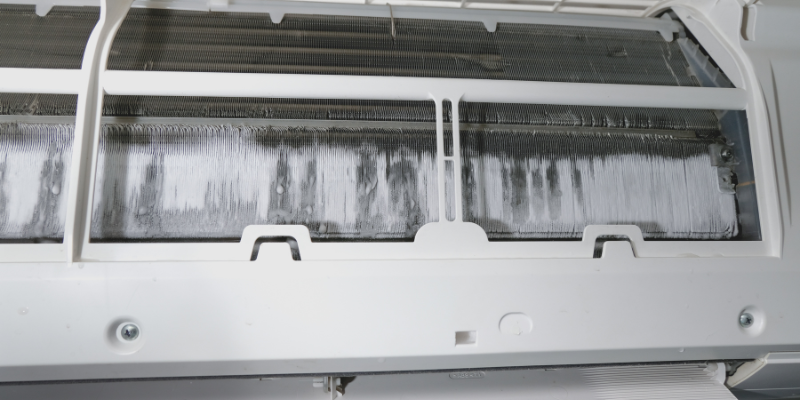
- Check and clean evaporator and condenser coils yearly.
- Clear debris from around the outdoor unit.
- Inspect and seal duct leaks to prevent cold air loss.
- Schedule professional tune-ups annually.
Setting Ideal Thermostat Levels
Setting the right thermostat temperature helps your AC cool well without wasting energy.
| Thermostat Setting | Use Case |
| 24°C (75°F) | Comfortable cooling for most days |
| 26°C (78°F) | Energy saving during mild heat |
| 22°C (72°F) | Maximum chill on very hot days |
| Higher than 26°C | Less cooling, saves energy |

Credit: www.aljazeera.com
Energy Efficiency And Cooling Limits
Air conditioners cool indoor air by removing heat. They have limits on how cold they can get.
Energy efficiency is key. It helps save electricity and lowers bills while keeping rooms comfortable.
Balancing Power Use And Comfort
Running an air conditioner at very low temperatures uses more power. This can raise energy costs.
Setting the temperature too low may not cool the room faster. It only wastes electricity.
- Choose a moderate temperature for comfort and efficiency
- Use fans to help spread cool air
- Keep doors and windows closed to avoid heat entering
Energy-saving Features To Look For
Modern air conditioners have features that reduce energy use. These help keep cooling costs down.
Look for units with smart controls and energy-saving modes to use power wisely.
- Thermostats that adjust based on room temperature
- Sleep mode to reduce power at night
- Variable speed compressors for efficient cooling
- Timers to turn the unit off when not needed
Common Cooling Challenges
Air conditioners are meant to cool your space efficiently. Sometimes, they do not get cold enough. This can cause discomfort and frustration during hot days.
Understanding why your AC might not cool well helps to fix the problem quickly. Some issues are easy to spot, while others need professional help.
Why Your Ac Might Not Get Cold Enough
Several reasons can stop your air conditioner from reaching the right temperature. Common causes include dirty filters, low refrigerant, and blocked airflow.
- Clogged air filters reduce airflow and cooling power.
- Low refrigerant levels mean the AC cannot cool properly.
- Dirty coils affect heat exchange, lowering efficiency.
- Leaks in ductwork cause cooled air to escape.
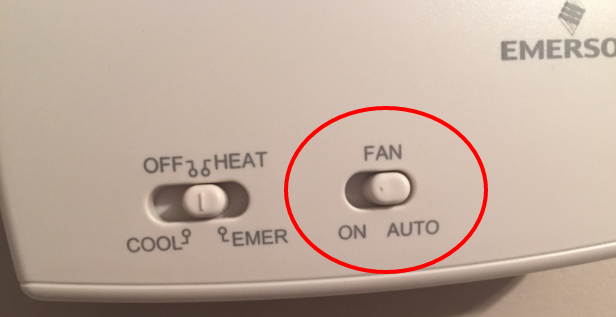
- Incorrect thermostat settings lead to poor performance.
Troubleshooting Cooling Issues
Start by checking simple problems before calling a technician. Look for airflow issues and thermostat errors first.
| Problem | Possible Cause | Action to Take |
| AC not cooling | Dirty air filter | Clean or replace the filter |
| Weak airflow | Blocked vents or ducts | Clear vents and check ducts |
| Warm air blows | Low refrigerant | Call a professional to refill |
| Short cycling | Thermostat issues | Reset or replace thermostat |
| Ice buildup | Dirty coils or low refrigerant | Turn off AC and clean coils |
Innovations In Cooling Technology
Air conditioners keep our homes comfortable by cooling the air. New technologies help make this process better and cleaner.
These innovations focus on smarter control and safer materials to protect the environment.
Smart Ac Systems
Smart AC systems use sensors and internet connection to adjust temperature automatically. They learn your preferences and save energy.
- Remote control through mobile apps
- Automatic temperature adjustment
- Energy usage monitoring
- Integration with smart home devices
Eco-friendly Refrigerants
Older refrigerants harm the ozone layer. New eco-friendly refrigerants reduce environmental damage and improve efficiency.
| Refrigerant Type | Ozone Impact | Global Warming Potential |
| R-22 | High | 1810 |
| R-410A | Zero | 2088 |
| R-32 | Zero | 675 |
| R-290 (Propane) | Zero | 3 |

Credit: thefurnaceoutlet.com
Frequently Asked Questions
How Cold Can A Standard Air Conditioner Get?
A standard air conditioner can typically cool a room down to about 60°F (15. 5°C). This depends on the outdoor temperature and unit capacity. Most units are not designed to cool below this range to avoid freezing issues and maintain efficiency.
What Limits The Lowest Temperature Of An Ac?
The lowest temperature is limited by the AC’s compressor and refrigerant system. Cooling below 60°F risks freezing the coils. Outdoor heat and humidity also affect the achievable indoor temperature. Proper maintenance ensures optimal cooling without damaging the unit.
Can An Air Conditioner Freeze If Set Too Cold?
Yes, setting an AC too cold can cause the coils to freeze. This blocks airflow and reduces efficiency. It may damage the system if not addressed. Avoid setting temperatures below the manufacturer’s recommended minimum to prevent freezing.
Does Outside Temperature Affect Ac Cooling Capacity?
Absolutely, higher outdoor temperatures reduce an AC’s cooling efficiency. The unit must work harder to cool indoor air, raising energy use. This limits the lowest indoor temperature achievable. Proper insulation helps maintain desired indoor temperatures.
Conclusion
Air conditioners cool rooms to a comfortable level, not freezing cold. They usually lower temperatures by about 20-30 degrees from outside heat. Setting them too low wastes energy and may cause problems. Proper use helps keep your space fresh and cool.
Choose a good temperature for comfort and savings. Understanding how cold an AC can get helps you use it wisely. Stay cool without overworking your system. Simple care and correct settings make a big difference. Enjoy cool air without pushing limits.