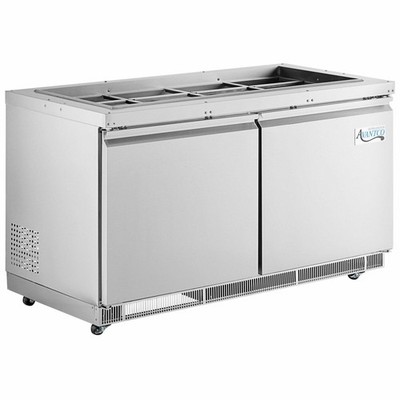
How cold does a salad bar or refrigerator need to be? It’s a question that might seem simple, but the answer is crucial to keeping your food safe and fresh.
Imagine this: You’re standing in front of a vibrant salad bar, ready to pile your plate high with crisp greens and colorful toppings. Or perhaps you’re at home, organizing your refrigerator to ensure everything stays delicious. In both scenarios, the temperature matters more than you might think.
Understanding the ideal temperature settings can make a difference in the quality of your meals and your health. Too warm, and you risk bacterial growth. Too cold, and you might compromise the texture and taste of your food. But don’t worry, we’ve got you covered. This article dives into the specifics, ensuring you know exactly how to keep your salads at their best. Stay with us to discover how the right chill can lead to a satisfying crunch every time.
Ideal Temperature For Salad Bars
Keeping salad bars at the right temperature is crucial to preserving the freshness and safety of the ingredients. The ideal temperature ensures that leafy greens stay crisp, dressings remain fresh, and harmful bacteria don’t get a chance to grow. Let’s look closely at what temperature range works best and why it matters to you every time you help yourself to a salad bar.
Recommended Cold Range
Salad bars should be kept between 33°F and 41°F (0.5°C to 5°C). This range is cold enough to slow down bacterial growth but not so cold that it damages the texture of delicate vegetables. If you’ve ever noticed lettuce turning slimy or dressings separating, temperature is often the culprit.
Keeping food colder than 33°F can cause freezing damage, while temperatures above 41°F increase the risk of foodborne illness. Do you check the temperature gauges on salad bars? It’s a small step that can make a big difference in food quality.
Effects Of Temperature On Freshness
Temperature directly affects how long your salad ingredients stay fresh. At the right chill, greens stay crisp and vibrant, and toppings like cheese or meats don’t spoil quickly. Warm or fluctuating temperatures cause wilting, discoloration, and a loss of nutrients.
Think about the last time you grabbed a salad that looked soggy or smelled off. Chances are the salad bar wasn’t maintaining a stable cold environment. Your taste buds and health both benefit when salad bars stick to the ideal temperature.
Food Safety Standards
Food safety guidelines recommend keeping cold foods below 41°F to prevent harmful bacteria like Listeria and Salmonella. Health inspectors often measure these temperatures during routine checks. Salad bars that don’t meet these standards risk causing foodborne illnesses.
As a consumer, you have the right to expect safe food handling. Next time you visit a salad bar, observe if the temperature is displayed or ask staff about their cooling practices. Your awareness can help promote safer food environments for everyone.

Credit: therestaurantwarehouse.com
Optimal Refrigerator Temperatures
Optimal refrigerator temperatures keep food fresh and safe. Cold temperatures slow down bacteria growth. This helps prevent food spoilage and foodborne illnesses. Knowing the right temperature for different foods improves storage quality. It also helps maintain taste and texture. Proper temperature control reduces waste and saves money. Understanding these settings benefits both home and commercial refrigeration.
Temperature Settings For Different Foods
Different foods need different temperatures to stay fresh. Most refrigerators work best between 35°F and 38°F (1.6°C to 3.3°C). Fruits and vegetables usually need slightly warmer temperatures than meat. Meat and dairy products require colder temperatures to stay safe. Salad bars keep items at about 40°F (4.4°C). This balance keeps salads crisp and safe to eat.
- Meat and fish: 32°F to 36°F (0°C to 2.2°C)
- Dairy products: 35°F to 38°F (1.6°C to 3.3°C)
- Fruits and vegetables: 40°F to 45°F (4.4°C to 7.2°C)
- Salad bar items: around 40°F (4.4°C)
Impact Of Temperature Fluctuations
Temperature changes can harm food quality and safety. Fluctuations cause moisture loss and freezer burn. Bacteria grow faster when the temperature rises above 40°F (4.4°C). Frequent door openings cause temperature swings inside refrigerators. These swings shorten the shelf life of perishable foods. Keeping a steady temperature is crucial to avoid spoilage.
Energy Efficiency Considerations
Maintaining optimal temperatures saves energy and reduces costs. Setting the fridge too cold wastes electricity. Setting it too warm risks food safety. Modern refrigerators have better insulation to keep temperatures stable. Using a thermometer helps monitor exact temperatures. Proper door sealing and avoiding frequent openings improve efficiency. Energy-efficient practices benefit both the environment and your wallet.
Signs Of Improper Cooling
Recognizing the signs of improper cooling in a salad bar or refrigerator is crucial for keeping food safe and fresh. If these signs are ignored, you risk serving spoiled food and exposing yourself and others to harmful bacteria. Understanding what to look for can help you maintain proper temperatures and avoid foodborne illnesses.
Food Spoilage Indicators
One clear sign of improper cooling is visible food spoilage. Look for discoloration, such as browning lettuce or dull, watery tomatoes. Texture changes like sliminess or mushiness also indicate that food is no longer fresh.
Unpleasant odors are another red flag. If the salad bar smells sour or off, it usually means bacteria have started to grow. Pay attention to any unusual smells, even if the food looks okay.
Common Issues In Salad Bars
Temperature fluctuations are a frequent problem in salad bars. If the cooling system isn’t consistent, some areas may be too warm, leading to faster spoilage. Overcrowding the salad bar can block air circulation, making it harder to keep everything cold.
Another issue is improper maintenance. Dirty or clogged cooling vents reduce efficiency. Have you ever noticed frost buildup inside a refrigerated unit? That’s a sign the cooling system isn’t working properly and needs attention.
Preventing Bacterial Growth
Keeping your salad bar or refrigerator below 40°F (4°C) is key to slowing bacterial growth. Regularly check and record temperatures to catch problems early. If you find the temperature rising, remove perishable items immediately.
Cleanliness plays a big role too. Wash containers and utensils often to avoid cross-contamination. You might be surprised how much bacteria can grow on unwashed surfaces.
Are you monitoring your cooling equipment as closely as you should? Small steps like these can protect your health and improve your food’s quality.

Credit: www.ebay.com
Maintaining Consistent Cold
Maintaining consistent cold is vital for salad bars and refrigerators. It keeps food fresh and safe for eating. A steady temperature slows down bacteria growth. This ensures salads stay crisp and tasty.
Cold temperature also preserves the colors and nutrients in vegetables. Without proper cold, food can spoil quickly. This leads to waste and health risks. Keeping the cold steady is a priority for all food service places.
Equipment Maintenance Tips
- Clean condenser coils regularly to improve cooling.
- Check door seals for cracks or gaps.
- Defrost freezers to remove ice buildup.
- Replace worn-out parts promptly.
- Schedule routine professional inspections.
Proper Loading Techniques
- Do not overfill salad bars or refrigerators.
- Allow air to circulate around food items.
- Place hot food away from cold zones.
- Use shallow containers to promote faster cooling.
- Organize items by temperature needs.
Temperature Monitoring Tools
- Use digital thermometers for accurate readings.
- Install temperature alarms for quick alerts.
- Keep temperature logs daily for tracking.
- Use infrared thermometers for surface checks.
- Calibrate tools regularly for reliability.
Best Practices For Salad Bar Freshness
Keeping a salad bar fresh is more than just setting the right temperature. It involves careful planning and consistent actions to ensure every bite tastes fresh and stays safe. Let’s dive into some key practices that help maintain that crisp, inviting look and flavor you expect.
Rotation And Restocking Schedules
How often do you check the freshness of your salad ingredients? Regular rotation means removing older items before adding new ones, preventing spoilage and waste.
Set specific times to restock throughout the day rather than topping off continuously. This helps you monitor freshness closely and keeps the display looking appealing.
Try keeping a checklist or log to track when each item was added. This simple step can save you from serving wilted lettuce or soggy toppings.
Use Of Ice And Cooling Elements
Ice isn’t just for drinks—it plays a crucial role in keeping your salad bar cool and crisp. Placing bowls on a bed of crushed ice maintains a steady chill without overfreezing the ingredients.
Consider adding cooling plates or chilled trays beneath the containers. These help keep the temperature consistent, especially in busy salad bars where frequent opening happens.
Have you noticed how some greens wilt faster even when refrigerated? That’s often due to uneven cooling. Using proper cooling elements solves this by distributing cold air or ice evenly.
Staff Training On Food Safety
Your team’s knowledge directly impacts salad freshness. Training staff to handle ingredients properly reduces contamination risks and ensures the salad bar stays safe.
Teach simple habits like using separate utensils for different items and washing hands before restocking. These small actions make a big difference.
When staff understand why freshness matters—not just for taste but for health—they become proactive in maintaining high standards. How often do you update your team on food safety best practices?

Credit: www.amazon.com
Frequently Asked Questions
How Cold Should A Salad Bar Be Kept?
A salad bar should be maintained at or below 40°F (4°C). This temperature ensures freshness and prevents bacterial growth. Proper cooling keeps ingredients crisp and safe for consumption throughout service hours.
What Is The Ideal Refrigerator Temperature For Salads?
Refrigerators storing salads should be set between 35°F and 38°F (1. 6°C to 3. 3°C). This range preserves freshness and reduces spoilage, ensuring salads stay crisp and nutritious for longer periods.
Why Is Temperature Control Crucial For Salad Bars?
Temperature control prevents harmful bacteria from multiplying on fresh ingredients. Keeping salad bars cold maintains food safety and quality. Proper cooling extends shelf life and enhances customer satisfaction.
Can A Salad Bar Be Too Cold?
Yes, salad bars colder than 40°F may cause freezing damage to delicate vegetables. Overcooling affects texture and flavor, making ingredients less appealing. Optimal temperature balance is key for quality and safety.
Conclusion
Keeping salad bars and refrigerators cold helps keep food fresh and safe. Ideal temperatures stop bacteria from growing. Salad bars usually stay between 33°F and 41°F. Refrigerators work best around 37°F to 40°F. Checking the temperature often is important. Cold food tastes better and lasts longer.
Proper cooling saves money by reducing waste. Remember, cool means safe when it comes to food. Stay mindful of temperatures to enjoy fresh meals every day.