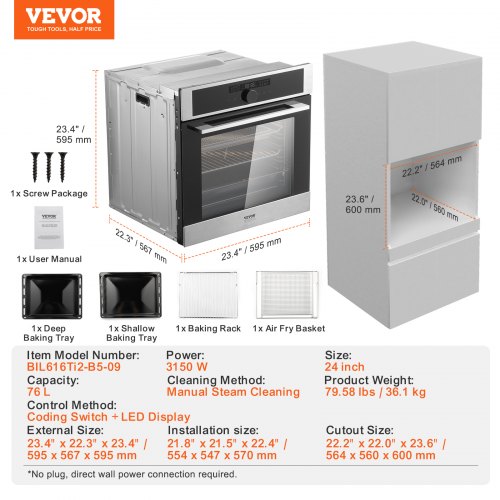
Are you thinking about upgrading your kitchen with a wall oven but wondering how much space it will actually take? Knowing how deep a wall oven is can save you from costly mistakes and ensure a perfect fit in your kitchen.
Whether you’re working with a tight space or planning a full remodel, understanding these dimensions is key to making the right choice. Keep reading, and you’ll discover everything you need to know to pick the ideal wall oven that fits seamlessly into your home.
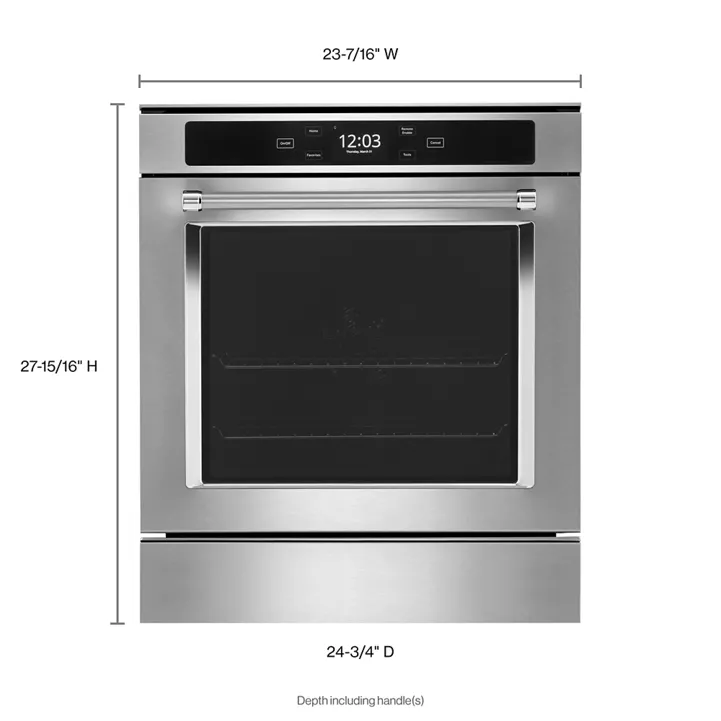
Credit: www.kitchenaid.com
Wall Oven Depth Basics
Wall ovens add style and space-saving features to your kitchen. Knowing the depth of these ovens helps with planning your kitchen layout. Depth affects how the oven fits into your cabinets and walls.
This guide covers the common depths of wall ovens. It also explains how different brands and models may vary in size.
Standard Depth Measurements
Most wall ovens have a depth that fits standard kitchen cabinets. This depth includes the oven door and handle but not the trim. The standard depth helps with easy installation.
- Typical wall oven depth ranges from 22 to 24 inches.
- Some ovens are designed to be flush with cabinets, measuring about 24 inches deep.
- Compact models may have a depth closer to 20 inches.
- Depth usually does not include the handle, which can add 2 to 3 inches.
Variations By Brand And Model
Brands and models can differ in depth due to design and features. Some wall ovens are built deeper for larger cooking capacity. Others are slimmer to fit smaller spaces.
| Brand | Model Depth (inches) | Notes |
|---|---|---|
| Brand A | 22 | Standard depth for most ovens |
| Brand B | 24.5 | Deeper models for more cooking space |
| Brand C | 20 | Compact models for small kitchens |
| Brand D | 23 | Mid-range depth with flush design |
Measuring Your Space
Knowing the depth of your wall oven is key before installation. You must measure your kitchen space carefully.
Accurate measurements help avoid fitting problems and ensure safe use of your oven.
Checking Cabinet Dimensions
Start by measuring the width, height, and depth of the cabinet where the oven will go. Use a tape measure for exact numbers.
Compare these numbers with the oven’s size. Make sure the oven will fit inside the cabinet space.
- Measure cabinet width and height at several points
- Check cabinet depth from front to back
- Account for any shelves or obstacles inside the cabinet
Allowing For Ventilation And Clearance
Wall ovens need space around them for air flow. This prevents overheating and damage.
Leave extra clearance between the oven and cabinet walls. Follow the oven maker’s instructions for exact spacing.
- Keep at least 1 inch of space on each side
- Leave space at the back for air vents
- Do not block ventilation openings
Choosing The Right Depth
Wall ovens come in different depths to fit various kitchen spaces. Choosing the right depth helps with installation and kitchen flow.
Depth affects how the oven looks and works in your kitchen. It is important to understand the options before buying.
Shallow Vs. Deep Wall Ovens
Shallow wall ovens usually measure 20 to 22 inches deep. They do not stick out much from the cabinet, saving space.
Deep wall ovens can be 24 inches or more in depth. They offer more cooking space but may take up more room.
- Shallow ovens fit smaller kitchens better
- Deep ovens provide more interior cooking space
- Shallow ovens keep a sleek, flush look
- Deep ovens may require extra cabinet space
Impact On Kitchen Design
Oven depth affects how your kitchen looks and feels. A shallow oven blends more with cabinets and walls.
Deep ovens can stand out and add a strong visual feature. You must plan the kitchen layout to fit the oven size.
- Shallow ovens create a smooth, modern look
- Deep ovens need more clearance space
- Cabinet design changes based on oven depth
- Proper depth helps with kitchen workflow

Credit: www.frigidaire.com
Installation Considerations
Installing a wall oven requires careful planning. You must know the oven depth to fit it properly.
Proper installation keeps the oven safe and works well for years. Check your space and connections.
Electrical And Plumbing Access
Wall ovens need power and sometimes water connections. Check where your outlets and pipes are.
Make sure electrical wiring meets local codes. The oven’s depth affects where wires and pipes go.
- Locate the power outlet near the oven space
- Confirm if a water line is needed for steam ovens
- Leave enough room behind the oven for cables and pipes
- Use a dedicated circuit for safety and performance
Securing The Oven In Place
Wall ovens must be firmly secured to avoid movement. This helps keep the unit stable and safe.
Check the oven depth to find the right mounting points. Use screws and brackets recommended by the maker.
- Follow the manufacturer’s instructions for mounting
- Use a level to keep the oven straight
- Secure the oven to strong cabinet walls or studs
- Double-check that the oven does not wobble or shift
Troubleshooting Fit Issues
Wall ovens come in different depths. Sometimes, the oven does not fit well in the kitchen space. This can cause problems with installation and use.
Knowing common depth issues helps you fix or avoid them. Let’s look at some common problems and solutions for tight spaces.
Common Depth-related Problems
One problem is that the oven sticks out too much from the wall. This makes the kitchen look crowded. Another issue is not leaving enough space behind the oven. This can block vents and cause overheating.
Sometimes, the oven is too deep for the cabinet. It may not close properly or may damage the surrounding cabinets. These problems affect safety and oven performance.
- Oven protrudes beyond cabinet front
- Insufficient clearance behind the oven
- Cabinet depth smaller than oven depth
- Blocked ventilation due to tight space
Solutions For Tight Spaces
Measure your kitchen space carefully before buying a wall oven. Check the oven’s depth and cabinet depth. Choose an oven that fits your space well.
Use shallow or trim kits to adjust the fit. These kits help cover gaps and improve oven appearance. Also, leave enough space behind the oven for air flow and heat escape.
- Measure oven and cabinet depth precisely
- Choose a shallower oven if space is tight
- Use trim kits to fill gaps and improve fit
- Keep proper ventilation space behind the oven
- Consult a professional if unsure about installation
Upgrading Or Replacing Your Wall Oven
Wall ovens are a popular choice for modern kitchens. They offer a sleek design and can fit into most kitchen layouts easily.
When upgrading or replacing a wall oven, the depth of the oven is important. Knowing the right size ensures a perfect fit and seamless integration with your kitchen design.
Matching Existing Cutouts
When replacing a wall oven, matching the existing cutout in your kitchen cabinetry is crucial. This avoids the hassle of major renovations.
- Measure the current oven’s width, height, and depth.
- Ensure the new oven’s dimensions match these measurements.
- Check for any additional space needed for ventilation.
Modern Depth Trends
Modern wall ovens often have varied depths. They are designed to accommodate different kitchen setups and user preferences.
| Oven Type | Depth Range |
| Standard | 24-30 inches |
| Compact | 20-24 inches |
| Professional | 30-36 inches |
Credit: www.whirlpool.com
Frequently Asked Questions
How Deep Is A Standard Wall Oven?
A standard wall oven depth ranges from 24 to 27 inches. This size fits most kitchen cabinets and allows proper ventilation. Always check specific model dimensions before installation to ensure compatibility with your kitchen space.
Does Wall Oven Depth Affect Kitchen Design?
Yes, wall oven depth impacts cabinet layout and countertop space. Deeper ovens may require custom cabinetry. Proper depth ensures seamless integration and a sleek kitchen appearance. Measure carefully to balance functionality and design.
Can I Install A Wall Oven In A Shallow Cabinet?
Installing a wall oven in a shallow cabinet is not recommended. Most ovens need at least 24 inches depth for ventilation and safety. Inadequate space can cause overheating and damage. Always follow manufacturer’s installation guidelines.
Are There Compact Wall Ovens With Shallow Depth?
Yes, compact wall ovens are available with depths around 20 to 22 inches. These models suit smaller kitchens or tight spaces. They offer similar features but occupy less cabinet depth. Check product specs for exact measurements.
Conclusion
Wall ovens usually have a depth between 22 and 24 inches. This size fits most kitchen cabinets and provides enough cooking space. Measuring your kitchen space carefully helps avoid installation problems. Choosing the right depth also affects how your kitchen looks and works.
Knowing these facts helps you pick the best oven for your needs. Remember, a good fit makes cooking easier and more enjoyable. Keep these points in mind when shopping for your next wall oven.