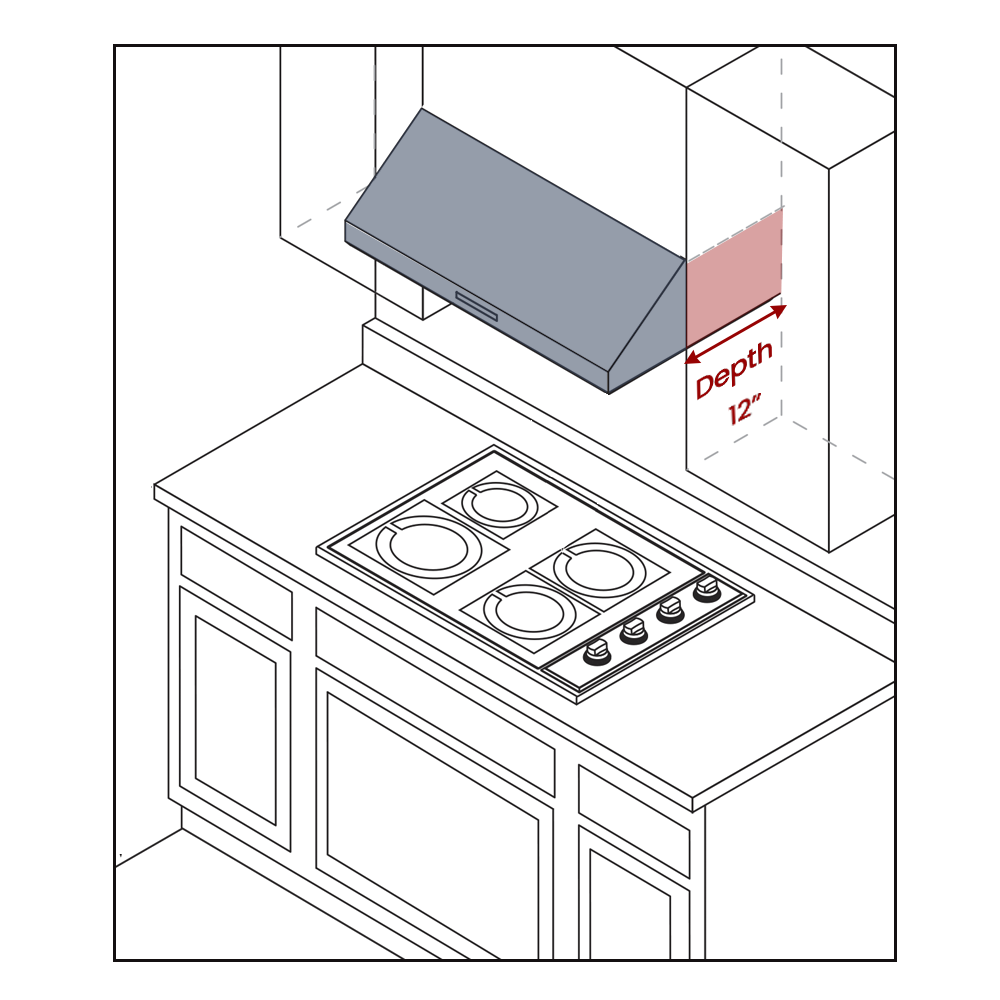
Choosing the right range hood size can make a big difference in your kitchen’s comfort and cleanliness. But how deep should a range hood be to work best for you?
If it’s too shallow, it won’t capture smoke and odors properly. Too deep, and it could overwhelm your cooking space or look out of place. You’ll discover the ideal depth to keep your kitchen fresh and your cooking experience smooth.
Keep reading to find out exactly what you need for your space and why it matters more than you might think.
Credit: www.sydneyrangehoods.com.au
Range Hood Depth Basics
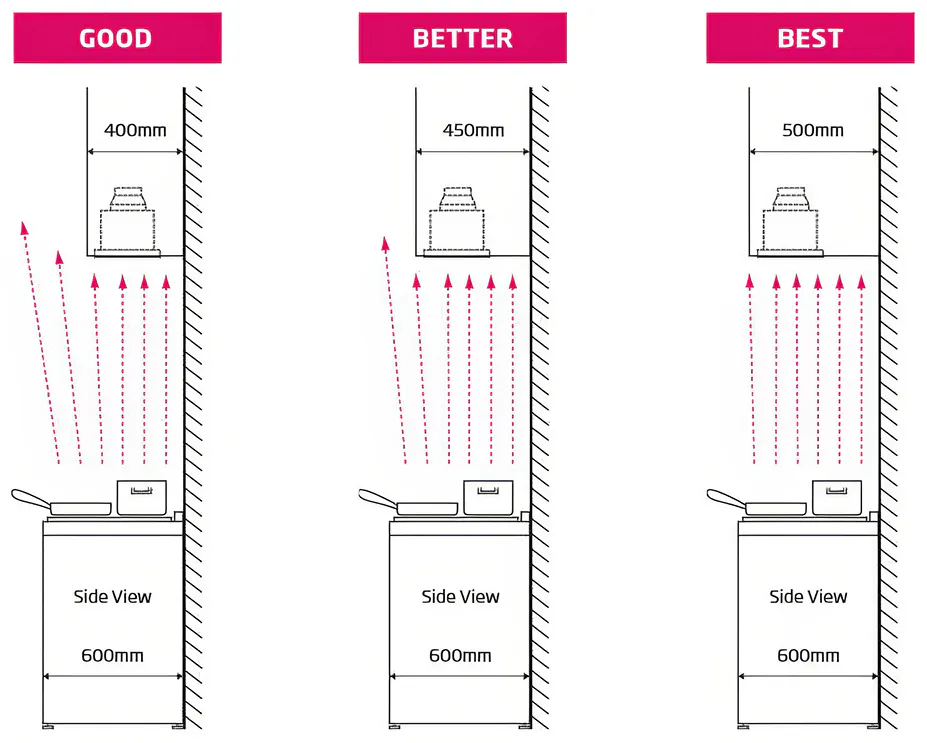
Choosing the right range hood depth is crucial for efficient kitchen ventilation. It ensures that smoke, steam, and odors are effectively captured and expelled. Understanding the basics of range hood depth helps you make an informed decision that suits your cooking style and kitchen setup.
Standard Range Hood Sizes
Range hoods come in a variety of standard sizes to fit different kitchen layouts. Common depths include 18 inches, 21 inches, and 24 inches. These sizes cater to different stove types, from compact cooktops to larger ranges, providing flexibility in choosing the right fit for your kitchen.
When selecting a size, consider the dimensions of your stove or cooktop. Ideally, the hood should extend slightly beyond the stove’s edge to effectively capture rising fumes. A hood that is too shallow might miss smoke and grease, reducing its effectiveness.
Importance Of Proper Depth
Having the correct depth for your range hood is essential for optimal performance. A hood that is too deep can dominate the kitchen space and may be unnecessary if your cooking style is light. Conversely, a shallow hood may fail to capture all smoke and steam, leading to lingering odors.
The right depth not only improves air quality but also enhances the kitchen’s aesthetic. Imagine cooking your favorite meal without worrying about smoke alarms going off or your kitchen smelling like last night’s dinner. It’s all about finding the balance that suits your needs while keeping your kitchen fresh and inviting.
Have you ever installed a range hood that didn’t seem to work right? It’s often the depth that’s the culprit. Ensuring your range hood has the proper depth can transform your cooking environment, making it more enjoyable and efficient.
Factors Influencing Depth Choice
Choosing the right depth for a range hood depends on several key factors. These factors help ensure the hood works efficiently and fits well in the kitchen space. Understanding these elements guides you to the best depth choice.
Cooktop Size And Type
The size of the cooktop greatly affects the range hood depth. A larger cooktop needs a deeper hood to cover the cooking area fully. Different cooktops, like gas or electric, produce varying amounts of smoke and heat. Gas cooktops usually require deeper hoods for better capture of fumes. The hood should extend at least as wide and deep as the cooktop to protect walls and cabinets.
Kitchen Layout Considerations
The kitchen’s design impacts the hood’s depth choice. In smaller kitchens, a very deep hood can feel bulky and overcrowded. Open kitchens may allow for a larger hood without making the space feel tight. Wall-mounted hoods need different depths than island hoods due to placement. Consider the space above and around the cooktop to avoid blocking light or movement.
Ventilation Requirements
Effective ventilation depends on hood depth and airflow capacity. Deeper hoods can capture more smoke and grease, improving air quality. The duct size and fan power also play a role in ventilation success. Proper depth ensures the hood pulls air from the cooking zone efficiently. Ventilation standards often recommend specific hood dimensions based on cooking habits and kitchen size.
Measuring For The Right Fit
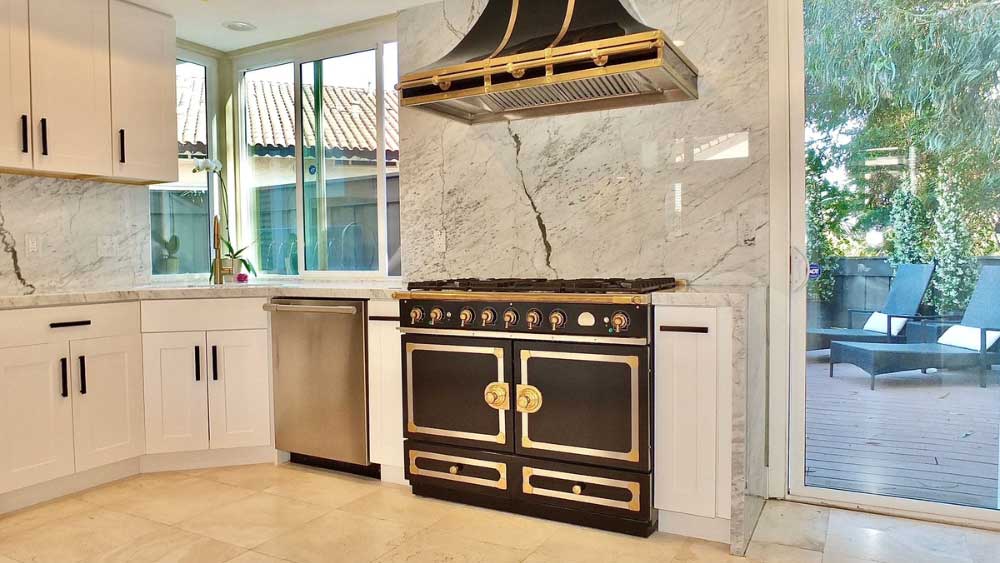
Getting the right fit for your range hood starts with accurate measurements. A hood that’s too shallow won’t capture all the smoke and odors, while one that’s too deep could overwhelm your cooking space. Taking the time to measure correctly ensures your kitchen stays fresh without sacrificing style or function.
How To Measure Your Cooktop
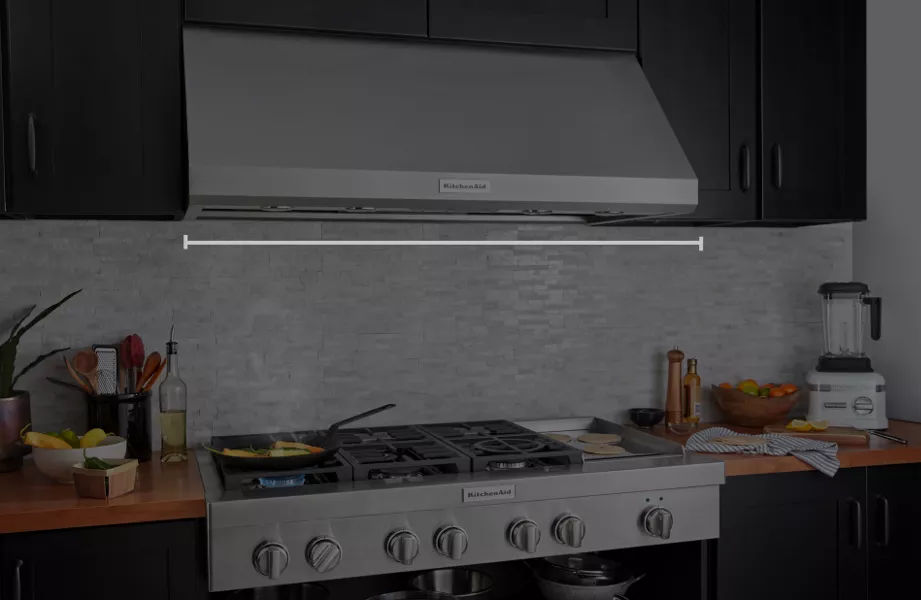
Begin by measuring the width of your cooktop from edge to edge. This width will guide the minimum width your range hood should have to cover the cooking area effectively.
Next, consider the depth of your cooktop — from front to back. Most cooktops range between 24 to 30 inches deep, so your hood should extend slightly beyond this to catch all the steam and smoke.
Think about your cooking habits too. Do you often use large pots or multiple burners at once? If yes, adding a few extra inches to the hood’s depth can improve performance.
Determining Wall And Cabinet Space
Check the wall space above your cooktop to see how much room you have for the range hood. Measure from the countertop up to any cabinets or shelves.
Also, measure the depth of the cabinets above the cooktop. Your range hood shouldn’t be deeper than the cabinets to avoid a bulky look, but it should be deep enough to cover the cooktop surface.
If your cabinets are shallow, a wall-mounted or under-cabinet hood with adjustable depth might work best. Have you noticed how a poorly fitted hood can make your kitchen feel cramped? Proper measurement prevents that.
Credit: blog.yaleappliance.com
Types Of Range Hoods And Their Depths
Range hoods come in different types, each with unique depth requirements. Understanding these depths helps choose the right hood for your kitchen. Depth affects performance and how well the hood captures smoke and odors.
Under-cabinet Hoods
Under-cabinet hoods install beneath kitchen cabinets. They usually have a depth of 18 to 24 inches. This size fits standard cabinet depths and provides good coverage over the cooktop. A deeper hood can improve smoke capture but may block cabinet access.
Wall-mounted Hoods
Wall-mounted hoods attach to the wall above the stove. Their depth ranges from 18 to 30 inches. These hoods extend beyond the cooktop for better ventilation. Depth depends on the cooktop size and kitchen layout. A wider and deeper hood offers better airflow control.
Island Hoods
Island hoods hang from the ceiling over island cooktops. Depth varies from 24 to 36 inches to cover open cooking areas. These hoods must be large enough to capture smoke from all sides. Their size balances ventilation power and kitchen space.
Installation Tips For Perfect Depth
Installing a range hood at the right depth ensures it works efficiently and looks balanced. Proper depth helps capture smoke and odors effectively. It also keeps your kitchen safe and comfortable. Pay close attention to measurements before starting installation. Use a level and tape measure for accuracy. Here are key tips to achieve perfect depth for your range hood.
Maintaining Proper Clearance
Keep enough space between the cooktop and the hood. The ideal clearance is usually 24 to 30 inches. This distance allows smoke to rise without hitting the hood too soon. Check your range hood’s manual for specific clearance recommendations. Avoid placing the hood too low; it may block your view or cause heat damage. Too high can reduce the hood’s ability to trap smoke.
Aligning With Cabinets And Counters
Ensure the hood aligns well with your kitchen cabinets and counters. The front edge of the hood should line up with the cabinet fronts. This creates a seamless, built-in look. The depth of the hood should not stick out too far beyond the counter. Proper alignment maintains kitchen flow and avoids awkward gaps. Measure cabinet depth and counter space before installation.
Common Mistakes To Avoid
Choosing the right depth for a range hood is key for kitchen safety and comfort. Many make simple mistakes that reduce the hood’s effectiveness or cause installation problems. Avoiding these errors helps keep your kitchen air clean and your cooking area pleasant.
Too Shallow Or Too Deep
A range hood that is too shallow will not catch all the smoke and steam. This leaves your kitchen with lingering odors and grease buildup. On the other hand, a hood that is too deep can block your view and hit your head. It also wastes energy by covering more space than needed. Find a balance that covers your stove properly without being too big or small.
Ignoring Ventilation Needs
Good ventilation is vital for a range hood to work well. Some skip checking the vent size or type before buying. Poor ventilation leads to smoke and moisture staying inside. It can damage walls and ceilings over time. Make sure your hood matches your kitchen’s vent system and airflow requirements. This keeps the air fresh and protects your home.
Custom Vs. Standard Range Hoods
Choosing between custom and standard range hoods affects both kitchen style and function. Standard hoods come in fixed sizes and shapes. Custom hoods offer flexibility to match unique kitchen layouts and cooking needs. This section explores the benefits and costs of each option.
Benefits Of Custom Depths
Custom range hoods fit perfectly over your cooktop. They cover the cooking area fully, capturing smoke and steam better. You can choose the exact depth for your kitchen design.
- Improved ventilation with full coverage
- Matches unique kitchen dimensions
- Options for special materials and finishes
- Can blend seamlessly with cabinetry
Custom depths prevent smoke from escaping around the edges. They help keep your kitchen air clean and fresh.
Cost And Availability
Standard range hoods are widely available and often less expensive. They come in common sizes that fit most kitchens.
- Lower upfront cost
- Easy to find in stores or online
- Faster installation due to standard sizing
Custom hoods cost more because of design and materials. They may take longer to build and install. Yet, they offer a tailored fit and style you cannot get with standard models.
Maintenance And Adjustments
Proper maintenance and adjustments keep your range hood working well. Regular care improves air quality and extends the hood’s life. Checking and fixing depth settings ensures optimal performance.
Cleaning For Efficiency
Grease and dust build up inside the hood and filters. Clean filters every month for best airflow. Use warm, soapy water or a degreaser to wash them.
Wipe the hood surface with a soft cloth and mild cleaner. Avoid harsh chemicals that can damage the finish. Clean fans and vents to stop blockages and noise.
Adjusting Depth Post-installation
Range hood depth affects smoke capture and kitchen space. Measure the distance between the hood and cooktop. Adjust the hood position if smoke escapes or airflow is weak.
Some models allow sliding or tilting to change depth. Loosen screws to move the hood forward or backward carefully. Re-tighten screws once the ideal depth is set.
If the hood is fixed, consider adding a vent extension or baffle. These parts improve smoke capture without moving the whole unit.
Credit: www.kitchenaid.com
Frequently Asked Questions
How Deep Should A Range Hood Be?
A range hood should be at least as deep as your cooktop, typically 18 to 24 inches. This ensures proper capture of smoke and odors, improving kitchen ventilation and safety.
Does Range Hood Depth Affect Ventilation Efficiency?
Yes, deeper range hoods capture more cooking fumes effectively. Proper depth ensures better air suction and keeps your kitchen smoke-free and odor-free.
What Is The Ideal Range Hood Depth For Island Kitchens?
For island kitchens, the range hood should be 24 inches deep or more. This covers the cooktop fully and prevents smoke from spreading.
How Far Should A Range Hood Extend Over The Cooktop?
A range hood should extend 3 inches beyond the cooktop on all sides. This maximizes capture of smoke and steam during cooking.
Conclusion
Choosing the right range hood depth matters for your kitchen’s comfort. A proper fit helps capture smoke and odors well. Too shallow, and it won’t work right. Too deep, and it might block your view or look bulky. Think about your stove size and kitchen space.
Measure carefully before buying. The right depth keeps air clean and cooking pleasant. Simple steps make a big difference in daily use. A well-chosen range hood keeps your kitchen fresh and safe.