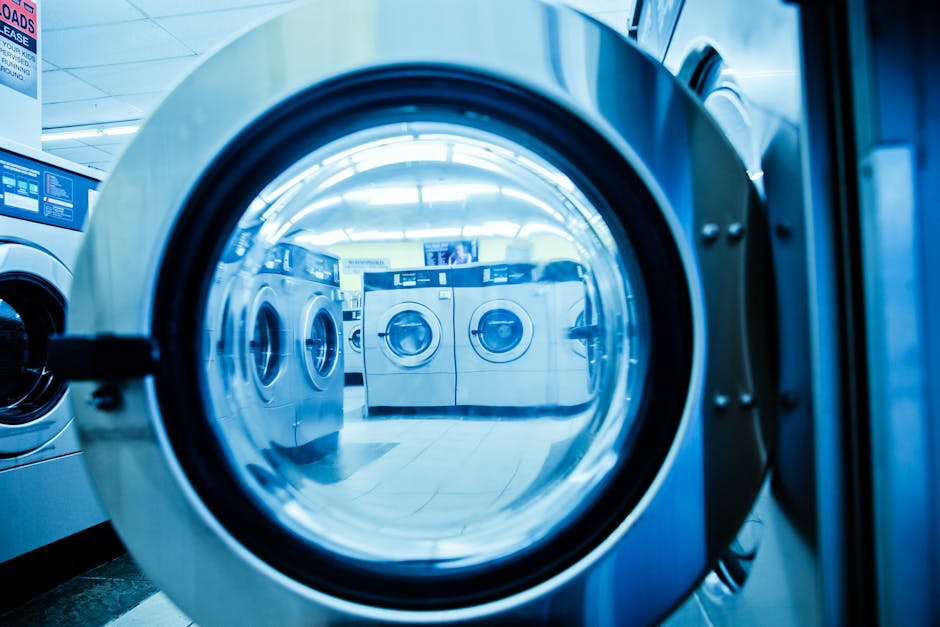
Have you ever wondered how an all-in-one washer dryer actually works? If you’re tired of moving wet clothes from the washer to the dryer or don’t have space for two separate machines, this device could be a game changer for your laundry routine.
Understanding how it combines washing and drying in one cycle can help you decide if it fits your lifestyle. Keep reading to discover the smart technology behind these machines and how they make your laundry easier, faster, and more efficient.
Your next laundry day might just become your favorite chore.
All In One Washer Dryer Basics
All in one washer dryers combine washing and drying into one machine. They save space and time by doing both jobs in one cycle.
These machines are ideal for small homes or apartments. They connect to water and electricity like regular washers.
Key Features
All in one washer dryers have several important features that make them useful.
- Washing and drying in a single drum
- Multiple wash and dry programs
- Compact design for small spaces
- Automatic sensors to adjust water and drying time
- Energy and water efficient settings
Types Of Washer Dryers
There are two main types of all in one washer dryers. Each works differently to clean and dry clothes.
| Type | How It Works | Best For |
|---|---|---|
| Vented | Uses air to dry clothes and vents moisture outside | Homes with vent access |
| Condenser | Condenses moisture into water stored in a tank or drained away | Homes without vent access |
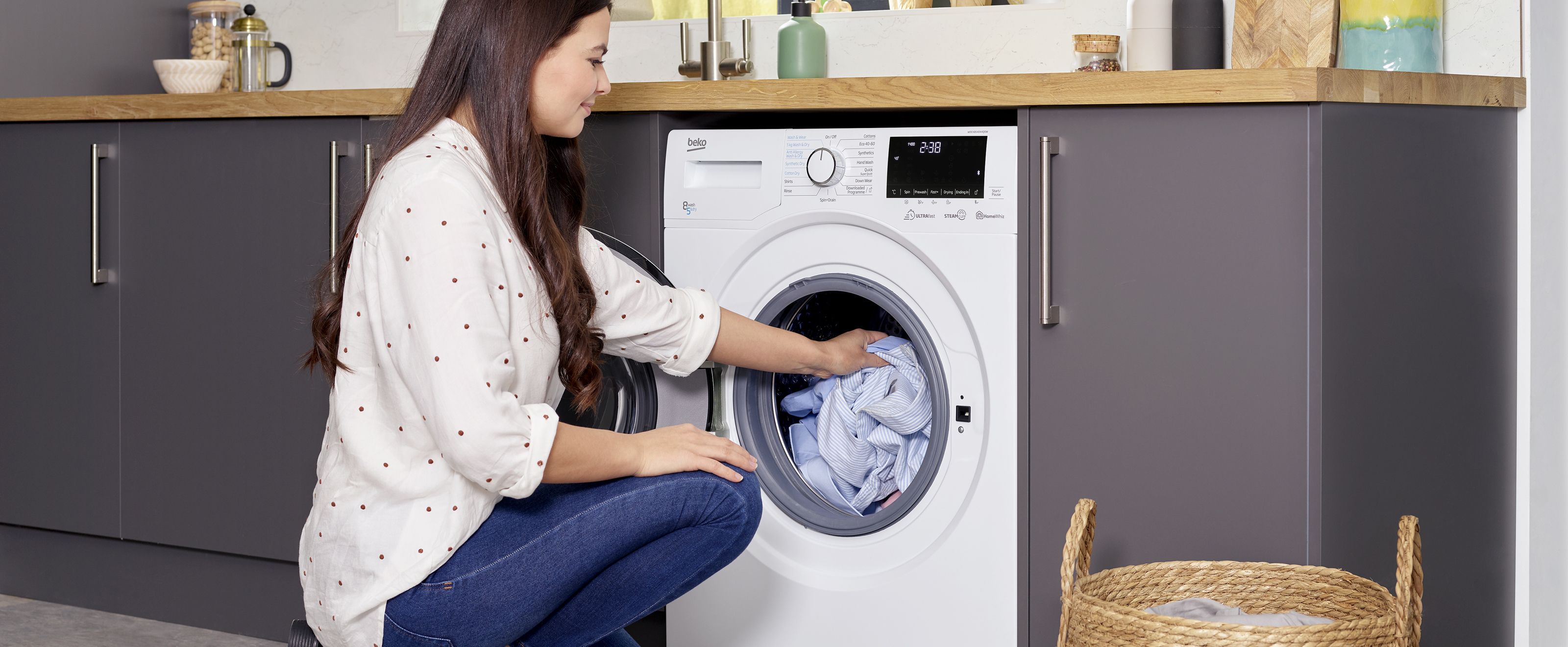
Credit: www.beko.co.uk
Washing Process Steps
All in one washer dryers combine washing and drying in a single machine. Understanding the washing steps helps you use them better. The process has clear stages to clean clothes effectively.
Each step plays a key role in removing dirt and preparing clothes for drying. The machine controls water, detergent, movement, and spinning carefully.
Water Intake And Detergent Use
The machine starts by filling the drum with water. It uses sensors to add just the right amount of water.
Detergent is added automatically or by the user in a special compartment. The water mixes with detergent to start cleaning.
- Water enters the drum through valves
- Detergent compartment releases soap at the right time
- Sensors adjust water level based on load size
Agitation And Cleaning
The drum moves back and forth to agitate clothes. This action helps break down dirt and stains.
The machine controls speed and motion to clean clothes gently but effectively. Water and detergent reach all fabric areas.
- Drum rotates to create friction
- Water and detergent penetrate fabrics
- Agitation loosens dirt and grime
Rinsing And Spinning
After washing, the machine drains dirty water and refills with clean water for rinsing. This removes soap and residue.
Spinning follows rinsing to remove excess water. High-speed spins help dry clothes faster before the drying cycle.
- Dirty water drains out after washing
- Fresh water rinses clothes thoroughly
- Spinning extracts water from fabrics
Drying Process Steps
All in one washer dryers clean and dry clothes in a single machine. The drying process removes water from wet clothes after washing. This process uses heat, airflow, and sensors to dry clothes efficiently.
The drying steps depend on how heat is generated, how moisture is removed, and how sensors control the process. Understanding these parts helps explain how these machines work.
Heat Generation Methods
Heat is key to drying clothes. Washer dryers use different methods to create heat. Most use electric heaters to warm the air inside the drum. Some models use steam or gas heating. The heat helps evaporate water from the fabric.
- Electric heating elements warm air quickly and safely.
- Steam heating adds moisture and heat for gentle drying.
- Gas heating uses natural gas for faster heat production.
Moisture Removal Techniques
Once heat evaporates water, the machine must remove the moisture. Different systems handle this in various ways. Some use venting to push moist air outside. Others use condensation systems to collect water inside the machine.
| Technique | Description |
| Vented Drying | Moist air exits through a vent to the outside. |
| Condensation Drying | Water vapor cools and turns to liquid in a tank. |
| Heat Pump Drying | Recycles warm air and condenses moisture efficiently. |
Sensor Technology
Sensors help control the drying time and temperature. They check moisture levels and stop drying once clothes are dry. This saves energy and protects fabrics from over-drying.
Common sensors in washer dryers include:
- Moisture sensors that measure water left in clothes
- Temperature sensors that monitor heat inside the drum
- Weight sensors that estimate load size for drying time
Efficiency Factors
All in one washer dryers are a convenient option for many households. They combine washing and drying in a single machine, saving space and time.
Understanding their efficiency factors helps in choosing the right model. Let’s explore the key aspects: energy consumption, water usage, and cycle duration.
Energy Consumption
Energy consumption is crucial in determining the efficiency of washer dryers. These machines often have different energy needs compared to separate units.
- Check the energy rating label on the machine.
- Opt for models with inverter technology.
- Consider machines with eco-friendly modes.
Water Usage
Water usage impacts both efficiency and environmental footprint. All in one units may use more water than separate machines for drying.
| Machine Type | Water Usage (per cycle) |
| All in One | 60-90 liters |
| Separate Units | 40-70 liters |
Cycle Duration
Cycle duration affects daily schedules and energy use. All in one machines often have longer cycles due to combined operations.
Benefits Of Combined Units
All in one washer dryers offer many advantages. They combine washing and drying in a single unit.
These machines save space and simplify laundry tasks. They can also be cost-effective in the long run.
Space Saving
All in one washer dryers take up less space. They fit well in small apartments or homes with limited room.
- Ideal for small laundry rooms
- No need for separate washer and dryer
- Fits in tight spaces like closets
Convenience
These units offer great convenience. You load clothes once and they come out clean and dry.
| Feature | Benefit |
| Single Load | Less manual handling |
| Automatic Drying | No transfer needed |
| Time Saving | Completes two tasks in one go |
Cost Effectiveness
Combined units can save money over time. You buy one machine instead of two.
Common Challenges
All in one washer dryers combine washing and drying in one machine. They save space but come with some challenges. Knowing these issues helps you use them better.
This guide covers common problems with maintenance, performance, and troubleshooting.
Maintenance Tips
Keeping the machine clean and well-maintained avoids many problems. Regular care helps the washer dryer last longer and work well.
- Clean the lint filter after every use to prevent blockages.
- Check and clean the detergent drawer monthly to avoid buildup.
- Run a cleaning cycle with vinegar or a washer cleaner every few months.
- Leave the door open after use to let the inside dry and stop mold.
- Inspect hoses for leaks or cracks regularly.
Performance Limitations
Washer dryers may not dry clothes as quickly or fully as separate machines. They often have smaller drum sizes and slower drying times.
| Limitation | Explanation |
| Longer drying times | Combined units use less powerful drying systems. |
| Smaller load capacity | Washing and drying loads are limited to avoid damage. |
| Energy use | Drying uses more electricity than washing. |
| Wear and tear | More functions in one unit can increase repairs. |
Troubleshooting
Some common problems can be fixed quickly. Knowing what to check saves time and repair costs.
- Machine won’t start: Check if the door is closed and power is on.
- Washer won’t drain: Clear the drain pump filter of debris.
- Drying is slow: Clean the lint filter and ensure good ventilation.
- Unusual noises: Check for loose items or worn parts inside the drum.
- Error codes: Refer to the manual for specific code meanings.
Future Trends
All in one washer dryers are changing with new technology. These changes aim to save energy and time.
Let’s look at future trends that will make these machines smarter and better for the environment.
Smart Technology Integration
Smart washers and dryers connect to apps for easier control. Users can start or stop cycles from their phones.
These machines can also detect fabric type and dirt level. This helps choose the best wash and dry settings automatically.
- Remote control via smartphone apps
- Automatic cycle adjustments
- Voice command compatibility
Eco-friendly Innovations
New washer dryers use less water and energy to protect the planet. Some models recycle water during cycles.
Manufacturers also use eco-friendly materials to build these machines. These changes reduce waste and pollution.
- Water-saving technologies
- Energy-efficient motors
- Recycled and sustainable materials
Improved Drying Efficiency
Future washer dryers will dry clothes faster while using less power. New sensors help control drying time precisely.
Heat pump technology will become more common. It uses lower heat, which is gentler on clothes and saves energy.
- Advanced moisture sensors
- Heat pump drying systems
- Shorter drying cycles
Credit: blog.bestbuy.ca
Credit: blog.bestbuy.ca
Frequently Asked Questions
How Do All In One Washer Dryers Save Space?
All in one washer dryers combine washing and drying in a single unit. This design saves room by eliminating the need for separate machines. Ideal for small apartments, they offer convenience without compromising laundry capacity or performance.
Can All In One Washer Dryers Handle Large Loads?
Most all in one washer dryers have moderate capacity. They are suitable for small to medium-sized laundry loads. For very large families, multiple cycles may be necessary. Always check the machine’s capacity before purchase to ensure it meets your needs.
How Does The Drying Process Work In Washer Dryers?
All in one washer dryers use either condensation or vented drying methods. Condensation models collect moisture in a tank, while vented models expel it outside. Both systems efficiently remove water after washing, allowing clothes to dry inside the same machine.
Are All In One Washer Dryers Energy Efficient?
Yes, many all in one washer dryers are designed to be energy efficient. They use less water and electricity compared to separate machines. Look for energy ratings when buying to ensure lower utility bills and eco-friendly operation.
Conclusion
All in one washer dryers combine washing and drying in one machine. They save space and time for small homes. These machines use clever cycles to clean and dry clothes gently. They need less effort than separate washers and dryers.
Understanding how they work helps choose the right model. This knowledge can make laundry easier and faster. A simple, compact solution for everyday clothes care.