Have you ever wondered what makes your home stay cool and comfortable during the hottest days? Understanding how central air conditioners work can give you a new appreciation for the cool breeze you enjoy every day.
You’ll discover the simple, yet clever process behind your AC system. By knowing how it operates, you’ll be better equipped to keep it running smoothly and even save on energy bills. Keep reading to uncover the secrets behind your central air conditioner and how it transforms warm air into refreshing coolness just for you.
Basic Components
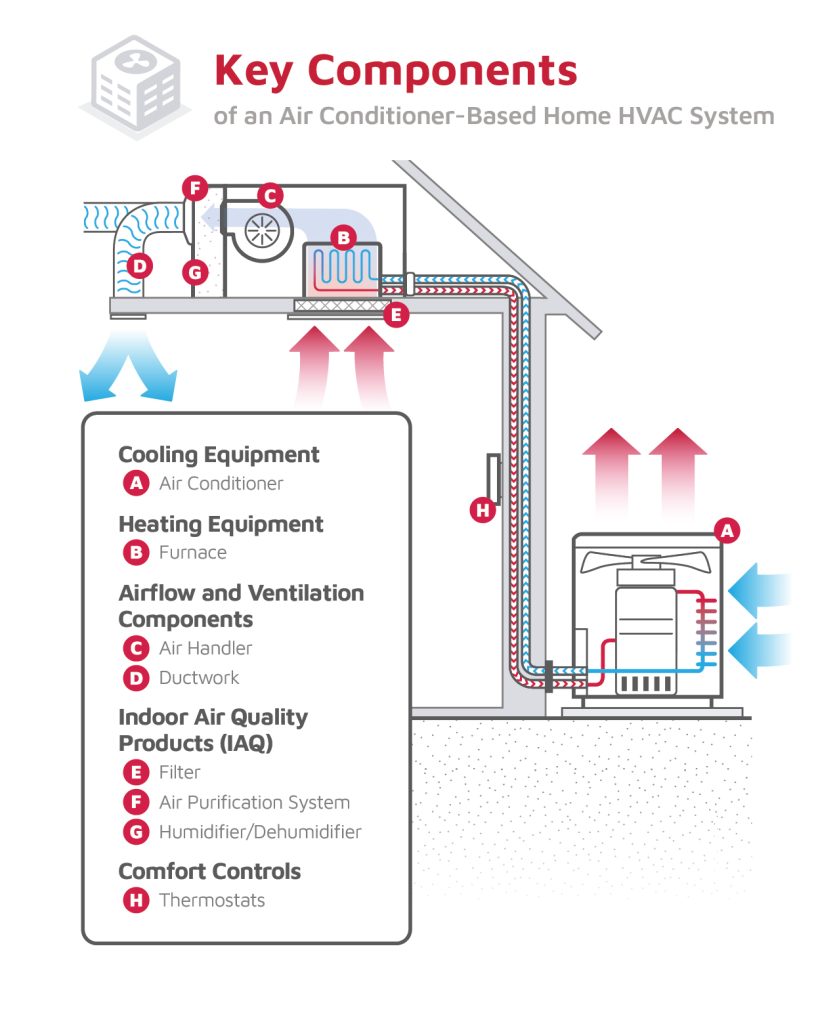
Central air conditioners have key parts that work together to cool your home. These parts include the indoor unit, outdoor unit, and thermostat. Each part plays a special role in the cooling process.
Understanding these components helps you see how the system keeps your home comfortable. Let’s explore each part in detail.
Indoor Unit
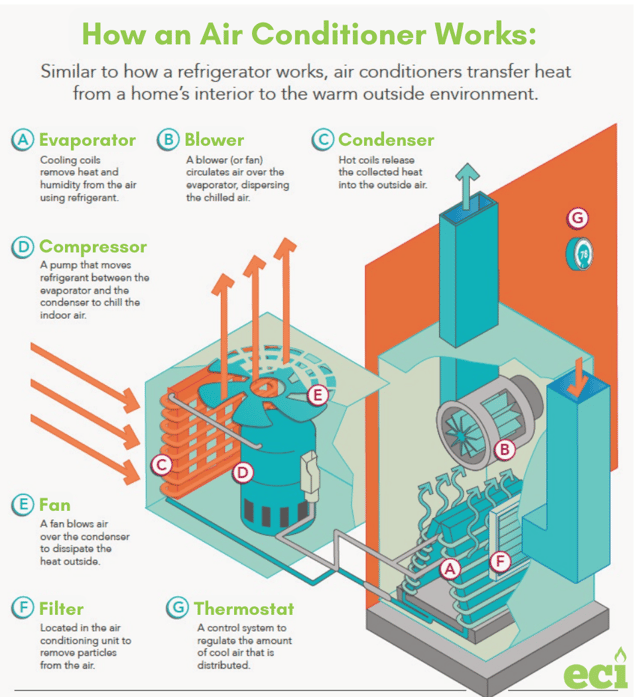
The indoor unit is inside your home. It contains the evaporator coil and a blower fan. The evaporator coil cools the air by absorbing heat.
The blower fan moves air from your rooms over the coil. This sends cool air back into your home. The indoor unit also removes moisture from the air.
- Evaporator coil cools and dehumidifies air
- Blower fan circulates air throughout the house
- Located inside, usually in the air handler or furnace
Outdoor Unit
The outdoor unit sits outside your home. It holds the compressor, condenser coil, and a fan. The compressor pumps refrigerant through the system.
The condenser coil releases heat from the refrigerant to the outside air. The fan helps cool the coil by blowing air over it. This unit works hard to remove heat from inside your house.
- Compressor moves refrigerant through the system
- Condenser coil releases heat outside
- Fan cools the condenser coil
- Located outside the home
Thermostat
The thermostat controls the air conditioner. It lets you set the desired temperature in your home. The thermostat tells the system when to turn on or off.
It measures the indoor temperature and keeps the home at a comfortable level. Some thermostats also allow you to program cooling schedules.
- Sets and controls room temperature
- Signals the AC to start or stop
- Measures indoor temperature
- Can have manual or programmable settings
Credit: www.ecicomfort.com
Cooling Cycle Process
Central air conditioners cool your home by moving heat outside. They use a special fluid called refrigerant to do this.
The cooling cycle has several parts that work together. Each part changes the refrigerant to move heat and cool the air.
Refrigerant Flow
The refrigerant flows through pipes inside the air conditioner. It moves in a loop between the indoor and outdoor units.
As it flows, the refrigerant changes from liquid to gas and back again. These changes help take heat from inside your home to the outside.
Compression And Condensation
The compressor squeezes the refrigerant gas. This makes it hot and high in pressure.
Next, the hot gas flows to the condenser coils outside. There, it cools down and turns into a liquid. This releases the heat outside.
- Compressor increases gas pressure and temperature
- Condenser cools gas into liquid
- Heat moves from refrigerant to outside air
Expansion And Evaporation
The liquid refrigerant passes through an expansion valve. This lowers its pressure and temperature quickly.
Then, the cold refrigerant moves through evaporator coils inside your home. It absorbs heat from the indoor air and turns back into a gas.
- Expansion valve drops refrigerant pressure
- Cold refrigerant absorbs heat inside
- Refrigerant changes to gas, cooling the air
Airflow Mechanics
Central air conditioners cool your home by moving air through a system of ducts. This airflow helps remove heat from inside your house.
The airflow works in three main parts: return air path, supply air distribution, and filter function. Each part helps keep air moving and clean.
Return Air Path
The return air path brings warm air from your rooms back to the air conditioner. This air passes through vents or grilles placed around the house.
- Air enters return ducts through wall or floor vents.
- Ducts carry the air to the air handler unit.
- The air passes through the filter before cooling.
- Warm air moves to the evaporator coil to lose heat.
Supply Air Distribution
Once the air is cooled, it moves back into your rooms through supply ducts. These ducts spread the cool air evenly to keep your home comfortable.
| Part | Function |
|---|---|
| Supply Ducts | Carry cooled air from the air handler to rooms |
| Supply Vents | Release cool air into each room |
| Registers | Control airflow direction and volume |
Filter Function
The air filter cleans dust and particles from the air before it reaches the cooling coils. Clean air helps the system work better and improves indoor air quality.
- Protects the air conditioner parts from dust buildup
- Improves airflow and cooling efficiency
- Helps reduce allergens in your home
- Needs regular cleaning or replacement

Credit: www.evapolar.com
Energy Efficiency Factors
Central air conditioners use energy to cool your home. Some factors affect how much energy they use. Understanding these factors helps save money and reduce energy waste.
Energy efficiency depends on the system’s design, size, and care. This guide explains key points to consider for better efficiency.
Seer Ratings
SEER stands for Seasonal Energy Efficiency Ratio. It shows how well an air conditioner cools using electricity. A higher SEER means better efficiency.
Energy-efficient models have SEER ratings of 14 or more. Choosing a unit with a high SEER rating can lower electric bills.
- SEER 13: Minimum efficiency allowed in many areas
- SEER 16: Good balance of cost and savings
- SEER 20+: Very energy efficient but more expensive
Proper Sizing
Choosing the right size of the air conditioner is important. A unit too big or too small wastes energy and reduces comfort.
A properly sized system cools your home evenly and runs less. This saves energy and extends the system’s life.
- Too large: Turns on and off often, using more energy
- Too small: Runs all the time and may not cool well
- Correct size: Runs efficiently and keeps steady temperature
Maintenance Importance
Regular maintenance keeps your air conditioner working well. Dirty parts and low refrigerant reduce efficiency and increase costs.
Simple tasks like cleaning filters and checking coils help the system run smoothly. Professional checkups find problems early.
- Clean or replace filters every 1-3 months
- Keep outdoor unit free of debris and dirt
- Schedule annual professional inspections
- Fix leaks and recharge refrigerant as needed
Common Issues
Central air conditioners can stop working properly for many reasons. Some problems are easy to fix. Others may need a professional.
Understanding common issues helps you know what to check. It can save time and keep your home cool.
Refrigerant Leaks
Refrigerant is the liquid that cools your home. If it leaks, the system loses its cooling power.
Leaks often happen in pipes or coils. Low refrigerant causes the air conditioner to run longer and use more energy.
- Look for oily spots on pipes or connections
- Listen for hissing sounds near the outdoor unit
- Watch for weak cooling or warm air
Frozen Coils
Frozen coils stop your air conditioner from cooling. Ice can form on the evaporator coils inside.
Frozen coils happen when airflow is low or refrigerant is low. Dirty filters and blocked vents cause poor airflow.
- Check and replace dirty air filters
- Clear any blockages near vents
- Ensure refrigerant levels are correct
Thermostat Problems
The thermostat controls when your air conditioner turns on and off. Wrong settings cause poor cooling.
Thermostats can have dead batteries or faulty sensors. This causes the unit to run too much or not at all.
- Replace thermostat batteries regularly
- Make sure the thermostat is set to cool mode
- Keep the thermostat away from heat sources

Credit: www.aljazeera.com
Tips To Improve Performance
Central air conditioners cool your home by removing heat and moisture from the air. To keep them working well, you need to do some simple maintenance.
Following a few easy tips can help your system run better and use less energy.
Regular Filter Cleaning
Clean filters allow air to flow freely. Dirty filters make your air conditioner work harder and use more energy.
Check and clean or replace your filters every 1 to 3 months. This keeps your system efficient and improves air quality.
Seal Air Ducts
Leaky air ducts waste cool air and raise energy bills. Sealing ducts stops air loss and improves airflow.
Use duct tape or mastic sealant to close leaks. This helps your air conditioner cool your home evenly.
Use Programmable Thermostats
Programmable thermostats let you set temperatures for different times. This saves energy when you are not home.
Set the thermostat higher when you are away and lower it before you return. This keeps your home comfortable and reduces costs.
Frequently Asked Questions
How Does A Central Air Conditioner Cool Your Home?
A central air conditioner cools your home by circulating refrigerant through coils. This process absorbs heat from indoor air. The cooled air is then blown into your home through ducts. Simultaneously, the absorbed heat is expelled outside. This cycle continues until the desired indoor temperature is reached.
What Components Make Up A Central Ac System?
A central AC system consists of several components: the compressor, condenser, evaporator coil, and air handler. The compressor and condenser are usually located outside. The evaporator coil and air handler are inside. Together, they work to cool and circulate air throughout your home.
How Often Should You Service A Central Ac?
It is recommended to service your central AC at least once a year. Regular maintenance ensures efficient operation and prolongs the lifespan of the unit. A professional technician can check for any issues, clean components, and optimize performance. Spring is often the best time for servicing.
Can A Central Ac Improve Indoor Air Quality?
Yes, a central AC can improve indoor air quality by filtering and circulating air. It removes dust, pollen, and other pollutants. Regular maintenance and filter changes enhance its air-cleaning efficiency. However, it is also essential to ensure proper ventilation and humidity control for optimal indoor air quality.
Conclusion
Central air conditioners keep homes cool by moving heat outside. They use a simple process with four main parts: compressor, condenser, expansion valve, and evaporator. Air moves through ducts to spread cool air inside. Regular maintenance helps systems run smoothly and save energy.
Knowing how these units work makes it easier to use them well. Stay comfortable all summer by understanding your air conditioner’s role. It’s not magic—just smart science at work.