Have you ever wondered what happens to your kitchen scraps and garden waste when you toss them into a compost bin? Understanding how compost bins work can transform the way you handle waste and help you grow healthier plants.
Imagine turning food scraps into rich, dark soil that nourishes your garden—all while reducing trash and helping the environment. You’ll discover the simple science behind compost bins and how you can easily create your own natural recycling system at home.
Ready to unlock the secrets of composting and make a real difference? Keep reading to find out how!
Credit: extension.msstate.edu
The Basics Of Composting
Composting turns organic waste into rich soil. It helps reduce trash and supports plant growth.
A compost bin holds kitchen scraps and garden waste. Over time, these materials break down into compost.
What Materials Can You Compost?
Compost needs a mix of green and brown materials. Greens add nitrogen, and browns add carbon.
- Green materials: fruit scraps, vegetable peels, coffee grounds
- Brown materials: dry leaves, paper, straw, cardboard
- Do not compost meat, dairy, or oily foods
How Does A Compost Bin Work?
The bin holds organic matter in one place. Air and moisture help microbes break down waste.
Microorganisms eat the scraps and create heat. This process turns waste into nutrient-rich compost.
Tips For Successful Composting
| Tip | Why It Helps |
| Turn the compost regularly | Adds air, speeds up decay |
| Keep the pile moist | Supports microbes’ activity |
| Balance greens and browns | Maintains good nutrient levels |
| Use a covered bin | Retains moisture and heat |
Choosing The Right Compost Bin
Picking the right compost bin helps you recycle kitchen scraps and yard waste easily. The right bin keeps the process clean and fast.
Consider the type, size, and material of the bin before buying. These factors affect how well your compost breaks down.
Types Of Compost Bins
There are many compost bin types to fit your space and needs. Some bins are simple, while others have special features.
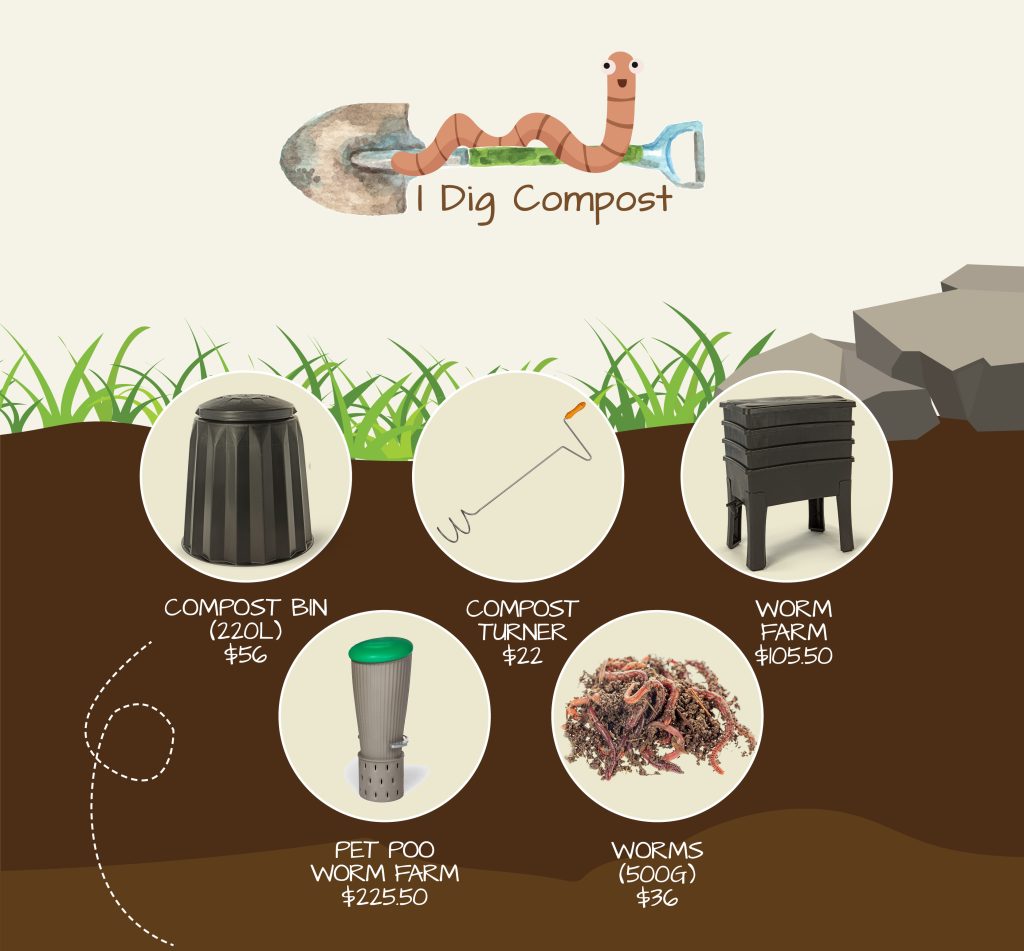
- Stationary Bins:These bins stay in one place. They are good for large gardens.
- Tumbling Bins:These bins spin to mix compost. They speed up the process.
- Worm Bins:These use worms to break down scraps quickly. They work well indoors.
- Trench Composting:You dig a hole in the ground and add scraps. It is simple and natural.
Size And Material Considerations
Size matters because it affects how much waste you can compost. Material affects durability and how the bin handles moisture.
| Factor | What to Consider |
| Size | Choose a size based on your waste amount and space available. |
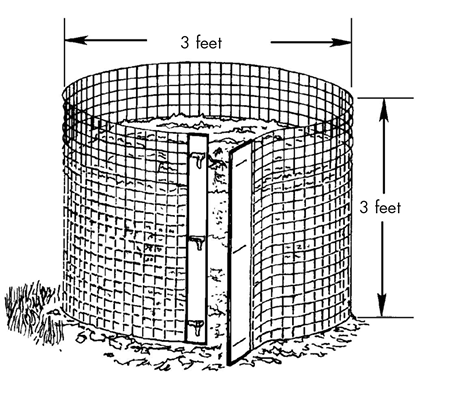
| Material | Plastic bins are light and easy to clean. Metal bins last longer but may rust. |
| Ventilation | Good airflow helps the compost break down without bad smells. |
| Access | Look for bins with doors or lids for easy turning and removal of compost. |
Key Ingredients For Composting
Composting turns waste into rich soil. It needs specific materials to work well.
Green and brown materials feed the compost. They help break down the waste properly.
Green And Brown Materials
Green materials are moist and full of nitrogen. Brown materials are dry and rich in carbon.
- Green materials include grass clippings, vegetable scraps, and coffee grounds.
- Brown materials include dry leaves, straw, paper, and cardboard.
- Both types are needed for healthy compost.
Balancing Carbon And Nitrogen
Balance carbon and nitrogen for fast composting. Too much of one slows the process.
| Material Type | Example | Role in Compost |
| Green | Vegetable scraps | Provide nitrogen for microbes |
| Brown | Dry leaves | Supply carbon for energy |

Credit: imaginacres.com
The Composting Process
Composting turns kitchen scraps and yard waste into nutrient-rich soil. It uses natural decay to recycle organic materials.
The process needs the right balance of ingredients and care. This helps break down materials quickly and safely.
Layering Techniques
Layering different types of compost materials is key. It creates the best environment for microbes to work.
- Start with coarse materials like small branches for airflow.
- Add a layer of green waste such as vegetable scraps and grass clippings.
- Follow with a layer of brown materials like dry leaves or paper.
- Repeat layers until the bin is full.
- End with a thin layer of soil or finished compost to add microbes.
Turning And Aeration
Turning the compost helps air reach all parts of the pile. This speeds up decomposition and stops bad smells.
| Action | Purpose |
|---|---|
| Turn compost every 1-2 weeks | Mix materials and add oxygen |
| Use a pitchfork or compost aerator tool | Loosen compacted layers |
| Check moisture levels | Keep compost damp but not wet |
| Cover compost | Keep heat and moisture inside |
Managing Moisture Levels
Keeping the right moisture in your compost bin helps break down materials. Too much or too little water can slow the process. It also affects how well your compost smells and looks.
Checking moisture often keeps your compost healthy. You can fix problems before they stop the breakdown.
Signs Of Too Much Or Too Little Moisture
You can tell if your compost is too wet or too dry by looking and smelling it. Here are some signs to watch for:
- Too much moisture:Compost feels soggy and heavy.
- Too much moisture:Water may pool at the bottom of the bin.
- Too much moisture:It smells bad or like rotten eggs.
- Too little moisture:Compost looks dry and crumbly.
- Too little moisture:Materials break down very slowly.
- Too little moisture:Dust or dry patches appear on the surface.
Tips For Maintaining Optimal Moisture
Follow these easy tips to keep your compost moisture just right:
- Add dry materials like leaves or shredded paper if it is too wet.
- Spray water lightly when the compost feels dry.
- Turn the compost regularly to spread moisture evenly.
- Cover the bin to protect it from heavy rain or sun.
- Check moisture by squeezing a handful of compost; it should feel like a damp sponge.
Troubleshooting Common Issues
Compost bins help turn kitchen waste into rich soil. Sometimes, problems occur during composting. Fixing these issues keeps compost healthy and working well.
Below are common problems and simple ways to solve them. This guide helps you keep your compost bin clean and effective.
Odor Problems
Bad smells from your compost bin usually mean it is too wet or lacks air. These smells come from rotting materials without enough oxygen.
To fix odors, turn the compost to add air. Add dry materials like leaves or shredded paper to balance moisture. Avoid putting meat or dairy in the bin.
- Turn compost regularly to increase airflow
- Add dry brown materials to soak up moisture
- Keep the bin covered but allow some air
- Do not add meat, dairy, or oily foods
Pest Prevention
Pests like flies, rodents, and insects can bother your compost bin. They are attracted to food scraps and open bins. Keeping pests away keeps compost safe and clean.
Use a bin with a secure lid and small vents. Bury food scraps under a layer of brown materials. Avoid adding too many fruit peels or sweet scraps at once.
- Choose bins with tight lids and small air holes
- Cover food scraps with leaves or shredded paper
- Do not add large amounts of fruit or sweet food
- Keep compost area clean and free of spilled food
Harvesting And Using Compost
Compost bins turn kitchen scraps and yard waste into rich soil. This soil, called compost, helps plants grow strong.
Knowing when to harvest compost and how to use it is key for a healthy garden. Good compost improves soil and saves money.
When Is Compost Ready
Compost is ready when it looks dark and crumbly. It should smell like earth, not rotten or sour.
The materials inside the bin break down over time. This usually takes a few months if you turn the compost regularly.
- The pile shrinks in size.
- Original scraps disappear or turn into small bits.
- The compost feels soft and moist.
- No large food pieces or leaves remain.
Applications In Gardening
Compost can be used in many ways to improve your garden. It adds nutrients and helps soil hold water better.
Use compost to feed plants, improve garden beds, and reduce waste. It supports healthy roots and strong plant growth.
- Mix compost into soil before planting.
- Use as mulch around flowers and vegetables.
- Add to potting soil for indoor plants.
- Top dress lawns to improve grass health.
Environmental Benefits Of Composting
Composting helps turn waste into useful material. It supports a healthier planet by reducing trash.
This natural process recycles food scraps and yard waste into nutrient-rich soil. It helps the environment in many ways.
Reducing Waste
Compost bins keep organic waste out of landfills. This reduces the amount of garbage that fills trash sites.
Food scraps and yard trimmings make up a large part of household waste. Composting these materials lowers pollution and saves landfill space.
- Less trash means fewer trucks on the road
- Reduced landfill waste lowers methane gas release
- Composting helps recycle natural materials
Improving Soil Health
Compost adds valuable nutrients back into the soil. It improves soil structure and helps plants grow strong.
Healthy soil retains water better. It reduces the need for chemical fertilizers and helps protect the environment.
- Increases soil fertility naturally
- Improves soil moisture retention
- Supports beneficial microbes and earthworms

Credit: www.shutterstock.com
Frequently Asked Questions
What Materials Can Go Inside A Compost Bin?
Compost bins accept organic waste like fruit peels, vegetable scraps, coffee grounds, eggshells, and yard waste. Avoid meat, dairy, and oily foods to prevent odors and pests. Proper materials help create nutrient-rich compost efficiently and safely.
How Long Does Composting Take In A Bin?
Composting typically takes 2 to 6 months, depending on temperature, moisture, and material type. Turning the compost speeds up decomposition. Warmer conditions also help microbes break down waste faster, producing usable compost sooner.
How Do I Maintain The Right Moisture In Compost?
Keep compost moist like a wrung-out sponge—neither too dry nor soggy. Water if it feels dry and add dry materials if too wet. Proper moisture supports microbial activity essential for efficient decomposition.
Why Should I Turn My Compost Regularly?
Turning compost aerates the pile, providing oxygen to microbes. This speeds up decomposition and prevents foul odors. Regular turning ensures even breakdown of materials, resulting in richer, faster compost production.
Conclusion
Compost bins turn kitchen and garden waste into rich soil. They help reduce trash and feed plants naturally. By mixing green and brown materials, compost breaks down faster. Regular turning keeps air flowing and speeds decay. Using compost improves garden health and saves money.
Small effort, big rewards. Start composting today to help the environment and grow better plants. Simple, effective, and good for the earth.