Have you ever wondered how green plants manage to feed themselves without any help? It might seem like magic, but there’s a fascinating process behind it that happens right inside their leaves.
Understanding how green plants produce their own food can change the way you see the world around you. You’ll discover the simple steps plants use to turn sunlight into energy, and why this natural trick is so important for life on Earth.
Keep reading, and you’ll unlock the secrets of nature’s green powerhouses.
Photosynthesis Basics
Green plants make their own food through a process called photosynthesis. This process changes sunlight into energy the plant can use. It happens mainly in the leaves.
Photosynthesis needs three main things: light, water, and carbon dioxide. The plant uses these to create food and oxygen.
Role Of Chlorophyll
Chlorophyll is a green pigment in plant cells. It absorbs sunlight and gives plants their green color. Without chlorophyll, plants cannot capture light energy.
Light Energy Capture
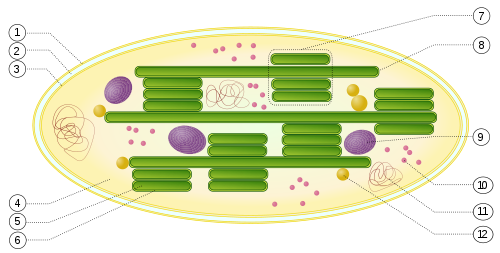
Plants capture light energy using chlorophyll inside tiny parts called chloroplasts. This energy helps change carbon dioxide and water into food.
- Light energy is absorbed by chlorophyll
- Energy splits water molecules into oxygen and hydrogen
- Oxygen is released into the air
- Hydrogen and energy help make glucose (plant food)
Carbon Dioxide And Water Intake
Plants take in carbon dioxide through tiny holes called stomata. Water is absorbed by roots from the soil. Both move to the leaves for photosynthesis.
| Substance | Source | Role in Photosynthesis |
|---|---|---|
| Carbon Dioxide | Air (through stomata) | Combines with hydrogen to form glucose |
| Water | Soil (absorbed by roots) | Splits to release oxygen and provide hydrogen |
| Oxygen | Produced during photosynthesis | Released into the air |
Credit: hubbub.org.uk
Light-dependent Reactions
Green plants make their own food using sunlight. The first part of this process is called light-dependent reactions.
These reactions happen in the chloroplasts and need light to work. They create energy molecules that help make food.
Photon Absorption
Light energy comes as tiny packets called photons. Chlorophyll in plants absorbs these photons.
Absorbing light excites electrons, giving them energy to start the food-making process.
Water Splitting And Oxygen Release
Plants use light energy to split water into oxygen, protons, and electrons. This process is called photolysis.
Oxygen is released into the air, and electrons replace those lost by chlorophyll during photon absorption.
- Water (H2O) splits into oxygen (O2), protons (H+), and electrons (e–)
- Oxygen exits the leaf as a gas
- Electrons go to the electron transport chain
Atp And Nadph Formation
Electrons move through proteins in the chloroplast. This movement helps make ATP and NADPH.
ATP and NADPH carry energy used later to build sugars in the plant.
- ATP stores energy as a small molecule
- NADPH carries high-energy electrons
- Both are needed for the next food-making step
Light-independent Reactions
Green plants produce their own food using photosynthesis. Part of this process is the light-independent reactions.
These reactions occur in the stroma of the chloroplasts. They do not need light to happen.
Calvin Cycle Steps
The Calvin Cycle has several steps that help plants make food.
- Carbon fixation
- Reduction phase
- Regeneration of RuBP
Carbon Fixation
Carbon fixation is the first step. It captures carbon dioxide from the air.
This carbon dioxide is combined with a five-carbon sugar called RuBP.
Glucose Production
Glucose is made during the Calvin Cycle. It serves as food for the plant.
| Stage | Function |
| Carbon Fixation | Captures CO2 |
| Reduction | Forms G3P |
| Regeneration | Reforms RuBP |
Factors Affecting Food Production
Green plants make their own food using sunlight, water, and air. This process is called photosynthesis. Some things can change how well plants make food.
Understanding these factors helps us know what plants need to grow strong and healthy.
Light Intensity
Light is very important for plants to make food. The brighter the light, the more food plants can produce. But too much light can also harm the plant.
- Low light means less food production.
- Medium light gives good food production.
- Very high light may cause damage to leaves.
Carbon Dioxide Levels
Plants use carbon dioxide from the air to make food. When there is more carbon dioxide, plants can produce more food. If carbon dioxide is low, food production slows down.
| CO2Level (ppm) | Effect on Food Production |
|---|---|
| Below 200 | Low food production |
| 200 – 400 | Normal food production |
| Above 400 | Increased food production |
Temperature Influence
Temperature affects how fast plants make food. Most plants work best at moderate temperatures. Too hot or too cold slows down food production.
- Low temperatures reduce photosynthesis.
- Optimal temperatures increase food production.
- High temperatures can damage plant cells.
Importance For Ecosystems
Green plants make their own food using sunlight. This process is called photosynthesis. It helps plants grow and survive.
Plants play a big role in nature. They keep ecosystems healthy and balanced.
Energy Source For Life
Plants use sunlight to make food. This food is energy for the plants themselves. It also gives energy to other living things.
Animals eat plants or eat animals that eat plants. This way, energy moves through the ecosystem.
Oxygen Supply
Plants produce oxygen during photosynthesis. This oxygen is released into the air. It is essential for animals and humans to breathe.
Without plants, the air would have less oxygen. Life on Earth would struggle to survive.
Food Chain Foundation
Green plants are the base of the food chain. They provide food for herbivores. Herbivores are eaten by carnivores and omnivores.
Without plants, animals would have no food. The entire food chain depends on plants for energy and survival.
Credit: en.wikipedia.org

Credit: www.scribd.com
Frequently Asked Questions
How Do Green Plants Make Food Using Sunlight?
Green plants make food through photosynthesis. They use sunlight, water, and carbon dioxide to produce glucose. Chlorophyll in leaves captures light energy. This process creates oxygen as a byproduct and stores energy in the form of sugars for plant growth and survival.
What Role Does Chlorophyll Play In Food Production?
Chlorophyll absorbs sunlight needed for photosynthesis. It gives plants their green color. This pigment converts light energy into chemical energy. Without chlorophyll, plants cannot produce food or oxygen efficiently. It is essential for capturing sunlight to drive the food-making process.
Why Is Photosynthesis Important For Plants?
Photosynthesis provides plants with energy in the form of glucose. This energy supports growth, repair, and reproduction. It also releases oxygen, vital for many living organisms. Without photosynthesis, plants would not survive, and the ecosystem’s balance would be disrupted.
How Do Plants Use Carbon Dioxide In Food Production?
Plants take in carbon dioxide from the air through tiny leaf pores. Inside the leaf, carbon dioxide combines with water during photosynthesis. This reaction forms glucose and oxygen. Carbon dioxide is a key raw material for making plant food.
Conclusion
Green plants make their own food using sunlight, water, and air. This process, called photosynthesis, helps plants grow and stay healthy. Plants turn light energy into food energy. They also release oxygen, which we need to breathe. Understanding how plants feed helps us appreciate nature more.
It shows how life depends on green plants every day. Simple, yet amazing. Nature’s way of feeding itself.