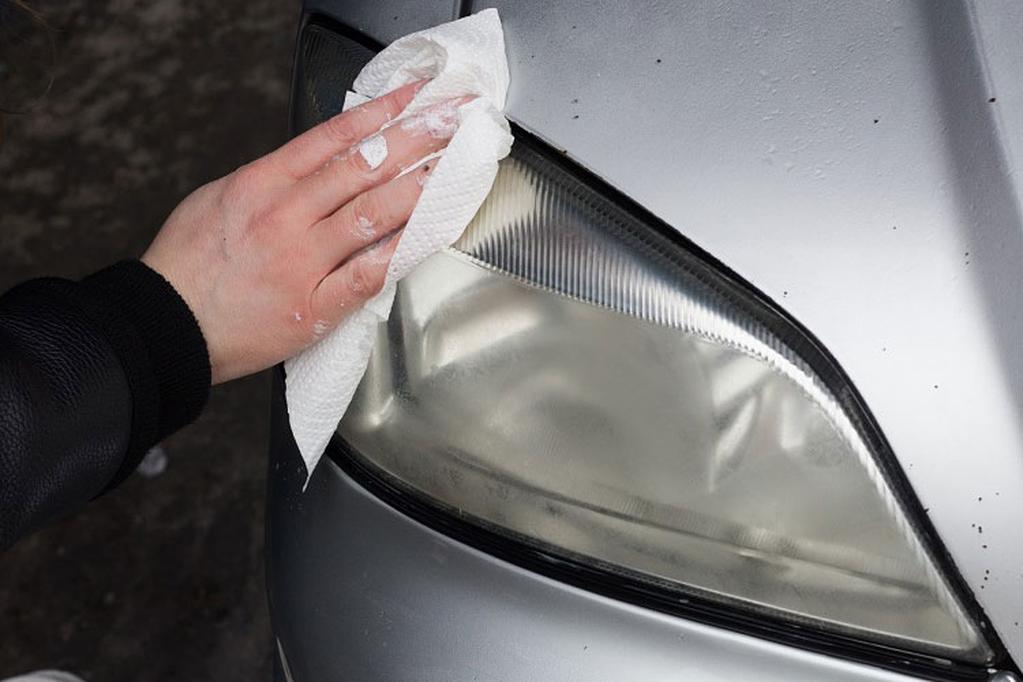
Are your car headlights looking dull or foggy? This can make driving at night harder and even unsafe.
You might think cleaning them is complicated or expensive, but it’s not. You can easily restore your headlights to their clear, bright shine with simple steps. In this guide, you’ll learn exactly how to clean your car headlights quickly and effectively.
Keep reading, and you’ll be surprised how much better your car looks—and how much safer you feel on the road.
Why Clean Headlights Matter
Clean headlights help your car stay safe on the road. Dirt and grime can cover the lights.
When headlights are clear, you see better and other drivers see you more easily.
Safety Benefits
Dirty headlights reduce how far you can see at night. This makes driving risky.
- Clear headlights help you spot obstacles early.
- Other drivers can notice your car sooner.
- It lowers the chance of accidents in low light.
Improved Visibility
Bright headlights light up the road better. This helps you drive safely in rain or fog.
| Condition | Effect of Clean Headlights |
| Night Driving | Clear vision up to 30% farther |
| Rain | Better road surface visibility |
| Fog | Lights penetrate fog easier |
Enhancing Car Appearance
Clean headlights make your car look newer and well cared for. This gives a good impression.
Benefits of clean headlights include:
- Shiny, clear lights that match your car’s paint
- Better resale value with well-maintained look
- Shows attention to car care and safety
Common Causes Of Headlight Cloudiness
Car headlights can become cloudy over time. This cloudiness reduces light output and makes driving at night harder.
Several factors cause headlights to lose their clear look. Understanding these helps you clean and protect them better.
Uv Damage
Sunlight contains ultraviolet (UV) rays. These rays break down the plastic on headlights.
UV damage causes the plastic to turn yellow and cloudy. This makes headlights less clear and less bright.
Oxidation
Oxidation happens when oxygen reacts with the headlight surface. This reaction forms a hazy layer on the plastic.
The hazy layer blocks light and makes headlights look dull. It usually occurs after long exposure to air and sunlight.
- Oxidation dulls the surface
- It reduces light brightness
- Cleaning can remove oxidation
Road Debris And Dirt
Small rocks, dust, and dirt hit headlights while driving. These particles scratch and wear down the plastic surface.
Road debris can cause tiny cracks that trap dirt. This makes headlights look cloudy and dirty.
- Debris causes scratches
- Dirt gets trapped in scratches
- Regular cleaning helps prevent buildup
Tools And Materials Needed
Cleaning your car headlights requires specific tools and materials. Using the right items makes the process easier and more effective.
This guide covers the main tools and materials you will need to restore your headlights.
Cleaning Solutions
Cleaning solutions help remove dirt and grime from headlights. Choose one that is safe for plastic surfaces.
- Mild soap mixed with water
- Commercial headlight cleaner
- White vinegar diluted with water
- Baking soda paste
Sandpaper And Polishing Pads
Sandpaper and polishing pads smooth out scratches and cloudiness. Use the right grit for the best results.
| Tool | Use | Grit/Type |
| Wet sandpaper | Remove oxidation | 800 to 2000 grit |
| Polishing pad | Apply polish evenly | Soft foam or microfiber |
| Microfiber cloth | Buff and dry surface | Non-abrasive |
Protective Gear
Wear protective gear to keep yourself safe during cleaning. This avoids irritation and injury.
- Safety goggles to protect eyes
- Rubber gloves to protect skin
- Mask to avoid inhaling dust
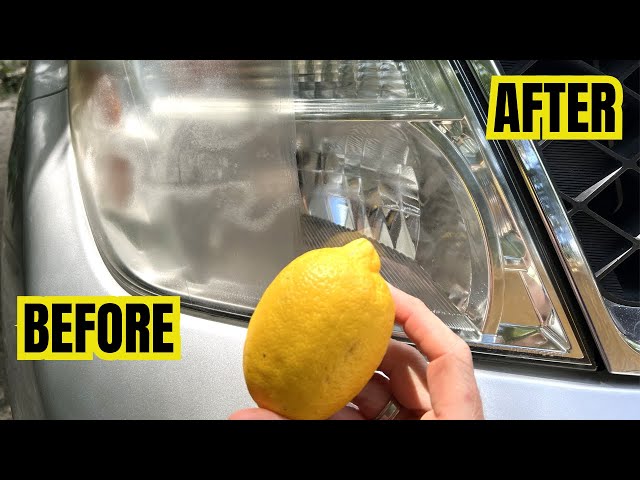
Credit: www.youtube.com
Step-by-step Cleaning Methods
Car headlights get dirty and cloudy over time. This reduces visibility at night. Cleaning them is easy and can improve safety.
Here are four simple ways to clean your car headlights with items you may have at home or from a store.
Using Toothpaste
Toothpaste acts as a mild abrasive that can remove dirt and cloudiness. Follow these steps for a clear headlight:
- Wash the headlight with soap and water.
- Apply a small amount of toothpaste on a soft cloth.
- Rub the toothpaste on the headlight in circular motions.
- Keep rubbing for about 5 minutes.
- Rinse with clean water and dry with a towel.
Applying Baking Soda Paste
Baking soda is another gentle abrasive that cleans headlights well. Use this method:
- Mix two tablespoons of baking soda with water to make a paste.
- Clean the headlights with soap and water first.
- Apply the baking soda paste on the headlight surface.
- Scrub gently using a soft cloth or sponge.
- Rinse with water and wipe dry.
Wet Sanding Technique
Wet sanding removes deep yellowing and scratches. It is more advanced and needs care. Use these steps:
| Step | Description |
| 1 | Clean headlights with soap and water. |
| 2 | Wet sand using fine-grit sandpaper (1000-2000 grit). |
| 3 | Sand in horizontal strokes, keep surface wet. |
| 4 | Switch to finer grit and sand vertically. |
| 5 | Rinse and dry the headlight thoroughly. |
| 6 | Apply polish or sealant to protect the surface. |
Commercial Headlight Restoration Kits
Many stores sell kits that include everything needed to clean headlights. These kits usually have sandpaper, polish, and sealant.
Instructions usually include:
- Cleaning the headlight surface.
- Using sandpaper to remove damage.
- Applying polish to clear the lens.
- Sealing to protect from future clouding.
Tips For Maintaining Clean Headlights
Clean headlights improve your car’s look and safety. Dirt and grime can make them dull.
Keeping headlights clean helps you see better at night. It also makes your car safer.
Regular Cleaning Schedule
Clean your headlights often to avoid buildup of dirt and grime. Use mild soap and water.
Wipe headlights gently with a soft cloth to prevent scratches. Regular cleaning keeps them clear.
- Wash headlights every two weeks
- Use a soft cloth or sponge
- Rinse with clean water
- Dry completely to avoid water spots
Applying Uv Sealant
UV rays cause headlights to yellow and fade over time. Applying a UV sealant protects them.
Use a UV sealant after cleaning. It creates a clear layer that blocks sun damage and keeps headlights bright.
- Clean headlights before applying sealant
- Apply sealant evenly with a cloth
- Let sealant dry fully
- Reapply every few months for best protection
Parking In Shade
Parking your car in the shade reduces sun exposure. This helps keep headlights from fading.
Avoid leaving your car in direct sunlight for long times. Shade protects headlights and paint.
- Choose shaded parking spots
- Use car covers if shade is not available
- Shade lowers heat that damages headlights

Credit: www.carsales.com.au
When To Seek Professional Help
Cleaning car headlights is often simple. But some problems need expert care. Knowing when to get help saves time and effort.
This guide covers signs that show you should visit a professional for your headlights.
Severe Damage
Headlights with deep cracks or broken covers need a professional. They can fix or replace parts safely. Driving with damaged headlights is unsafe.
- Cracks that let water inside
- Broken or missing lens cover
- Fogging that worsens after cleaning
- Scratches too deep for home repair
Electrical Issues
Headlights that flicker or do not turn on may have electrical problems. Professionals can check wiring and bulbs. Avoid fixing electrical parts yourself.
| Problem | Possible Cause | Professional Action |
| Flickering light | Loose wiring | Secure connections |
| No light | Burned bulb or fuse | Replace bulb or fuse |
| Dim light | Corroded contacts | Clean or replace contacts |
Restoration Vs Replacement
Deciding between restoring or replacing headlights can be hard. A professional can advise the best choice. They look at damage and cost.
Here are signs to help you decide:
- If headlights are yellowed but intact, restoration is a good option.
- If headlights are cracked or broken, replacement is safer.
- Restoration is cheaper but may last less time.
- Replacement costs more but gives better long-term results.

Credit: www.whocanfixmycar.com
Frequently Asked Questions
How Can I Clean Cloudy Car Headlights At Home?
To clean cloudy headlights, use toothpaste or baking soda with water. Apply gently with a soft cloth, then rinse and dry. This removes oxidation and restores clarity safely and affordably.
What Household Items Work For Cleaning Headlights?
Common household items like toothpaste, baking soda, and vinegar effectively clean headlights. They remove dirt and oxidation without harsh chemicals, providing a simple DIY cleaning solution.
How Often Should I Clean My Car Headlights?
Clean headlights every 3 to 6 months to maintain brightness. Regular cleaning prevents buildup of dirt and oxidation, ensuring better visibility and safer driving at night.
Can I Use Car Wax To Protect Headlights?
Yes, applying car wax after cleaning headlights adds a protective layer. It repels dirt and slows oxidation, keeping headlights clearer for longer periods.
Conclusion
Cleaning your car headlights keeps them bright and clear. Clear headlights improve your safety while driving at night. Dirt and grime can build up quickly, so clean them often. Use simple tools like toothpaste or baking soda for easy cleaning.
Avoid harsh chemicals that might damage the headlights. Regular care helps your car look better too. Try cleaning your headlights today for better vision tomorrow. Small effort, big difference.