
Are tent caterpillars taking over your trees and garden? You’re not alone—and the good news is, you don’t have to just watch them destroy your plants.
These pesky insects can be tough to get rid of, but with the right approach, you can protect your yard and keep your trees healthy. You’ll discover simple, effective ways to stop tent caterpillars for good. Keep reading to learn how you can take back control and enjoy a pest-free outdoor space.
Identifying Tent Caterpillars
Tent caterpillars are common pests that build web-like nests in trees. They can damage branches and leaves quickly.
Knowing how to spot these insects helps protect your plants early. Look for their tents and caterpillar shapes.
Common Species
Several species of tent caterpillars exist in North America. Each has unique colors and habits.
The Eastern tent caterpillar is one of the most known. It is blue-black with white stripes and a red head.
- Eastern Tent Caterpillar (Malacosoma americanum)
- Western Tent Caterpillar (Malacosoma californicum)
- Forest Tent Caterpillar (Malacosoma disstria)
Life Cycle And Habits
Tent caterpillars start as eggs laid on tree branches. Eggs hatch in early spring and caterpillars emerge.
They build silk tents in tree forks to live and feed safely. Caterpillars eat leaves until they are ready to pupate.
- Eggs hatch in early spring
- Caterpillars build tents in tree branches
- They feed on leaves near their tents
- After feeding, they form cocoons and turn into moths
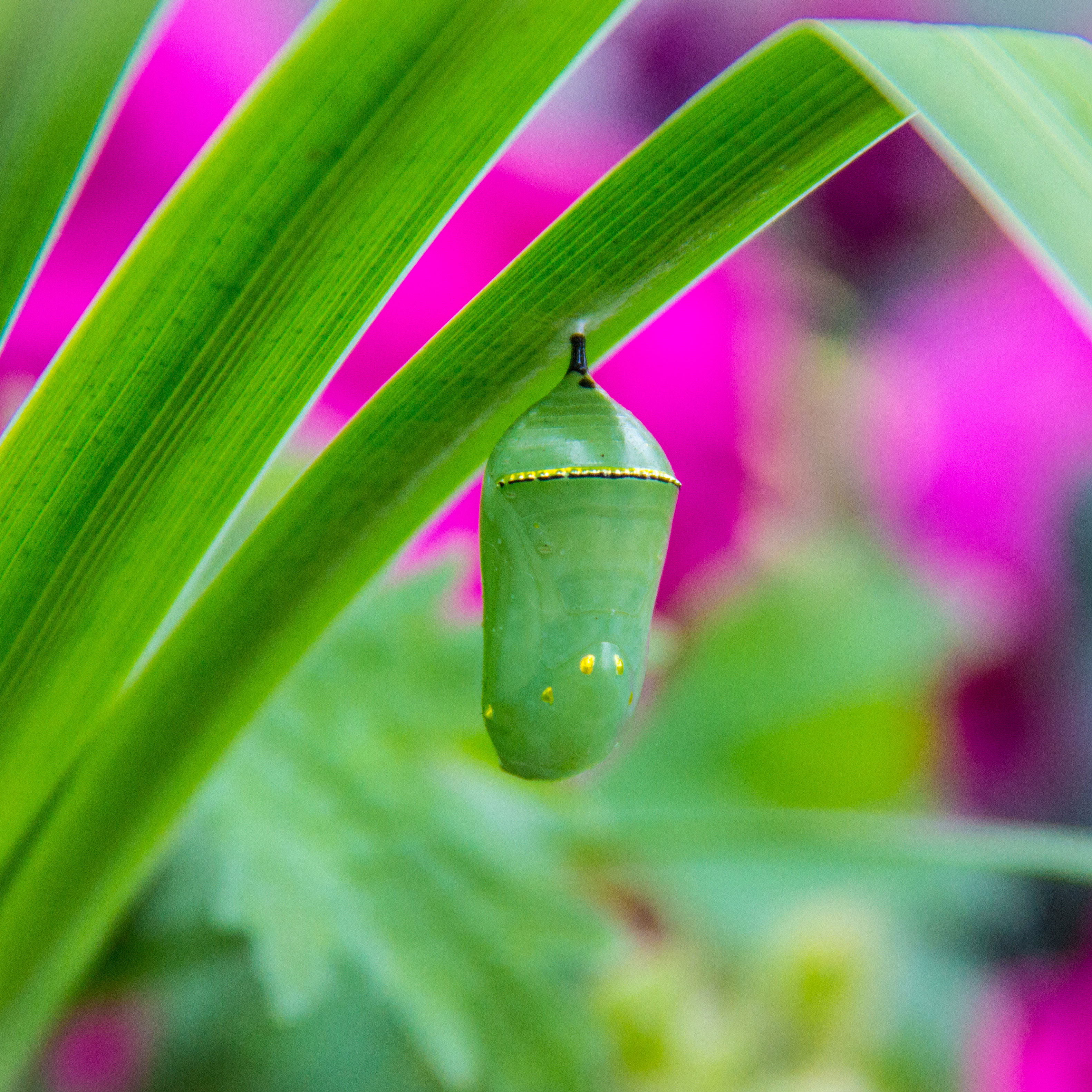
Credit: www.gardeningknowhow.com
Signs Of Infestation
Tent caterpillars can harm trees and plants quickly. You need to spot signs early to protect your garden.
Look for clear signs on trees and leaves. This helps you act before damage gets worse.
Visible Nests
Tent caterpillars build large, silky nests in tree branches. These nests look like white webs or tents.
You can find these nests in the forks of tree branches. They protect the caterpillars as they grow.
- Nests are usually in cherry, apple, and crabapple trees
- They appear in early spring when caterpillars hatch
- Nests can grow to several inches wide
Damage To Trees And Plants
Tent caterpillars eat leaves quickly. This can leave trees bare and weak.
Look for chewed or missing leaves on branches. This shows the caterpillars are feeding.
- Leaves may look ragged or have holes
- Severe damage causes early leaf drop
- Repeated infestations can stunt tree growth
Natural Control Methods
Tent caterpillars can harm trees and plants. Using natural control helps protect your garden safely.
These methods reduce caterpillars without chemicals. They keep the environment healthy for all creatures.
Manual Removal
Removing tent caterpillars by hand works well on small infestations. You can break their tents and pick off the caterpillars.
Wear gloves to protect your hands. Drop the caterpillars into a bucket of soapy water to kill them safely.
- Find and break the web-like tents on branches
- Remove caterpillars from the tents carefully
- Dispose of them in soapy water
- Repeat often during early spring
Encouraging Predators
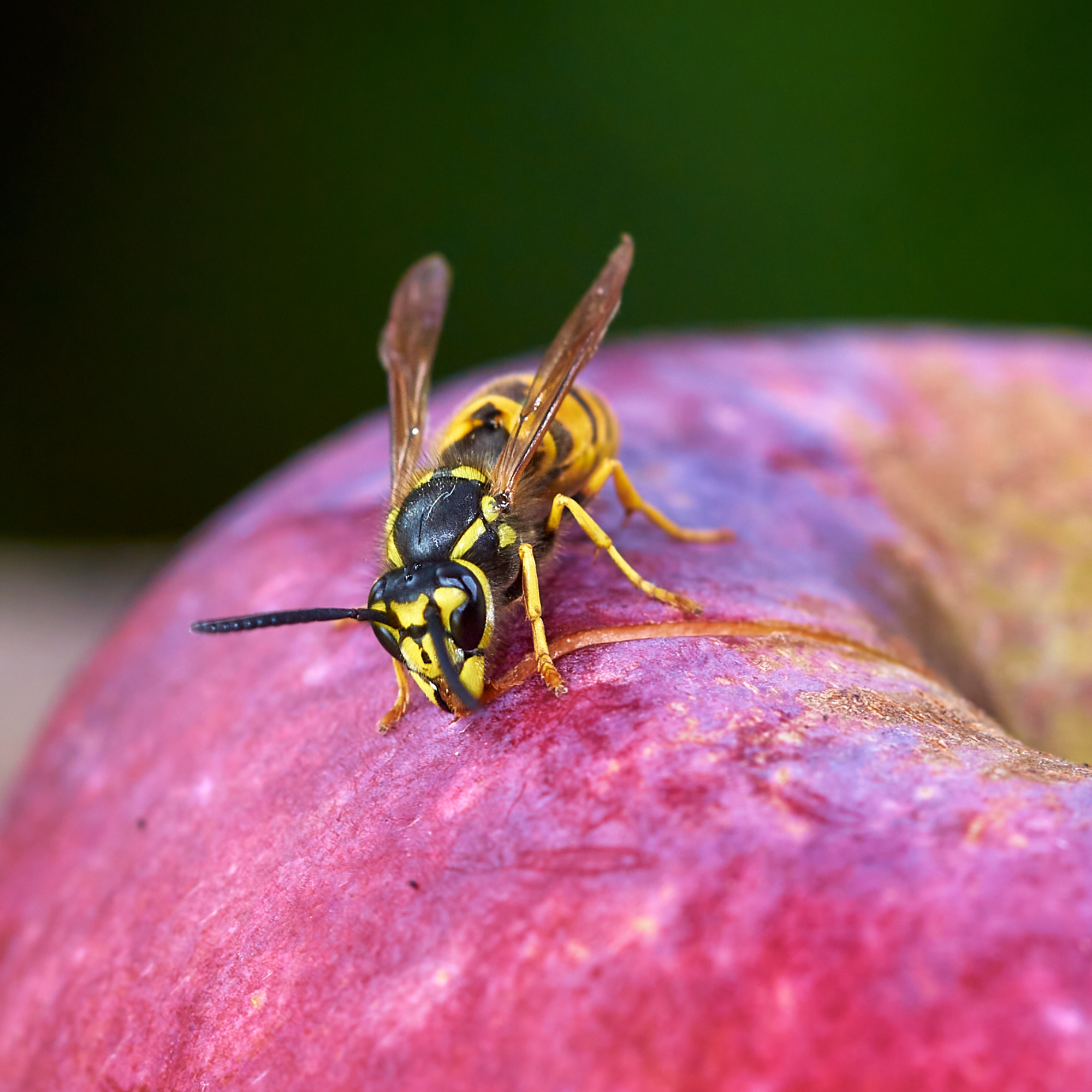
Natural enemies help control tent caterpillars. Birds, wasps, and beetles eat these pests and reduce their numbers.
Plant flowers and shrubs that attract these helpful insects and birds. Avoid using pesticides that harm them.
- Plant nectar-rich flowers to attract wasps and bees
- Provide bird feeders or houses to bring insect-eating birds
- Keep a balanced garden ecosystem for predator survival
Homemade Sprays
You can make safe sprays at home to control caterpillars. These sprays keep pests away without harming plants or animals.
Soap sprays and garlic sprays work well to kill or repel tent caterpillars. Apply these sprays directly on the caterpillars and their tents.
- Soap spray:Mix 1 tablespoon of liquid soap with 1 quart of water.
- Garlic spray:Blend garlic cloves with water, strain, then spray on caterpillars.
- Spray in early morning or late evening for best results.
Chemical Control Options
Tent caterpillars can harm trees and plants. Chemical control helps reduce their numbers fast. Use pesticides carefully to protect your garden.
Choosing the right chemicals and applying them safely keeps people and pets safe. Learn how to select and use pesticides properly.
Choosing The Right Pesticide
Pick a pesticide made for caterpillars or moth larvae. Look for products with Bacillus thuringiensis (Bt) or spinosad. These target caterpillars and are less harmful to other insects.
Check the label to confirm it works on tent caterpillars. Follow the instructions on how much to use and when to apply.
- Bacillus thuringiensis (Bt) is a natural bacteria that kills caterpillars.
- Spinosad is a natural insecticide effective on soft-bodied insects.
- Pyrethroids can work but may harm bees and beneficial insects.
- Choose pesticides safe for your plants and environment.
Safe Application Practices
Wear protective clothing like gloves and masks when spraying pesticides. Avoid spraying on windy days to prevent drift.
Apply pesticides early in the morning or late in the evening. This reduces harm to bees and other helpful insects. Always follow label directions exactly.
- Keep children and pets away during application.
- Do not overuse pesticides to avoid resistance.
- Store chemicals in a safe place away from food.
- Dispose of empty containers properly.
Preventive Measures
Tent caterpillars can damage trees and shrubs. Taking early steps helps stop their growth.
Use preventive measures to keep these pests away from your plants.
Tree Maintenance
Keep trees healthy to reduce tent caterpillar infestations. Prune dead or weak branches regularly.
Proper tree care makes it harder for caterpillars to thrive and spread.
- Remove egg masses in late winter before they hatch
- Thin dense branches to improve air flow and light
- Water trees during dry periods to keep them strong
- Apply dormant oil sprays to kill overwintering eggs
Regular Monitoring
Check trees and shrubs often for early signs of tent caterpillars. Early detection helps control them faster.
Look for silky webs in tree branches and small caterpillars feeding on leaves.
- Inspect trees weekly during spring and early summer
- Remove small nests by hand or with a stick
- Use sticky barriers on tree trunks to stop caterpillars from climbing
- Note any damaged areas and act quickly to protect the tree
Credit: www.gardeningknowhow.com
Long-term Strategies
Getting rid of tent caterpillars takes time and care. Using long-term strategies helps keep them away year after year.
These strategies focus on strong plants and regular garden care. They reduce the chance of caterpillars making a home in your yard.
Planting Resistant Species
Some plants do not attract tent caterpillars. Planting these species lowers the risk of infestation. They also support a healthier garden ecosystem.
Choose trees and shrubs that caterpillars avoid. These plants can act as a natural barrier in your yard.
- Plant oak and maple trees, which are less favored by tent caterpillars.
- Consider fruit trees like cherry or apple, but check for resistant varieties.
- Add native plants that support beneficial insects to control pests naturally.
- Avoid planting species that caterpillars like, such as wild cherry and crabapple.
Seasonal Care Routines
Regular care during different seasons helps stop tent caterpillars from growing. This keeps your plants strong and less inviting.
Early spring and late fall are key times to check your plants. Remove any egg masses and clean up fallen leaves.
- In early spring, inspect branches for caterpillar egg masses and remove them.
- Prune infested branches to reduce caterpillar nests before they spread.
- Clear fallen leaves and debris in fall to destroy overwintering eggs.
- Encourage birds and beneficial insects that eat tent caterpillars by providing habitats.

Credit: www.pubs.ext.vt.edu
Frequently Asked Questions
How Can I Identify Tent Caterpillars Early?
Look for silky tents in tree branches and small hairy caterpillars. Early detection helps control them effectively before severe damage occurs.
What Natural Methods Remove Tent Caterpillars?
Use handpicking or pruning to remove tents and caterpillars. Beneficial insects like birds and parasitic wasps also help reduce their numbers naturally.
Are Chemical Treatments Safe For Tent Caterpillar Control?
Yes, targeted insecticides can be safe if used properly. Always follow label instructions and avoid spraying during bloom to protect pollinators.
When Is The Best Time To Treat Tent Caterpillars?
Treat tent caterpillars in early spring before they fully mature. This timing limits their population and prevents extensive tree damage.
Conclusion
Controlling tent caterpillars takes patience and care. Start by removing their egg masses early. Use natural sprays or handpick the caterpillars. Keep trees healthy to resist damage better. Regular checks prevent big infestations later. Small steps protect your garden and trees.
Act early to stop tent caterpillars from spreading. Stay consistent and watch your plants thrive. You can keep your yard free of these pests. Simple actions make a big difference in the end.