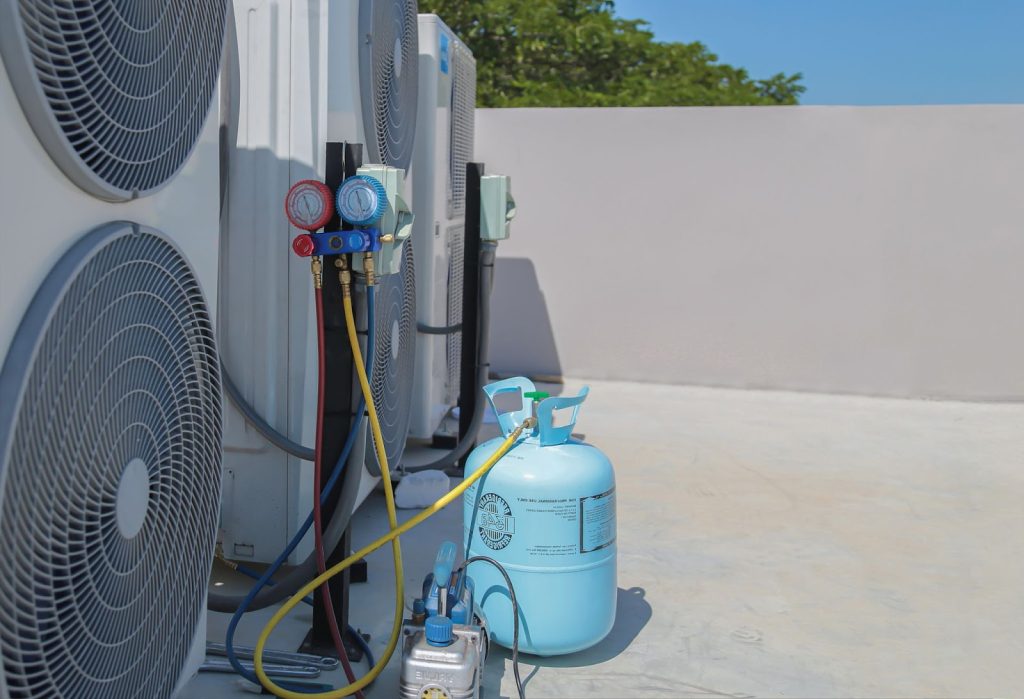
Is your air conditioner not cooling like it used to? You might be wondering, “How do I know if my air conditioner needs Freon?” If your home feels warmer than it should or your AC seems to be working harder without much result, it could be a sign that your Freon levels are low.
Knowing the warning signs early can save you from costly repairs and keep your home comfortable all year round. Keep reading to learn the simple ways to check if your air conditioner needs a Freon refill and what steps you should take next.
Low Cooling Performance
When your air conditioner cools less than usual, it might need Freon. Freon is a gas that helps the unit cool the air. Low cooling means the AC is not working well.
Two common signs of low Freon are warm air from vents and longer cooling cycles. These signs tell you to check your AC soon.
Warm Air From Vents
If warm air blows from your vents instead of cold air, your AC may have low Freon. The gas helps cool the air, so a lack of it causes warm air.
- Check if the air feels less cold than before
- Look for any ice build-up on the outdoor unit
- Notice if the fan runs but the air stays warm
Longer Cooling Cycles
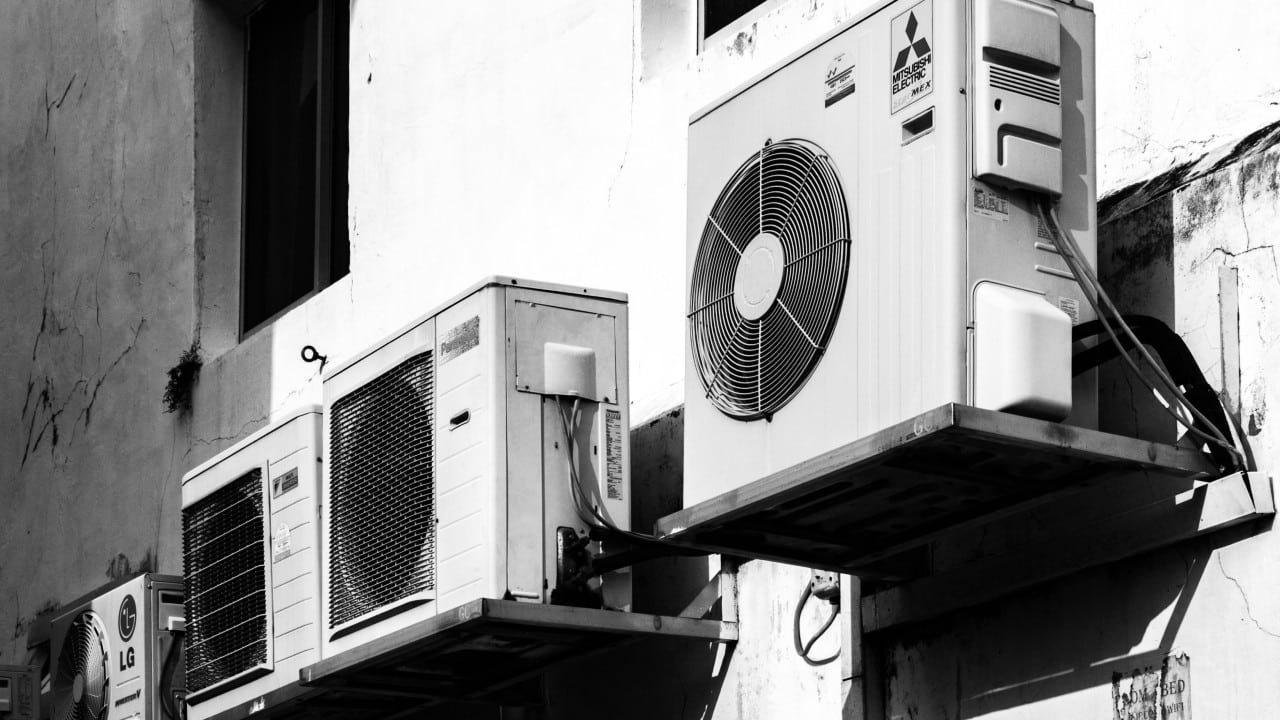
Your AC runs longer than usual to cool your space. Low Freon makes the system work hard but cool less efficiently.
| Normal Cooling Cycle | 15-20 minutes |
| With Low Freon | 30+ minutes |
| Effect | Higher energy bills and poor cooling |
Credit: bluevalleyheatingcooling.com
Ice Formation On Coils
Ice on air conditioner coils can mean your system has low Freon. This happens because Freon helps keep the coils cold. Without enough Freon, ice builds up.
Checking ice on coils helps you know if your AC needs more Freon. Look closely at two main areas where ice forms.
Frozen Evaporator Coil
The evaporator coil cools the air inside your home. It should be cold but not frozen. If you see ice on the coil, it may mean low Freon.
Low Freon causes the coil to get too cold. Moisture in the air freezes on the coil and forms ice. This ice blocks airflow and reduces cooling.
- Check if the coil is covered in thick ice
- Look for dripping water or frost buildup
- Notice if the AC blows warm air
Frost On Refrigerant Lines
Refrigerant lines carry Freon between parts of the AC. These lines should be cool but not frosty. Frost means the Freon level may be low.
When Freon is low, the lines get too cold and frost forms. This frost can block the flow of refrigerant. It harms the AC’s cooling power.
- Look for white frost on the thin copper lines
- Frost may appear near the outdoor unit
- Frost may grow and cause leaks if ignored
Hissing Or Bubbling Noises
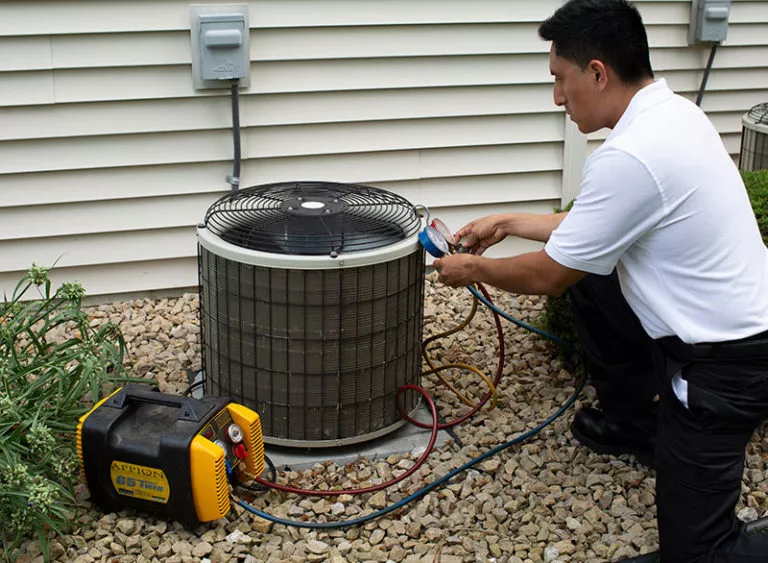
Hissing or bubbling sounds from your air conditioner often signal a problem. These noises usually relate to the refrigerant inside the system. Understanding these sounds helps you know if your unit needs Freon.
Refrigerant keeps your air conditioner cool. If it leaks, the system may make strange noises. Let’s explore the common sounds linked to refrigerant leaks and unusual noises that may occur.
Refrigerant Leak Sounds
A hissing or bubbling noise can mean a refrigerant leak. The sound usually comes from the evaporator coil or the refrigerant line. When the gas escapes, it creates these noises as it moves through the system.
- Hissing noise like air escaping a tire
- Bubbling or gurgling sound near pipes
- Whistling or faint high-pitched sounds
Unusual Air Conditioner Noises
Besides hissing and bubbling, other noises can suggest your AC needs Freon. These sounds may include clicking or clanking if the system struggles due to low refrigerant. Pay attention to changes in sound to catch issues early.
| Noise Type | Possible Cause | What It Means |
| Hissing | Refrigerant Leak | Freon may be low or escaping |
| Bubbling | Refrigerant Flow Issues | Blockage or leak in lines |
| Clicking | Compressor Problems | Low refrigerant causing strain |
| Clanking | Loose Parts | System under stress from low Freon |
Credit: www.abcsouthwest.com
High Energy Bills
High energy bills can be a sign that your air conditioner needs Freon. Freon is a refrigerant that helps cool the air. If your AC is low on Freon, it works harder to cool your home.
When your AC uses more energy, your electricity costs rise. Checking your energy bills can help you spot problems with your AC system.
Increased Electricity Usage
Your air conditioner uses more electricity when it has low Freon. The system runs longer to reach the right temperature. This extra running time raises your power consumption.
Low refrigerant makes the compressor work harder. This part of the AC uses a lot of energy. If the compressor struggles, your energy bills will go up.
- AC runs longer than usual
- Compressor works harder
- Electricity usage increases
- Higher energy bills follow
Efficiency Loss Due To Low Refrigerant
Low Freon lowers your air conditioner’s efficiency. The AC cannot cool air as well as it should. This causes your home to feel warmer even when the AC is on.
The system’s cooling power drops, so it needs to run more to keep your home cool. This wastes energy and increases costs.
- Less cooling power
- Longer running time
- More energy used
- Higher electricity bills
Freon Leak Indicators
Freon is a gas that cools your air conditioner. If your unit needs more Freon, it may have a leak. Watching for signs can help you find leaks early.
Leaks reduce cooling power and can damage your system. Look for visible clues or get a professional check to keep your AC running well.
Visible Oil Or Residue Near Lines
Freon leaks often come with oil from the AC system. Check the pipes and connections for oily spots or sticky residue. These signs mean gas may be escaping.
Oil stains appear around fittings, valves, or along the refrigerant lines. If you see these marks, your system might have a leak that needs repair.
- Look for oily or greasy patches on pipes
- Check near joints and connections
- Notice any sticky or wet spots on the AC unit
Professional Leak Detection
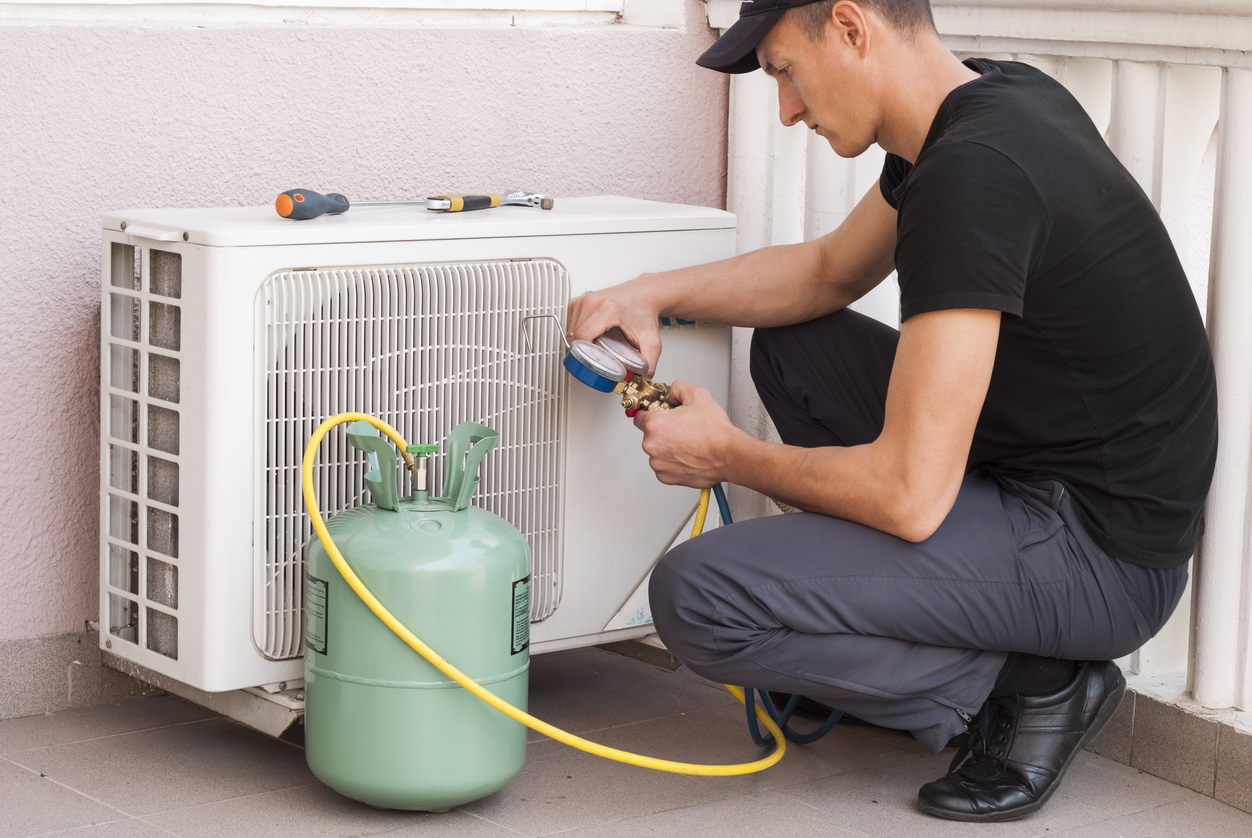
Experts use special tools to find Freon leaks that are hard to see. They may use electronic detectors or UV dye to spot leaks in your system.
Getting a professional check ensures leaks are found and fixed early. This saves energy and prevents bigger problems with your air conditioner.
Credit: www.acsystemsinc.com
Freon Recharge Process
The Freon recharge process restores the refrigerant in your air conditioner. This helps the system cool your home efficiently. Low Freon levels can cause poor cooling and damage.
Knowing when to recharge Freon keeps your air conditioner working well. It also saves energy and prevents costly repairs.
When To Call A Technician
Call a technician if your air conditioner shows signs of low Freon. These include warm air from vents, ice buildup on coils, or unusual noises. A professional can check the pressure and identify leaks.
- Air conditioner does not cool properly
- Ice forms on the refrigerant lines
- Unit runs longer than usual
- Hissing or bubbling sounds near the compressor
- Higher electricity bills without reason
Safety And Environmental Concerns
Freon is a chemical that can harm the environment if handled wrong. It is important to follow safety rules during recharge. Only trained technicians should handle Freon to avoid leaks and exposure.
| Safety Tip | Reason |
| Wear protective gloves and goggles | Prevent skin and eye contact |
| Check for leaks before recharge | Avoid releasing Freon into air |
| Use approved recovery equipment | Properly contain and recycle Freon |
| Follow local regulations | Protect environment and health |
Frequently Asked Questions
How Can I Tell If My Ac Is Low On Freon?
If your AC blows warm air or cools unevenly, it may be low on Freon. Check for ice buildup on coils or hissing sounds, which also indicate leaks. A professional can confirm and recharge the Freon safely.
What Are Common Signs Of Freon Leaks In Ac?
Common signs include reduced cooling, ice on the evaporator coil, and hissing noises. You might also notice higher energy bills. These symptoms suggest Freon is leaking and needs professional inspection and recharge.
Can I Add Freon To My Ac Myself?
It’s not recommended to add Freon yourself. Handling refrigerant requires certification and special tools. Improper charging can damage your AC or be hazardous. Always hire a licensed HVAC technician for safe and correct Freon recharging.
How Often Should My Ac Freon Be Checked?
Freon levels should be checked annually during routine maintenance. If your AC isn’t cooling well, check sooner. Regular inspections prevent leaks and keep your system efficient and reliable.
Conclusion
Knowing when your air conditioner needs freon helps keep your home cool. Watch for signs like weak airflow or warm air. Strange noises or ice on the unit can also signal low freon. Regular checks help avoid big problems later.
Call a professional to check and refill freon safely. Keep your AC running well all summer long. Don’t wait until it stops cooling. Stay comfortable and save energy by acting early.