Have you ever wondered if the pan in your kitchen is truly nonstick? You might be frustrated when food sticks or cleaning feels like a chore.
Knowing whether your pan has a nonstick surface can save you time, effort, and even money. You’ll discover simple ways to tell if your pan is really nonstick and how that knowledge can improve your cooking experience. Keep reading—you’ll be surprised by how easy it is to find out!
Visual Signs Of Nonstick Pans
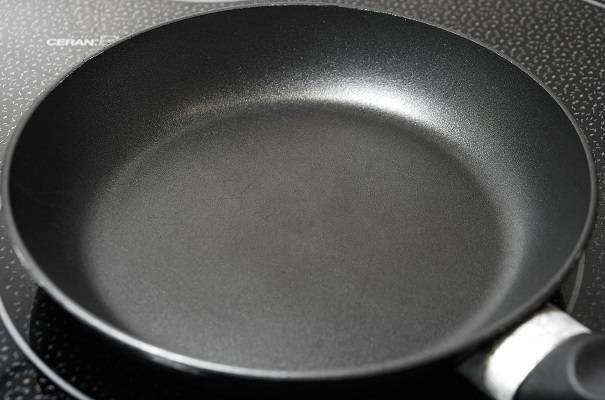
Nonstick pans are popular in kitchens for easy cooking and cleaning. You can often tell if a pan is nonstick by looking at its surface.
There are some simple visual signs that help identify a nonstick pan. These signs focus on the pan’s coating and texture.
Smooth And Shiny Surface
Nonstick pans usually have a smooth and shiny surface. This finish helps food slide off easily without sticking.
The surface feels sleek to touch and looks polished. If the pan feels rough or uneven, it is less likely to be nonstick.
- The surface is free of bumps or scratches
- The pan looks glossy under light
- It feels smooth when you run your hand over it
Dark Or Black Coating
Nonstick pans often have a dark or black coating on the cooking surface. This coating is the nonstick layer that prevents food from sticking.
The color can be matte or slightly shiny. A silver or bare metal surface usually means the pan is not nonstick.
- Look for a deep black or dark gray color
- The coating covers the entire cooking area
- The edges of the pan may show the metal underneath
Credit: misen.com
Feel And Texture Test
Knowing if your pan is nonstick can save you cooking trouble. One easy way is to check how the surface feels and looks.
This test helps you spot the smoothness and weight that nonstick pans usually have.
Smoothness To The Touch
Nonstick pans have a very smooth surface. You can run your fingers over the cooking area to feel it. It should feel slick and even, without bumps or rough spots.
- Touch the pan surface gently with your fingertips.
- Notice if the surface feels smooth and slick.
- Check for any rough or grainy areas, which mean it is not nonstick.
- Nonstick coatings often feel like a soft plastic layer.
Weight Comparison
Nonstick pans tend to be lighter than regular pans of the same size. This is because the coating is thin and does not add much weight.
| Type of Pan | Weight (Approx.) | Surface Feel |
| Nonstick Pan | 1.5 – 2.5 pounds | Smooth and slick |
| Cast Iron Pan | 5 – 8 pounds | Rough and heavy |
| Stainless Steel Pan | 3 – 5 pounds | Slightly rough |
Water Test
The water test is a simple way to check if your pan is nonstick. It uses water droplets to show how the surface reacts.
This test helps you see if the pan repels water or lets it spread out. This tells you about the pan’s coating.
Droplet Behavior
Place a few drops of water on your pan’s surface. Watch how the water behaves on the pan.
If the drops stay round and bead up, the pan likely has a nonstick coating. Water beads up because the surface repels it.
If the water spreads out flat, the pan probably does not have a nonstick surface.
Spreading Pattern
Look at how the water spreads on the pan. Nonstick pans make water form tight beads that do not spread much.
Regular pans allow water to spread thin and cover more area. This shows the surface holds water easily.
- Nonstick pan: water beads up and stays round
- Non-nonstick pan: water spreads out flat
- Water spreading shows if the surface is smooth and coated
:max_bytes(150000):strip_icc()/sea-kyocera-ceramic-nonstick-frying-pan-ashlee-redger-10-e75cc6d2f22c42498d6fd9c2a18893b1.jpeg)
Credit: www.seriouseats.com
Heat Test
Knowing if your pan is nonstick helps in cooking better meals. A simple heat test can show you this.
This test checks how oil behaves and how food cooks on the pan’s surface.
Oil Spreading And Smoking Point
Pour a small amount of cooking oil on the pan and heat it over medium flame. Watch how the oil spreads and when it starts to smoke.
- If the oil spreads evenly in a thin layer, the pan likely has a smooth nonstick surface.
- If the oil pools or forms beads, the surface is probably not nonstick.
- When the oil reaches its smoking point quickly, a nonstick pan usually resists burning better.
- On nonstick pans, oil tends to shimmer and move freely.
Food Release Observation
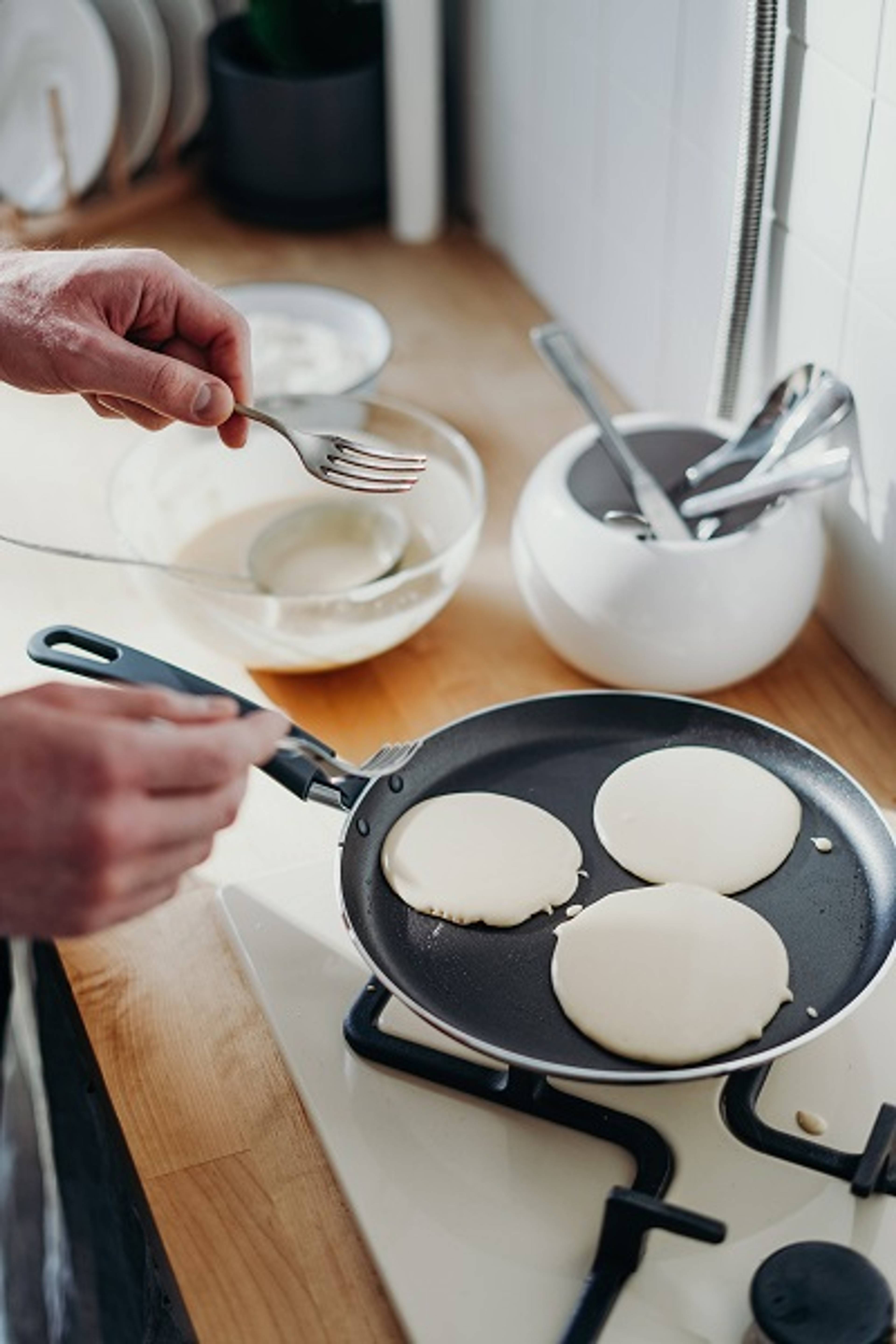
Cooking a simple egg or pancake on the heated pan can show how well food releases from the surface.
| Food Type | Nonstick Pan Result | Regular Pan Result |
| Egg | Easily slides off | Sticks and tears |
| Pancake | Turns easily without residue | Sticks and breaks |
| Grilled Cheese | Melts and flips cleanly | Sticks and burns |
Check Manufacturer Marks
Knowing if your pan is nonstick helps you cook with less oil. One way to check is by looking at the manufacturer’s marks. These marks tell you what type of coating the pan has.
Different brands use logos and labels to show if their pans are nonstick. You can also find stamped information on the bottom or handle of the pan. These clues will guide you to the right answer.
Brand Logos And Labels
Most nonstick pans have brand logos or labels that say “nonstick” or show a symbol. Some well-known brands use specific logos to mark their nonstick cookware.
- Look for words like “Nonstick”, “PTFE”, or “Ceramic”.
- Check for symbols such as a feather or a smooth surface icon.
- Some brands use color-coded labels to show nonstick coatings.
- Read any stickers or tags that came with the pan.
Stamped Information On Pan
Many pans have stamped details on the bottom or handle. These stamps can tell you the material and coating type. Look closely for these marks to confirm if your pan is nonstick.
| Stamp Type | What It Means |
|---|---|
| PTFE | Polytetrafluoroethylene coating, a common nonstick surface |
| Ceramic | Nonstick ceramic coating without chemicals |
| Anodized | Hard surface, usually nonstick or easy-release |
| Stainless Steel | Usually not nonstick unless labeled |
Magnet Test For Material
Knowing if your pan is nonstick helps you choose the right cooking method. The magnet test is a simple way to check the pan’s material. This test tells if the pan has magnetic metal inside.
Nonstick pans often have a metal base for heat. Using a magnet can show if the metal is magnetic or not. This helps you learn more about your pan’s build.
Magnetic Attraction Check
Take a small magnet and place it on your pan’s bottom. Notice if the magnet sticks firmly, weakly, or not at all. This simple check reveals the metal type under the coating.
- If the magnet sticks strongly, the pan likely has stainless steel or cast iron.
- If it sticks weakly or not at all, the pan may have aluminum or copper, which are usually non-magnetic.
- Nonstick coatings cover these metals but do not affect magnetism.
Material Clues
| Material | Magnet Test Result | Common Use |
| Cast Iron | Strong Attraction | Durable, heats evenly |
| Stainless Steel | Strong Attraction | Often with nonstick layer |
| Aluminum | No Attraction | Lightweight, heats fast |
| Copper | No Attraction | Good heat conductor |
Using the magnet test with these clues helps you tell if your pan is nonstick or another type. This quick check works without needing special tools.
Common Nonstick Coatings
Nonstick pans make cooking and cleaning easier. The coating on these pans stops food from sticking. Different types of coatings are used in nonstick pans. Knowing these helps you identify if your pan is nonstick.
This guide covers two common types of nonstick coatings. These are PTFE-based coatings and ceramic coatings. Each has unique features and care instructions.
Ptfe-based Coatings
PTFE stands for polytetrafluoroethylene. It is a popular material used in many nonstick pans. The most famous brand using PTFE is Teflon. These coatings are smooth and slippery.
- Look for a very smooth surface inside the pan.
- PTFE coatings usually come in black or dark gray color.
- They are sensitive to high heat and can be damaged by metal utensils.
- The surface often feels slick even when dry.
PTFE coatings work well at low to medium heat. Avoid using them in ovens above 500°F. Scratches or peeling show that the coating is worn.
Ceramic Coatings
Ceramic coatings come from silica-based gel. They create a hard, smooth surface that resists sticking. These coatings are often white or light-colored. They are free of PTFE and other chemicals.
| Feature | PTFE Coating | Ceramic Coating |
| Color | Dark (black or gray) | Light (white or cream) |
| Heat Resistance | Up to 500°F | Higher heat safe |
| Durability | Can scratch easily | More scratch resistant |
| Care | Use soft utensils | Can use metal utensils carefully |
Ceramic coatings can handle higher heat but may lose nonstick power over time. They are easy to spot by their color and texture. Clean them gently to keep the surface smooth.
Credit: www.hellofresh.com
Frequently Asked Questions
How Can I Test If A Pan Is Nonstick?
To test, add a few drops of water to the pan. If the water beads up and moves around, it’s likely nonstick. Nonstick pans often have a smooth, glossy surface that helps prevent sticking.
Do Nonstick Pans Have A Special Coating?
Yes, nonstick pans typically feature a coating like Teflon or ceramic. This coating provides the nonstick properties. These coatings help reduce the need for oil or butter when cooking.
What Are Signs A Nonstick Pan Is Wearing Out?
Look for scratches, peeling, or food sticking more often. These are signs the nonstick coating is deteriorating. If food starts sticking regularly, it might be time to replace the pan.
Are All Black Pans Nonstick?
Not all black pans are nonstick. Nonstick pans have a special coating, which might be black. It’s important to check the label or product description to confirm.
Conclusion
Knowing if your pan is nonstick helps you cook better meals. Check the surface for smoothness and test with a little oil. Nonstick pans make cleaning easier and need less fat. Avoid metal tools to keep the coating safe. Take care of your pan to enjoy long-lasting use.
Cooking with the right pan brings more joy and less hassle. Keep these tips in mind for best cooking results. Simple checks save time and improve your kitchen experience.