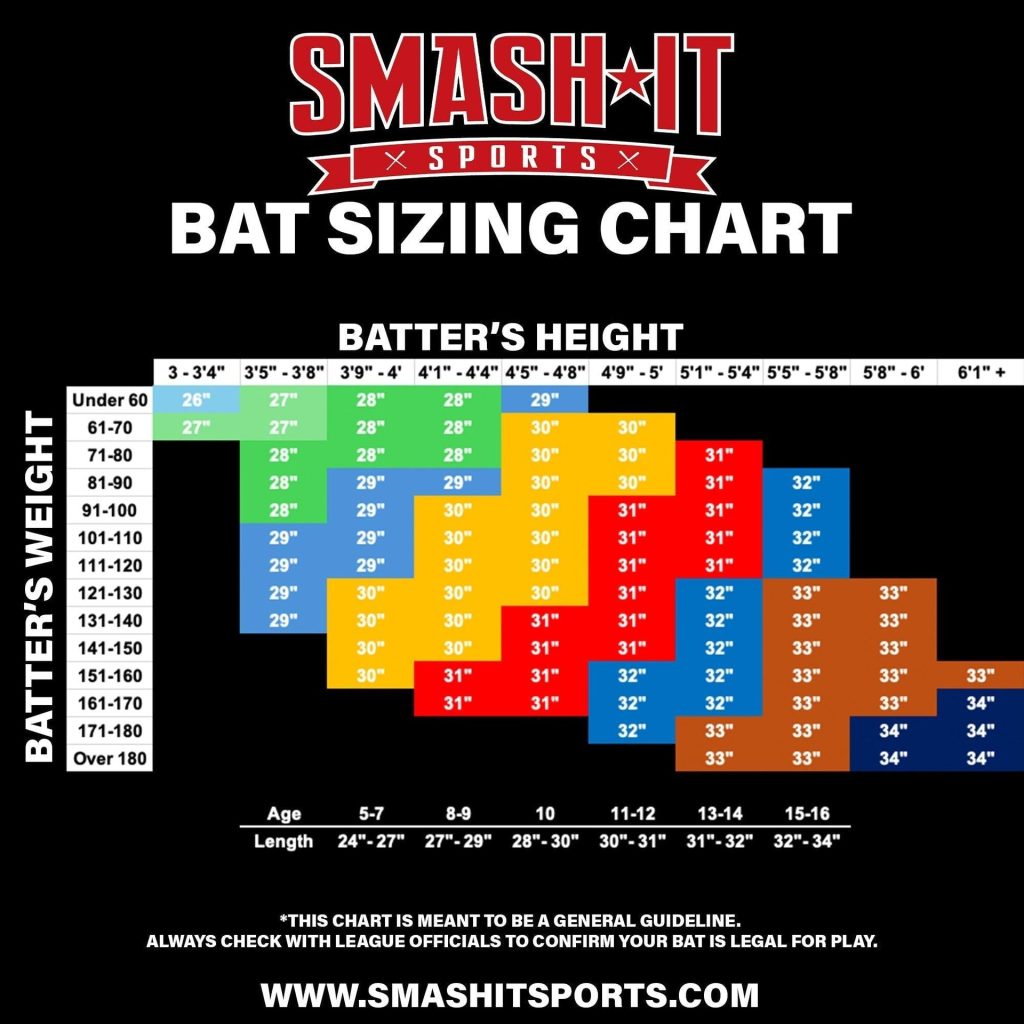
Choosing the right baseball bat can make a big difference in your game. But how do you know what size baseball bat to buy?
Picking the wrong size can slow you down or even cause injury. You want a bat that feels just right—one that helps you hit harder and swing faster. You’ll discover simple tips to find the perfect bat size for your height, weight, and skill level.
Keep reading, and you’ll be ready to step up to the plate with confidence.
Factors Affecting Bat Size
Choosing the right baseball bat size is important for comfort and performance. The right size helps the player swing well and avoid injury.
Several factors affect what bat size a player needs. These include their age, weight, skill level, and league rules.
Player Age And Height
Age and height are key to picking the right bat length. Younger or shorter players need shorter bats to swing easily.
Taller players can handle longer bats for more reach and power. The bat should match the player’s body size.
- Short players: choose shorter bats
- Taller players: choose longer bats
- Age often relates to height and bat length
Player Weight
Weight helps decide the bat’s weight or drop weight. Heavier players can use heavier bats for power.
Lighter players need lighter bats to swing fast and control the bat better.
- Heavier players: use heavier bats
- Lighter players: use lighter bats
- Balance bat weight for good swing speed
Skill Level
Skill level affects bat choice. Beginners need lighter bats for easy control and better swings.
Advanced players can handle heavier bats for more power and better hitting.
- Beginners: choose lighter bats
- Experienced players: heavier bats possible
- Skill helps decide bat balance and length
League Regulations
Different leagues have rules about bat size and material. These rules keep the game fair and safe.
Check league rules before buying a bat to make sure it is allowed.
- Some leagues limit bat length
- Drop weight rules vary by league
- Material restrictions may apply
Measuring Bat Length
Choosing the right baseball bat size is important for comfort and performance. Measuring the bat length helps players find a good fit. This guide shows how to use height, weight, and swing reach to pick the right bat.
Each method gives a different way to check the best bat length. Use these tips to find a bat that feels right and helps improve your swing.
Using Height As A Guide
Your height is a simple way to estimate the right bat length. Taller players usually need longer bats, while shorter players need shorter ones. This helps keep balance and control during your swing.
| Player Height | Suggested Bat Length |
| 3’0″ to 3’6″ | 24″ to 26″ |
| 3’7″ to 4’0″ | 26″ to 28″ |
| 4’1″ to 4’6″ | 28″ to 30″ |
| 4’7″ to 5’0″ | 30″ to 31″ |
| 5’1″ to 5’6″ | 31″ to 32″ |
| 5’7″ and above | 32″ to 34″ |
Using Weight As A Guide
Weight also helps decide bat length and weight. Heavier players may handle longer, heavier bats. Lighter players often do better with shorter, lighter bats. This balance helps with power and control.
- Light players (under 70 lbs) use bats 26″ to 29″.
- Medium weight players (70 to 100 lbs) use bats 29″ to 32″.
- Heavier players (over 100 lbs) use bats 32″ to 34″.
Reach And Swing Comfort
Bat length also depends on your reach and how comfortable you feel swinging it. You want a bat that lets you swing freely without strain. Testing different lengths helps find the right fit.
Try this at home to check swing comfort:
- Hold the bat with your dominant hand near the handle.
- Extend the bat out in front of you at waist level.
- Check if the bat tip reaches just past your fingertips.
- Make a few practice swings to feel balance and control.
- Adjust length until swinging feels natural and easy.
Choosing Bat Weight
Picking the right baseball bat weight is important for players. It affects how well they can swing and hit the ball.
Understanding bat weight helps players improve their game. It also prevents injuries and ensures comfort while playing.
Understanding Drop Weight
Drop weight is the difference between the bat’s length and weight. It is shown as a negative number.
A higher drop weight means a lighter bat. Lighter bats are easier to swing for younger players.
- A drop weight of -10 is common for youth players
- Older players may use a -3 drop weight
Balancing Power And Control
Choosing the right bat weight helps balance power and control. A heavier bat can hit the ball farther.
However, a lighter bat provides better control and speed. Players should test different weights to find the best fit.
- Heavier bats are for stronger, experienced players
- Lighter bats help new players with swing speed
Material And Construction
Choosing the right baseball bat depends on the material and how it is made. These factors affect the bat’s weight, feel, and performance.
Different materials suit different players. Understanding the options helps you pick the best size and type for your needs.
Wood Bats
Wood bats are made from types of hardwood like maple, ash, or birch. They offer a traditional feel and sound when hitting the ball.
These bats vary in weight and balance, depending on the wood and construction. They usually have a solid, one-piece design.
Aluminum And Composite Bats
Aluminum bats are lightweight and often hollow inside. They provide more power and a larger sweet spot than wood bats.
Composite bats use layers of materials like carbon fiber. They are light and strong, with less vibration on contact.
Pros And Cons Of Each
- Wood Bats:Feel natural but can break easily.
- Aluminum Bats:Lightweight and powerful but may feel stiff.
- Composite Bats:Strong and smooth swing but can be costly.
Trying Bats Before Buying
Picking the right baseball bat is important for your comfort and performance. Trying different bats helps you find the best fit for your size and strength.
This guide explains how to test swing techniques and find the right feel when choosing a bat.
Test Swing Techniques
Do several practice swings with each bat you try. Focus on smooth motion and control. Notice if the bat feels too heavy or light during the swing.
- Hold the bat as you would in a real game.
- Swing at different speeds to test comfort.
- Check if you can keep balance after the swing.
- Try swinging with one hand to feel the bat’s weight.
- Repeat swings until you feel natural and easy movement.
Finding The Right Feel
Choosing a bat with the right feel helps your hitting accuracy and power. The bat should feel balanced and comfortable in your hands.
| Bat Weight | Should feel manageable without strain |
| Bat Length | Allows full swing without overreaching |
| Grip Comfort | Non-slip and fits your hand size |
| Balance Point | Bat feels evenly weighted along its length |

Credit: www.reddit.com
Adjusting Bat Size Over Time
Choosing the right baseball bat size is not a one-time decision. As players grow and change, their bat needs also change.
Adjusting the bat size over time helps players perform better and stay comfortable at the plate.
Growth And Strength Changes
Young players grow taller and stronger each season. Their bat size should change to match these physical changes.
A bat that is too heavy or too long can slow a player down or cause bad swings.
- Shorter players need lighter and shorter bats for control.
- Taller or stronger players can use longer and heavier bats for power.
- Regularly check height and weight to update bat size.
Seasonal Adjustments
Bat size can also change with the season. Weather and practice routines affect player performance.
Players may need a different bat weight or length for summer games versus winter training.
- Use lighter bats in hot weather to reduce fatigue.
- Try slightly longer bats in cooler months for more reach.
- Adjust based on how the player feels during each season.
Tips For Buying Online
Buying a baseball bat online can save time and offer many choices. It is important to know the right size before you buy.
This guide helps you find the best fit by checking size charts and understanding return policies.
Checking Size Charts
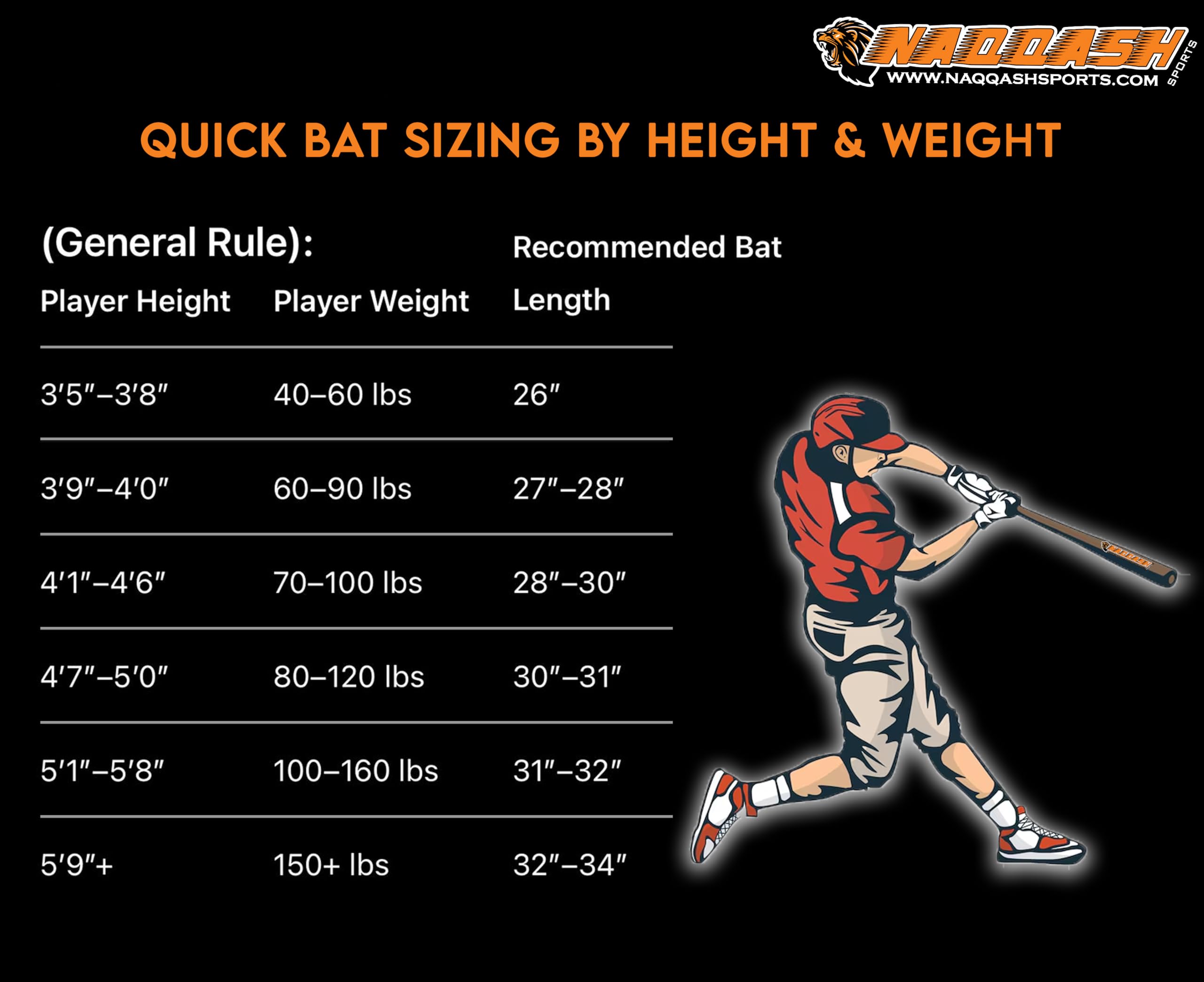
Size charts show the correct bat length based on your height and weight. Use them to pick the bat that fits you well.
| Height | Weight | Bat Length |
| 4’0″ – 4’6″ | 40 – 60 lbs | 26″ – 28″ |
| 4’7″ – 5’0″ | 61 – 80 lbs | 28″ – 30″ |
| 5’1″ – 5’6″ | 81 – 100 lbs | 30″ – 32″ |
| 5’7″ – 6’0″ | 101 – 140 lbs | 32″ – 33″ |
Measure your height and weight before checking the chart. Pick the bat length that matches your size.
Return And Exchange Policies
Read the store’s return and exchange rules before buying. This helps if the bat does not fit or meet your needs.
- Check how many days you have to return the bat.
- See if you must keep the original packaging.
- Look for restocking fees or shipping costs.
- Find out if exchanges are free or require extra payment.
- Keep all receipts and order information.
Knowing these details saves trouble and money if you need a different bat size.

Credit: www.betweenthelinesaz.com
Credit: www.amazon.ca
Frequently Asked Questions
How Do I Measure The Right Baseball Bat Size?
Measure your height and weight, then use a sizing chart. Also, consider your age and hitting style for the perfect fit.
What Is The Ideal Bat Length For Beginners?
For beginners, choose a bat length that matches their height. Usually, 28 to 30 inches is suitable for youth players.
How Important Is Bat Weight In Selecting Size?
Bat weight affects swing speed and control. Lighter bats offer faster swings, while heavier bats provide more power.
Can Using The Wrong Bat Size Affect Performance?
Yes, the wrong bat size can reduce swing speed and accuracy. It may also cause discomfort or injury during play.
Conclusion
Choosing the right baseball bat size makes a big difference. It helps you swing better and enjoy the game. Measure your height and weight first. Try different bats to see what feels good. Remember, comfort and control matter most. A bat that fits well boosts your confidence.
Take your time and choose wisely. Your perfect bat is out there waiting. Play hard and have fun!