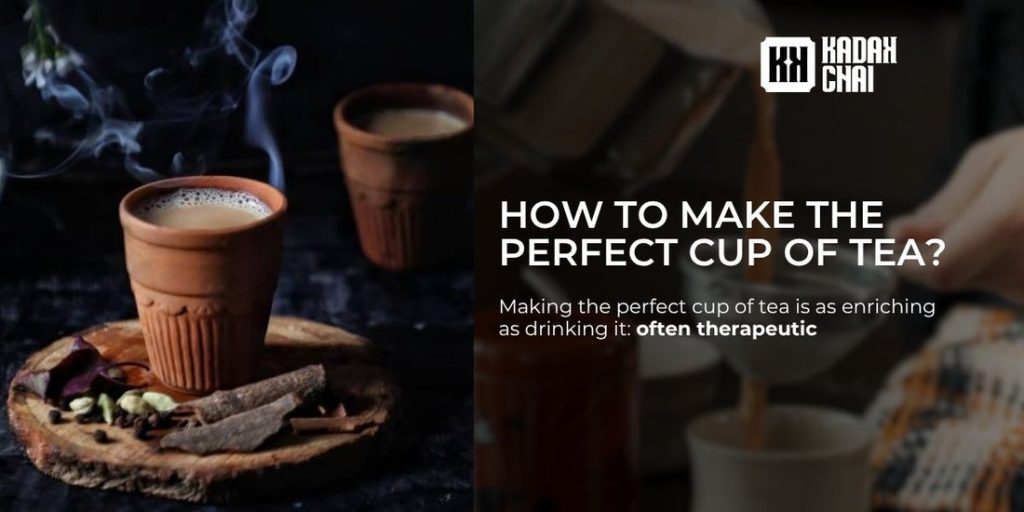
Have you ever wondered how to make the perfect cup of tea that warms you from the inside out? Whether you’re craving a calm moment or a quick energy boost, the right tea can change everything.
But what if there’s a simple way to brew tea that brings out the best flavor every single time? You’re about to discover easy steps that anyone can follow to make tea taste just right—no more bitter sips or weak brews.
Ready to unlock the secrets to your perfect cup? Keep reading, and your tea time will never be the same.
Choosing The Right Tea
Making a perfect cup of tea starts with choosing the right tea. The type and quality of tea affect the taste and aroma.
Knowing the different tea leaves and forms helps you pick tea that suits your taste and brewing style.
Types Of Tea Leaves
Tea leaves come from the Camellia sinensis plant. Different types depend on how leaves are processed.
Common types include green, black, white, oolong, and pu-erh tea. Each has a unique flavor and color.
- Green tea:Leaves are lightly steamed or pan-fired for a fresh taste.
- Black tea:Fully oxidized leaves give a strong, dark flavor.
- White tea:Made from young leaves and buds, very mild and delicate.
- Oolong tea:Partially oxidized, between green and black tea flavors.
- Pu-erh tea:Fermented and aged, with a rich, earthy taste.
Loose Leaf Vs Tea Bags
Loose leaf tea has whole or large pieces of leaves. Tea bags usually contain smaller, broken leaves or dust.
Loose leaf tea brews stronger and fresher flavors. Tea bags offer convenience and quick brewing.
- Loose leaf tea:Better flavor, more aroma, needs a strainer or infuser.
- Tea bags:Easy to use, less mess, may have weaker taste.
Quality Indicators
Good tea has bright, whole leaves without many stems or dust. The aroma should be fresh and strong.
Check the color and smell before buying. Fresh tea looks vibrant and smells pleasant.
- Whole or large leaf pieces show higher quality.
- Fresh smell means the tea is not old or stale.
- Avoid tea with many broken leaves or dust.
- Good packaging protects tea from light and air.
Water Matters
Water is the main ingredient in tea. Its quality affects the taste a lot. Using the right water can make your tea taste better.
Good water brings out the true flavors of tea leaves. Bad water can spoil the taste or make it dull.
Best Water For Brewing
Use fresh water for the best tea. Tap water can have chemicals that change the flavor. Filtered or spring water works well.
Soft water is better than hard water. Hard water has minerals that can make tea bitter or cloudy.
- Fresh, cold water is best
- Filtered or spring water improves taste
- Avoid distilled water; it lacks minerals
- Soft water helps tea flavor shine
Ideal Water Temperature
Different teas need different water temperatures. Green tea tastes best with cooler water. Black tea needs hotter water to release flavors.
Boiling water is good for black and herbal teas. Let water cool a bit for green or white teas to avoid bitterness.
- Green tea: about 160-180°F (70-80°C)
- Black tea: 200-212°F (93-100°C)
- White tea: 160-185°F (70-85°C)
- Herbal tea: boiling water at 212°F (100°C)
Water Quality Impact
Water quality changes how tea tastes and looks. Hard water can cause cloudy tea and reduce aroma. Chlorine in tap water gives off bad smells.
Minerals in water interact with tea compounds. This can make tea taste flat or bitter. Using clean, fresh water helps keep tea pure and bright.
Brewing Techniques
Making the perfect cup of tea starts with good brewing techniques. The right steps bring out the best flavors and aromas.
Small details like the amount of tea and steeping time can change the taste a lot. Using proper tools also helps.
Measuring Tea Amounts
Use the right amount of tea leaves to get a balanced flavor. Too much tea can taste bitter. Too little can taste weak.
A common measure is one teaspoon of loose tea per cup of water. Adjust if you like stronger or lighter tea.
- 1 teaspoon = about 2 grams of loose tea
- Use a tea scoop or kitchen scale for accuracy
- For tea bags, use one bag per cup
Steeping Times For Different Teas
Steeping time changes the taste and strength of your tea. Different teas need different times to brew well.
Over-steeping can make tea bitter. Under-steeping can leave it weak and flavorless.
| Tea Type | Steeping Time | Water Temperature |
|---|---|---|
| Green Tea | 2-3 minutes | 160-180°F (70-80°C) |
| Black Tea | 3-5 minutes | 200-212°F (93-100°C) |
| Oolong Tea | 4-7 minutes | 190-200°F (88-93°C) |
| Herbal Tea | 5-7 minutes | 212°F (100°C) |
| White Tea | 4-5 minutes | 160-185°F (70-85°C) |
Using Teapots And Infusers
Teapots and infusers help control brewing. They keep tea leaves separate from the water while letting flavors flow.
Choose a teapot or infuser that fits your tea type and amount. Clean tools improve taste and avoid old flavors.
- Glass teapots show the tea color as it brews
- Metal infusers are good for strong teas
- Use ceramic for even heat distribution
- Remove leaves after steeping to avoid bitterness

Credit: www.theflavorbender.com
Enhancing Flavor
Making the perfect cup of tea is about more than just steeping leaves. Enhancing the flavor can make your tea more enjoyable. Small changes can bring out new tastes and aromas.
Try different ways to add flavor. You can add milk, sugar, or honey. You can also try spices or herbs. Flavored teas offer many options too.
Adding Milk, Sugar, Or Honey
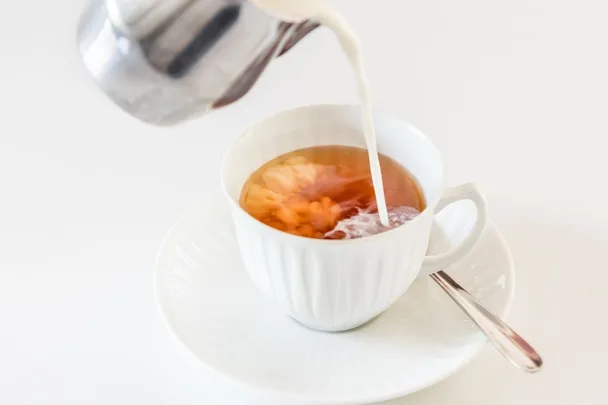
Milk softens tea and adds creaminess. Use whole milk for richness or skim milk for a lighter taste. Add milk after brewing to keep the flavor smooth.
Sugar sweetens tea quickly. Add a small amount and taste. Honey gives a floral sweetness and works well with black or green teas.
- Add milk slowly to avoid curdling.
- Use white sugar or brown sugar for different sweetness.
- Try raw honey for a natural flavor boost.
Incorporating Spices And Herbs
Spices and herbs add unique tastes and aromas. Cinnamon, ginger, and cardamom bring warmth. Fresh mint or lemon balm gives a fresh, bright note.
Add spices during steeping for bold flavors. Herbs can be added fresh or dried. Experiment with small amounts to avoid overpowering your tea.
- Cinnamon sticks add a sweet, woody flavor.
- Ginger adds a spicy kick and warmth.
- Mint leaves refresh your cup with cool notes.
- Cardamom offers a sweet, spicy aroma.
Experimenting With Flavored Teas
Flavored teas combine leaves with fruits, flowers, or spices. They offer many taste options. Try jasmine, chai, or berry-flavored teas for variety.
Use flavored teas as a base and add milk or sweeteners. This creates a new taste experience. Taste each blend to find your favorite.
- Jasmine tea has a light floral aroma.
- Chai blends include spices like cinnamon and cardamom.
- Berry teas offer sweet and tart flavors.
- Vanilla-flavored teas add smooth sweetness.
Serving And Enjoying
Making the perfect cup of tea is only part of the experience. How you serve and enjoy it can change the whole moment. Paying attention to small details helps you appreciate tea even more.
Let’s look at some tips on choosing the right teacup, serving temperature, and pairing tea with food to get the best taste.
Choosing The Right Teacup
The teacup you use affects the flavor and enjoyment of your tea. Different cups keep tea warm in different ways and can change the way tea smells and tastes.
- Porcelain cups keep tea hot longer and show the color well.
- Glass cups let you see the tea’s color and leaves.
- Clay cups add a subtle earthy taste to the tea.
- Wide-mouthed cups help tea cool faster for quick drinking.
- Thick cups keep tea warm but feel heavy in hand.
Serving Temperature Tips
Serving tea at the right temperature brings out its best taste. Too hot can burn your mouth, and too cold can dull the flavors.
| Tea Type | Ideal Serving Temperature |
|---|---|
| Green Tea | 120°F – 160°F (49°C – 71°C) |
| Black Tea | 130°F – 160°F (54°C – 71°C) |
| Oolong Tea | 140°F – 160°F (60°C – 71°C) |
| Herbal Tea | 130°F – 160°F (54°C – 71°C) |
Pairing Tea With Food
Tea tastes better with the right food. Pairing tea and snacks or meals can make both more enjoyable.
- Green tea pairs well with light foods like salads and fish.
- Black tea suits rich foods such as chocolate and cheese.
- Oolong tea goes nicely with fried foods and noodles.
- Herbal teas match sweet desserts or fruit.
- Try small bites to find your favorite pairings.

Credit: www.tranquiltuesdays.com
Troubleshooting Common Issues
Making tea seems easy, but some problems can spoil the taste. Knowing how to fix these issues helps you enjoy every cup.
Common problems like bitter or weak tea, over-steeping, and poor storage can be solved with simple tips.
Avoiding Bitter Or Weak Tea
Bitter tea often happens when the leaves steep too long or the water is too hot. Weak tea can mean not enough tea or too short steeping time.
Use fresh water just off the boil and steep the right amount of time for your tea type. Adjust the tea amount to your taste.
- For black tea, steep 3-5 minutes at 95°C (203°F)
- Green tea needs 2-3 minutes at 75-85°C (167-185°F)
- Use about 1 teaspoon of loose leaves per cup
- Try shorter steeping to reduce bitterness
- Add more tea leaves or steep longer for stronger flavor
Fixing Over-steeped Tea
Over-steeped tea tastes bitter and harsh. It happens if you leave the leaves in hot water too long.
If your tea is over-steeped, add hot water to dilute it. You can also add milk or a small amount of sugar to soften the taste.
- Remove tea leaves or bag promptly after steeping
- Add hot water to weaken strong tea
- Try milk or a pinch of sugar to balance bitterness
- Use a timer to avoid over-steeping next time
Storage Tips To Keep Tea Fresh
Tea loses flavor when exposed to air, light, heat, or moisture. Proper storage keeps it fresh longer.
Store tea in an airtight container in a cool, dark place. Avoid the fridge or freezer because moisture can damage the leaves.
- Use metal tins or dark glass jars with tight lids
- Keep tea away from strong smells like spices or coffee
- Store in a dry place at room temperature
- Use tea within six months for best taste
Credit: www.bhg.com.au
Frequently Asked Questions
How Long Should Tea Steep?
Steeping time varies by type. Black tea usually takes 3-5 minutes, while green tea requires 2-3 minutes. Herbal teas may need 5-7 minutes. Adjust to taste preferences for optimal flavor.
What Water Temperature Is Best For Tea?
Water temperature is crucial. Black tea benefits from boiling water, while green tea prefers 160-180°F. Herbal teas can handle boiling water. Using the right temperature ensures the best taste and aroma.
Should I Use Loose Leaf Or Tea Bags?
Loose leaf tea generally offers better flavor and aroma. It allows leaves to fully expand, releasing more flavor. Tea bags are convenient but can contain lower quality leaves. Choose based on your preference for taste or convenience.
How Much Tea Should I Use Per Cup?
Typically, use one teaspoon of loose leaf tea per cup. For tea bags, one bag per cup suffices. Adjust based on desired strength. Experiment with quantity to find your perfect balance between flavor and potency.
Conclusion
Making the perfect cup of tea is simple and rewarding. Use fresh water and the right temperature. Steep the tea just long enough for good flavor. Taste matters most, so adjust to your liking. Enjoy the process and the calming moments it brings.
Every cup can be your best cup. Keep trying, and soon you will find your perfect brew. Tea time becomes a small, peaceful ritual each day.