Have you ever wondered how a wall air conditioner keeps your room cool and comfortable, especially during those hot, sticky days? Understanding how these units work can help you make smarter choices when it comes to cooling your space efficiently.
You’ll discover the simple science behind wall air conditioners and learn how they bring refreshing air right to your home. Keep reading—you might be surprised at how easy it is to improve your comfort and save energy with the right knowledge.

Credit: acs-installations.co.uk
Basic Components
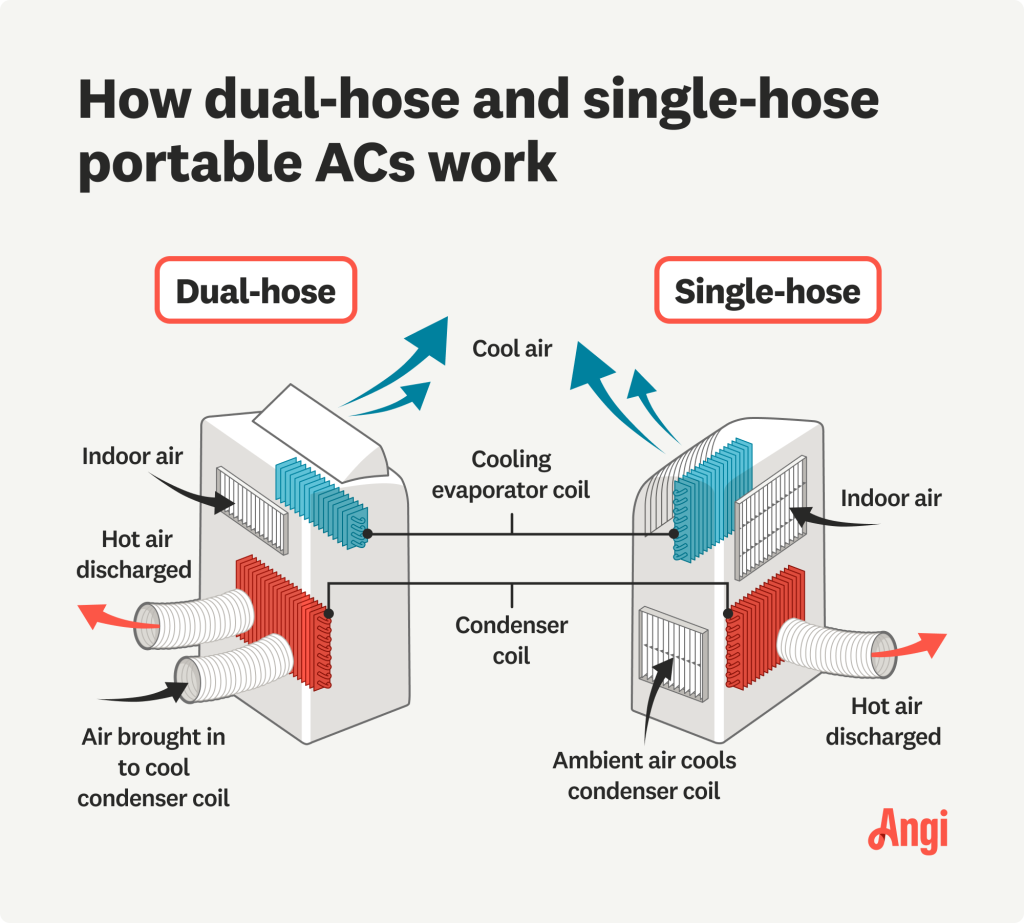
Compressorpumps refrigerant through the system. It raises the pressure and temperature of the refrigerant gas.
Condenser Coilcools the hot gas, turning it into a liquid. This coil releases heat outside the room.
Evaporator Coilabsorbs heat from inside the room. The liquid refrigerant turns back into gas here.
Expansion Valvecontrols the flow of refrigerant. It lowers the pressure, making the refrigerant cold.
Fan Mechanismmoves air over the coils. One fan blows warm air outside, another sends cool air inside.
Credit: simplyair.com.au
Cooling Process
The refrigerant cycleis the heart of a wall air conditioner’s cooling process. It moves heat from inside the room to outside.
Heat absorption insidehappens when the refrigerant evaporates. It changes from liquid to gas and takes heat from the air.
Heat release outsideoccurs when the refrigerant condenses back to liquid. This gives off the heat to the outdoor air.
- The refrigerant flows in a closed loop.
- Evaporator coil absorbs heat inside.
- Compressor pumps refrigerant gas outside.
- Condenser coil releases heat outside.
- Cycle repeats to keep room cool.
Installation And Placement
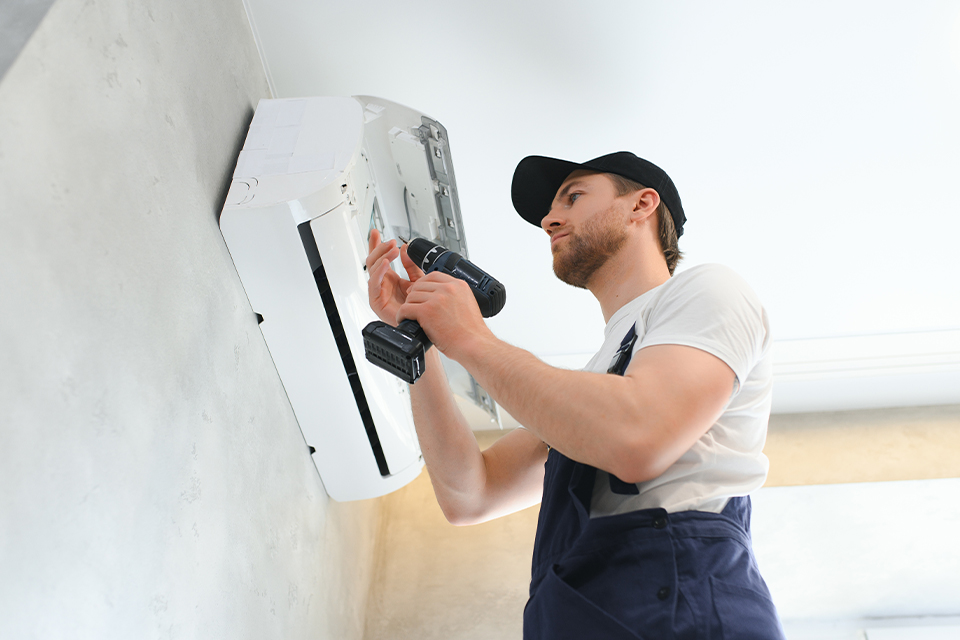
Choosing the right wall is key for a good air conditioner setup. Pick a wall that faces outside. It should have space for the unit to fit well. Avoid walls with pipes or wires inside. The unit needs fresh air outside to work properly.
Sealing and insulation help keep cool air inside. Use strong sealant around the unit after installation. This stops warm air from coming in. Good insulation around the wall also saves energy. It keeps your room cooler for longer.
| Electrical Needs | Details |
|---|---|
| Power Supply | Must match the air conditioner’s voltage and amps |
| Dedicated Circuit | Recommended to avoid overloads and tripped breakers |
| Proper Wiring | Use the correct wire size and circuit breaker |
Energy Efficiency
SEER ratingsshow how well a wall air conditioner uses energy. Higher SEER means better energy use. This means less electricity and lower bills. Look for units with a SEER rating of 13 or more for good efficiency.
Energy saving tips help reduce power use. Close windows and doors to keep cool air inside. Clean or replace filters often. Use curtains to block sunlight. Turn off the unit when not needed.
- Set temperature to 78°F (26°C) for comfort and savings.
- Use fans to help spread cool air.
- Seal gaps around the unit to stop air leaks.
Smart controlsallow easy temperature setting and timer use. They help run the unit only when needed. This saves energy and keeps your room comfy. Some models connect to phones for remote control.
Maintenance Tips
Cleaning filterskeeps air flowing freely. Dirty filters block air and lower cooling power. Remove filters and wash with water every few weeks. Let them dry fully before putting back.
Checking refrigerant levelsensures the unit cools well. Low refrigerant means poor cooling and more power use. A technician can check and refill safely.
Inspecting coils and fanshelps spot dirt or damage. Clean coils improve heat exchange. Fans must spin smoothly without noise. Remove dust and debris to keep parts working well.

Credit: genzryan.com
Common Issues
Poor cooling performancehappens when the air conditioner is dirty or blocked. Dust and dirt on filters reduce airflow. This stops the unit from cooling well. Check the filters often and clean them. Low refrigerant levels also cause poor cooling. A technician can refill it safely.
Unusual noisescome from loose parts or debris inside. Rattling, buzzing, or grinding sounds mean something is wrong. Tighten screws or remove debris carefully. If noise continues, call a repair expert to check the motor or fan.
Water leaksoccur due to clogged drainage or frozen coils. Water builds up and drips inside. Clear the drainage hole to fix leaks. Make sure the unit is tilted slightly outside for water flow. Frozen coils need professional help to defrost and fix.
Frequently Asked Questions
What Are Wall Air Conditioners?
Wall air conditioners are compact units installed in walls. They cool individual rooms by expelling warm air outside. These units are efficient for single-room cooling, making them cost-effective. They are ideal for homes without central air conditioning systems. Wall units require proper installation to ensure optimal performance and energy efficiency.
How Do Wall Air Conditioners Cool Rooms?
Wall air conditioners pull in warm air and pass it over cooling coils. The refrigerant inside absorbs heat, cooling the air. The unit then blows the cooled air back into the room. This process repeats continuously, maintaining a comfortable room temperature.
Proper installation ensures effective cooling and energy efficiency.
Are Wall Air Conditioners Energy-efficient?
Wall air conditioners are generally energy-efficient for single-room cooling. They consume less energy than central systems. Many models have energy-saving features like programmable thermostats. Proper installation and maintenance enhance their efficiency. They are ideal for cooling specific areas without cooling the entire home.
What Maintenance Do Wall Air Conditioners Need?
Regular maintenance is essential for wall air conditioners. Clean or replace filters every month to ensure efficiency. Check for any obstructions in the vents. Inspect the unit for leaks or unusual noises. Schedule professional servicing annually for optimal performance. Regular care prolongs the unit’s lifespan and efficiency.
Conclusion
Wall air conditioners cool your room by moving heat outside. They use a simple cycle with a compressor, condenser, and evaporator. The unit pulls warm air from inside and releases cool air back. This process keeps your space comfortable during hot days.
Understanding how they work helps you choose the right model. Proper use and maintenance keep the unit efficient and lasting. Small steps make a big difference in staying cool. Wall air conditioners remain a practical choice for many homes.