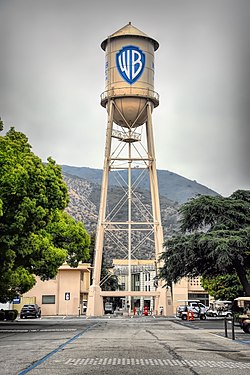
Have you ever wondered how water towers, standing tall in your town, manage to avoid freezing even in the coldest winters? It’s a fascinating mystery that might have crossed your mind during a chilly morning walk or while sipping a hot cup of cocoa.
The secret behind these towering structures is not only intriguing but also incredibly clever. Understanding this can change the way you see those seemingly ordinary towers. Dive into the world of water towers with us, and discover the surprising techniques that keep the water flowing smoothly, no matter how low the temperature drops.
This revelation might just alter your perception of these giants forever, turning a simple curiosity into a captivating discovery.
Water Tower Basics
Understanding how water towers avoid freezing starts with knowing their basic structure and purpose. Water towers are not just tall tanks; they play a crucial role in your daily water supply. Their design and the materials used make a big difference in keeping water flowing, even in freezing temperatures.
Purpose And Design
Water towers store and pressurize water for communities. They use gravity to push water through pipes, ensuring steady pressure without constant pumping. This simple yet effective design helps maintain water flow during power outages or peak usage times.
Most towers are elevated to keep water moving downhill. This elevation also helps prevent freezing since water stays in motion or is insulated by the tower’s height. Have you ever noticed how the height of a water tower can impact water pressure at your home? That’s the principle at work.
Materials Used
Water towers are typically built using steel, concrete, or a combination of both. Steel is common because it’s strong and can be insulated easily to protect against cold weather. Concrete towers offer excellent thermal mass, which helps regulate the water temperature inside.
Insulation plays a key role in preventing freezing. Many towers have internal liners or foam insulation that keeps the water from getting too cold. You might not see it, but these materials work silently to keep your water flowing smoothly during winter.
Freezing Risks For Water
Water towers store large amounts of water high above the ground. This placement exposes them to cold weather. Water freezing inside these towers can cause serious damage. Understanding the risks helps explain how freezing is prevented.
Temperature Thresholds
Water freezes at 32°F (0°C). Temperatures below this can cause ice to form. Water towers often face colder temperatures in winter. Yet, the water inside rarely freezes. The water temperature stays above freezing due to constant movement and volume.
Small amounts of water freeze faster than large volumes. The large water volume in towers holds heat longer. This heat prevents freezing even if outside air is cold.
Environmental Factors
Wind and humidity affect freezing risks. Strong winds increase heat loss by blowing cold air over the tower. Low humidity can speed up water cooling too. Snow can act as insulation, protecting the tower from freezing.
Sunlight during the day warms the tower surface. This natural heat helps keep water temperature above freezing. Location also matters. Towers in open areas face higher freezing risks than those in sheltered spots.
Heat Retention Methods
Water towers use several heat retention methods to prevent freezing during cold weather. These methods keep the water temperature above freezing, ensuring a steady water supply. The main focus is on reducing heat loss and maintaining warmth inside the tower.
Insulation Techniques
Insulation wraps the water tank to block cold air from entering. Materials like foam, fiberglass, or spray-on insulation cover the tank’s walls. This layer slows heat loss and keeps water warmer for longer. Some towers also use insulated covers or blankets over the tank’s top. Insulation reduces the risk of ice forming on the water surface.
Thermal Mass Effects
Water has a high thermal mass, meaning it holds heat well. Large volumes of water cool down very slowly, which helps prevent freezing. The tower’s design takes advantage of this by storing enough water to keep temperatures stable. Thick walls and heavy materials in the tower also absorb and store heat. This heat slowly releases, creating a buffer against cold weather.

Credit: en.wikipedia.org
Water Movement Inside Towers
Water movement inside towers plays a crucial role in preventing freezing during cold weather. When water remains still, it cools rapidly and is more likely to freeze. But moving water distributes heat more evenly, which helps maintain the temperature above freezing.
Continuous Circulation
Keeping water circulating inside a tower is a simple yet effective way to stop ice from forming. Even slow, steady movement prevents water from settling and cooling unevenly.
Think about your own experience with a frozen pond versus a flowing river. The river rarely freezes because the water is always moving. Water towers use this principle by circulating water constantly to avoid freezing.
If water sits still in the tower, cold air can chill the surface and edges first, causing ice to develop. Continuous circulation spreads warmer water from the bottom to the top, maintaining a more uniform temperature.
Flow Rate Impact
The speed of water flow inside the tower matters. Too slow, and you risk parts cooling down enough to freeze. Too fast, and energy costs rise unnecessarily without significant benefits.
Ideally, the flow rate balances energy use and freeze prevention. Operators monitor and adjust flow rates based on outside temperature and tower size.
- Higher flow rates keep water warmer but use more power.
- Lower flow rates save energy but require careful monitoring.
- Finding the right flow rate depends on your local climate and tower design.
Have you ever wondered how your local water supply stays reliable even during winter? The secret often lies in how carefully the water is kept moving inside those towers.
Role Of Water Pressure
The role of water pressure in preventing water towers from freezing is often overlooked but crucial. Water pressure keeps the water moving steadily, which reduces the chances of ice formation inside the tower. Without adequate pressure, water would remain stagnant, making it easier for freezing temperatures to affect the entire structure.
How Water Pressure Maintains Flow
Water pressure ensures a constant flow through the pipes and the tower. When water moves, it generates friction and slightly warms itself, which helps prevent freezing. Think about how standing water freezes faster than flowing water in a stream.
Pressure And Temperature Relationship
Higher water pressure slightly raises the water’s temperature by compressing it. This effect might be minimal, but combined with flow, it creates a barrier against freezing. Do you ever notice how water from a tightly sealed bottle stays liquid longer in the cold? Pressure plays a similar role here.
Practical Examples In Water Tower Design
- Water towers are built to maintain a minimum pressure level, even during cold snaps.
- Pressure valves and pumps adjust to keep water moving when temperatures drop.
- Operators monitor pressure closely to prevent ice buildup and potential damage.
Imagine if the water pressure dropped overnight—would you be confident that your water supply stayed ice-free? Maintaining steady pressure is one of the simplest yet most effective ways to protect water towers in winter.

Credit: medium.com
Heating Systems In Towers
Water towers stay ice-free through smart heating systems. These systems ensure water keeps moving and stays warm enough to avoid freezing. They use different techniques to maintain the right temperature inside the tower. Heating systems protect the water supply and keep the tower working well during cold weather.
Electric Heaters
Electric heaters are common in water towers. They use electric power to produce heat inside the tank. These heaters keep the water temperature above freezing point. The system turns on automatically when the temperature drops too low. It helps prevent ice from forming on the water surface. Electric heaters are easy to control and work quickly.
Passive Solar Heating
Passive solar heating uses the sun’s natural energy to warm the water. The tower is designed to capture sunlight during the day. Materials like glass or special coatings help trap heat inside. This method reduces the need for extra power or fuel. It works well in sunny areas and helps keep the water from freezing. Passive solar heating is eco-friendly and lowers energy costs.
Design Features Preventing Freeze
Water towers use smart design to stop freezing during cold weather. These features help keep water flowing and prevent damage. The shape and size of the tower play a key role. Special coatings also protect the structure from ice buildup. Both work together to keep the water safe.
Shape And Size Considerations
Water towers often have rounded shapes. This helps reduce the surface area exposed to cold air. Less surface area means less chance of freezing. Many towers are tall and narrow. This design keeps water moving inside, which stops ice from forming.
The height also keeps water pressure steady. Some towers have insulated domes on top. These domes trap heat and protect the water. The size of the tank is important too. Large tanks hold more water, which cools slower than small tanks.
Protective Coatings
Coatings on water towers help block cold temperatures. These materials act like a blanket over the metal surface. They stop heat from escaping and reduce ice buildup. Some coatings are reflective to bounce sunlight onto the tower. This natural heat helps keep the water warm.
Other coatings resist moisture and prevent rust. Rust can weaken the tower and cause cracks where ice forms. Protective paints also make the tower last longer in tough weather. Regular maintenance keeps these coatings working well.
Real-world Examples
Water towers face a tough challenge in cold climates—keeping water from freezing despite frigid temperatures. Real-world examples show how communities and engineers tackle this issue with clever designs and smart technology. These solutions prove that freezing water towers are not an unavoidable problem but one you can manage effectively.
Cold Climate Solutions
In places like Minnesota and Alaska, water towers stay operational even in deep winter. One common solution is to keep water moving inside the tank. Circulation prevents ice from forming on the surface and inside the pipes.
Insulation plays a key role as well. Thick layers of foam or fiberglass wrap the towers, reducing heat loss. Some towers use heated blankets powered by electricity or natural gas to maintain above-freezing temperatures.
Have you ever noticed steam rising from a hot cup in a cold room? That’s similar to how some water towers use internal heating elements to keep the water warm enough to avoid freezing. This method, combined with insulation, ensures reliable water supply year-round.
Innovative Technologies
Technology adds another layer of protection. Sensors monitor temperature and water flow continuously. If any part of the system drops below safe levels, automated heaters kick in immediately.
Some cities use solar-powered heating systems attached to water towers. These systems capture sunlight during the day and convert it to heat, which they store for cold nights. This eco-friendly approach saves energy and cuts costs.
Advanced coatings inside tanks also help. Special materials absorb and retain heat, preventing ice buildup. This technique has been particularly successful in remote areas where constant power supply is unreliable.
Would you consider installing smart sensors or solar heaters if you managed a water tower? These technologies not only save money but also reduce the risk of service interruptions during cold snaps.
Credit: www.chardonlabs.com
Frequently Asked Questions
Why Don’t Water Towers Freeze In Winter?
Water towers use insulation and circulation to prevent freezing. The water stays moving, which stops ice from forming. The tower’s height and materials also help maintain temperature above freezing.
How Does Water Movement Prevent Freezing In Towers?
Constant water movement in towers stops ice crystals from forming. Moving water retains heat better, preventing it from freezing even in cold weather. This circulation is key to keeping water liquid inside the tower.
What Materials Help Water Towers Resist Freezing?
Water towers use insulated materials like steel and special coatings. These materials reduce heat loss and protect the water inside. Insulation keeps the water temperature stable despite freezing outdoor conditions.
Do Water Towers Use Heaters To Avoid Freezing?
Some water towers have heaters or heat tracing systems. These systems provide extra warmth during extreme cold. However, most rely on circulation and insulation rather than heaters for efficiency.
Conclusion
Water towers stay warm through smart design and constant water flow. Insulation and circulation stop ice from forming inside. The water’s movement keeps it from freezing, even in cold weather. This simple yet effective method protects the water supply all winter long.
Understanding these basics helps appreciate how communities get safe water year-round. Clean, flowing water—no freezing needed.