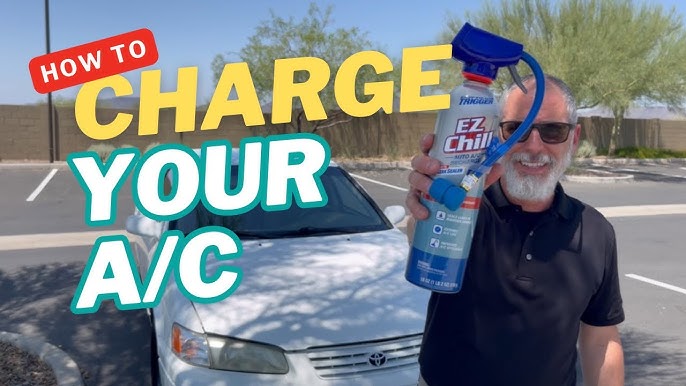
Is your car’s air conditioner not blowing cold air like it used to? You might be wondering how to fix it without spending a lot on repairs.
One common issue is low refrigerant, which means your AC needs to be charged. But how do you charge a car air conditioner safely and effectively? You’ll discover simple steps you can follow to bring back that refreshing cool breeze on hot days.
Keep reading, and you’ll learn how to save money and stay comfortable on the road.
Credit: www.temu.com
Signs Of Low Refrigerant
Low refrigerant in your car’s air conditioner causes poor cooling. It can make your drive uncomfortable during hot days.
Knowing the signs of low refrigerant helps you fix the issue early. This prevents damage to the AC system.
Warm Air From Vents
If your AC blows warm air instead of cold, the refrigerant might be low. The system cannot cool properly without enough refrigerant.
Check if the air feels less cold after running the AC for a few minutes. This can be a clear sign.
Hissing Sounds
Hissing or bubbling sounds near the AC system often mean refrigerant is leaking. These noises come from escaping gas.
- Listen for a soft hissing when the AC is on.
- Check under the hood for unusual sounds near hoses.
- Hissing may increase when the AC is running hard.
Visible Leaks
Look for oily stains or wet spots around AC components. Refrigerant leaks often leave visible marks.
| Leak Location | Common Signs |
| Compressor | Oily residue and wet spots |
| Hoses | Cracks with wetness or stains |
| Condenser | Small puddles or drips |

Credit: www.youtube.com
Tools Needed
Charging a car air conditioner needs some special tools. These tools help add the right amount of refrigerant safely.
Using the correct tools makes the job easier and prevents damage to the AC system.
Refrigerant Can
The refrigerant can contains the gas needed to refill the AC system. It must match the car’s AC specifications.
Always check the label on the can to be sure it fits your car model and climate.
- Choose the right type of refrigerant (like R134a or R1234yf)
- Use a new, sealed can to avoid contamination
- Make sure the can has a proper valve for easy connection
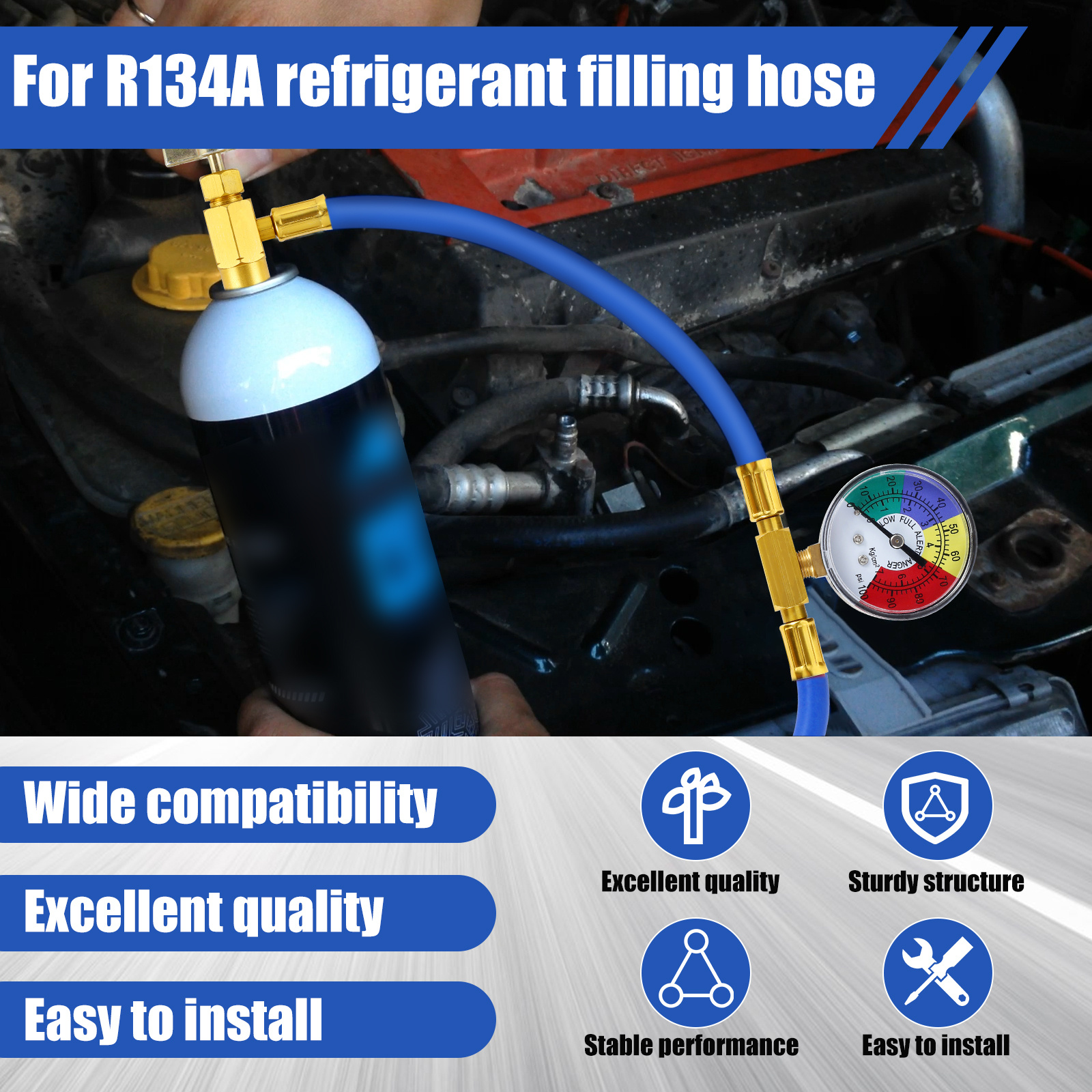
Pressure Gauge
A pressure gauge measures the AC system’s pressure levels. It shows if the system needs more refrigerant.
This tool helps you avoid overcharging or undercharging the air conditioner.
- Use a gauge designed for automotive AC systems
- Look for a gauge with clear pressure markings
- Connect it properly to the low-pressure port
Safety Gear
Safety gear protects you from harmful refrigerant and sharp parts under the hood.
Wear safety gear to avoid injuries during the charging process.
- Safety glasses to protect your eyes
- Gloves to keep your hands safe from chemicals
- Long sleeves to avoid skin contact
Locate The Service Ports
To charge a car air conditioner, you must first find the service ports. These ports allow you to connect the charging hose safely. Knowing the correct ports helps avoid damage to the system.
There are two main ports: the high-pressure port and the low-pressure port. Each port has a specific role in the air conditioning system.
High-pressure Port
The high-pressure port is where the refrigerant flows at high pressure. It is usually smaller and harder to access. This port is located near the condenser or the compressor.
Here is a table showing key facts about the high-pressure port:
| Feature | Description |
| Location | Near condenser or compressor |
| Size | Smaller than low-pressure port |
| Pressure | High pressure |
| Use | For system diagnostics and pressure checks |
Low-pressure Port
The low-pressure port is where the refrigerant returns at low pressure. It is larger and easier to find. Usually, it is located on the larger tubing between the evaporator and the compressor.
- Easier to access than the high-pressure port
- Used to add refrigerant during charging
- Marked with blue or black caps
- Always connect the charging hose here first
Check System Pressure
Charging a car air conditioner requires checking the system pressure first. This helps to know if the system needs more refrigerant.
Using the right tools and steps ensures the air conditioner works properly and stays safe.
Connecting The Gauge
Start by locating the low-pressure port on your car’s AC system. It usually has a blue or black cap.
Attach the gauge hose to the port securely. Make sure it fits tight to avoid leaks while checking pressure.
- Turn off the engine before connecting the gauge
- Remove the cap from the low-pressure port
- Connect the gauge hose firmly to the port
- Check for any air leaks around the connection
Reading Pressure Levels
Start the engine and turn on the AC to the highest setting. Let it run for a few minutes to stabilize the pressure.
Read the pressure on the gauge. Compare it with the car manufacturer’s recommended levels for your climate.
| Temperature (°F) | Low-Side Pressure (PSI) |
|---|---|
| 75-85 | 25-35 |
| 85-95 | 30-40 |
| 95-105 | 35-45 |
If the pressure is too low, add refrigerant slowly. If it is too high, the system may be overcharged or have other issues.
Add Refrigerant Safely
Charging a car air conditioner with refrigerant needs care and safety. Too much or too little refrigerant can harm the AC system.
Use the right tools and follow steps to add refrigerant safely. This protects your car and keeps the air conditioner working well.
Starting The Engine And Ac
Start the car engine before charging the AC. Turn the air conditioner on the highest cool setting. This helps the system work correctly.
Running the engine and AC moves the refrigerant inside. It also helps pressure stabilize for safe charging.
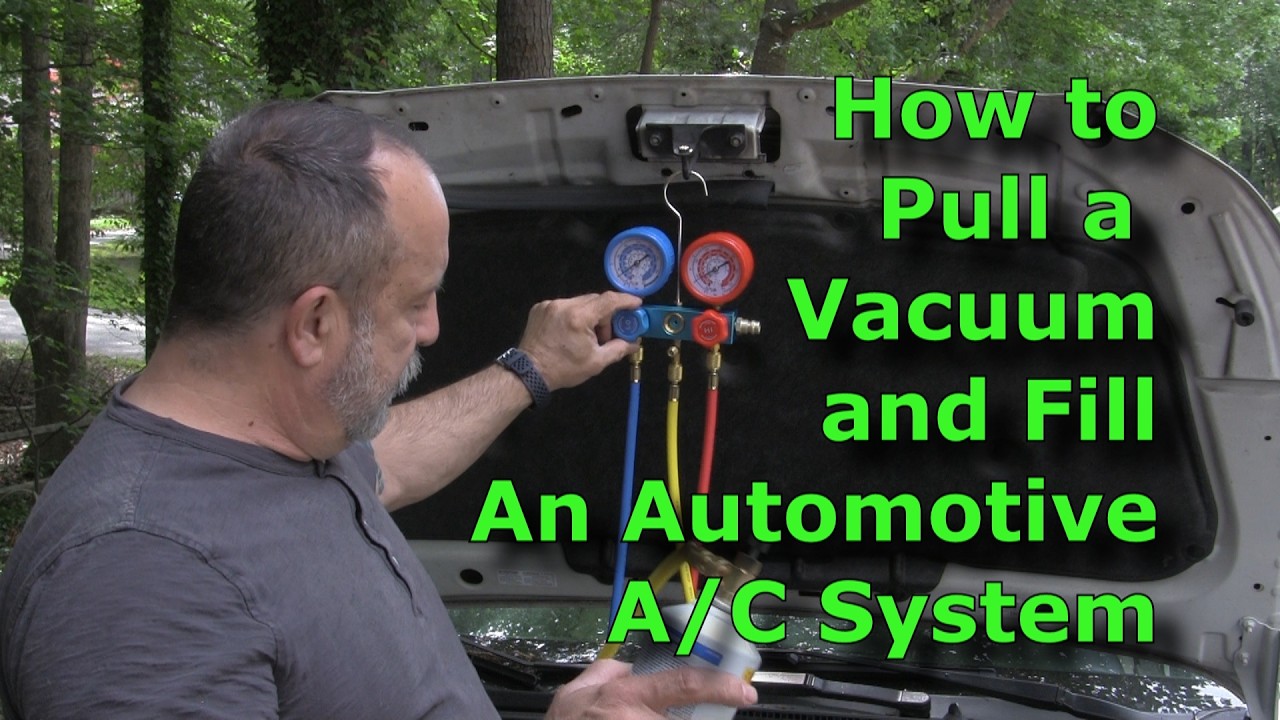
Injecting Refrigerant
Attach the refrigerant can to the low-pressure port. Use gloves and goggles to protect your skin and eyes. Slowly open the valve to add refrigerant.
- Find the low-pressure service port on the AC system
- Connect the refrigerant hose securely
- Open the valve slowly to let refrigerant flow
- Watch the can for refrigerant level while charging
Monitoring Pressure
Use a pressure gauge to check the AC system’s pressure. Keep pressure within the recommended range. Too high or low pressure can damage the system.
- Connect the pressure gauge to the low-pressure port
- Check the gauge reading while refrigerant flows
- Stop adding refrigerant if pressure is too high
- Adjust refrigerant amount to keep pressure stable
Credit: www.youtube.com
Avoid Common Mistakes
Charging a car air conditioner needs care. Mistakes can cause damage or poor cooling.
Learn what to avoid to keep your AC working well and safely.
Overcharging Risks
Putting too much refrigerant in the AC can harm the system. It raises pressure inside the AC.
High pressure can break parts and reduce cooling power. It may also cause leaks.
- Too much refrigerant causes high pressure
- High pressure damages compressor and hoses
- Cooling becomes less effective
- Leaks may develop from stress
Using Wrong Refrigerant
Using the wrong type of refrigerant can stop the AC from working. Different cars need specific refrigerants.
Wrong refrigerant may cause leaks or damage the system parts. Always check your car’s manual first.
- Find the exact refrigerant type your car needs
- Do not mix different refrigerants
- Wrong refrigerant can cause leaks and damage
- Check the label on refrigerant cans
Ignoring Leaks
Leaks let refrigerant escape and stop the AC from cooling well. Ignoring leaks leads to bigger problems.
Fix leaks before charging the system. Recharging without repair wastes refrigerant and money.
- Look for oily spots or hissing sounds
- Use leak detection tools if available
- Repair leaks before adding refrigerant
- Regularly check your AC for leaks
When To Seek Professional Help
Charging a car air conditioner can seem simple. Yet, some problems need expert skills. Knowing when to call a professional saves time and money.
Not all issues show clear signs. Some problems hide under the hood. A skilled technician can spot and fix these fast.
Persistent Cooling Issues
If your car AC keeps blowing warm air, it may need a professional check. Continuous cooling problems can mean leaks or low refrigerant.
- AC runs but air is not cold
- Unusual noises when AC is on
- AC stops working after a short time
- Visible signs of refrigerant leaks
These signs suggest a deeper problem. A technician can test the system and recharge or repair as needed.
Complex System Repairs
Sometimes, AC issues involve multiple parts. Repairs may need special tools and knowledge. Attempting these can cause more damage.
| Problem | Possible Cause | Why Call a Pro |
| Compressor failure | Worn or broken parts | Needs expert diagnosis and replacement |
| Electrical faults | Damaged wiring or fuses | Requires proper testing and repair |
| Blocked expansion valve | Contaminants or wear | Needs precise cleaning or swap |
| Refrigerant leaks | Cracked hoses or seals | Needs leak detection and sealing |
Frequently Asked Questions
How Do You Know When To Charge A Car Ac?
You should charge your car AC when it blows warm air or cools unevenly. Low refrigerant levels cause poor cooling. Check for leaks and test the pressure with a gauge for accuracy.
What Tools Are Needed To Charge A Car Air Conditioner?
You need a refrigerant gauge, refrigerant canister, and safety gloves. A vacuum pump is helpful for removing old refrigerant. Always use the correct type of refrigerant specified for your car.
Can I Charge My Car Ac Myself Safely?
Yes, you can if you follow instructions carefully. Wear protective gear and work in a well-ventilated area. Avoid overcharging to prevent damage to the AC system.
How Long Does It Take To Charge A Car Ac?
Charging a car AC typically takes 30 to 60 minutes. Time varies by system size and refrigerant level. Properly charging ensures optimal cooling performance and system longevity.
Conclusion
Charging a car air conditioner keeps you cool during hot days. Check your car’s manual for the right refrigerant type. Always use proper tools and safety gear to avoid harm. Don’t overfill the system; it can cause damage. If unsure, ask a professional to help you.
Regular AC maintenance improves car comfort and saves money. Stay safe and enjoy a cool ride all summer long.