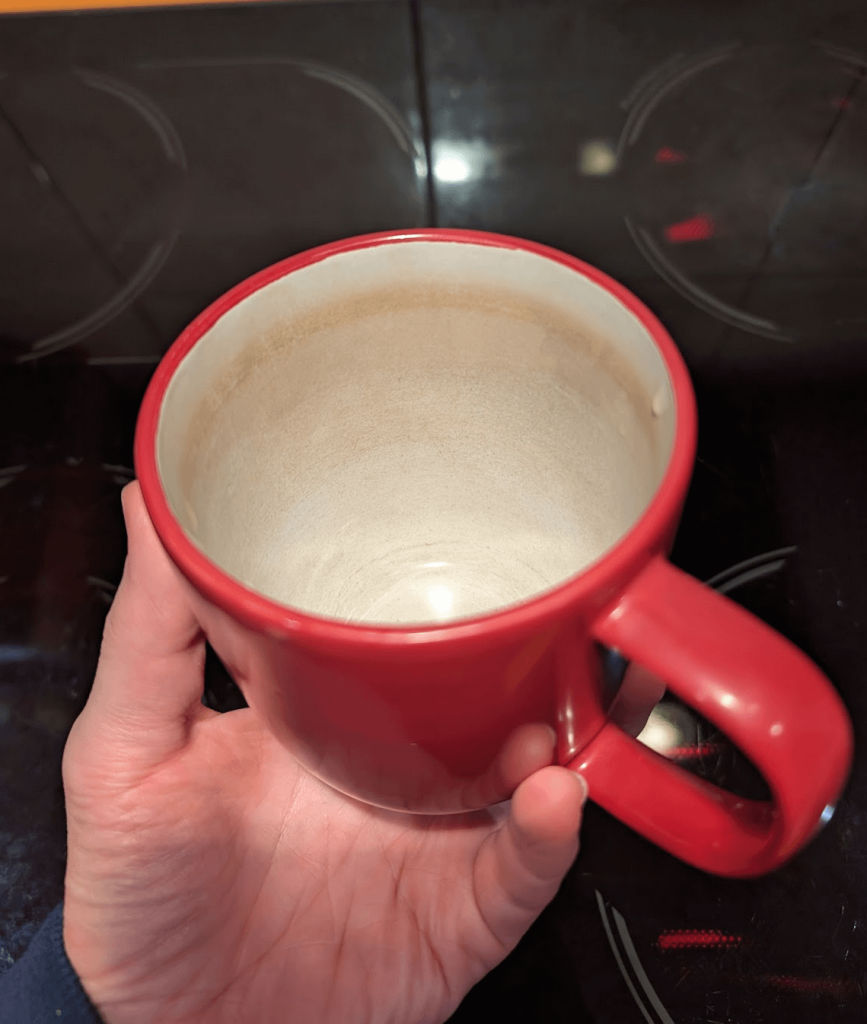
Have you ever noticed those stubborn tea stains clinging to your favorite cup? They can make even the nicest mug look dull and worn out.
If you’ve tried scrubbing but the marks just won’t budge, you’re not alone. Cleaning tea stains can be frustrating, but what if you could easily restore your cups to their original shine without harsh chemicals or endless scrubbing? You’ll discover simple, effective tricks to remove those stubborn stains quickly.
Keep reading, and say goodbye to stained cups for good!
Common Causes Of Tea Stains
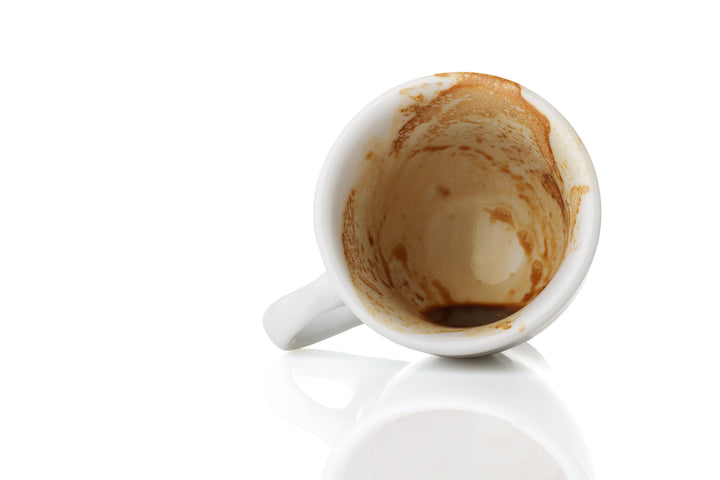
Tea stains on cups happen often and can be hard to remove. These stains form because of the natural compounds in tea.
Knowing why tea stains appear helps you clean them better. Here are some common causes of tea stains on cups.
Tannins In Tea
Tannins are natural chemicals found in tea leaves. They cause the dark color in tea and can stick to cup surfaces.
When tea cools, tannins settle and create stains that look yellow or brown. These stains build up over time if not cleaned.
Tea Temperature
Hot tea makes stains form faster. High heat helps tannins stick to the cup’s surface more strongly.
Drinking tea quickly and washing cups right after use can reduce stain buildup caused by heat.
Porous Cup Material
Some cups have tiny holes or rough surfaces. These trap tea particles and make stains harder to clean.
Materials like ceramic and porcelain can absorb tannins more than glass or stainless steel cups.
Leaving Tea In The Cup Too Long
Tea left in the cup for a long time causes stains to dry and stick. The longer the tea stays, the stronger the stains become.
Rinsing cups soon after finishing tea helps prevent tough stains from forming.
Hard Water Usage
Hard water contains minerals like calcium and magnesium. These minerals mix with tea and form spots that look like stains.
Using filtered water can reduce mineral deposits and keep your cups cleaner.

Credit: ca.style.yahoo.com
Household Items For Cleaning
Tea stains on cups can be tough to remove. You do not need special cleaners. Common household items work well.
Using natural products is safe and easy. These items clean stains without harming your cups.
Using Baking Soda
Baking soda is a gentle abrasive. It helps scrub away tea stains without scratching.
- Wet the cup inside with water.
- Sprinkle baking soda on the stained areas.
- Use a soft cloth or sponge to scrub gently.
- Rinse the cup well with clean water.
Applying White Vinegar
White vinegar breaks down tough tea stains. It also removes odors.
| Step | Action |
| 1 | Pour white vinegar into the cup until stains are covered. |
| 2 | Let it sit for 15 minutes. |
| 3 | Scrub the stains with a sponge or brush. |
| 4 | Rinse the cup with warm water. |
Lemon Juice Benefits
Lemon juice acts as a natural bleach. It brightens and cleans tea stains.
- Rub lemon juice directly on the stained cup areas.
- Let it sit for 10 minutes to work on the stains.
- Scrub gently with a cloth or sponge.
- Wash the cup with warm soapy water and rinse.
Step-by-step Cleaning Methods
Tea stains on cups can be tough to remove. Using simple household items can help clean them effectively.
Try these easy steps to restore your cups to a clean state without harsh chemicals.
Scrubbing With Baking Soda Paste
Baking soda is a mild abrasive that lifts tea stains well. It is safe and easy to use on cups.
Make a paste by mixing baking soda with a little water. Apply it to the stained areas and scrub gently.
- Mix 2 tablespoons baking soda with 1 tablespoon water
- Apply paste to stains using a soft cloth or sponge
- Scrub in circular motions for 1-2 minutes
- Rinse cup with warm water and dry
Soaking In Vinegar Solution
Vinegar is acidic and breaks down tea stains. Soaking helps loosen stubborn marks inside cups.
Fill the cup with a vinegar and water mix and let it sit. Then rinse and wash as usual.
- Mix equal parts white vinegar and warm water
- Pour solution into the stained cup
- Let it soak for 15-30 minutes
- Empty the cup and rinse thoroughly
- Wash the cup with dish soap and water
Rubbing With Lemon And Salt
Lemon’s natural acid and salt’s abrasiveness remove tea stains well. This method is gentle on cups.
Cut a lemon in half, dip it in salt, and rub the stains. Rinse the cup after cleaning.
- Cut a fresh lemon in half
- Sprinkle salt on the lemon cut side
- Rub lemon over the stained areas
- Scrub gently until stains fade
- Rinse cup with warm water and dry

Credit: 100things2do.ca
Preventing Future Tea Stains
Tea stains on cups can be hard to remove if left for too long. Preventing stains is easier than cleaning them. Simple habits and smart choices help keep cups clean.
Use these tips to stop tea stains from forming and keep your cups looking fresh every day.
Regular Cleaning Habits
Wash your tea cups soon after use. This stops tea from drying and leaving marks. Use warm water and mild soap to clean cups well.
- Rinse cups immediately after drinking tea
- Use a soft sponge to avoid scratches
- Clean cups thoroughly at the end of the day
- Occasionally scrub with baking soda to remove early stains
Choosing Stain-resistant Cups
Some cups resist stains better than others. Choosing the right material helps reduce marks from tea. Porcelain and glass cups are easier to clean than some plastics.
| Cup Material | Stain Resistance | Cleaning Ease |
| Porcelain | High | Easy |
| Glass | High | Easy |
| Plastic | Low | Moderate |
| Ceramic (unglazed) | Low | Hard |
When To Use Commercial Cleaners
Tea stains on cups can be tough to remove. Sometimes home remedies do not work well. In such cases, commercial cleaners can help.
These cleaners are made to remove strong stains quickly. They are safe when used as directed. Knowing when to use them saves time and effort.
Stains That Do Not Respond To Home Cleaning
Old or deep tea stains often resist home methods like baking soda or vinegar. Commercial cleaners can break down these tough stains effectively.
When You Need Fast Results
If you want your cups clean quickly, commercial cleaners work faster than natural options. They help when you have little time to clean.
Types Of Commercial Cleaners Suitable For Tea Stains
- Dishwasher tablets with stain removers
- Specialized cup and mug stain removers
- Bleach-based cleaners (use carefully)
- Oxygen-based cleaners for gentle whitening
Safety Tips For Using Commercial Cleaners
| Tip | Why It Matters |
| Read the label | Know how to use the cleaner safely |
| Wear gloves | Protect your skin from chemicals |
| Rinse cups well | Remove all cleaner traces before use |
| Use in a ventilated area | Avoid inhaling fumes |
Credit: nelsonwashonline.co.uk
Frequently Asked Questions
How To Remove Tea Stains From Cups Naturally?
To remove tea stains naturally, use a paste of baking soda and water. Gently scrub the stained area with a soft cloth or sponge. Rinse thoroughly with warm water. This method is effective and eco-friendly, leaving your cups sparkling clean without harsh chemicals.
Are Vinegar And Lemon Effective On Tea Stains?
Yes, vinegar and lemon are effective for tea stains. Apply vinegar or lemon juice to the stain, let it sit for 5 minutes, then scrub gently. Rinse with warm water. These natural acids break down stains, making them easy to remove.
Can Toothpaste Clean Tea Stains From Cups?
Toothpaste can clean tea stains effectively. Apply a small amount of white toothpaste to the stain, then scrub using a soft cloth or brush. Rinse thoroughly with water. The mild abrasives in toothpaste help remove stubborn stains from your cups.
Is It Safe To Use Bleach On Tea Stains?
Using bleach on tea stains is effective but should be done cautiously. Dilute bleach with water, soak the cup briefly, then rinse thoroughly. Avoid using bleach on delicate or colored cups as it may cause damage or discoloration. Always follow safety guidelines when handling bleach.
Conclusion
Cleaning tea stains from cups is easy with the right steps. Use common household items like baking soda or vinegar. Gently scrub the stains to keep your cups bright. Regular cleaning stops stains from building up. Clean cups make your tea taste better too.
Try these simple tips next time you see stains. Enjoy your tea without worrying about dirty cups. Keep your kitchen fresh and your cups sparkling clean.