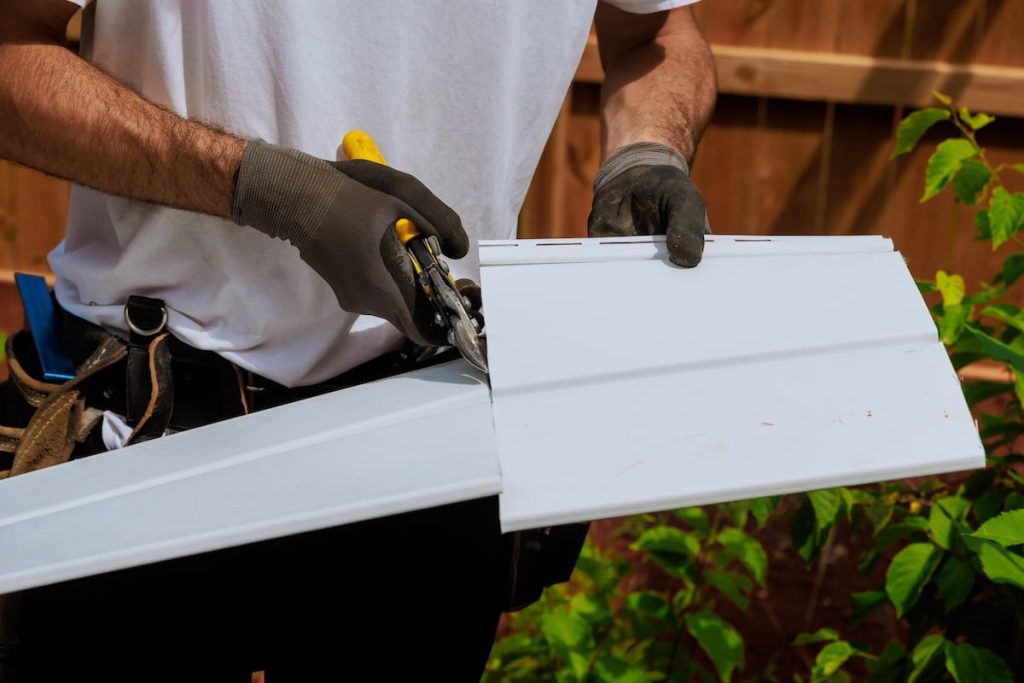
If you’re planning to install Hardie Board siding, one question probably comes to mind: how do you cut it without making a mess or wasting material? Cutting Hardie Board might seem tricky at first, but with the right tools and techniques, you can do it safely and accurately.
You’ll discover simple steps to cut your siding like a pro, save time, and avoid costly mistakes. Ready to get started? Keep reading to learn exactly what you need to know.
Tools For Cutting Hardie Board
Cutting Hardie board siding requires the right tools to make clean and safe cuts. Using proper equipment helps keep the material from cracking or breaking.
It is important to know which saws and accessories work best. Safety gear also protects you from dust and sharp edges.
Recommended Saws
Several types of saws work well for cutting Hardie board. The key is to choose one that cuts smoothly without chipping the siding.
- Carbide-tipped circular saws with a fine-tooth blade
- Jigsaws with a carbide-grit blade for curves and small cuts
- Miter saws with a diamond blade for precise angle cuts
- Hand saws with carbide teeth for small or detailed jobs
Safety Gear Essentials
Cutting Hardie board creates dust that can be harmful to breathe. Protective gear is a must for safety.
- Dust mask or respirator rated for silica dust
- Safety goggles to protect eyes from dust and debris
- Hearing protection if using power saws
- Gloves to protect hands from sharp edges
Additional Cutting Accessories
Some accessories make cutting easier and more accurate. These tools help guide your cuts and reduce waste.
- Sawhorses or work tables to support the board
- Clamps to hold the board steady while cutting
- Straight edge or ruler to mark precise cut lines
- Chalk line for long, straight cutting guides
- Vacuum attachment to reduce dust when cutting
Preparing The Hardie Board
Cutting Hardie board siding needs careful preparation. This helps you get clean and accurate cuts.
Good preparation also keeps you safe and makes your work easier.
Measuring And Marking
Start by measuring the board where you want to cut. Use a tape measure for exact lengths.
Mark the cutting line clearly with a pencil or chalk. Draw straight lines for precise cuts.
- Measure twice to avoid mistakes
- Use a carpenter’s square for straight lines
- Mark both sides of the board if needed
Setting Up A Cutting Area
Choose a flat, stable surface for cutting the board. This keeps the board steady and safe.
Make sure the area is clear of obstacles and well-lit. Wear safety gear like goggles and gloves.
- Work outdoors or in a ventilated space
- Use a saw horse or sturdy table
- Keep tools and materials organized nearby
Securing The Board
Hold the Hardie board firmly before cutting. Use clamps to keep it from moving.
Secure the board at both ends for stability. This prevents slipping and uneven cuts.
- Use quick-release clamps for easy adjustment
- Place clamps away from the cutting line
- Check board stability before starting to cut
Cutting Techniques
Cutting Hardie board siding needs care and the right tools. Proper cutting keeps the siding strong and neat. Using correct techniques helps avoid damage.
Different cuts fit different siding needs. Straight, angled, and curved cuts all require specific ways to cut the board. Learn the best ways to cut each type.
Straight Cuts
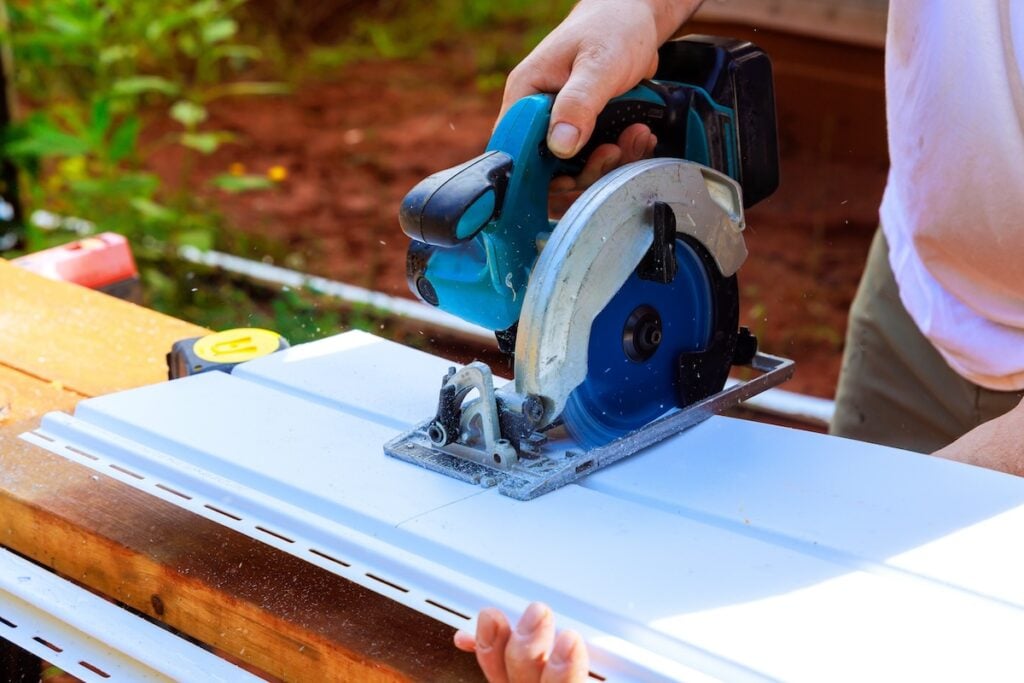
Straight cuts are the easiest and most common. Use a circular saw with a carbide blade made for fiber cement. Mark your cut line clearly before cutting.
Cut slowly and steadily to avoid chipping. Support the board firmly to keep it from bending. Always wear safety gear like goggles and a mask.
Angle And Bevel Cuts
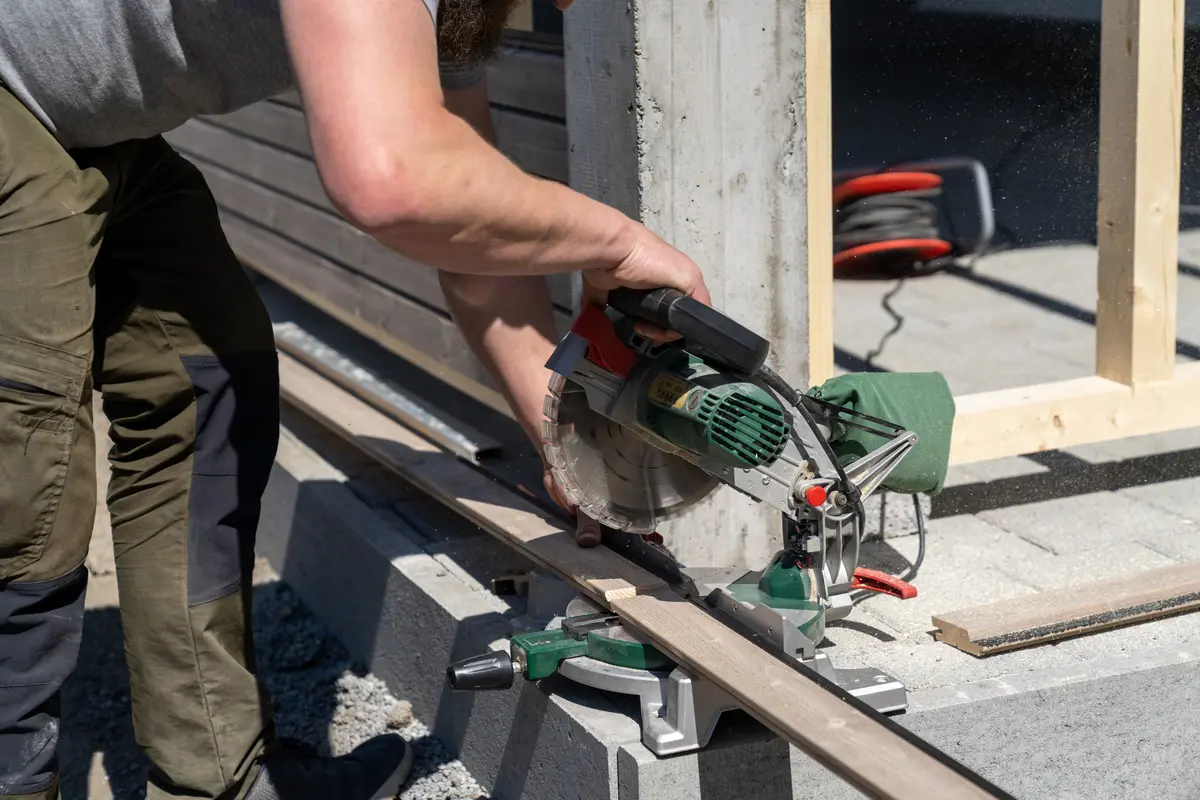
Angle cuts help fit siding around corners and edges. Set your saw to the needed angle before cutting. Use a miter saw or adjustable circular saw for best results.
Check the angle twice to get a clean fit. Bevel cuts are similar but tilt the blade to cut the board edge. This helps siding fit snugly at joints.
Cutting Curves And Notches
Curves and notches need more care and the right tools. Use a jigsaw with a carbide blade for smooth curved cuts. Mark the shape clearly before cutting.
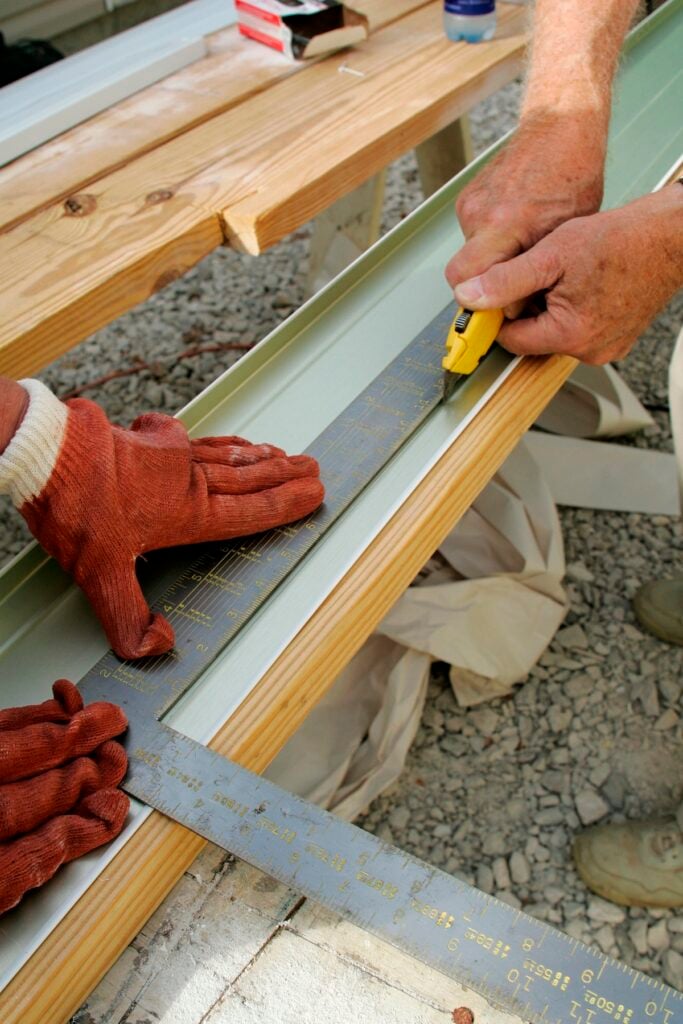
Cut slowly to avoid breaking the board. For notches, score the outline first with a utility knife. Then finish the cut with a saw to keep edges clean.
Credit: veteranscontractingllc.com
Safety Tips During Cutting
Cutting Hardie board siding requires care to avoid injuries and health issues. Dust from the siding can be harmful if inhaled. Proper safety measures help protect you during the cutting process.
Use the right tools and follow safe handling steps. Avoid common errors that can cause accidents or damage the material. This guide covers key safety tips for cutting Hardie board siding.
Dust Control Methods
Dust from cutting Hardie board contains silica, which can harm your lungs. Control dust by using wet cutting or a saw with a dust collection system. Wear a dust mask or respirator to avoid breathing in dust.
- Cut outside or in a well-ventilated area
- Use a circular saw with a diamond blade and water attachment
- Wear N95 or higher-grade respirator masks
- Use goggles to protect your eyes from dust
- Clean up dust with a vacuum or wet cloth, not dry sweeping
Proper Handling Practices
Handling Hardie board siding safely prevents injuries and damage to the material. Always lift boards with care to avoid strains. Keep your work area organized to reduce tripping hazards.
| Practice | Reason |
| Wear gloves | Protect hands from sharp edges |
| Use two people to lift large boards | Prevent muscle strain and dropping |
| Store boards flat on a level surface | Avoid warping or cracking |
| Keep tools clean and sharp | Make cuts smoother and safer |
Avoiding Common Mistakes
Many accidents happen because of simple mistakes. Use the right blade and cutting speed. Don’t rush the job or ignore safety gear. Measure twice before cutting to reduce waste.
- Always wear eye protection and a dust mask
- Use a dust control saw or wet cutting method
- Check blade condition before starting
- Secure the board firmly before cutting
- Keep hands away from the blade path
- Work slowly and steadily for clean cuts
Finishing Touches
After cutting Hardie board siding, the final steps ensure a clean, safe, and precise finish. Proper attention to these details will help your siding look great and last longer.
This guide covers smoothing edges, cleaning up work areas, and checking your cuts for accuracy.
Smoothing Cut Edges
Cut edges of Hardie board can be rough and sharp. Use a sanding block or medium-grit sandpaper to smooth them. Sand lightly to avoid damage.
- Wear gloves to protect your hands
- Sand edges evenly on all sides
- Remove any dust after sanding
- Check edges by touch to ensure smoothness
Cleaning Up
Dust and debris from cutting Hardie board can cause problems if left behind. Clean your work area before moving on.
| Cleaning Task | Recommended Tools |
| Remove dust from cut edges | Soft brush or cloth |
| Clear sawdust from floor | Broom or vacuum |
| Dispose of scrap pieces | Trash bin or recycling |
| Clean tools after use | Wipe cloth or compressed air |
Inspecting For Accuracy
Check your cuts to make sure they fit perfectly. Accurate cuts prevent gaps and improve siding appearance.
- Measure cut pieces against the siding area
- Look for even edges and straight lines
- Fit pieces loosely before final installation
- Adjust cuts if necessary with sanding or trimming
Credit: bestexteriorsinc.com
Credit: bestexteriorsinc.com
Frequently Asked Questions
What Tools Are Needed To Cut Hardie Board?
To cut Hardie Board siding, use a circular saw with a diamond-tipped blade. Additionally, a carbide-tipped scoring knife can be useful for straight cuts. Always wear safety goggles and a dust mask to protect against dust and debris. Proper tools ensure clean cuts and maintain the board’s integrity.
Can You Cut Hardie Board With A Utility Knife?
Yes, you can cut Hardie Board with a utility knife. A carbide-tipped scoring knife is more effective. Score the board multiple times until a clean break is achieved. This method is suitable for thinner boards and smaller cuts. It’s a dust-free option, making it cleaner and safer.
How To Ensure Straight Cuts On Hardie Board?
To ensure straight cuts on Hardie Board, use a straightedge guide. Mark your cut line clearly with a pencil. Secure the board to prevent movement during cutting. Using the right tools, such as a circular saw with a guide, helps achieve precise, straight cuts every time.
Is It Safe To Cut Hardie Board Indoors?
No, it’s not safe to cut Hardie Board indoors. Cutting produces silica dust, which is hazardous when inhaled. Always cut Hardie Board outdoors or in a well-ventilated area. Wearing a dust mask and using dust collection systems can help minimize exposure to harmful particles.
Conclusion
Cutting Hardie board siding is easier with the right tools and care. Use a saw that fits the material well. Measure twice, cut once to avoid mistakes. Always wear safety gear to protect yourself. Take your time and follow steps carefully.
This helps you get clean, straight cuts every time. Proper cutting makes installation smoother and siding look better. Keep these tips in mind for your next project. You can handle Hardie board cutting confidently and safely.