
Is your air conditioner leaking water and leaving a mess? You’re not alone, and the good news is that fixing it might be easier than you think.
A leaking AC can cause damage to your home and make your unit less efficient. But before you call a costly repair service, there are simple steps you can take to stop the drip and keep your AC running smoothly.
Keep reading to discover practical, easy-to-follow tips that will help you fix your leaking air conditioner quickly and save you money. Don’t let a small leak turn into a big problem—let’s get your cool comfort back on track!
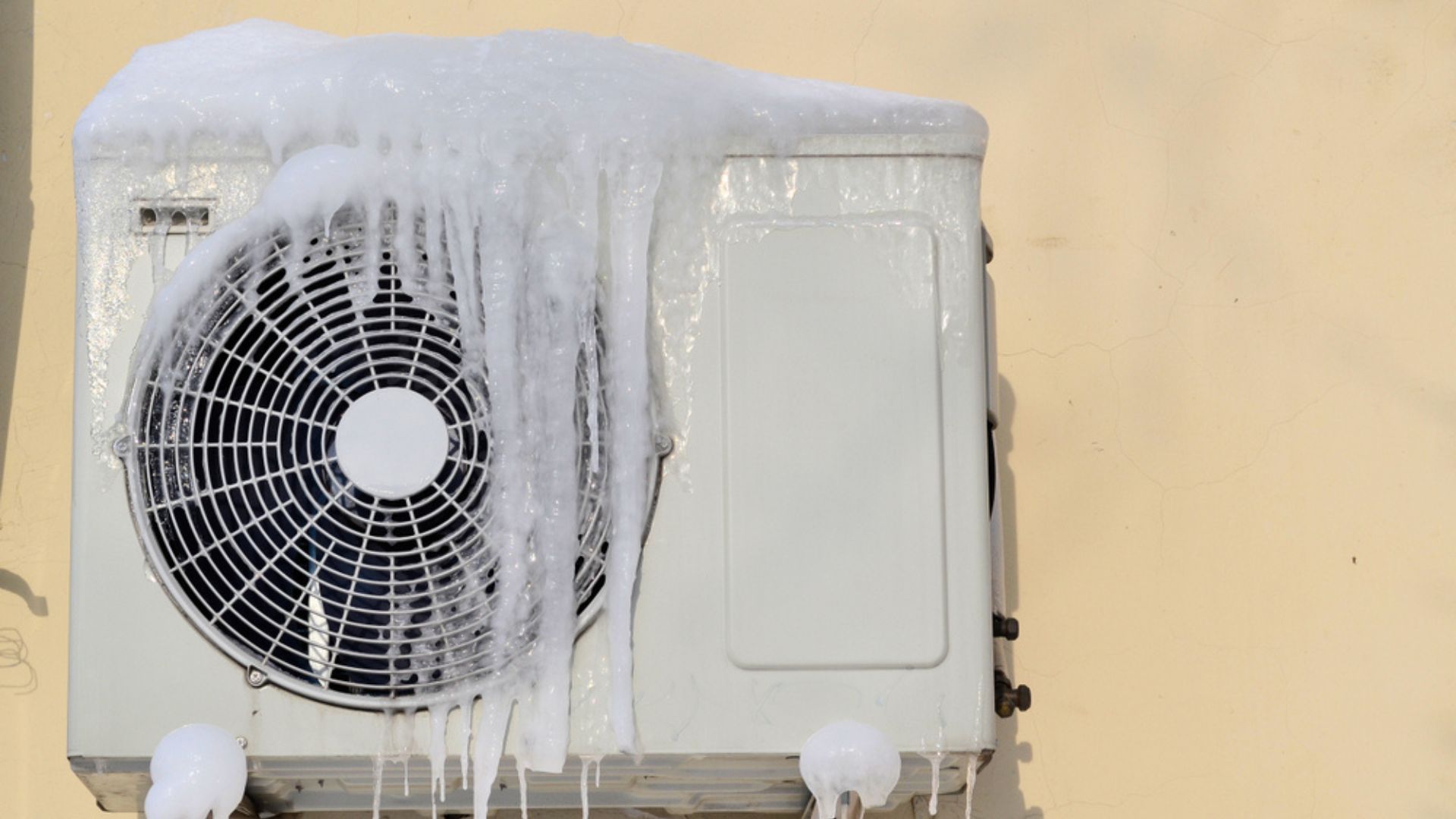
Credit: orzechheating.ca
Common Causes Of Ac Leaks
Clogged drain lineblocks water from flowing out. Water builds up and causes leaks. Cleaning the drain line clears the blockage and stops leaks.
Frozen evaporator coilforms ice that melts and drips water. This happens when airflow is low or refrigerant is low. Thawing the coil and fixing airflow helps.
Damaged drain pancracks or rusts, letting water drip. Replacing or fixing the drain pan prevents water from leaking inside.
Low refrigerant levelscause coils to freeze and water to leak. Finding leaks and refilling refrigerant is needed to fix this.
Safety Precautions Before Repair
Always turn off the powerto the air conditioner before starting any repair. This prevents electric shocks and keeps you safe. Locate the circuit breaker and switch it off. Confirm no power is running to the unit.
Gather all necessary toolsbefore beginning. Common tools include a screwdriver, wrench, bucket, and towels. Having everything ready saves time and avoids interruptions.
Wear protective gearsuch as gloves and safety glasses. These protect against sharp edges and refrigerant exposure. Dress in old clothes to avoid stains or damage.
Clearing A Clogged Drain Line
Finding the drain lineis the first step. It usually runs outside from the unit. Look near the outdoor condenser or inside near the air handler.
Using a wet/dry vacuumhelps clear clogs. Attach it to the drain line end. Run the vacuum for a few minutes to suck out debris.
Flush the line with a vinegar solution. Mix equal parts vinegar and water. Pour it slowly into the drain line to kill mold and clear buildup.
Fixing A Frozen Evaporator Coil
Ice on the evaporator coilcan cause your air conditioner to leak. Look closely at the coil for any white or blue ice buildup. This ice blocks air flow and makes water drip.
Turn off the AC unit to let the ice melt. This may take a few hours. Keep the fan running to help speed up thawing.
Dirty air filters reduce airflow and cause freezing. Check filters and clean or replace them if they look clogged or dusty. Clean filters help your AC work properly and stop leaks.
Repairing Or Replacing The Drain Pan
Check the drain pan carefully for any cracks or holes. Small cracks can cause leaks over time.
Use waterproof sealant to seal minor leaks. Let the sealant dry completely before using the AC again.
Replace the drain pan if it is severely damaged or rusted. A new pan stops leaks and protects your AC.
| Action | When to Use | Tools Needed |
|---|---|---|
| Inspect for Cracks | Regular maintenance | Flashlight, screwdriver |
| Seal Minor Leaks | Small cracks or holes | Waterproof sealant, brush |
| Replace Severely Damaged Pans | Large cracks, rust, or holes | New drain pan, tools for removal |

Credit: www.youtube.com
Addressing Low Refrigerant Levels
Low refrigerant levelscan cause your air conditioner to leak water. This happens because the system cannot cool properly. Signs include less cold air and ice forming on the unit.
Other signs to watch for:
- Longer cooling cycles.
- Higher energy bills.
- Hissing or bubbling sounds near the unit.
Leaks in refrigerant lines need expert repair. Handling refrigerant requires special tools and skills. Calling a professional helps avoid damage and keeps the system safe.
Preventive Maintenance Tips
Regular filter cleaningkeeps the air conditioner running smoothly. Dirty filters block airflow and cause leaks. Clean or replace filters every 1-3 months for best results.
Scheduled drain line checkshelp prevent water buildup. Clogged drain lines cause water to leak inside the house. Clear the line with a wet-dry vacuum or use a vinegar solution to keep it clear.
Professional inspectionscatch problems early. Experts check refrigerant levels, coils, and drainage systems. Schedule inspections once a year to avoid costly repairs and leaks.

Credit: www.youtube.com
Frequently Asked Questions
How Do I Know My Ac Is Leaking?
If your AC is leaking, you may notice water pooling near the unit. A musty odor or decreased cooling efficiency can also indicate a leak. Check for any visible drips or condensation around your air conditioner. Regular maintenance can help identify leaks early.
Can A Leaking Ac Cause Damage?
Yes, a leaking AC can cause damage. Water leaks can lead to mold growth and structural damage. They can also harm your air conditioner’s components. It’s important to address leaks promptly to prevent costly repairs and maintain indoor air quality.
What Causes An Air Conditioner To Leak?
Several factors can cause an air conditioner to leak. Common reasons include clogged drain lines, frozen evaporator coils, or damaged drain pans. Regular maintenance can prevent these issues. Cleaning and inspecting your AC unit can help keep it running efficiently and leak-free.
How Do I Fix A Clogged Drain Line?
To fix a clogged drain line, first, turn off your AC unit. Use a wet/dry vacuum to remove the blockage from the drain line. You can also flush the line with a mixture of vinegar and water. Regular cleaning can prevent future clogs and leaks.
Conclusion
Fixing a leaking air conditioner helps save money and energy. Check the drain line and clean any clogs. Replace dirty filters to keep airflow strong. Tighten loose parts to stop water leaks. Regular care prevents bigger problems later. Small steps can keep your AC working well.
Stay cool and avoid damage by acting fast. Remember, a little effort goes a long way.