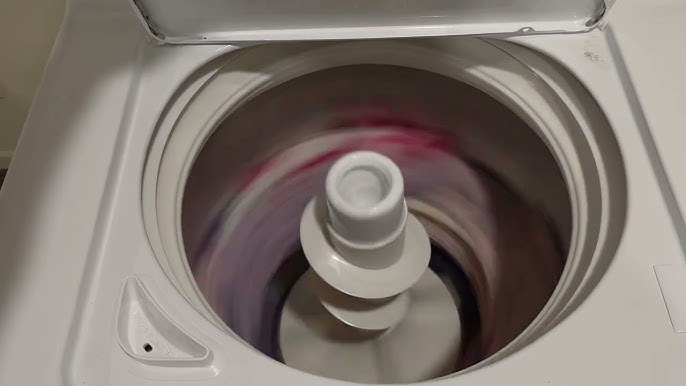
Setting up your washer and dryer might seem tricky at first, but you’re closer to getting it done than you think. Imagine having your laundry ready without waiting for a repairman or spending extra money.
You just need the right steps, clear instructions, and a bit of confidence. In this guide, you’ll discover exactly how to hook up your washer and dryer quickly and safely. By the end, you’ll feel proud knowing you did it yourself—and your laundry routine will never be the same.
Ready to get started? Let’s dive in!

Credit: www.reddit.com
Prepare The Laundry Area
Setting up a washer and dryer needs a clean, safe space. Getting the area ready helps your machines work well.
Focus on location, power and water supplies, and tools before you start connecting the units.
Choose The Right Location
Pick a spot with enough room for both machines and space to move around. Make sure it has good ventilation to avoid moisture build-up.
- Flat, sturdy floor to hold the weight
- Close to water and drain lines
- Near power outlets that match your machines
- Easy access for loading and unloading clothes
Check Electrical And Plumbing Connections
Make sure your laundry area has the right power and water set-up for your washer and dryer models.
| Connection | Requirement | Notes |
|---|---|---|
| Electrical Outlet | 120V for washer, 240V for electric dryer | Grounded outlet with proper amperage |
| Water Supply | Hot and cold water valves | Use flexible hoses for easy connection |
| Drainage | Drain pipe or standpipe | Must be near washer drain hose |
| Ventilation | Dryer vent duct to outside | Prevents heat and moisture buildup |
Gather Necessary Tools And Materials
Have all tools and parts ready before starting to connect your washer and dryer.
- Adjustable wrench for water hookups
- Screwdriver set for securing connections
- Dryer vent kit including clamps and duct
- Plumber’s tape to prevent leaks
- Level to ensure machines sit flat
- Bucket or towels for any water spills
Install The Washer
Installing a washer needs careful steps to avoid problems later. This guide helps you set up your washer correctly.
Follow each part carefully. Proper installation helps your washer work well and last longer.
Position The Washer
Place the washer near water and electrical connections. Leave space around it for air and easy access.
Make sure the floor is strong enough to hold the washer’s weight. Avoid placing it on carpets.
Connect Water Supply Hoses
Attach the hot and cold water hoses to the matching taps on the wall. Tighten them by hand first.
Use a wrench to secure the hoses. Do not over-tighten to avoid damage. Check for leaks after connecting.
- Connect red or marked hose to hot water
- Connect blue or unmarked hose to cold water
- Use new hoses if the old ones are worn out
- Turn on taps slowly to check for leaks
Attach The Drain Hose
Insert the drain hose into the drain pipe or standpipe. Make sure it fits tightly to avoid spills.
Secure the hose with a clamp or zip tie. Avoid bending or kinking the hose to keep water flowing smoothly.
- Place hose end at least 18 inches above floor
- Do not push hose too far into drain
- Use a hose guide to keep it in place
- Check hose for cracks or damage before use
Level The Washer
Use a level tool on top of the washer. Adjust the feet until the washer sits evenly on the floor.
Proper leveling helps prevent noise and movement during washing cycles. Tighten the lock nuts after adjusting.
- Turn adjustable feet clockwise or counterclockwise
- Check level front to back and side to side
- Use a wrench to tighten lock nuts on feet
- Test by pushing the washer gently to check stability
Set Up The Dryer
Setting up your dryer correctly helps it work safely and efficiently. Follow these simple steps to get your dryer ready for use.
Focus on placing the dryer, connecting the vent, and plugging it in. Each step is important for good performance.
Position The Dryer
Place the dryer near a power outlet and the vent opening. Make sure there is enough space around it for air to flow. Keep the dryer level to avoid noise and wear.
Connect The Venting System
Attach the vent hose to the dryer’s vent outlet. Use a clamp to secure it tightly. The vent hose should lead outside to remove hot air and moisture.
- Check the vent hose for any cracks or damage before installing.
- Keep the vent hose as short and straight as possible.
- Clean the vent regularly to prevent lint buildup.
- Use metal venting materials, not plastic.
Plug In The Dryer
| Dryer Type | Power Outlet Needed | Notes |
|---|---|---|
| Electric | 240-volt outlet | Use a dedicated circuit |
| Gas | 120-volt outlet | Connect gas line before plugging in |
Make sure the power cord matches your outlet. Plug the dryer in securely. Avoid using extension cords or adapters.
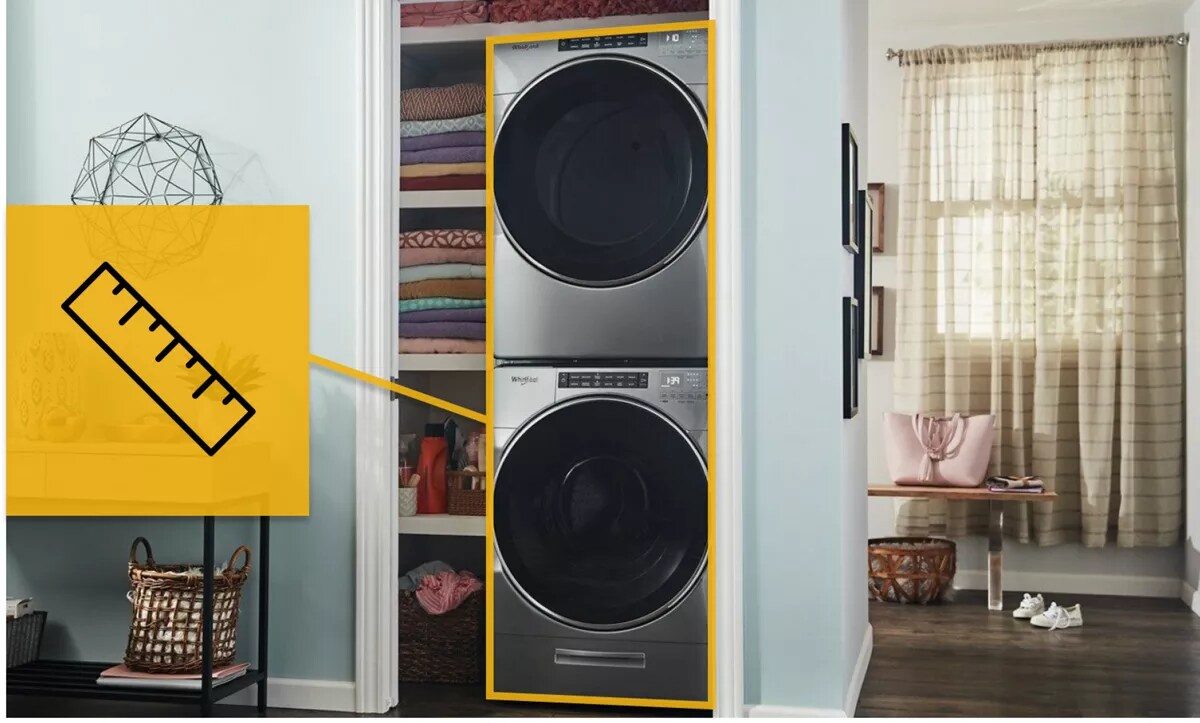
Credit: www.whirlpool.com
Test The Appliances
After hooking up your washer and dryer, testing them is important. Testing ensures they work correctly and safely.
Testing also helps find leaks or other problems before using the appliances regularly.
Run A Test Wash Cycle
Start by running a test wash cycle with no clothes inside. This checks if the washer fills and drains water properly.
Listen for unusual noises and watch for error messages on the display panel during the cycle.
Check For Leaks And Proper Drainage
Watch closely around the water connections and drain hose for any leaks. Even small drips can cause damage over time.
Ensure the water drains quickly and completely without pooling near the washer. Proper drainage prevents mold and water damage.
- Check water supply hoses for tight connections
- Look under the washer for any water drops
- Confirm the drain hose is secure and angled down
- Watch the water flow during the drain cycle
Run A Test Dry Cycle
Next, run a test dry cycle to make sure the dryer heats properly and the drum spins smoothly.
Check the dryer vent for good airflow. Poor airflow can cause overheating and fire risks.
- Use a short dry cycle for the test
- Listen for strange sounds from the dryer drum
- Feel the outside of the dryer to check heat
- Inspect the vent outside for airflow
Troubleshooting Tips
Connecting a washer and dryer can sometimes cause problems. Knowing how to fix common issues saves time and money.
This guide covers three main problems: water leaks, dryer vent issues, and electrical problems.
Addressing Water Leaks
Water leaks often come from loose or damaged hoses. Check the water supply hoses and drain hose for cracks or holes.
- Tighten all hose connections with a wrench.
- Replace any cracked or worn hoses immediately.
- Ensure the drain hose is properly placed in the drain pipe.
- Check the water inlet valve for leaks or damage.
Fixing Dryer Vent Issues
A clogged or damaged dryer vent reduces efficiency and can be a fire risk. Clean the vent regularly to avoid buildup.
| Problem | Cause | Solution |
|---|---|---|
| Dryer not drying clothes | Clogged vent | Clean lint from vent and duct |
| Dryer overheating | Poor air flow | Check and repair vent damage |
| Long drying times | Blocked vent hose | Remove obstruction and clean hose |
Handling Electrical Problems
Electrical issues can stop your washer or dryer from working. Check power sources and connections carefully.
- Make sure the appliance is plugged into a working outlet.
- Test the outlet with another device to confirm power.
- Inspect the power cord for any damage or frays.
- Reset the circuit breaker if it has tripped.
- Contact a professional if electrical problems continue.

Credit: www.reddit.com
Frequently Asked Questions
How Do I Connect Water Supply To A Washer?
Connect the washer’s hot and cold water hoses to corresponding faucets. Tighten hoses securely to prevent leaks. Use new hoses if possible for safety. Turn on water and check connections for leaks before use.
What Electrical Outlet Is Needed For A Dryer Hookup?
Dryers require a dedicated 240-volt outlet for electric models. Gas dryers need a standard 120-volt outlet plus a gas line connection. Ensure the outlet matches your dryer’s plug type for safe operation.
How Do I Vent A Dryer Correctly?
Attach the vent duct to the dryer’s exhaust port. Route the vent outside to prevent lint buildup and moisture damage. Use rigid or semi-rigid metal ducting for safety. Avoid long or excessively curved ducts to maintain airflow.
Can I Install A Washer And Dryer Without Professional Help?
Yes, with basic plumbing and electrical skills, you can install them. Follow manufacturer instructions carefully. Ensure water, power, and vent connections are secure and meet local codes. When in doubt, consult a professional to avoid hazards.
Conclusion
Hooking up a washer and dryer is easier than you think. Follow each step carefully and take your time. Check all connections for leaks or loose fittings. Use the right tools and parts for safety. Test the machines before using them fully.
This helps avoid problems later on. With proper setup, your laundry runs smoothly every time. Enjoy clean clothes without stress or hassle. Simple tasks done right make a big difference. You now have the know-how to set up your washer and dryer confidently.