Have you ever stood in the kitchen, unsure if your pan is truly nonstick or just pretending to be? Knowing whether your pan is nonstick can save you time, money, and frustration while cooking.
Imagine flipping your favorite pancakes effortlessly or cleaning up with a quick wipe—sounds great, right? You’ll discover simple ways to tell if your pan is nonstick and why it matters for your cooking experience. Keep reading to make sure your kitchen tools work as hard as you do.
Signs Of A Nonstick Pan
Nonstick pans make cooking and cleaning easier. Knowing how to spot one helps you choose the right pan.
Look for clear signs that show a pan has a nonstick surface. These signs help you avoid pans that stick to food.
Smooth And Shiny Surface
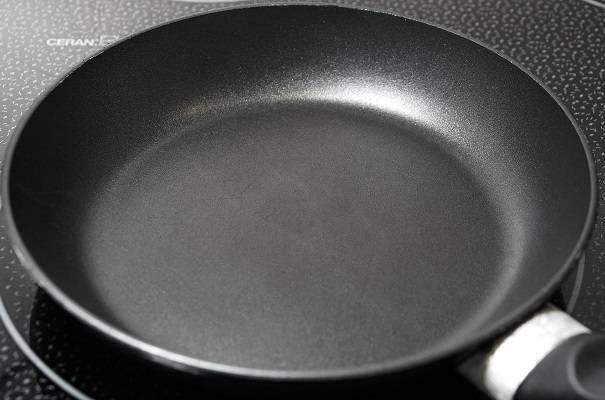
A nonstick pan usually has a smooth and shiny surface. This finish helps food slide off easily without sticking.
- The surface feels slick to the touch.
- It does not have rough spots or bumps.
- Food slides off with little effort.
Dark Or Black Coating
Most nonstick pans have a dark or black coating on the cooking surface. This coating is made of special materials that prevent sticking.
| Coating Color | Common Material |
| Black or Dark Gray | PTFE (Teflon) |
| Gray or Speckled | Ceramic |
| Matte Black | Hard-Anodized Aluminum |
Lightweight Design
Nonstick pans tend to be lighter than regular pans. The coating and materials used keep the weight low.
Here are reasons why nonstick pans are lightweight:
- Aluminum base is common, which is light.
- Nonstick coating adds little extra weight.
- They often have thinner walls than cast iron pans.
:max_bytes(150000):strip_icc()/sea-kyocera-ceramic-nonstick-frying-pan-ashlee-redger-10-e75cc6d2f22c42498d6fd9c2a18893b1.jpeg)
Credit: www.seriouseats.com
Material Clues
Knowing if a pan is nonstick can save you time and effort in the kitchen. One way to tell is by checking the material of the pan.
Some materials are common in nonstick pans. These clues help you spot a nonstick surface without testing it.
Aluminum Or Hard-anodized Base
Nonstick pans often have an aluminum or hard-anodized base. These metals heat evenly and are light in weight.
Hard-anodized pans are aluminum treated to be harder and more durable. This makes them a good base for nonstick coatings.
- Aluminum feels light and smooth
- Hard-anodized has a dark, matte finish
- Both conduct heat well for cooking
- These bases usually come with a nonstick layer on top
Absence Of Stainless Steel Texture
Nonstick pans usually lack the shiny texture of stainless steel. Stainless steel pans feel smooth but are not nonstick by nature.
If the pan surface is dull or matte and not shiny, it might have a nonstick coating. The texture feels different from smooth stainless steel.
- Stainless steel is bright and shiny
- Nonstick surfaces are often matte or slightly rough
- Look for a darker, even coating on the pan’s cooking area
Test Methods At Home
Knowing if a pan is nonstick helps you cook better and clean easier. There are simple tests you can do at home to check the surface.
These tests use everyday items and give quick results. Try these easy ways to see if your pan has a nonstick coating.
Water Bead Test
Heat the pan on low for a few minutes. Then drop a few drops of water on the surface. Watch how the water behaves.
If the water forms small, round beads that move easily, the pan likely has a nonstick surface. If the water spreads flat, it may not be nonstick.
- Beads roll around quickly = nonstick
- Water spreads flat = not nonstick
- Beads stick or stay still = coating may be worn
Egg Fry Test
Heat the pan on medium heat and add a small amount of oil or butter. Crack an egg into the pan and watch how it cooks.
If the egg white slides easily when you try to move it, the pan is nonstick. If the egg sticks or breaks apart, the pan may not be nonstick.
- Egg slides easily = nonstick surface
- Egg sticks or tears = no nonstick coating or damaged
- Use low to medium heat to avoid burning
Plastic Or Wooden Utensil Scratch Test
Use a plastic or wooden utensil to gently scratch the pan’s surface. Avoid metal tools to prevent damage.
If the surface feels smooth and shows no scratches, it is likely nonstick. If it feels rough or scratched, the nonstick layer may be worn out.
- Use gentle pressure with plastic or wood
- Smooth surface means good nonstick coating
- Rough or scratched means coating is damaged

Credit: imarku.net
Brand And Label Indicators
Knowing if a pan is nonstick helps you cook and clean better. Some brands clearly mark their pans as nonstick.
Labels and markings on the pan or its packaging give clues about its surface type.
Manufacturer’s Markings
The bottom or handle of a pan often shows the manufacturer’s mark. This mark can say if the pan has a nonstick coating.
Look for words like “nonstick” or brand names known for nonstick products. These markings help identify the pan type quickly.
- “Nonstick” or “PTFE” labels mean a coated surface
- Brand logos sometimes include nonstick details
- Stamped codes might refer to coating types
Packaging And Labels
Packaging often gives the clearest sign if a pan is nonstick. Look for key phrases and icons on the box or tags.
Labels usually highlight benefits like “easy to clean” or “nonstick surface” to show the pan’s coating type.
- Look for “Nonstick” in bold text on packaging
- Icons of food sliding off the pan suggest a nonstick layer
- Check ingredient or material lists for coatings like PTFE or ceramic
Care And Maintenance Tips
Knowing if a pan is nonstick helps you take better care of it. Proper maintenance keeps the coating safe and working well.
Follow simple tips to keep your nonstick pan clean and lasting longer. Avoid damage by using the right tools and cleaners.
Avoiding Abrasive Cleaners
Abrasive cleaners can scratch and ruin the nonstick surface. Use gentle cleaning products to protect the coating.
Choose soft sponges or cloths instead of steel wool or rough scrubbers. Clean your pan with warm soapy water after each use.
- Use mild dish soap
- Wash with a soft sponge or cloth
- Avoid steel wool and harsh scrubbers
- Rinse and dry thoroughly
Proper Utensil Use
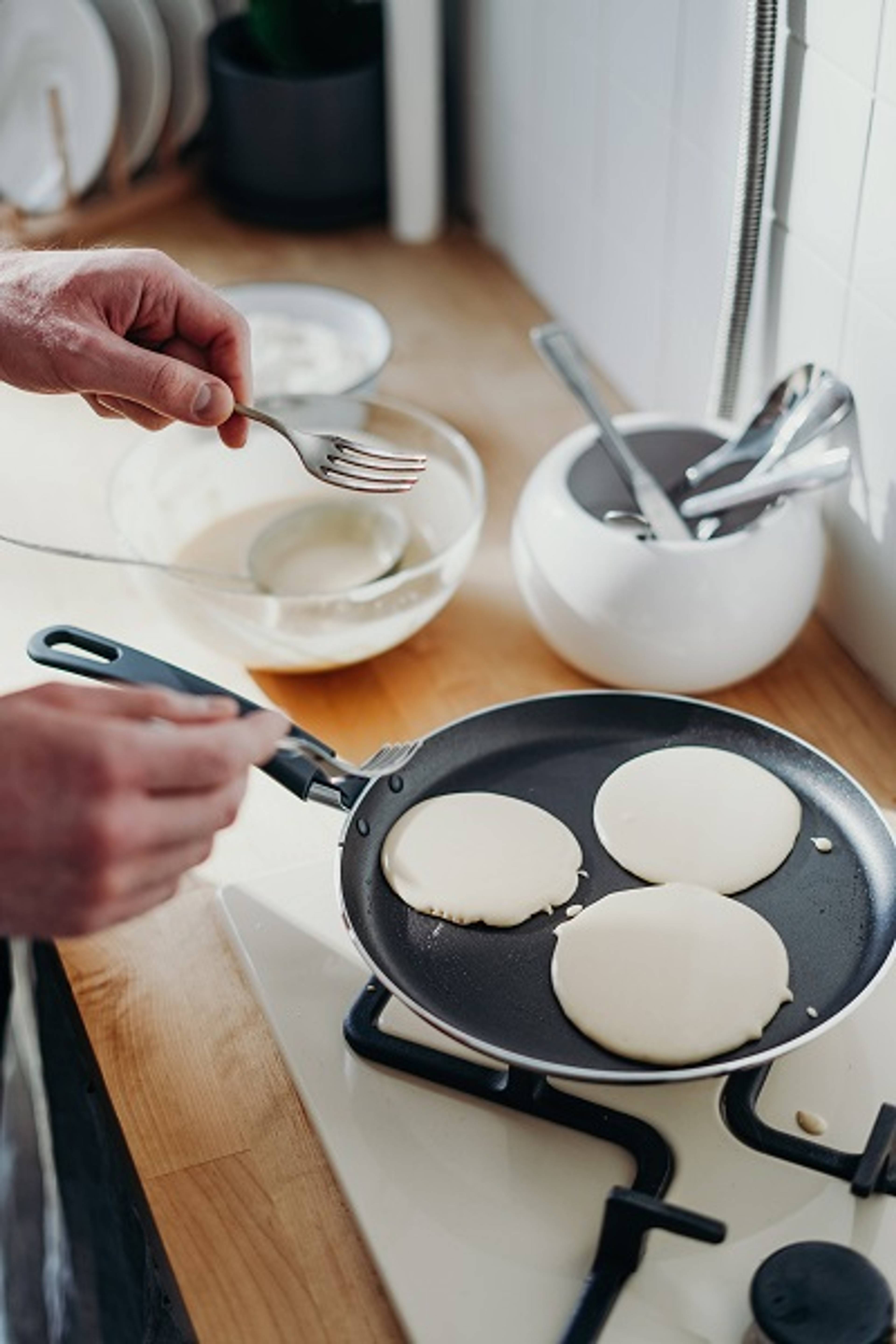
Metal utensils can scratch the nonstick coating. Use wooden, silicone, or plastic utensils to keep the surface smooth.
Using the right utensils helps food cook evenly and keeps the pan safe for longer use.
- Avoid metal forks, spoons, and spatulas
- Choose wooden, silicone, or plastic utensils
- Handle the pan gently to avoid damage
Credit: www.hellofresh.com
Frequently Asked Questions
How Can You Identify A Nonstick Pan?
To identify a nonstick pan, look for a smooth, shiny surface. Nonstick pans often have a dark coating. Check for labels or manufacturer marks indicating nonstick properties. If food easily slides off when cooking, it’s likely nonstick.
What Are The Benefits Of Using Nonstick Pans?
Nonstick pans require less oil, making cooking healthier. They offer easy food release, reducing cleaning time. Their smooth surface ensures even cooking. Nonstick pans are ideal for delicate foods like eggs and fish.
How Should You Care For Nonstick Pans?
To care for nonstick pans, avoid metal utensils and opt for wooden or silicone ones. Clean with mild soap and a soft sponge. Avoid high heat to preserve the coating. Store without stacking or use protective layers between pans.
Are Nonstick Pans Safe To Use?
Nonstick pans are safe when used correctly. Avoid overheating, which can release harmful fumes. Modern nonstick coatings are free from PFOA, ensuring safety. Always follow the manufacturer’s guidelines for best practices.
Conclusion
A nonstick pan feels smooth and slick to touch. Food slides easily without sticking or burning. It cleans up fast, needing little scrubbing. Check for labels or coatings made for nonstick use. Avoid metal tools to keep the surface safe.
Knowing these signs helps pick the right pan. Cooking becomes easier and cleanup takes less time. Choose wisely and enjoy meals without hassle. Simple steps lead to better cooking experiences.