Have you ever started baking your favorite cake or cookies, only to realize you’re out of powdered sugar? It’s frustrating when a simple ingredient stops you from finishing your sweet treat.
But what if you could make smooth, delicious icing without powdered sugar? Yes, you can! This guide will show you easy tricks to create homemade icing using ingredients you probably already have. By the end, you’ll never have to worry about missing powdered sugar again—and your desserts will still look and taste amazing.
Keep reading to discover how!
Ingredients For Icing Without Powdered Sugar
Homemade icing without powdered sugar uses simple ingredients like butter, milk, and granulated sugar. Whipping these together creates a smooth, sweet topping for cakes and cupcakes. Vanilla extract often adds extra flavor.
Creating homemade icing without powdered sugar might seem like a challenge, but it’s a delightful adventure. You can craft a smooth and creamy icing using ingredients you likely already have at home. This approach not only saves you a trip to the store but also opens up a world of flavor possibilities.Common Kitchen Staples
When you think of icing, you might immediately picture powdered sugar. However, regular granulated sugar can be a great substitute. By dissolving it in a bit of liquid, you achieve a smooth texture. Butter or cream cheese can add creaminess, making your icing rich and spreadable. A dash of milk or cream helps to achieve the desired consistency.Alternative Sweeteners
If you’re looking to reduce refined sugar, consider using honey or maple syrup. Both add sweetness while bringing their unique flavors to the table. Agave nectar and coconut sugar are also excellent choices for those seeking alternatives. These sweeteners not only change the taste but also the texture, giving your icing a gourmet twist.Flavor Enhancers
Enhancing your icing’s flavor is where creativity shines. Vanilla extract is a classic choice, but why not try almond or lemon extract for something different? Cocoa powder can turn your icing into a chocolatey delight. For a more adventurous palate, spices like cinnamon or nutmeg can add warmth and depth. Experimenting with these ingredients can lead to your signature icing recipe. What unique combinations will you try in your kitchen today?Basic Methods To Make Icing
Making homemade icing without powdered sugar might seem tricky at first, but there are simple and effective ways to create a smooth and tasty topping using everyday ingredients. Understanding the basic methods gives you the freedom to experiment and tailor your icing to your taste and texture preferences. Here are some practical approaches you can try right in your kitchen.
Using Granulated Sugar
Granulated sugar can be transformed into a fine texture that works well for icing. Start by grinding the sugar in a blender or food processor until it becomes powdery. This homemade version won’t be as fine as store-bought powdered sugar, but it’s a great substitute in a pinch.
Mix your ground sugar with a little butter and milk or cream to get a creamy consistency. Whisk until smooth, and adjust the liquid to reach your desired thickness. This method keeps your icing sweet and fresh without needing extra additives.
Using Honey Or Maple Syrup
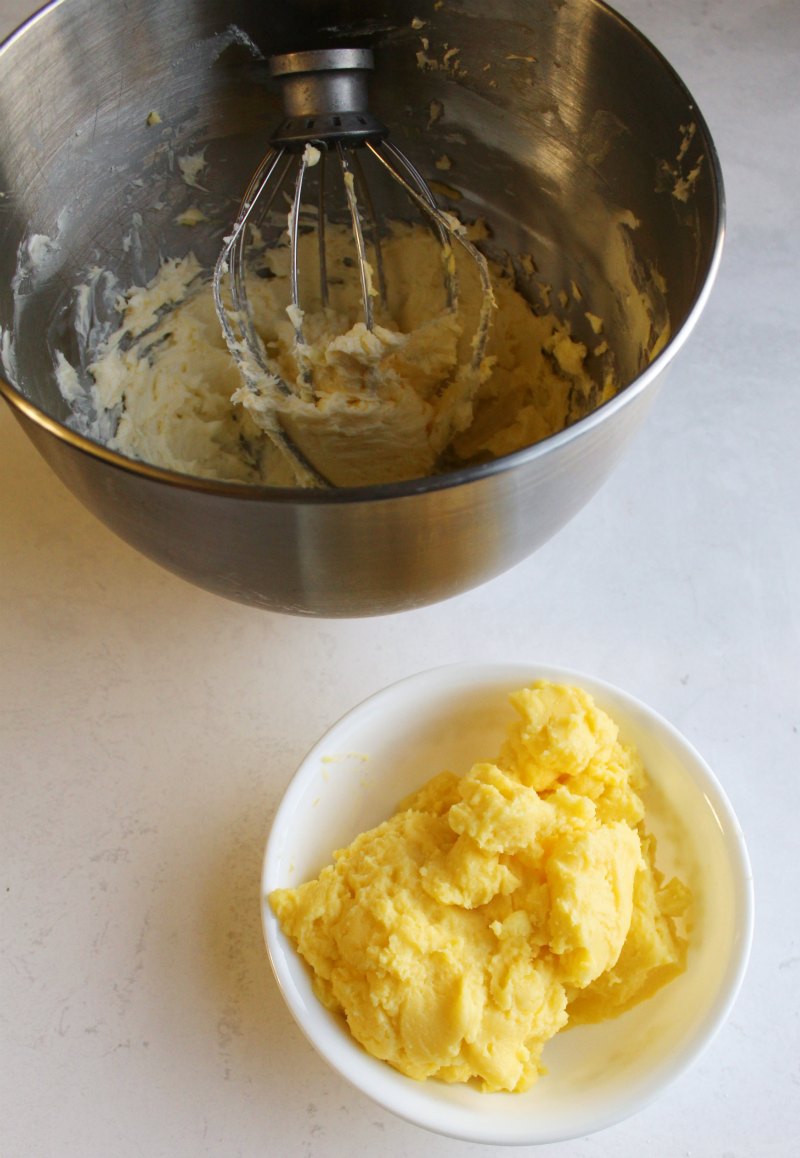
Honey and maple syrup add natural sweetness and moisture to icing, creating a unique flavor profile. These liquids work best when combined with cream cheese or softened butter to form a smooth spread.
Try mixing a few tablespoons of honey or maple syrup with a stick of softened butter, then whip until fluffy. You can add a pinch of salt or a splash of vanilla extract to balance the sweetness. Does the natural sweetness change how you feel about traditional icing flavors?
Using Cornstarch Or Flour
Cornstarch or flour can be used to thicken a simple sugar syrup into an icing-like consistency. Heat water and sugar until the sugar dissolves, then whisk in a small amount of cornstarch or flour. Continue cooking until the mixture thickens.
Once cooled, beat in butter or margarine to add richness and a creamy texture. This method produces a glossy finish that works well on cakes and cupcakes. Have you ever thought about using pantry staples like these to solve a baking challenge?
Step-by-step Icing Recipes
Making icing without powdered sugar might seem tricky, but it’s totally doable with simple ingredients you already have. The key is balancing texture and sweetness to get that smooth, spreadable frosting you want. Let’s walk through easy recipes that anyone can try at home.
Simple Granulated Sugar Icing
You can make a basic icing using just granulated sugar, water, and butter. The trick is to dissolve the sugar completely to avoid graininess. Start by heating sugar and water in a pan until the sugar melts and forms a syrup.
- Mix 1 cup granulated sugar with ¼ cup water in a saucepan.
- Heat gently, stirring until sugar dissolves.
- Let it cool slightly, then beat with 2 tablespoons softened butter until fluffy.
- Add vanilla extract for flavor.
This icing is glossy and sweet, perfect for drizzling over cakes. Have you ever noticed how a little patience while dissolving sugar makes a big difference in texture?
Honey Sweetened Icing
If you want a natural twist, honey is a great sweetener. It adds moisture and a mild floral taste that pairs well with many desserts. Use it as a base combined with cream cheese or butter for a creamy finish.
- Beat ½ cup softened cream cheese with ¼ cup honey.
- Add 2 tablespoons softened butter and mix well.
- Whisk in a teaspoon of lemon juice to balance sweetness.
- Chill the mixture for 15 minutes before spreading.
This icing is tangy and smooth. Ever tried honey in frosting before? It changes the flavor profile in the best way.
Flour-based Frosting
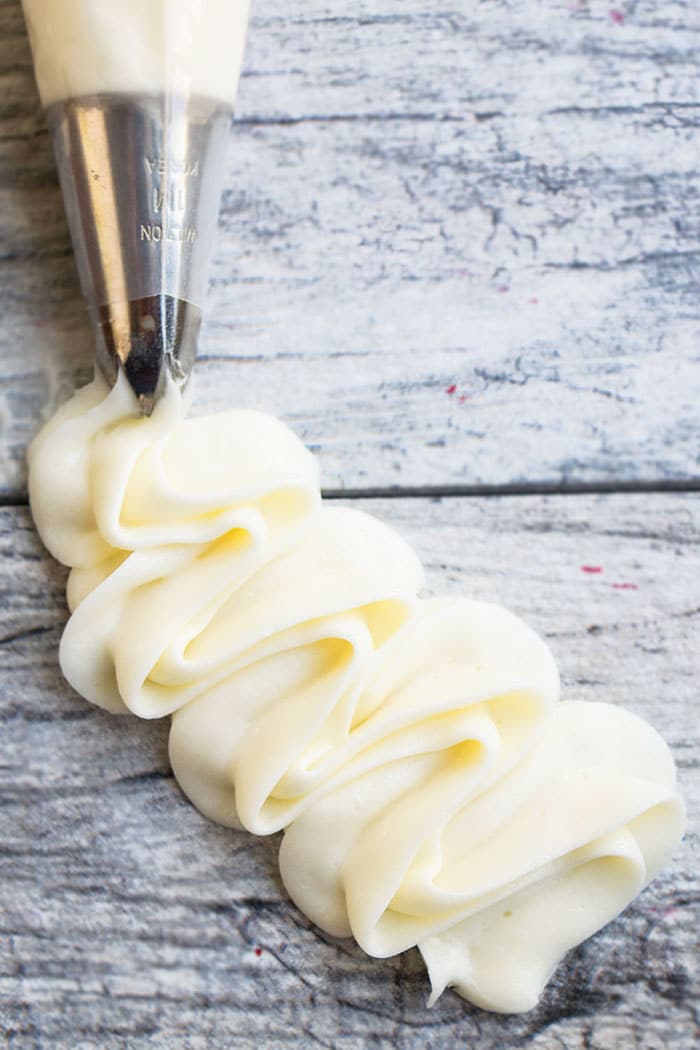
Flour can be your secret ingredient for a thick, creamy frosting without any sugar powder. Cooking flour with milk creates a paste that acts like a frosting base. Adding butter and sugar gives it richness and sweetness.
- Whisk ½ cup all-purpose flour into 1 cup milk in a saucepan.
- Cook over medium heat, stirring constantly until it thickens.
- Remove from heat and let it cool.
- Beat in ½ cup softened butter and ½ cup granulated sugar until smooth.
- Add vanilla extract and mix well.
This frosting is surprisingly smooth and stable. Would you guess it’s made from flour instead of powdered sugar?
Credit: cakewhiz.com
Tips For Smooth And Creamy Icing
Creating smooth and creamy icing without powdered sugar needs some care. The texture, sweetness, and overall look depend on simple but important steps. These tips help you get the best homemade icing every time.
Achieving The Right Consistency
Start with soft butter or cream cheese at room temperature. This makes mixing easier and results in creamier icing. Use a hand mixer or stand mixer for even blending. Slowly add liquid ingredients like milk or cream to control thickness.
Keep mixing until the icing feels light and fluffy. Avoid adding too much liquid at once. If the icing is too thin, add a bit more finely ground sugar substitute or cornstarch to thicken it.
Preventing Graininess
Grainy icing happens when sugar crystals do not dissolve well. Use a fine sugar powder or blend granulated sugar into a powder using a food processor. Sift the sugar powder before mixing to remove lumps.
Mix ingredients at medium speed. This helps sugar dissolve better. Warm the liquid slightly before adding it to the sugar. This dissolves sugar faster and creates smooth icing.
Adjusting Sweetness And Texture
Taste the icing as you mix. Add sweeteners little by little to avoid over-sweetness. Use honey, maple syrup, or agave as natural sweeteners.
For a lighter texture, fold in whipped cream or use more cream cheese. For thicker icing, add a small amount of cornstarch or ground nuts. Balance sweetness and texture to suit your preference.
Flavor Variations And Add-ins
Adding unique flavors and textures to your homemade icing without powdered sugar can transform a simple topping into a delightful treat. Experimenting with different flavor variations and add-ins allows you to customize your icing to match any dessert or occasion. Let’s dive into some tasty ways to enhance your icing beyond the basics.
Vanilla And Citrus Zest
Vanilla extract is a classic choice that adds warmth and depth to your icing. Just a teaspoon can make a plain icing taste rich and inviting.
Try adding fresh citrus zest like lemon, lime, or orange for a bright, zesty twist. The tiny specks of zest also add a subtle texture and vibrant aroma that can wake up your dessert.
Have you ever tasted how a hint of lemon zest can balance sweetness perfectly? It’s a simple way to add complexity without extra sugar.
Cocoa And Chocolate
If you’re a chocolate lover, stirring in unsweetened cocoa powder is a game-changer. It gives your icing a rich, deep chocolate flavor without adding more sugar.
For an even more indulgent option, melt some dark or milk chocolate and mix it into your icing. This creates a creamy, glossy finish that feels luxurious on cakes and cupcakes.
Think about the last time you enjoyed a chocolate frosting—could you replicate that richness without powdered sugar by using cocoa or melted chocolate?
Spices And Extracts
Spices like cinnamon, nutmeg, or cardamom bring warmth and complexity. Just a pinch can turn your icing into something special that pairs well with fall or holiday flavors.
Extracts such as almond, peppermint, or coconut add unique twists. They can completely change the character of your icing, making it perfect for themed desserts or a surprising flavor hit.
Don’t hesitate to experiment with small amounts first. Which spice or extract could become your signature icing flavor?
Credit: cookingwithcarlee.com
Storing And Using Homemade Icing
Storing and using homemade icing without powdered sugar requires care to keep its texture and flavor fresh. Proper storage helps prevent drying out or spoilage. Using the right techniques ensures your icing stays smooth and easy to spread.
Best Storage Practices
- Place icing in an airtight container to avoid air exposure.
- Store in the refrigerator for up to one week.
- Use plastic wrap pressed directly on the icing surface to prevent a crust.
- Label the container with the date to track freshness.
- Freeze icing for longer storage, up to three months.
Reheating And Re-mixing Tips
- Allow refrigerated icing to come to room temperature before use.
- Stir gently to restore smoothness and remove lumps.
- Add a small amount of milk or water if the icing is too thick.
- For frozen icing, thaw overnight in the fridge before reheating.
- Use a hand mixer to quickly bring back fluffy texture.
Applying To Cakes And Cookies
- Use a spatula or knife to spread icing evenly.
- For cookies, dip or drizzle icing for a neat finish.
- Apply in thin layers to avoid sliding or melting.
- Chill iced treats briefly to set the icing before serving.
- Decorate quickly before the icing hardens for best results.
Credit: savorysweetlife.com
Frequently Asked Questions
How Can I Make Icing Without Powdered Sugar?
You can make icing using granulated sugar by boiling it with water to create a syrup. Then, mix it with butter and vanilla extract for a smooth texture. This method gives a sweet, glossy finish without powdered sugar.
What Are Common Substitutes For Powdered Sugar In Icing?
Common substitutes include granulated sugar, honey, maple syrup, or corn syrup. These alternatives can be combined with butter and flavorings. Adjust the consistency with milk or water to achieve a smooth icing.
Is Homemade Icing Without Powdered Sugar Less Sweet?
Homemade icing without powdered sugar may taste slightly less sweet. Granulated sugar syrup provides sweetness but has a different texture. Adjust sweetness by adding more sugar or a sweetener to suit your preference.
Can I Use Granulated Sugar Directly For Icing?
Granulated sugar needs to be dissolved or cooked into a syrup before using. Direct use can make icing gritty. Boiling sugar with liquid creates a smooth base for creamy and glossy icing.
Conclusion
Making homemade icing without powdered sugar is simple and fun. You only need a few common ingredients found at home. This method lets you enjoy fresh, tasty icing anytime. Try different flavors to find your favorite. Baking becomes easier when you know how to make icing without special sugar.
Give it a try and enjoy your sweet creations!