
Are you craving a sweet treat but find yourself out of butter? Or perhaps you’re searching for a lighter option to top your favorite cakes and cookies?
You’re in the right place! Discovering how to make icing without butter can open up a world of delicious possibilities in your kitchen. Imagine creating a smooth, creamy icing that’s not only easy to whip up but also caters to your dietary needs or preferences.
Whether you’re dealing with a butter shortage, trying to cut down on fats, or looking for dairy-free alternatives, this guide will show you just how simple and satisfying it can be to craft a perfect icing without a stick of butter in sight. Stick around and uncover the secret to making your desserts shine, even when butter is off the menu.

Credit: dollopofdough.com
Ingredients For Butter-free Icing
Making icing without butter is easier than you might think. The right ingredients can help you create a smooth, creamy texture and delicious taste without relying on traditional butter. Understanding what to use instead will give you more options and flexibility in your baking.
Common Substitutes For Butter
You have several alternatives that work well in butter-free icing. Vegetable shortening is a popular choice because it whips up fluffy and holds shape. Coconut oil adds a slight flavor twist and melts nicely, but be aware it can solidify in cooler temperatures.
For a healthier option, try using cream cheese or Greek yogurt. These add tanginess and moisture but might require adjusting the amount of sweetener to balance flavors. Have you thought about using avocado? It’s creamy and adds healthy fats, though it changes the color and taste slightly.
Choosing The Right Sweeteners
Sugar is the backbone of any icing, but you don’t always have to use traditional granulated sugar. Powdered sugar is the easiest to dissolve and gives a smooth finish. If you want to avoid refined sugar, try maple syrup or honey, but remember these add liquid that can affect consistency.
Stevia or other natural sweeteners work well if you prefer less sugar, though they often lack the bulk that sugar provides. Balancing sweetness with texture is key. Have you experimented with combining sweeteners to get just the right flavor and consistency?
Flavor Enhancers And Add-ins
Vanilla extract is a classic ingredient that lifts the flavor of your icing without butter. Almond extract, citrus zest, or even a pinch of cinnamon can add unexpected depth. Don’t forget a tiny bit of salt—it can make the sweetness pop.
You can also add texture with finely chopped nuts or coconut flakes if you like a bit of crunch. These small touches make your butter-free icing stand out and feel special. What unique flavor will you try next in your icing?
Basic Techniques For Smooth Icing
Creating smooth icing without butter might seem tricky at first, but mastering a few basic techniques can make it surprisingly simple. The key lies in how you mix your ingredients, adjust the texture, and balance the sweetness. With the right approach, you can achieve a creamy, spreadable icing that’s perfect for any cake or cupcake.
Mixing Methods Without Butter
Without butter, you can rely on alternatives like shortening, cream cheese, or even coconut oil for your base. Use a hand mixer or stand mixer to whip these ingredients with powdered sugar and a splash of milk or cream. Start mixing slowly to avoid a powdery mess, then increase speed to create a fluffy texture.
Did you know that beating your icing longer can make it lighter and silkier? I’ve found that whipping for about 3-5 minutes really helps remove any graininess, giving you that perfect smooth finish.
Achieving Desired Consistency
Consistency is everything. If your icing feels too thick, add a teaspoon of milk or water at a time until it spreads easily. Too runny? Sprinkle in a bit more powdered sugar gradually to thicken it up.
Think about the climate too—high humidity can thin out your icing, so you might need extra powdered sugar on a humid day. What’s your go-to trick to get the texture just right?
Adjusting Sweetness And Texture
Sweetness can be a delicate balance without butter’s rich flavor to soften it. Taste your icing as you go and adjust by adding small amounts of powdered sugar or a pinch of salt to cut through the sweetness.
For texture, consider adding a splash of vanilla extract or a few drops of lemon juice. These don’t just boost flavor—they also help create a smoother, more complex icing.
Popular Butter-free Icing Recipes
Butter-free icings offer delicious alternatives for baking without butter. They provide rich flavors and smooth textures. These icings suit various dietary needs and preferences. Here are some popular butter-free icing recipes that work well for cakes, cupcakes, and cookies.
Cream Cheese Icing
Cream cheese icing is tangy and creamy without butter. Use softened cream cheese with powdered sugar for sweetness. A splash of vanilla extract enhances the flavor. Beat ingredients until smooth and spreadable. This icing pairs well with carrot cake and red velvet.
Coconut Oil Icing
Coconut oil icing is light and slightly tropical. Melt coconut oil and mix with powdered sugar and vanilla. Chill the mixture to thicken before spreading. It hardens nicely at room temperature. Great for adding a subtle coconut taste to your desserts.
Vegan Shortening Icing
Vegan shortening icing mimics traditional buttercream texture. Use vegan shortening, powdered sugar, and plant-based milk. Whip until fluffy and creamy. Flavor with vanilla or cocoa powder for variety. Ideal for vegan or dairy-free cakes and cupcakes.
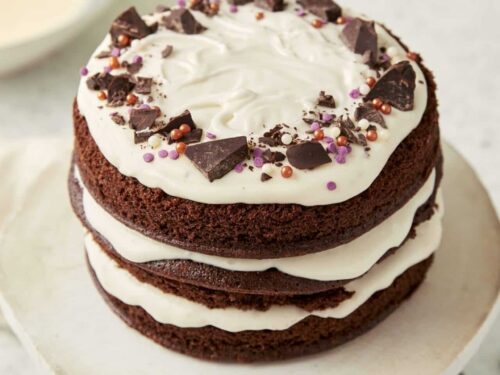
Credit: bakedbree.com
Tips For Decorating With Butter-free Icing
Decorating with butter-free icing can be just as fun and creative as using traditional buttercream. You might notice the texture and behavior of the icing feels different, but that opens up new possibilities for your decorating style. Understanding how to handle this type of icing will help you achieve beautiful results without the need for butter.
Piping And Spreading Tricks
Butter-free icing often has a lighter or more delicate texture. To get smooth spreads, use an offset spatula or the back of a spoon with gentle, even strokes. If you’re piping, chill your icing for 10-15 minutes to firm it up and prevent it from running.
Consider the consistency: add a few drops of water if it’s too thick or a little powdered sugar if it’s too thin. You’ll find that a slightly thicker icing holds shapes better, making it easier to create sharp edges and detailed designs.
Storing And Setting Icing
Butter-free icing can dry out faster than butter-based versions, so cover your decorated treats with a clean, damp cloth or store them in an airtight container. Let your icing set at room temperature before stacking or packaging your baked goods to avoid smudging.
If you want a glossy finish, lightly mist your iced cake with water once it has dried. Remember, refrigeration can sometimes cause the icing to become sticky or soft, so keep that in mind when planning your event or delivery.
Troubleshooting Common Issues
Is your icing too runny or too stiff? Adding powdered sugar gradually can help stiffen runnier icing, while a few drops of milk or water can loosen thick icing. If your icing cracks while drying, it might be too thick or applied in a thick layer.
Sometimes, butter-free icing can separate or appear grainy. Whisking it well and adjusting the liquid balance usually solves this. Have you tried switching the type of liquid or sugar you use? Small changes can make a big difference in texture and taste.
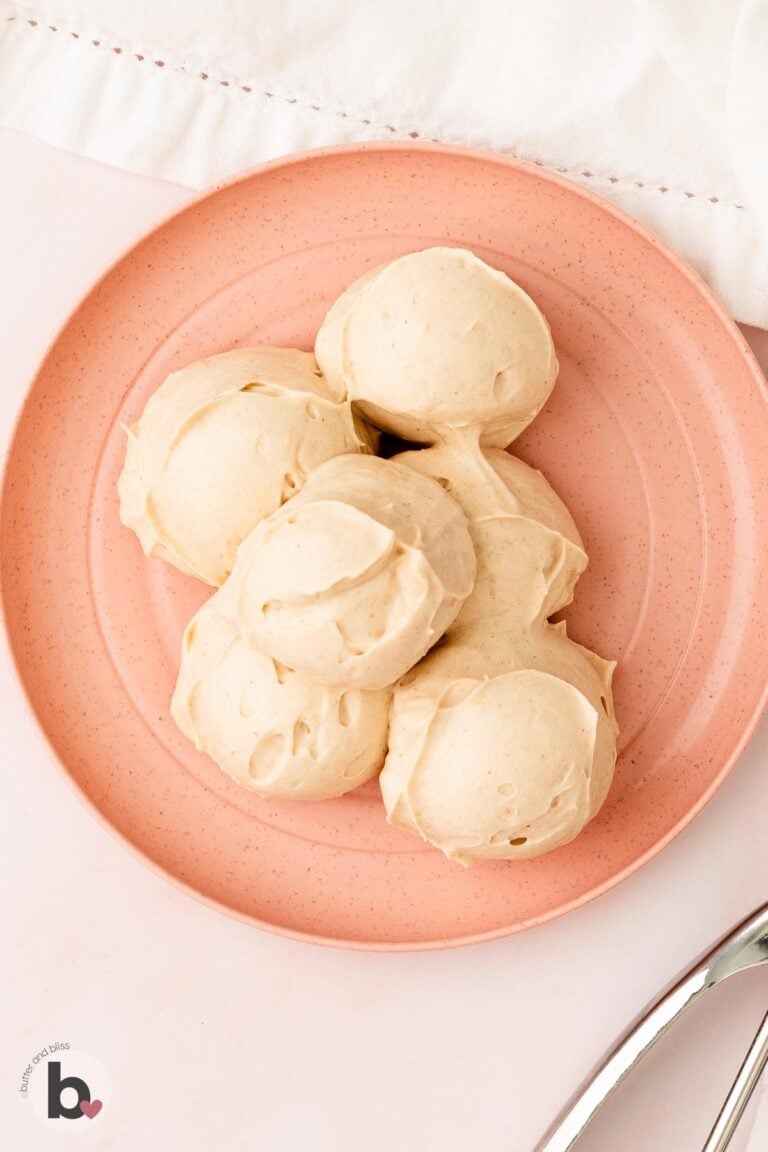
Credit: butterandbliss.net
Frequently Asked Questions
How Can I Make Icing Without Butter?
You can make icing without butter using alternatives like cream cheese, coconut oil, or vegetable shortening. These options provide a smooth texture and rich flavor. Powdered sugar, milk, and vanilla extract are common base ingredients for non-butter icings. Adjust consistency with liquid as needed.
What Ingredients Replace Butter In Icing Recipes?
Common butter substitutes in icing include cream cheese, coconut oil, margarine, or vegetable shortening. Each alternative changes the texture and flavor slightly. Powdered sugar and liquid (milk or juice) remain essential. Choose substitutes based on dietary needs or flavor preferences.
Is Cream Cheese Good For Butter-free Icing?
Yes, cream cheese is excellent for butter-free icing. It offers a creamy texture and tangy taste. Cream cheese icing pairs well with many cakes and cupcakes. Keep it chilled to maintain firmness and adjust sweetness with powdered sugar.
Can I Use Coconut Oil To Make Icing?
Coconut oil works well as a butter substitute in icing. It gives a slight coconut flavor and smooth texture. Use solid coconut oil for best consistency. Combine with powdered sugar and a liquid like milk or juice for ideal icing.
Conclusion
Making icing without butter is simple and fun. You can use ingredients like cream cheese, shortening, or coconut oil instead. Each option gives a different taste and texture. This way, you can enjoy sweet treats even if you avoid butter.
Try different recipes and find your favorite. Baking becomes more flexible and creative this way. Enjoy your delicious, butter-free icing every time!