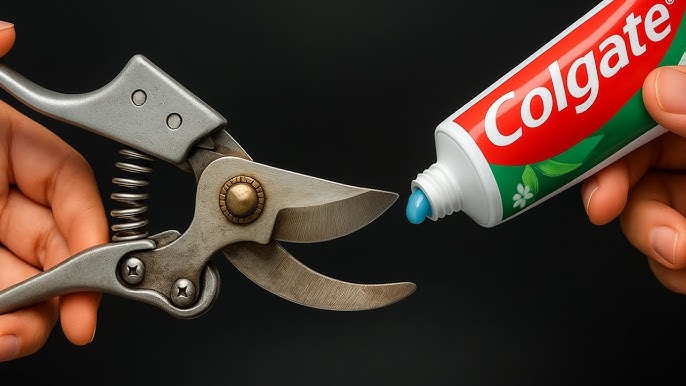
Are your pruning shears feeling dull and struggling to cut through branches? Sharpening your shears can make all the difference, saving you time and effort in your garden.
Imagine slicing through stems smoothly, with less strain on your hands. In this guide, you’ll discover simple, effective steps to sharpen your pruning shears like a pro. Keep reading to bring your tools back to life and make your gardening tasks easier and more enjoyable.
Choosing The Right Tools
Sharpening pruning shears needs the right tools. Using the correct tools makes the job easier and safer.
Good tools help you keep your shears sharp for clean cuts. Clean cuts keep your plants healthy.
Types Of Sharpening Tools
You can use different tools to sharpen pruning shears. Each tool works best in certain ways.
- Sharpening Stones:These come in various grits for smooth edges.
- Diamond Files:Good for quick sharpening and hard blades.
- Sharpening Rods:Also called honing rods, they keep edges aligned.
- Grinding Wheels:Use with care to avoid overheating the blade.
- Sandpaper:Fine grit sandpaper can polish small nicks.
Materials Needed
Gathering all materials before you start makes sharpening smooth and quick. Safety gear is important too.
- Sharpening tool (stone, file, or wheel)
- Cleaning cloth to wipe blades
- Lubricating oil to protect blades after sharpening
- Safety gloves to protect your hands
- Protective glasses if using grinding wheels
- Water or oil for sharpening stones (if needed)
Preparing Your Shears
Sharpening pruning shears starts with good preparation. Clean and check your tools first.
Proper care helps the blades cut better and last longer. Let’s look at how to get ready.
Cleaning The Blades
Remove dirt, sap, and rust from the blades before sharpening. Clean blades sharpen more evenly.
- Use a stiff brush to remove loose dirt.
- Wipe blades with a cloth soaked in warm soapy water.
- Scrape off sap with a plastic scraper or old credit card.
- For rust, rub blades gently with steel wool or fine sandpaper.
- Dry blades completely to avoid new rust forming.
Safety Precautions
Safety is key when sharpening pruning shears. Protect yourself and others around you.
| Precaution | Reason |
| Wear protective gloves | Prevents cuts and scrapes |
| Work in a well-lit area | Helps see blade edges clearly |
| Keep shears pointed away | Avoids accidental injury |
| Secure the shears | Stops slipping during sharpening |
| Store tools safely after use | Prevents accidents and damage |
Sharpening Techniques
Maintaining sharp pruning shears is essential for clean cuts. Sharp tools reduce effort and improve plant health. Here are different techniques to sharpen your pruning shears effectively.
Using A Sharpening Stone
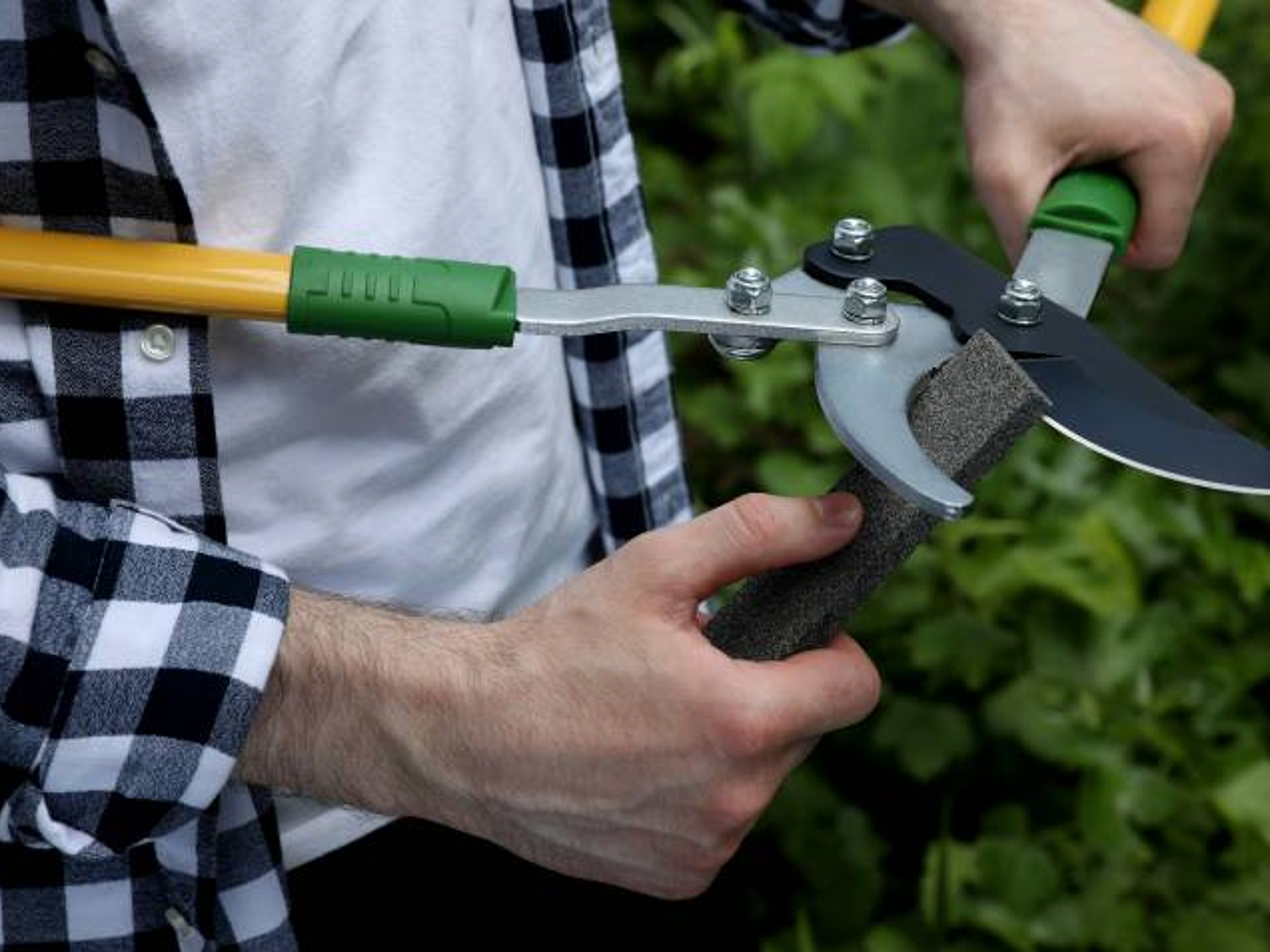
A sharpening stone is a traditional tool. It is effective for sharpening pruning shears. To start, hold the blade at a 20-degree angle against the stone. Move the blade across the stone in a sweeping motion. Repeat this until the edge is sharp.
- Choose a fine-grit stone for a smooth finish.
- Use water or oil to lubricate the stone.
- Test sharpness on a piece of paper.
Employing A Diamond File
A diamond file is great for quick sharpening. It is small and easy to use on pruning shears. Hold the file at the same angle as the blade’s bevel. Stroke the file along the blade, applying even pressure.
Ensure consistent pressure to maintain the original bevel angle. This helps in achieving a uniformly sharp edge.
Using A Sharpening Rod
A sharpening rod is another practical tool. It is useful for maintaining the blade’s edge between heavy sharpening sessions. Hold the rod steady and slide the blade down, following its edge.
| Tool | Best Use |
| Sharpening Stone | Deep sharpening |
| Diamond File | Quick touch-ups |
| Sharpening Rod | Maintenance |
Credit: www.airtasker.com
Maintaining The Blade Angle
Sharpening pruning shears keeps them cutting cleanly. Maintaining the blade angle is key to sharp edges.
Keeping the right angle ensures even sharpening and extends blade life. Learn how to keep this angle steady.
Optimal Sharpening Angle
Pruning shears usually sharpen best at a 20 to 30 degree angle. This angle balances sharpness and blade strength.
- Hold the sharpening tool at 20-30 degrees to the blade edge
- Keep this angle steady throughout each stroke
- Avoid sharpening at a steeper angle to prevent blade damage
- Check the angle frequently while sharpening
- Use a guide if needed to maintain consistency
Consistent Stroke Methods
Consistent strokes make sharpening easier and more effective. Use smooth, even movements along the blade.
| Stroke Type | Description | Tip |
| Single Direction | Sharpen by moving the tool in one direction only | Prevents uneven edges |
| Back and Forth | Sharpen using smooth forward and backward strokes | Good for minor touch-ups |
| Light Pressure | Apply gentle pressure during each stroke | Avoids removing too much metal |
| Equal Length | Keep each stroke the same length | Ensures even sharpening across blade |
Testing And Adjusting
After sharpening pruning shears, test their sharpness to ensure they cut cleanly. Adjust the blades if needed to improve cutting performance.
Proper testing and adjusting keep your pruning shears working well and extend their life.
Checking Sharpness
To check sharpness, try cutting a thin branch or a piece of paper. Sharp blades cut smoothly without tearing.
- Use a branch about ¼ inch thick for testing.
- Cut the branch with a single squeeze of the handles.
- Check if the cut edge is clean and smooth.
- If the blade tears or crushes, it is dull.
- Try cutting a piece of paper to confirm sharpness.
Fine-tuning The Edge
If the blades are not sharp enough, fine-tune the edge with a sharpening tool. Small adjustments can improve cutting quality.
| Adjustment Method | When to Use | Tip |
| Light Honing | Blades slightly dull | Use a fine sharpening stone |
| Re-Sharpening | Blades chipped or very dull | Use a coarse sharpening tool first |
| Blade Alignment | Blades do not close evenly | Tighten or loosen pivot screw |

Credit: www.youtube.com
Lubricating And Caring
Keeping your pruning shears sharp is important. Lubricating and caring for them helps them last longer.
Good care stops rust and makes cutting easier. It also protects the blades and parts.
Oiling The Shears
Oiling pruning shears keeps the blades smooth and stops rust. Use light machine oil or a special garden tool oil.
Apply oil on the pivot point and blades after cleaning. Wipe off extra oil with a cloth to avoid dirt build-up.
- Open the shears wide to reach the pivot.
- Put a drop of oil on the pivot bolt.
- Rub oil on both blades carefully.
- Close and open shears to spread oil.
- Wipe off extra oil with a dry cloth.
Storing Tips
Store pruning shears in a dry place to avoid rust. Keep them away from moisture and dirt.
Use a blade cover or wrap shears in a cloth. This protects the blades and keeps them sharp longer.
- Clean and dry shears before storing.
- Apply a thin oil layer on blades before putting away.
- Store shears in a dry toolbox or shed.
- Use blade covers or wrap in cloth for extra protection.
Troubleshooting Common Issues
Pruning shears need regular care to work well. Some problems can stop them from cutting smoothly. Fixing these issues keeps your tools sharp and safe.
This guide helps you handle two common problems: rust and damaged blades. Follow the tips to keep your pruning shears in top shape.
Dealing With Rust
Rust makes pruning shears hard to use. It can also damage the metal and shorten the tool’s life. Removing rust is important for smooth cutting.
- Use steel wool or a wire brush to scrub off rust spots.
- Apply a rust remover solution for tough rust patches.
- Wipe blades dry after cleaning to stop new rust from forming.
- Coat blades with light oil to protect from moisture.
Fixing Nicks And Chips
Nicks and chips on blades make cutting uneven and difficult. Repair these small damages to restore sharpness and safety.
| Tool Needed | Purpose | How to Use |
| Sharpening stone | Smooth out small nicks | Rub blade along stone at a steady angle |
| Metal file | Remove larger chips | File blade edge gently and evenly |
| Sandpaper | Polish blade after filing | Sand blade surface to remove roughness |

Credit: m.youtube.com
Frequently Asked Questions
How Often Should Pruning Shears Be Sharpened?
Pruning shears should be sharpened every few months or after heavy use. Regular sharpening maintains clean cuts and prolongs tool life. Inspect blades frequently and sharpen when you notice dullness or difficulty cutting through branches.
What Tools Are Needed To Sharpen Pruning Shears?
To sharpen pruning shears, you typically need a sharpening stone, diamond file, or sharpening tool. A cloth and lubricant like oil also help clean and protect blades after sharpening. These tools ensure smooth, precise sharpening results.
Can I Sharpen Pruning Shears At Home Safely?
Yes, you can safely sharpen pruning shears at home using basic tools. Follow manufacturer instructions and wear protective gloves. Keep blades steady and sharpen at the correct angle for best results without injury.
What Is The Best Sharpening Angle For Pruning Shears?
The best sharpening angle for pruning shears is between 20 to 30 degrees. Maintaining this angle ensures a sharp, durable edge for clean cuts. Use a consistent angle while sharpening to avoid blade damage.
Conclusion
Sharpening pruning shears keeps your tools working well. It makes cutting easier and cleaner. Regular sharpening saves time and effort in the garden. Use a sharpening stone or file with care. Clean and oil your shears after sharpening to prevent rust.
Sharp blades protect plants from damage. Practice these steps often to keep shears ready. A little effort goes a long way in gardening success. Now, your pruning shears are sharp and ready to use.