
Are you looking to save space in your laundry area but unsure how to stack your washer and dryer safely? Stacking your machines can free up valuable room and make laundry day easier.
But if it’s your first time, you might wonder how to do it right without causing damage or risking safety. In this guide, you’ll learn simple, step-by-step tips to stack your washer and dryer securely. By the end, you’ll feel confident setting up your laundry space like a pro—and enjoy the extra space you’ve created.
Keep reading to discover how easy it can be!
Choosing The Right Washer And Dryer
Stacking a washer and dryer saves space in your laundry area. You must pick the right machines to make stacking safe and easy.
Some washers and dryers fit better together. This guide helps you choose the best pair for stacking.
Front-load Vs Top-load Machines
Front-load washers have doors on the front, making them easy to stack. Top-load washers open from the top, so they cannot be stacked.
Dryers are usually front-load and designed to stack on front-load washers. Avoid stacking top-load washers because they need space above to open.
- Front-load washers are best for stacking.
- Top-load washers cannot be stacked safely.
- Dryers must be front-load to stack on washers.
Size And Dimension Considerations
Check the height, width, and depth of both machines. They should fit well in your laundry space without blocking doors or vents.
Measure your laundry area before buying. Leave extra space for air circulation and easy access to controls.
- Width and depth of washer and dryer should match.
- Allow space for ventilation and door opening.
- Measure laundry area height for stacked units.
Compatibility For Stacking
Not all washers and dryers stack safely together. Use models from the same brand or designed as stackable pairs.
Look for stacking kits or brackets from the manufacturer. These help secure the dryer on top and prevent accidents.
- Choose stackable washer and dryer models.
- Use manufacturer-approved stacking kits.
- Check weight limits for the bottom machine.

Credit: www.reddit.com
Tools And Materials Needed
Stacking a washer and dryer saves space in your laundry area. You need the right tools and materials to do the job safely. This guide covers the essential items to have on hand before you start.
Gathering everything ahead of time makes the installation easier and faster. Use the following sections to check your tools and materials list.
Stacking Kits And Brackets
Stacking kits and brackets secure the dryer on top of the washer. They prevent the dryer from moving or falling during use. Always use a kit made for your specific washer and dryer models.
- Stacking kit with brackets and screws
- Rubber pads to reduce vibration
- Instruction manual for installation
Basic Tools Checklist
| Tool | Purpose |
|---|---|
| Socket wrench set | Tighten bolts and screws on brackets |
| Drill with bits | Make pilot holes if needed |
| Level | Ensure washer and dryer are even |
| Measuring tape | Check space and alignment |
| Rubber mallet | Help adjust parts without damage |
| Screwdrivers (Phillips and flathead) | Secure screws in stacking kit |
Safety Equipment
Safety equipment protects you during the stacking process. Use gloves and eyewear to avoid injuries. Make sure you have help to lift the dryer safely.
- Work gloves to protect your hands
- Safety glasses to shield your eyes
- Closed-toe shoes for foot protection
- Helper or lifting straps for heavy lifting
Preparing The Laundry Area
Stacking a washer and dryer saves space in your laundry room. Proper preparation helps the units fit well and work safely.
This guide covers key steps to prepare your laundry area for stacking appliances.
Measuring Space Accurately
Measure the width, depth, and height of your laundry space. Check that the stacked units will fit without blocking doors or walkways.
Leave extra room for hoses, vents, and connections behind the appliances.
- Measure width and depth of the floor space
- Check height from floor to ceiling
- Allow 1 to 2 inches of extra space around units
- Confirm door clearance and room for opening lids or doors
Ensuring Proper Ventilation
Good ventilation prevents heat and moisture buildup. This protects your walls and appliances from damage.
Keep the dryer vent clear and direct it outside to remove hot air and lint safely.
- Check that the vent duct is clean and not blocked
- Use the shortest and straightest vent path possible
- Install a vent cover to keep out pests
- Ensure space around the stack allows air flow
Access To Power And Water
Both washer and dryer need power and water connections nearby. Proper access avoids extra work and hazards.
Check the location of electrical outlets, water supply valves, and drain pipes before stacking.
- Locate a grounded electrical outlet for each appliance
- Ensure water valves are easy to reach and work well
- Check that the drain pipe is clean and at proper height
- Use correct hoses and cords recommended by the manufacturer
Step-by-step Stacking Process
Stacking a washer and dryer saves space in your laundry area. It is important to follow the correct process to keep them safe and stable.
This guide explains how to stack your washer and dryer step-by-step. Read each step carefully before starting.
Securing The Washer
Place the washer on a flat surface near a power outlet. Make sure it is level to prevent shaking.
Use a level tool to check all four corners of the washer. Adjust the feet if needed to make it stable.
- Unplug the washer before positioning
- Adjust feet by turning them clockwise or counterclockwise
- Check for wobbling by gently pushing the washer
Positioning The Dryer
Lift the dryer carefully and place it on top of the washer. Align it so that it fits securely.
Make sure the dryer’s vents and power cords are accessible. Avoid blocking any openings.
- Use help to lift the dryer safely
- Keep the dryer centered on the washer
- Check that cords and vents are not pinched
Attaching The Stacking Kit
Use a stacking kit made for your washer and dryer models. This kit keeps the units connected and stable.
Follow the instructions that come with the kit. Usually, it includes brackets and screws to fix the dryer on top.
- Attach brackets to the washer first
- Secure brackets to the dryer next
- Tighten all screws firmly
Checking Stability And Balance
Once stacked, test the stability by gently shaking the dryer. It should not move or wobble.
Double-check that both machines are level using a level tool. Adjust feet if any imbalance appears.
- Look for any gaps between the washer and dryer
- Ensure the stacking kit is tight and secure
- Confirm that vibration is minimized during operation
Safety Tips And Precautions
Stacking a washer and dryer saves space in your laundry area. It is important to follow safety steps to avoid accidents.
Proper setup prevents damage to your machines and keeps your home safe. Use correct tools and guidelines.
Weight Limits And Manufacturer Guidelines
Check the weight limits for stacking your washer and dryer. Each machine has a maximum load it can support.
Read the manufacturer’s instructions carefully. They show how to stack safely and what parts to use.
- Do not exceed the weight limit on the washer.
- Use stacking kits approved by the manufacturer.
- Follow all installation steps exactly as stated.
- Contact support if unsure about your models.
Preventing Vibration And Noise
Stacked machines can cause more vibration and noise if not set up well. This can damage the units or floor.
Use anti-vibration pads or mats under the washer. Make sure the machines are level and stable.
- Place the washer on a flat, firm surface.
- Use a leveling tool to adjust the feet.
- Attach the dryer securely to the washer with a stacking kit.
- Check for loose parts that cause noise.
Regular Maintenance Checks
Check your stacked washer and dryer often. Regular care helps spot problems early and keeps machines working well.
Look for leaks, loose bolts, or worn parts. Clean lint traps and clear hoses to prevent fire risks.
- Inspect the stacking kit bolts monthly.
- Clean the dryer lint trap after each use.
- Check water hoses for cracks or leaks.
- Listen for unusual sounds during operation.
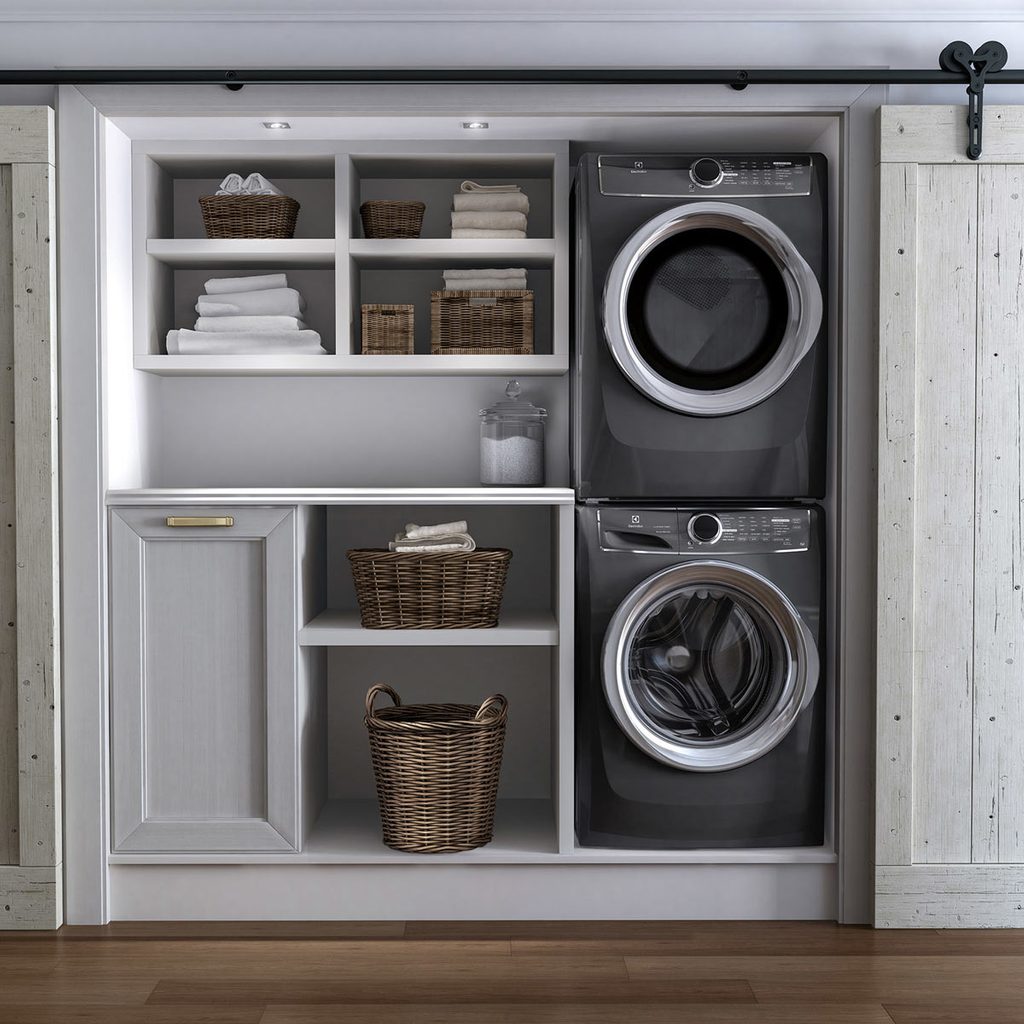
Credit: www.familyhandyman.com
Alternative Space-saving Solutions
Finding space for a washer and dryer can be tricky. Many people look for ways to save space in their homes. Here are some great alternatives.
Under-counter Installations
One smart way to save space is to use the area under your counters. This setup keeps your laundry area neat. It also helps you use every inch of your kitchen or bathroom.
- Measure the height of your counter space.
- Choose appliances that fit snugly under the counter.
- Ensure proper ventilation for safety.
Compact Washer-dryer Combos
Compact washer-dryer combos do two jobs in one. They are small but can handle regular loads. This option is perfect for tiny homes or apartments.
| Feature | Benefit |
| Size | Fits in tight spaces |
| Energy Use | Lower electricity consumption |
| Convenience | Wash and dry without moving clothes |
Wall-mounted Dryers
Wall-mounted dryers are another excellent choice. They free up floor space and are easy to install. These dryers are ideal for small laundry rooms.

Credit: www.abt.com
Frequently Asked Questions
Can I Stack Any Washer And Dryer Model?
Not all models are stackable. Check the manufacturer’s guide for compatibility. Use stacking kits designed for specific washer and dryer models to ensure safety and stability.
How Do I Safely Stack A Washer And Dryer?
Use a stacking kit to securely fasten the dryer atop the washer. Ensure both units are level and stable. Follow the installation instructions carefully to prevent accidents or damage.
What Tools Are Needed To Stack A Washer And Dryer?
You typically need a stacking kit, a screwdriver, and possibly a wrench. Some kits include all necessary hardware. Always read the stacking kit instructions for specific tool requirements.
Is Professional Installation Recommended For Stacking Appliances?
Professional installation is advised for safety and warranty reasons. Experts ensure proper alignment, secure fastening, and correct venting. This reduces risks of damage or voiding manufacturer warranties.
Conclusion
Stacking a washer and dryer saves space and keeps laundry organized. Follow the steps carefully to ensure safety and stability. Use the right stacking kit for your models to avoid damage. Keep the area clean and check connections regularly. This setup works well in small homes or apartments.
With proper care, your stacked units will last longer. Enjoy the convenience of having laundry appliances in one spot. Simple, smart, and space-saving.