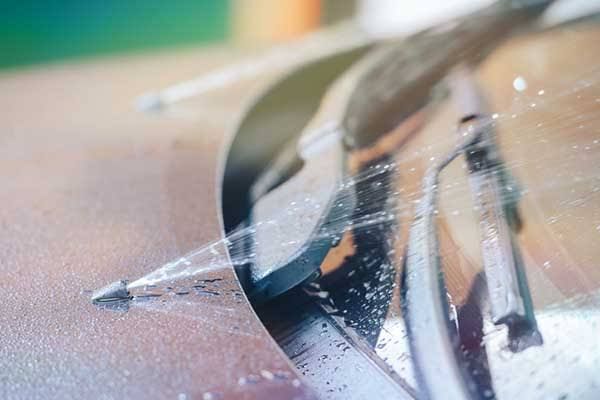
Have you ever tried to clean your windshield only to find that your wiper sprayers just won’t work? It’s frustrating when those tiny nozzles get clogged, leaving you with a dirty view and unsafe driving conditions.
But don’t worry—you don’t need to rush to a mechanic or buy expensive replacements. You’ll discover simple, quick steps to unclog your windshield wiper sprayers yourself. Keep reading, and you’ll learn how to get your sprayers spraying again in no time, making every drive clearer and safer.
Common Causes Of Clogged Sprayers
Windshield wiper sprayers can stop working well if they get clogged. Dirt and debris often block the tiny holes in the sprayers.
Knowing what causes clogs helps you fix the sprayers faster and keep them working longer.
Dirt And Debris Build-up
Small dirt particles and dust can collect around the sprayer nozzles. This build-up stops the fluid from spraying out properly.
Road grime and bugs also add to the clog. Cleaning the nozzles regularly helps prevent this problem.
Blocked Fluid Lines
The tubes that carry washer fluid can get blocked. This happens when dirt or old fluid dries inside the lines.
Sometimes, algae or mold grows inside the fluid tank and blocks the lines too.
Frozen Washer Fluid
In cold weather, washer fluid can freeze inside the sprayer or tubes. Ice blocks the fluid flow and stops spraying.
Using the right fluid for winter helps avoid freezing and clogging.
Damaged Or Misaligned Nozzles
Nozzles can get damaged by rocks or car washes. This damage may block the spray or change its direction.
Sometimes, nozzles move out of place, which stops the fluid from spraying on the windshield correctly.

Credit: www.amazon.ca
Essential Tools For Unclogging
Windshield wiper sprayers can get clogged from dirt or debris. Fixing them needs the right tools. Using proper tools makes the job easier and safer.
This guide covers the key tools you need to unclog windshield wiper sprayers. Each tool helps clean or clear the nozzle and tubes effectively.
Needle Or Pin
A thin needle or pin is useful for removing blockages inside the spray nozzle. It can gently poke through dirt without damaging the nozzle.
Compressed Air Canister
Compressed air pushes out dirt and debris from the nozzle and spray lines. It is effective for clearing stubborn clogs without taking parts apart.
Water Or Vinegar Solution
Flushing the sprayer with water or a vinegar solution helps dissolve mineral deposits. This solution can be poured into the spray reservoir or used with a syringe.
Syringe Or Turkey Baster
A syringe or turkey baster forces liquid through the spray tubes. This helps push out dirt and clear the nozzle quickly.
Small Wrench Or Pliers
Sometimes the nozzle needs to be removed for thorough cleaning. A small wrench or pliers can loosen the nozzle carefully without damage.
Tools Comparison Table
| Tool | Purpose | Best For |
| Needle or Pin | Unclog nozzle tip | Light blockages |
| Compressed Air | Blow out debris | Stubborn clogs |
| Water/Vinegar Solution | Dissolve mineral deposits | Hard water buildup |
| Syringe/Turkey Baster | Flush spray tubes | Tube cleaning |
| Wrench/Pliers | Remove nozzle | Deep cleaning |
Step-by-step Cleaning Process
Windshield wiper sprayers can get clogged by dirt or debris. Cleaning them helps keep your windshield clear. Follow these simple steps to fix clogged sprayers.
This guide shows you how to unclog sprayers safely and quickly. You will check the clog, clean the nozzle, flush the system, and test the sprayers.
Assess The Clog
First, check if the sprayers are really clogged. Turn on the sprayers and watch the spray pattern. If the spray is weak or uneven, a clog is likely.
Look closely at the nozzle tips. Dirt or debris may block the holes. You can also check the fluid level to rule out empty tanks.
Clear The Nozzle
Use a pin or needle to gently poke into the nozzle holes. This will remove dirt stuck inside. Be careful not to enlarge the holes.
- Turn off the sprayers before cleaning
- Use a thin pin or sewing needle
- Gently insert the pin into each nozzle hole
- Remove any visible dirt or debris
Flush The System
Next, flush the sprayer system to clear any blockage inside the hoses. Use clean water or windshield washer fluid for this step.
Disconnect the hose from the nozzle. Use a small container to pour fluid through the hose. This pushes out dirt and old fluid buildup.
- Disconnect the hose at the nozzle end
- Pour clean water or fluid into the hose
- Allow fluid to flow through the hose
- Reattach the hose securely
Test The Sprayers
Turn on the windshield wiper sprayers again. Watch the spray pattern carefully. The spray should be strong and even from both nozzles.
If the spray is still weak, repeat the cleaning steps or check the fluid level. Proper spray helps keep your windshield clean and safe.
Credit: www.91wheels.com
Homemade Cleaning Solutions
Clogged windshield wiper sprayers can be a hassle. Using homemade cleaning solutions is a safe and easy way to fix this problem.
These solutions use common household items. They help clear the blockage without harsh chemicals.
Vinegar And Water Mix
Vinegar is great at breaking down dirt and grime. Mix equal parts of white vinegar and water for a simple cleaner.
- Combine 1 cup of white vinegar with 1 cup of water in a container.
- Pour the mixture into the windshield wiper sprayer reservoir.
- Spray several times to help dissolve the clog.
- Repeat if needed until the sprayers work well again.
Baking Soda And Water Paste
Baking soda can scrub away tough buildup. Make a thick paste with water to clean the sprayer nozzles.
| Ingredient | Amount |
|---|---|
| Baking Soda | 2 tablespoons |
| Water | 1 tablespoon |
Mix these ingredients to form a paste. Use a small brush to apply the paste to the sprayer nozzle. Let it sit for 10 minutes. Rinse with water and test the sprayer again.
Preventive Maintenance Tips
Keeping your windshield wiper sprayers clear helps you see better in bad weather. Regular care stops clogs before they start.
Follow simple steps to keep the sprayer system working well all year long.
Regular System Checks
Check the sprayer nozzles often to spot blockages early. Clean dirt and debris from the nozzle tips.
Inspect the washer fluid hoses for cracks or leaks. Replace any damaged parts quickly to avoid bigger problems.
- Look for dirt or wax buildup on nozzles
- Test sprayer spray pattern regularly
- Check hoses for leaks or cracks
- Clear any visible blockages with a pin
Use Quality Washer Fluid
Choose washer fluid that works well in your climate. Good fluid helps prevent clogs and cleans better.
Avoid using plain water or homemade mixes. They can leave deposits that block the sprayers over time.
- Pick fluid with antifreeze for cold weather
- Use cleaning agents designed for windshields
- Refill the reservoir before it runs dry
- Keep fluid fresh by replacing old fluid yearly
When To Seek Professional Help
Clogged windshield wiper sprayers can be fixed at home in many cases. Sometimes, the problem is more complex and needs expert help. Knowing when to get professional assistance can save time and prevent damage.
If your sprayers still do not work after basic cleaning, it might be time to visit a mechanic. This section explains when to seek professional help for your windshield wiper sprayers.
Persistent Blockages After Cleaning
If you clean the sprayer nozzles and flush the tubes but the sprayers remain clogged, a professional can check deeper problems. The blockage could be inside the pump or the tubing.
A mechanic has tools to inspect and fix internal blockages that are hard to reach. Trying to force it may cause damage to the system.
Damaged Or Broken Sprayer Parts
Cracked nozzles, broken pumps, or damaged tubes need replacement. Professionals can find the right parts and install them correctly.
Using the wrong part or poor installation can lead to leaks and poor sprayer performance. A trained technician ensures the system works well again.
Electrical Or Mechanical Issues
If the sprayers do not activate even when you press the switch, the problem might be electrical. The pump may not get power, or the wiring could be faulty.
Mechanics can test electrical parts and fix wiring or replace the pump if needed. Avoid DIY fixes for electrical problems to stay safe.
Frequent Clogs Or Leaks
When sprayers clog often or leak fluid quickly, the system may have bigger issues. These can include poor seals or worn-out parts.
A professional can inspect the whole system and recommend repairs or replacements. This helps avoid repeated problems and extra costs.

Credit: www.youtube.com
Frequently Asked Questions
How Do I Know If My Wiper Sprayers Are Clogged?
If your sprayers produce weak or no spray, they may be clogged. Inspect for irregular spray patterns or no fluid output.
What Tools Help Unclog Windshield Wiper Sprayers?
Use a pin, needle, or thin wire to clear blockages. Compressed air can also blow out debris effectively.
Can Vinegar Unclog Windshield Washer Nozzles?
Yes, soaking nozzles in vinegar dissolves mineral deposits. Rinse thoroughly with water afterward to avoid residue buildup.
How Often Should I Clean My Wiper Sprayer Nozzles?
Clean nozzles every 6 months or when spray weakens. Regular maintenance prevents clogging and ensures clear windshield visibility.
Conclusion
Keeping your windshield wiper sprayers clear helps you drive safely. Clogs often come from dirt or old fluid. Cleaning the nozzles and checking the fluid regularly prevents blockages. Use a pin or needle gently to unclog tiny holes. Regular care keeps the sprayers working well in rain or snow.
Clear sprayers give you better vision on the road. Simple steps save you time and money later. Stay safe by maintaining your car’s sprayers today.