Are you struggling to cool down your room with a portable air conditioner? You might be overlooking a crucial step—venting.
Venting is essential for your portable AC to function efficiently. Without proper ventilation, the heat it extracts from your room has nowhere to go, and you end up with a hot, stuffy space instead of the cool haven you desire.
In this guide, you’ll discover the simplest ways to vent your portable air conditioner, ensuring you get the most out of your investment. Whether you’re a first-time user or just looking to improve efficiency, this article is crafted to help you achieve a cool, comfortable living environment effortlessly. Ready to unlock the full potential of your portable AC? Let’s dive in!
Why Venting Matters
Venting a portable air conditioneris very important. It helps remove hot airfrom the room. Without venting, the room stays hot and the air conditioner works less well.
Venting also stops moisture build-up. This keeps the air dryer and more comfortable. It also protects the walls and windows from damage caused by extra moisture.
Most portable AC units come with a vent hose. This hose must go to an outside window or another outside opening. This way, the hot air can leave the room.
- Prevents the room from getting hotter
- Removes moisture and keeps air dry
- Helps the air conditioner cool the room well
- Stops damage to walls and windows

Credit: www.amazon.com
Types Of Portable Ac Vents
Window vent kitsare common for portable ACs. They fit into most window types. The kit includes a panel with a hole for the exhaust hose. It blocks hot air from coming back inside. Easy to install and remove.
Sliding door ventinguses a similar panel but fits sliding doors. The panel slides into the door track. This option keeps the door secure while venting. Good for rooms with sliding doors instead of windows.
Through-the-wall ventinginvolves cutting a hole in an exterior wall. The exhaust hose connects through this hole. This method is more permanent and keeps the hose outside. It avoids blocking windows or doors.
Tools And Materials Needed
You will need some basic tools and materialsto vent a portable air conditioner properly.
- Vent hose:Flexible tube to carry hot air outside.
- Window kit:Fits your window for the vent hose.
- Screwdriver:To tighten screws and fix parts.
- Measuring tape:To measure window and hose length.
- Utility knife:To cut window foam seal if needed.
- Foam seal or insulation:To close gaps around the window kit.
- Clamps or brackets:To hold the hose firmly in place.
Having these items ready makes the venting process smooth and easy.

Credit: www.youtube.com
Preparing The Venting Location
Measure the window or door space where the vent will fit. Use a tape measure to get the width and height. Check for any obstacles that might block the vent hose.
Seal all gaps and openings around the vent area. Use weather stripping or foam tape to close small gaps. For larger openings, apply caulk or use plastic panels. This stops hot air from coming back inside.
- Measure carefully to ensure a snug vent fit.
- Close all gaps to keep cool air inside.
- Use materials like foam tape, caulk, or plastic panels.
- Check the seal regularly for any leaks.
Step-by-step Venting Process
Attach the vent hose to the air conditioner’s exhaust port. Make sure it fits tightly to stop hot air from leaking. Avoid bending or twisting the hose to keep air flowing well.
Place the window kit into the window frame. Adjust its size to fit the window’s width. Use screws or adhesive strips to hold it firmly in place. This blocks warm air from coming inside.
Connect the vent hose end to the window kit opening. Ensure the connection is secure to prevent air leaks. Check that the hose directs hot air outside the room for best cooling.
Tips For Effective Venting
Avoid kinks in the hoseto keep air flowing freely. Bent or twisted hoses block hot air from leaving the unit. Keep the hose straight and avoid sharp bends.
Ensure proper airflowby placing the exhaust hose near a window or vent. Use the window kit to seal gaps and stop warm air from coming back inside. Make sure the hose is the right length and not stretched too far.
Regular maintenancehelps your portable air conditioner work well. Clean the air filter often to keep air moving. Check the hose for cracks or leaks. Replace damaged parts quickly to avoid problems.
Common Venting Mistakes To Avoid
Common mistakes can reduce your portable air conditioner’s efficiency. Avoid blocking the vent hose. It must stay straight and clear for air to flow well. Do not use a vent hose longer than needed. Excess length can cause poor airflow and overheating. Make sure the vent goes outside. Venting into another room or attic traps hot air indoors.
Using the wrong vent adapter can cause leaks and let hot air back inside. Check that all connections are tight and sealed. Avoid sharp bends or kinks in the hose. These reduce airflow and make the unit work harder. Also, never vent through a window without securing the vent kit properly. Gaps let warm air sneak in.
- Keep vent hose short and straight
- Always vent outside
- Use correct vent adapter
- Seal all vent connections
- Avoid sharp bends or kinks in hose
- Secure vent kit tightly in window

Credit: www.amazon.com
Alternatives To Window Venting
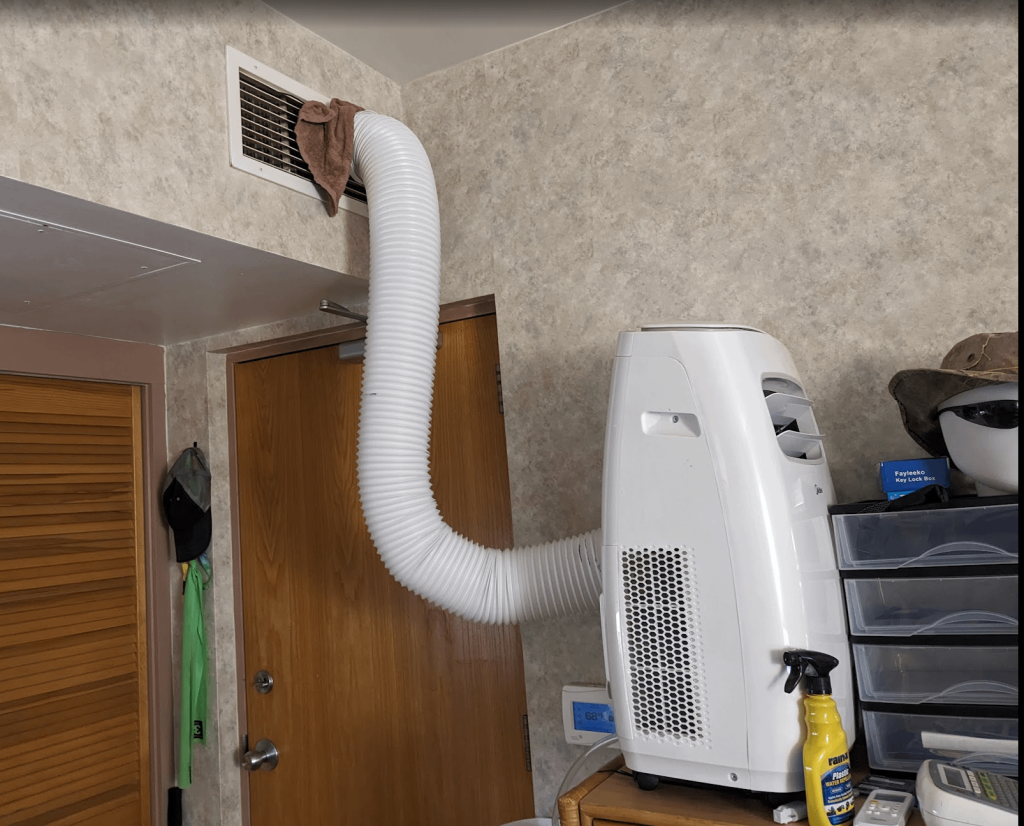
Using a drop ceiling vent lets you send hot air out through the space above the ceiling tiles. This works well in offices or basements with drop ceilings. You cut a small hole in one tile, place the vent hose through it, and seal around the hose to stop air leaks. This keeps the room cool without needing a window.
Exhausting through walls needs more work but can be very effective. You drill a hole through an exterior wall, just big enough for the vent hose. Then, you install a vent cover on the outside to keep rain and bugs out. This setup hides the hose and works well if no window is nearby.
| Alternative Venting | Pros | Cons |
|---|---|---|
| Drop Ceiling Vent | Easy to install, hides hose, good for offices | Needs drop ceiling, may leak if not sealed well |
| Exhaust Through Walls | Permanent, hides hose, works without windows | Needs drilling, more time and tools |
Frequently Asked Questions
How Do You Vent A Portable Air Conditioner Properly?
To vent a portable air conditioner, connect the exhaust hose to the unit’s vent outlet. Place the other end into a window kit or vent panel. Ensure the hose is as straight as possible for efficient airflow. Seal gaps to prevent warm air from entering.
Can I Vent A Portable Ac Without A Window?
No, portable ACs need a window or vent opening for exhaust. Without venting, hot air recirculates inside, reducing cooling efficiency. Use a sliding window vent kit or wall vent to expel heat outside properly.
What Is The Best Window For Venting Portable Ac?
Choose a window near a power outlet and close to the room you want cooled. Sliding or sash windows work best. Avoid windows that open outward or have obstructions. Ensure the vent kit fits securely to prevent air leaks.
How Long Can The Exhaust Hose Be For Venting?
Keep the exhaust hose as short as possible, ideally under 5 feet. Longer hoses reduce efficiency by restricting airflow and increasing heat buildup. Avoid sharp bends or kinks to maintain proper venting and cooling performance.
Conclusion
Venting a portable air conditioner keeps your room cool and fresh. Use the right window kit and seal gaps tightly. Avoid blocking the exhaust hose for better airflow. Regularly check the vent for any dust or damage. Proper venting helps the unit work efficiently and saves energy.
Simple steps make your cooling more effective and comfortable. Keep these tips in mind for the best results. Enjoy cool air all summer without hassle.