Wearing a bike helmet might seem simple, but doing it the right way makes all the difference for your safety. Are you sure your helmet fits correctly and protects you as it should?
If you’re unsure, this guide will clear up any doubts and show you exactly how to wear a bike helmet the right way. By the end, you’ll feel confident every time you hit the road or trail, knowing you’re fully protected.
Keep reading to learn the simple steps that could save your life.
Credit: www.swinnertoncycles.co.uk
Choosing The Right Helmet
Wearing a bike helmet protects your head during falls. Picking the right helmet is key for safety and comfort. This guide helps you choose a helmet that fits well and meets safety rules.
Look at helmet types, size, and safety marks. Each part helps you find the best helmet for riding. Read on to learn what to check before buying.
Helmet Types
There are many helmets for different rides. Knowing the types helps you pick the right one for your bike and style.
- Road helmets: Light with good airflow, ideal for speed and long rides.
- Mountain helmets: Stronger with extra coverage and a visor for rough trails.
- Commuter helmets: Comfortable with added features like lights or reflectors.
- Full-face helmets: Cover the whole head, used for downhill or BMX riding.
Size Matters
A helmet that fits right feels snug but not tight. Measure your head and check sizing charts. A wrong size can reduce protection.
| Head Circumference (inches) | Helmet Size |
| 20 1/2 – 21 1/4 | Small |
| 21 1/4 – 22 | Medium |
| 22 – 22 3/4 | Large |
| 22 3/4 – 23 1/2 | X-Large |
Safety Certifications
Safety labels show a helmet meets rules. Check for these marks to get a trusted helmet.
- CPSC: Required in the USA for bike helmets.
- EN 1078: European standard for helmets.
- ASTM F1447: Another US safety standard.
- Snell B90/B95: Voluntary tests for high safety.
Preparing For The Fit
Wearing a bike helmet correctly is important for safety. Proper fit ensures the helmet protects your head during a fall or accident.
To get the best fit, you need to measure your head and adjust the helmet pads. These steps help make sure the helmet is snug and secure.
Measuring Your Head
Measuring your head is the first step in finding the right helmet size. Use a flexible tape measure for accuracy.
- Wrap the tape measure around the largest part of your head.
- Position it about one inch above your eyebrows.
- Ensure the tape is level all the way around.
- Note the measurement in centimeters or inches.
Adjusting Helmet Pads
Adjusting the helmet pads helps the helmet fit snugly on your head. Pads can be added or removed to achieve the perfect fit.
| Pad Type | Function |
| Thick Pads | For smaller heads |
| Thin Pads | For larger heads |
| Removable Pads | Can be adjusted as needed |
Placing The Helmet Correctly
Wearing a bike helmet properly is important for safety. The helmet must fit well and sit correctly on your head.
This guide explains how to place the helmet so it protects you best during a ride.
Position On The Head
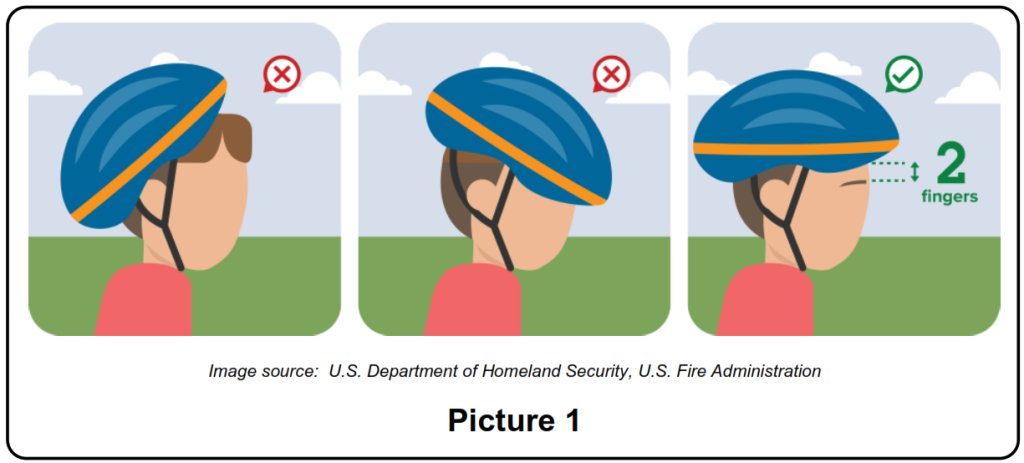
Place the helmet low on your forehead. It should cover your forehead without blocking your vision. The front edge should be about one or two finger-widths above your eyebrows.
The helmet should feel snug but not tight. If it moves side to side or back and forth, adjust the straps or padding.
Level And Centered
Keep the helmet level on your head. Avoid tilting it back or forward. A level helmet gives better protection in a crash.
- Check that the helmet sits evenly over your head.
- Center the helmet so it is balanced on your skull.
- Make sure the straps form a “V” shape under each ear.
- Buckle the chin strap firmly but comfortably.
- Test the fit by shaking your head gently to confirm stability.

Credit: www.safetyandhealthmagazine.com
Adjusting The Straps
Wearing a bike helmet safely means adjusting the straps correctly. Proper strap adjustment keeps the helmet stable and comfortable.
Focus on the side straps, chin strap, and buckle position to get the best fit. Each part plays a key role in helmet security.
Side Straps Placement
Side straps should form a “V” shape just below your ears. This keeps the helmet steady on your head without slipping.
- Place the sliders near the ear lobes.
- Adjust both straps evenly on each side.
- Check that the straps are flat and not twisted.
Chin Strap Tightness
The chin strap must be snug but not too tight. It stops the helmet from moving forward or backward during a fall.
| Tightness Level | How to Check |
| Too Loose | You can easily pull the strap away from your chin. |
| Just Right | You can fit one or two fingers between the strap and your chin. |
| Too Tight | It feels uncomfortable and pinches your skin. |
Strap Buckle Position
The buckle should sit under your chin and close securely. A well-placed buckle prevents accidental opening.
Follow these tips for buckle placement:
- Center the buckle under your chin.
- Make sure it clicks firmly when closed.
- Adjust the strap length so the buckle rests flat against your skin.
Testing The Fit
Wearing a bike helmet correctly is very important for safety. Testing the fit helps you know if the helmet protects you well.
A helmet that fits right should feel snug but not tight. You can check this by doing simple tests after putting it on.
Shake And Move
After putting your helmet on, shake your head from side to side and up and down. The helmet should stay in place and not slide off.
If the helmet moves a lot, it means the fit is too loose. Adjust the straps or try a smaller size until it fits securely.
Comfort Check
Comfort is key to wearing your helmet every time you ride. It should feel snug but not cause pain or pressure points.
Wear the helmet for a few minutes and notice if any part feels too tight or uncomfortable. Adjust padding or straps if needed.
Visibility
Make sure your helmet does not block your view. Look straight and to the sides to check your field of vision.
The helmet should sit low on your forehead but not cover your eyes. Adjust the position until you can see clearly in all directions.
Maintenance Tips
Keeping your bike helmet in good shape helps protect your head well. Regular care improves its safety and comfort. Follow simple steps to maintain your helmet’s condition over time.
Check your helmet often for damage or dirt. Clean it gently and replace parts if needed. Knowing when to get a new helmet is also important for your safety.
Cleaning Your Helmet
Clean your helmet regularly to remove sweat and dirt. Use mild soap and warm water. Avoid harsh chemicals or strong brushes that can damage the shell or padding.
- Remove the inner pads if possible and wash them separately by hand.
- Use a soft cloth or sponge to wipe the helmet’s exterior.
- Rinse with clean water and let it air dry away from direct sunlight.
- Do not use a washing machine or dryer on any helmet parts.
Replacing Worn Parts
Some parts of your helmet wear out faster than others. Replace straps, buckles, or pads if they look damaged or lose their shape. These parts keep your helmet secure and comfortable.
| Part | Signs to Replace |
| Straps | Frayed, torn, or stretched |
| Buckles | Broken or not clicking properly |
| Padding | Flattened or smelly |
When To Replace The Helmet
Helmets do not last forever. Replace yours after any crash or if it shows cracks. Also, swap it out every few years as materials weaken over time.
- Replace after any hard impact, even if no damage is visible.
- Check the manufacturer’s recommendation, usually every 3 to 5 years.
- Replace if straps or padding cannot be fixed or replaced.
Common Fit Mistakes
Wearing a bike helmet correctly is important for safety. Many people make simple fit mistakes that reduce protection.
Understanding common errors helps you wear your helmet the right way every time.
Too Loose Or Tight
A helmet that is too loose can move during a crash. It may not protect your head properly.
A helmet that is too tight causes discomfort and headaches. It can make you want to take it off.
- Helmet should feel snug but not painful
- Shake your head to check if helmet stays in place
- Adjust fit pads or size dial for comfort
Incorrect Strap Adjustment
Straps keep the helmet on your head in a crash. Loose or twisted straps reduce safety.
Straps should form a V shape under your ears. The buckle must sit under your chin snugly.
- Check straps are flat and not twisted
- Tighten straps until you can fit one finger under the chin strap
- Make sure the buckle is centered and comfortable
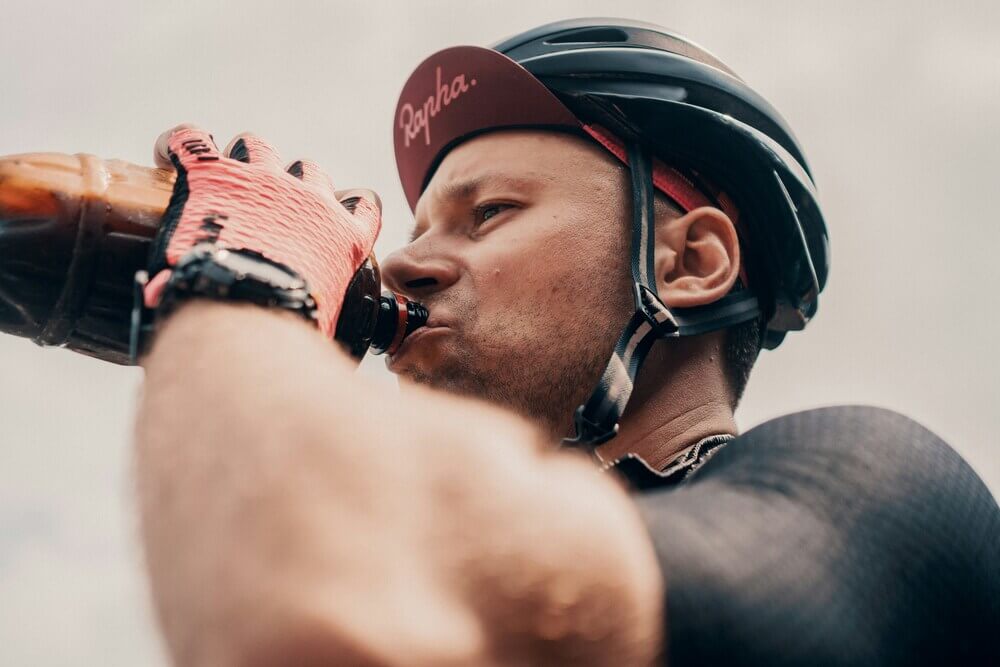
Wearing Hats Underneath
Wearing hats under your helmet can change how it fits. This may make the helmet loose or tilted.
Hats add extra space and prevent the helmet from sitting correctly on your head.
- Avoid wearing hats or bulky caps under helmets
- If you need head covering, choose thin, tight-fitting options
- Always check helmet fit after adding any headwear

Credit: biketro.com
Frequently Asked Questions
How Tight Should A Bike Helmet Fit?
A bike helmet should fit snugly without causing discomfort. It should not move side to side or front to back. Adjust the straps and padding to ensure a secure fit that protects your head effectively during a ride or fall.
Where Should The Bike Helmet Sit On My Head?
Place the helmet level on your head, covering the forehead. It should sit about one to two finger-widths above your eyebrows. This position ensures optimal protection for the front and top of your head in case of impact.
How Do I Adjust Bike Helmet Straps Properly?
Adjust the side straps to form a “V” shape just below your ears. Buckle the chin strap and tighten it so only one or two fingers fit between strap and chin. Proper strap adjustment keeps the helmet stable and secure.
When Should I Replace My Bike Helmet?
Replace your helmet after any significant impact or crash, even if no damage is visible. Also, consider replacing it every five years due to wear and material degradation. A fresh helmet ensures maximum safety and protection.
Conclusion
Wearing a bike helmet right keeps you safe and comfortable. Make sure it fits snugly and sits level on your head. Fasten the straps so they hold the helmet firmly in place. Check the fit every time before you ride.
A properly worn helmet can protect you from serious injury. Always choose a helmet that meets safety standards. Safety starts with the right gear and good habits. Ride smart, stay safe, and enjoy your bike rides worry-free.