Are you sure you’re wearing your bike helmet the right way? It’s a simple question, but getting it wrong could be a big deal.
Your safety on the road depends on it. You might think putting on a helmet is straightforward, but there are crucial steps and adjustments that many overlook. Whether you’re a seasoned cyclist or just starting out, knowing how to properly wear a bike helmet can make all the difference in protecting your head during a fall or accident.
You’ll discover the right way to wear your helmet, tips for ensuring a snug fit, and common mistakes to avoid. Stay with us, because your safety is worth it.

Credit: biketro.com
Choosing The Right Helmet
Wearing a bike helmet protects your head in case of a fall or crash. Choosing the right helmet helps keep you safe and comfortable.
There are different types of helmets, sizes, and safety standards to consider. Knowing these will guide you to the best choice.
Helmet Types
Bike helmets come in various styles for different riding needs. Each type offers unique features for protection and comfort.
- Road helmets:Lightweight and well-ventilated for speed and long rides.
- Mountain bike helmets:Offer extra coverage at the back and sides.
- Commuter helmets:Designed for everyday use with added comfort and visibility.
- Full-face helmets:Cover the entire head and face for maximum protection.
Size Matters
A helmet must fit well to protect you properly. Too loose or too tight can reduce safety and cause discomfort.
| Head Circumference (inches) | Helmet Size | Fit Tip |
|---|---|---|
| 20.5 – 21.25 | XS | Snug but not tight |
| 21.25 – 22.25 | S | Even pressure all around |
| 22.25 – 23.25 | M | Adjust straps for secure fit |
| 23.25 – 24.25 | L | Helmet should not move when you shake your head |
| 24.25 – 25.25 | XL | Comfortable and stable |
Safety Certifications
Check for safety labels to ensure the helmet meets standards. Certified helmets have passed impact and quality tests.
Common safety certifications include:
- Consumer Product Safety Commission (CPSC) – US standard
- Snell Memorial Foundation – High safety requirements
- European Committee for Standardization (CE EN 1078) – European standard
Preparing Your Helmet
Wearing a bike helmet correctly keeps you safe on the road. You need to prepare your helmet before putting it on. This helps it fit well and protect your head.
Two important steps in preparing your helmet are adjusting the inner padding and checking the straps and buckles. These steps make sure the helmet stays in place during your ride.
Adjusting The Inner Padding
Inner padding gives comfort and a snug fit. You can move or add padding to fit your head shape. Make sure the helmet feels tight but not too tight.
- Remove old or worn padding if needed.
- Place new padding where you feel gaps.
- Check that padding covers pressure points.
- Try the helmet on to test the fit.
- Adjust padding until the helmet fits firmly.
Checking Straps And Buckles
Straps and buckles keep the helmet on your head. Make sure straps are not twisted and buckles work properly. Tighten straps so the helmet does not move.
| Check | What to Do |
| Straps | Untwist and adjust length |
| Buckles | Snap closed and open to test |
| Chin Strap | Fasten snugly under chin |
| Side Straps | Form a “V” shape under ears |
Positioning The Helmet
Wearing a bike helmet correctly keeps you safe in case of a fall. The helmet must fit well and sit in the right place on your head. This guide explains how to position your helmet for the best protection.
Focus on two main parts: the level placement and covering the forehead. Both help protect your head during a crash.
Level Placement
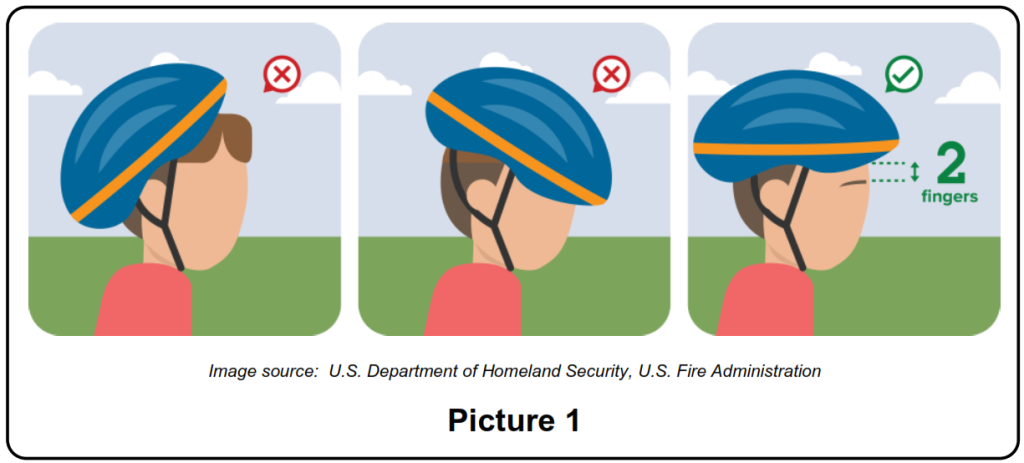
The helmet should sit level on your head. It should not tilt backward or forward. A level helmet covers the top of your head evenly.
- Place the helmet so it sits flat from front to back.
- Check that the helmet does not lean too far back.
- Make sure it does not dip too low in the front.
- Adjust straps to keep the helmet steady and level.
Covering The Forehead
The front edge of the helmet must cover your forehead. It should sit just above your eyebrows. This coverage protects your forehead in case of impact.
| Helmet Part | Position | Reason |
|---|---|---|
| Front edge | Above eyebrows | Protects forehead from injury |
| Straps | Under ears, snug | Keeps helmet secure |
| Back | Snug on head | Prevents helmet from moving |
Securing The Straps
Wearing a bike helmet correctly means securing the straps well. The straps keep the helmet in place during a ride. Properly fastened straps protect your head in case of a fall.
Focus on adjusting the side straps, buckling the chin strap, and checking the tightness. Each part plays a role in safety and comfort.
Adjusting Side Straps
The side straps form a “V” shape under each ear. Make sure the straps sit just below your earlobes. This helps keep the helmet steady on your head.
- Slide the strap adjusters up or down to position the “V” shape correctly.
- Check that both sides are even to avoid twisting.
- Make sure the straps lie flat against your skin, not twisted.
Buckling The Chin Strap
Buckling the chin strap secures the helmet from moving forward or sideways. Always use the buckle designed for your helmet model.
Here is how to properly buckle your chin strap:
- Place the helmet on your head comfortably.
- Bring the chin strap under your chin.
- Click the buckle until you hear a snap.
- Check that the buckle is fastened tightly and won’t come undone.
Strap Tightness Tips
Proper tightness keeps the helmet secure but still comfortable. Too loose straps reduce protection. Too tight straps cause discomfort.
| Check | What to Do |
|---|---|
| Chin Strap Fit | Should be snug with enough room to fit one or two fingers. |
| Helmet Movement | Helmet should not rock side to side or front to back. |
| Comfort | Straps should not pinch skin or cause pain. |
Performing Fit Checks
Wearing a bike helmet properly keeps you safe. Checking the fit ensures it protects your head well. You need to do a few simple tests after putting on your helmet.
These tests help you confirm the helmet is secure, comfortable, and adjusted right. Let’s look at how to do them.
Shake Test
After fastening the helmet, shake your head side to side and up and down. The helmet should stay in place and not move around. If it shifts, tighten the straps or adjust the fit pads inside.
Vision And Comfort
Check that your helmet does not block your view. It should sit low on your forehead but still let you see clearly. Also, make sure it feels comfortable without pressing too hard anywhere.
- Look straight ahead and side to side without restriction.
- Feel inside the helmet for any tight spots.
- Adjust padding or straps to improve comfort.
Strap Pinch Test
Use the strap pinch test to check the chin straps. Place your fingers under the strap near your chin and try to pinch the strap material. You should only be able to pinch a little bit of the strap. If you can pinch a lot, the strap is too loose and needs tightening.
| Pinch Result | Action Needed |
|---|---|
| Can pinch a lot of strap | Tighten the chin strap |
| Can pinch a little strap | Strap fits correctly |
| Cannot pinch strap | Strap too tight, loosen slightly |
Credit: www.swinnertoncycles.co.uk
Maintenance And Replacement
Wearing a bike helmet is important for safety. Keeping it clean and in good shape helps it protect you well.
Knowing when to replace your helmet and how to store it can extend its life and keep it ready for your rides.
Cleaning Tips
Clean your helmet regularly to remove sweat and dirt. Use mild soap and warm water for best results.
Avoid harsh chemicals or strong brushes. They can damage the helmet’s materials and reduce safety.
- Use a soft cloth or sponge
- Remove and wash pads separately if possible
- Let the helmet air dry away from direct sunlight
When To Replace
Replace your helmet after a crash, even if it looks fine. Impact can weaken its protection.
Helmets also wear out over time. Most manufacturers suggest replacing every 3 to 5 years.
- After any serious fall or impact
- If the helmet has cracks or dents
- If straps or buckles are damaged
- Every 3 to 5 years, even without damage
Storage Advice
Store your helmet in a cool, dry place. Avoid leaving it in hot cars or direct sunlight.
Keep it away from chemicals and sharp objects that can cause damage. Use a helmet bag if possible.
- Keep helmet off the ground to avoid pressure points
- Avoid stacking heavy items on top of it
- Use a soft bag or case for travel

Credit: www.safetyandhealthmagazine.com
Frequently Asked Questions
How Should A Bike Helmet Fit On Your Head?
A bike helmet should sit level on your head, covering your forehead. It must feel snug but not too tight. Adjust the straps so they form a V shape under your ears. Make sure the helmet doesn’t move when you shake your head.
Where Should The Helmet Straps Be Positioned?
Straps should be adjusted to form a V under each ear. Buckle the chin strap securely, allowing one or two fingers to fit underneath. Proper strap positioning keeps the helmet stable and prevents it from slipping during a ride.
How Tight Should A Bike Helmet Be Worn?
The helmet should be snug but comfortable. You should be able to fit one or two fingers between your chin and the strap. If it’s too loose, it won’t protect effectively; too tight can cause discomfort.
Why Is Helmet Placement Important For Safety?
Correct helmet placement ensures maximum protection during impact. Wearing it too high or tilted reduces its effectiveness. A properly positioned helmet absorbs shock and protects your head during accidents.
Conclusion
Wearing a bike helmet the right way keeps you safe on every ride. Make sure it fits snugly and sits level on your head. Fasten the straps so they feel secure but not tight. Check the helmet often for any damage or wear.
Remember, a proper helmet can protect you from serious injury. Stay alert, ride carefully, and always wear your helmet. Safety first, every time you get on your bike. Simple steps make a big difference in protecting yourself.