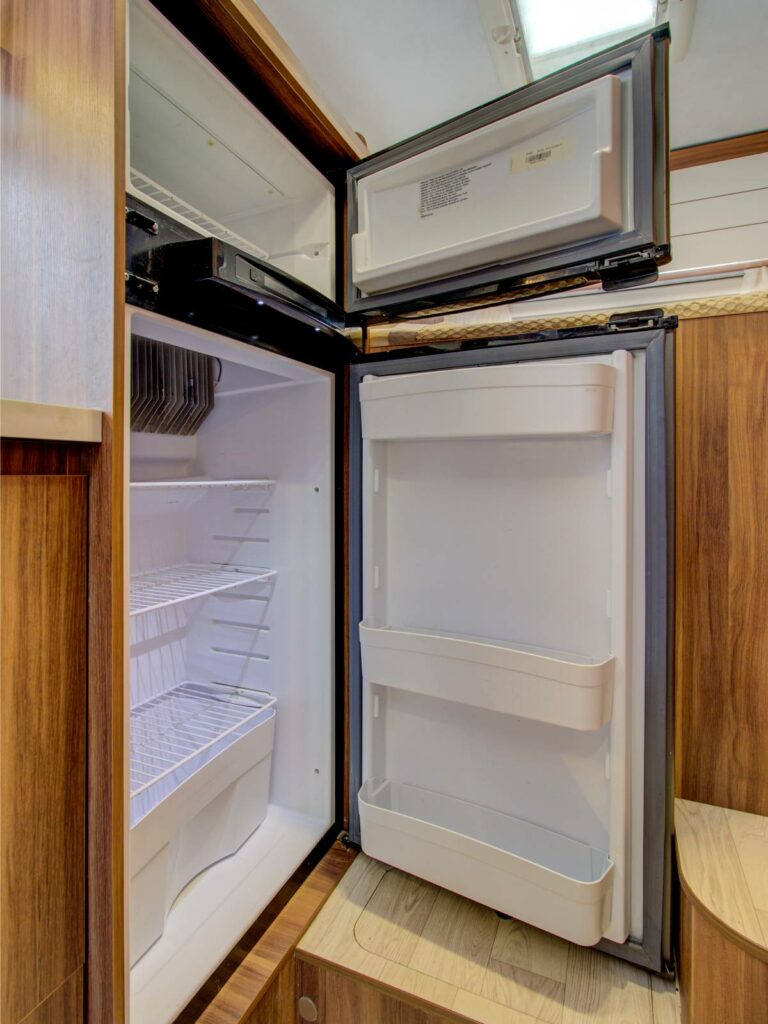
Have you ever wondered how your camper refrigerator keeps your food fresh while you’re on the road? Understanding how this small but powerful appliance works can make your camping trips much more enjoyable.
Whether you’re a seasoned traveler or new to camping, knowing the basics of your camper fridge helps you use it better and avoid common problems. You’ll discover the simple science behind your camper refrigerator and learn tips to keep it running smoothly wherever your adventure takes you.
Keep reading to unlock the secrets of staying cool on the go!
Types Of Camper Refrigerators
Camper refrigerators come in different types, each with unique features. Choosing the right type depends on your camping style and power sources available. Understanding how each works helps you make a better choice.
Compressor Models
Compressor refrigerators operate like home fridges. They use a compressor to circulate refrigerant gas. This gas absorbs heat inside the fridge and releases it outside. These models run efficiently on 12V, 24V, or AC power. They cool quickly and maintain low temperatures well. Compressor refrigerators work best in hot climates and rough roads.
Absorption Models
Absorption refrigerators use heat to cool the interior. They rely on a heat source like propane, electricity, or gas. Inside, a special solution evaporates and absorbs heat from the fridge. These fridges have no moving parts, making them very quiet. They work well off-grid but cool slower than compressors. Absorption models are ideal for long trips without electricity.
Thermoelectric Models
Thermoelectric refrigerators use electricity to create a heat difference. They have no compressor or chemicals inside. These fridges are lightweight and use less power. They cool efficiently in mild temperatures but struggle in heat. Thermoelectric models are best for short trips or as coolers. They are quiet and easy to maintain.
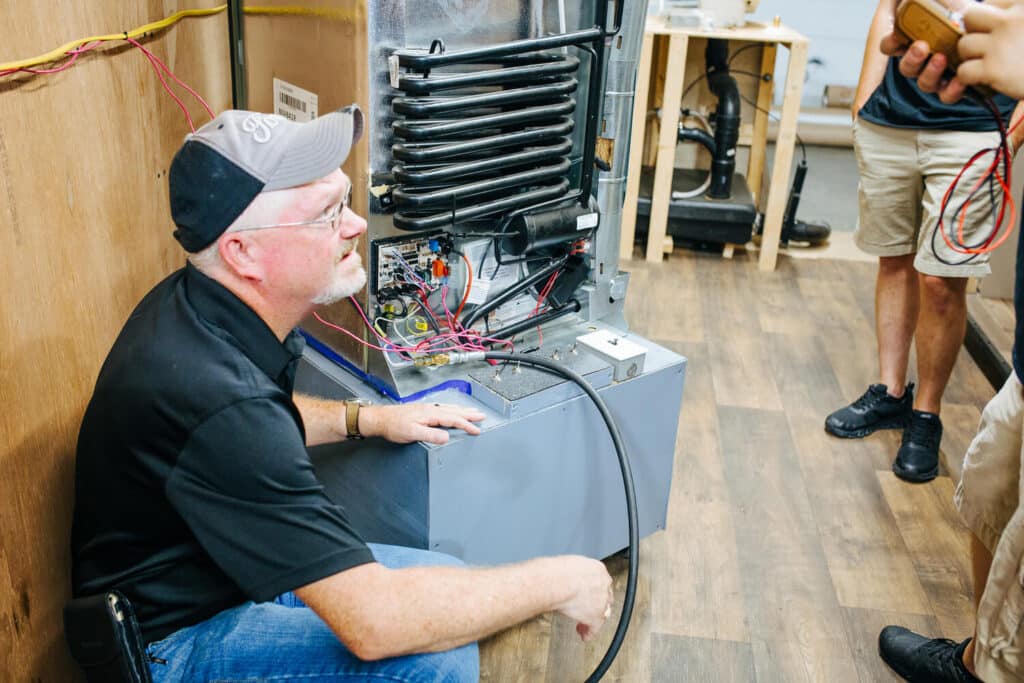
Credit: blog.campingworld.com
Key Components Inside
Understanding the key components inside a camper refrigerator helps explain how it stays cool on the road. Each part works together to keep your food fresh and drinks cold. These parts include the cooling mechanism, power sources, and thermostats with controls. Knowing their roles can help you use your camper fridge better and even troubleshoot minor problems.
Cooling Mechanism
The cooling mechanism is the heart of a camper refrigerator. Most use either a compressor or absorption system. A compressor fridge works like a home fridge, compressing a gas to create cold. An absorption fridge uses heat to move refrigerant through tubes, cooling the inside without any moving parts. Both types remove heat from the fridge’s interior and release it outside, keeping the inside cool.
Power Sources
Camper refrigerators need power to run their cooling systems. They often use multiple power sources. The most common are 12V DC from the vehicle’s battery, 110V or 220V AC from electric hookups, and sometimes propane gas. This flexibility allows the fridge to work in different settings, whether driving, camping without electricity, or parked at a campsite with power.
Thermostats And Controls
Thermostats and controls regulate the fridge’s temperature. The thermostat senses the inside temperature and signals the cooling system to turn on or off. Controls let users set the desired temperature and switch between power sources. Some modern models include digital displays and remote controls, making it easy to monitor and adjust settings for optimal cooling.
How Cooling Happens
Cooling inside a camper refrigerator happens through a clever process. It uses a cycle to remove heat and keep your food fresh. Understanding this process helps you see how the fridge stays cold even on the road.
Refrigeration Cycle Basics
The refrigeration cycle is the heart of cooling. A special fluid, called refrigerant, moves inside the system. It changes from liquid to gas and back, absorbing heat from inside the fridge.
Here is how it works:
- The refrigerant absorbs heat inside the fridge and evaporates.
- It moves outside the fridge as a gas.
- The gas releases heat and turns back into liquid.
- The cycle repeats to keep the fridge cold.
Heat Exchange Process
Heat exchange helps transfer heat out of the fridge. The hot gas flows through coils or fins on the outside. Air or water cools these coils, taking heat away from the refrigerant.
This step is essential. It makes sure heat leaves the system and does not stay inside the fridge.
Maintaining Temperature
Maintaining the right temperature is key for freshness. A thermostat inside the fridge controls the cycle. It turns the cooling on or off to keep steady cold.
Good insulation also helps. It stops warm air from entering and cold air from escaping. This balance saves energy and protects your food.
Powering Your Fridge On The Road
Traveling with a camper fridge offers convenience and comfort. Keeping your food fresh on the road requires understanding how to power your fridge efficiently. Several options are available, each with its pros and cons. Exploring these can help you make informed choices.
Battery Usage
Camper fridges often rely on batteries for power. A 12-volt battery is common in many setups. It provides a reliable energy source. Ensure your battery is fully charged before you start your journey. Monitor the battery level to avoid unexpected shutdowns. A dual battery system can offer extra security. This setup ensures the fridge runs even if one battery fails.
Solar Compatibility
Solar panels offer a sustainable power solution. They harness sunlight to generate electricity. This energy can power your camper fridge. Solar panels are environmentally friendly. They reduce reliance on traditional power sources. Check if your fridge model supports solar compatibility. Proper installation ensures optimal performance. Consider your travel destinations’ sunlight availability. This affects the efficiency of solar panels.
Alternative Power Options
Alternative power sources provide flexibility. Propane is a popular choice for camper fridges. It offers a consistent power supply. Propane is easy to find and refill. Some fridges support both electric and propane power. This dual option adds versatility to your travel plans. Inverters can convert DC power to AC. This allows you to use household appliances. Choose the right size inverter for your fridge.
Tips For Efficient Operation
Keeping your camper refrigerator running smoothly and efficiently can make a big difference on your trips. Small changes in how you operate and care for it not only save energy but also extend its lifespan. Here are some practical tips to help you get the most out of your camper fridge.
Proper Ventilation
Ventilation is key to your camper refrigerator’s performance. Without good airflow, heat builds up around the unit, forcing it to work harder. Make sure the vents are clear of dust, debris, and any objects that block air circulation.
Check the back and sides of the fridge regularly to confirm air can flow freely. If you’ve ever felt your fridge getting unusually warm, it might be due to poor ventilation. Have you noticed any hotspots or areas where air seems trapped? Fixing these can improve efficiency immediately.
Energy Saving Practices
Reducing power consumption can stretch your battery life and lower fuel use. Keep the fridge door closed as much as possible. Each time you open it, cold air escapes, making the compressor work harder to cool down again.
Set the temperature to a moderate level—usually between 37°F and 40°F (3°C to 4°C) works well. Lower temperatures don’t always mean better preservation and can waste energy. Also, try to fill your fridge; a fuller fridge holds cold better than an empty one, but avoid overpacking so air can still circulate.
Routine Maintenance
Regular upkeep prevents small issues from turning into big problems. Clean the condenser coils and fan blades every few months to remove dust and dirt. This simple step helps your fridge run cooler and use less power.
Inspect door seals for cracks or gaps. A tight seal keeps cold air in and warm air out. If you spot damage, replacing the seal can save you energy and money. Have you checked your seals recently? It might be easier than you think to improve your fridge’s efficiency.

Credit: www.youtube.com
Common Issues And Fixes
Camper refrigerators can face common problems that affect their performance. Knowing these issues helps keep your fridge working well during trips. Here are frequent problems and easy ways to fix them.
Temperature Fluctuations
Temperature changes can spoil your food. Causes include poor ventilation or dirty condenser coils. Check if the fridge door seals tightly. Clean coils with a soft brush to improve airflow. Avoid placing the fridge in direct sunlight or near heat sources.
Power Supply Problems
Power issues stop the fridge from cooling. Inspect the power cord and plug for damage. Test the power source with another device to confirm it works. Check fuses or circuit breakers and replace if needed. Use the correct power adapter for your fridge.
Noise And Vibration
Loud sounds or shaking can be annoying. Make sure the fridge stands on a flat, stable surface. Tighten any loose screws or parts. Noise may come from the compressor or fan; listen carefully. If sounds persist, consult a technician to avoid damage.
Choosing The Right Camper Refrigerator
Choosing the right camper refrigerator is key for a comfortable trip. It keeps your food fresh and drinks cold. The right fridge fits your space, power source, and travel style. Consider size, energy use, and how easy it is to move or install.
Size And Capacity
Pick a fridge size that matches your needs. Small fridges save space and weight. Larger fridges hold more food but use more energy. Think about how many people travel with you. Check the fridge’s internal space, not just the outside size. Choose one that fits your camper without crowding.
Energy Efficiency
Energy use affects your power supply and trip length. Look for fridges with low power consumption. Some models run on 12V battery power or solar panels. Absorption fridges use gas or electricity and are quiet. Compressor fridges cool faster and work in hot weather. Efficient fridges save energy and keep your battery healthy.
Portability And Installation
Consider how easy it is to move the fridge. Portable fridges are light and can fit in different spots. Built-in models need more planning and space. Think about how you will install it. Secure mounting stops movement on rough roads. Check if the fridge needs ventilation space. Proper installation keeps the fridge safe and working well.
Credit: www.harvesthosts.com
Frequently Asked Questions
How Does A Camper Refrigerator Keep Food Cold?
A camper refrigerator uses absorption or compressor technology to cool. It removes heat inside, maintaining low temperatures to preserve food safely. Power sources vary, including propane, electricity, or both, allowing flexibility during camping trips.
What Power Sources Do Camper Refrigerators Use?
Camper refrigerators commonly use propane gas, 12V DC, or 110V AC electricity. Some models operate on multiple power sources for convenience. This versatility ensures cooling whether you’re on the road, at a campsite, or off-grid.
How Efficient Are Camper Refrigerators In Camping?
Camper refrigerators are energy-efficient and designed for low power consumption. Absorption models work quietly but use more propane. Compressor models cool faster and use less electricity, ideal for longer trips or frequent use.
Can Camper Refrigerators Run On Solar Power?
Yes, camper refrigerators can run on solar power with the right setup. Solar panels charge batteries that power the fridge’s compressor system. This eco-friendly option extends camping time without relying on traditional power sources.
Conclusion
A camper refrigerator keeps food fresh while you travel. It uses electricity or gas to stay cool. The fridge works by moving heat away from inside. This helps preserve your meals and drinks. Knowing how it works helps you use it better.
It saves energy and keeps food safe. A good camper fridge makes trips more comfortable. Simple care and correct use extend its life. Now, you can enjoy your adventures with fresh food. Easy to operate and reliable on the road.