Have you ever wondered how your condenser washer dryer manages to wash and dry your clothes without needing extra venting? Understanding how this clever machine works can help you use it more effectively and save time on laundry day.
You’ll discover the simple yet smart process behind a condenser washer dryer and why it might be the perfect fit for your home. Keep reading to unlock the secrets that make your laundry routine easier and more efficient.
Condenser Washer Dryer Basics
A condenser washer dryer cleans and dries clothes in one machine. It uses a special system to remove moisture during drying. This means no need for external vents.
This type of appliance saves space and works well in homes without venting options. Let’s look at how it works by examining its parts and functions.
Core Components
A condenser washer dryer has several key parts. Each plays a role in washing and drying clothes efficiently.
- Drum:Holds clothes and spins to clean and dry them.
- Heating element:Warms air to dry clothes inside the drum.
- Condenser unit:Cools the warm air to turn moisture into water.
- Water tank or drain system:Collects or removes water from condensation.
- Control panel:Lets users choose washing and drying settings.
Key Functions
The machine washes clothes like a normal washer. After washing, it dries clothes by removing moisture from the air inside the drum.
| Function | Description |
| Washing | The drum rotates with water and detergent to clean clothes. |
| Drying | Heated air dries clothes while the condenser cools the air to collect moisture. |
| Condensation | Moist air passes through the condenser, turning steam into water. |
| Water collection | Condensed water goes to a tank or drains away safely. |

Credit: www.youtube.com
The Condensation Process
A condenser washer dryer dries clothes by turning water vapor back into liquid. It uses a closed system to remove moisture.
This process saves energy and does not need an outside vent. The machine keeps the air inside while drying clothes.
Moisture Extraction
Wet clothes release water as steam during drying. The machine pulls this moist air from the drum.
The water vapor moves to a cooler part of the machine. There, the vapor turns back into liquid water.
- Clothes spin to remove water
- Warm air picks up moisture
- Moist air moves to the condenser
- Water vapor cools and condenses
- Liquid water collects and drains out
Heat Exchange Mechanism
The condenser uses a heat exchanger to cool the moist air. Cold water or air cools the warm air from the drum.
The heat exchanger transfers heat from the moist air to the cooling system. This causes the steam to turn into water.
- Warm, moist air enters the heat exchanger
- Cool surface absorbs heat from the air
- Air temperature drops
- Water vapor changes to liquid
- Dry, cool air returns to the drum
Energy Efficiency Features
Condenser washer dryers save energy by using smart technology. They reduce electricity use while drying clothes. These machines are better for the environment and your bills.
Two key features that help save energy are heat recycling and water usage. These features work together to make the machine efficient.
Heat Recycling
Heat recycling means the machine reuses heat from the drying process. This lowers the energy needed to dry clothes. The washer dryer collects warm air and uses it again.
- Reduces electricity by using less new heat
- Keeps the machine cooler and safer
- Speeds up drying by keeping heat constant
- Helps lower energy bills over time
Water Usage
Condenser washer dryers use water efficiently. They recycle some water inside the system. This cuts down on how much water the machine needs.
| Water Use Feature | Benefit |
| Water recycling system | Less fresh water needed per cycle |
| Automatic water control | Adjusts water based on load size |
| Condensation water reuse | Reuses water from drying to wash |
Advantages Over Traditional Models
Condenser washer dryers work differently from traditional models. They use a condenser to dry clothes without needing an external vent.
This design offers many benefits that make them a good choice for small homes and flexible spaces.
Space Saving Design
Condenser washer dryers combine washing and drying in one machine. This saves space in your laundry area.
You do not need a separate dryer or vent, so these machines fit well in small rooms or apartments.
- Compact size fits in tight spaces
- No need for an external vent hole
- Can be placed in kitchens or bathrooms
Installation Flexibility
Condenser washer dryers do not need a vent to the outside. This gives you more options for where to install them.
You only need water and power connections, so you can place the machine almost anywhere.
- Works without external venting
- Easy to install in apartments or condos
- Can be set up in rooms without windows
Common Maintenance Tips
Keeping your condenser washer dryer in good shape helps it work better and last longer. Regular maintenance stops small problems from growing.
This guide covers key tips on cleaning the condenser and caring for the filter. These tasks are easy and save you money.
Cleaning The Condenser
The condenser collects moisture from your clothes. Dust and lint can block it. Cleaning the condenser keeps your machine efficient.
- Turn off and unplug the machine before cleaning.
- Open the condenser compartment, usually at the bottom front.
- Remove the condenser carefully and rinse it under running water.
- Use a soft brush to clean any stuck lint.
- Let the condenser dry completely before putting it back.
- Close the compartment securely before use.
Filter Care
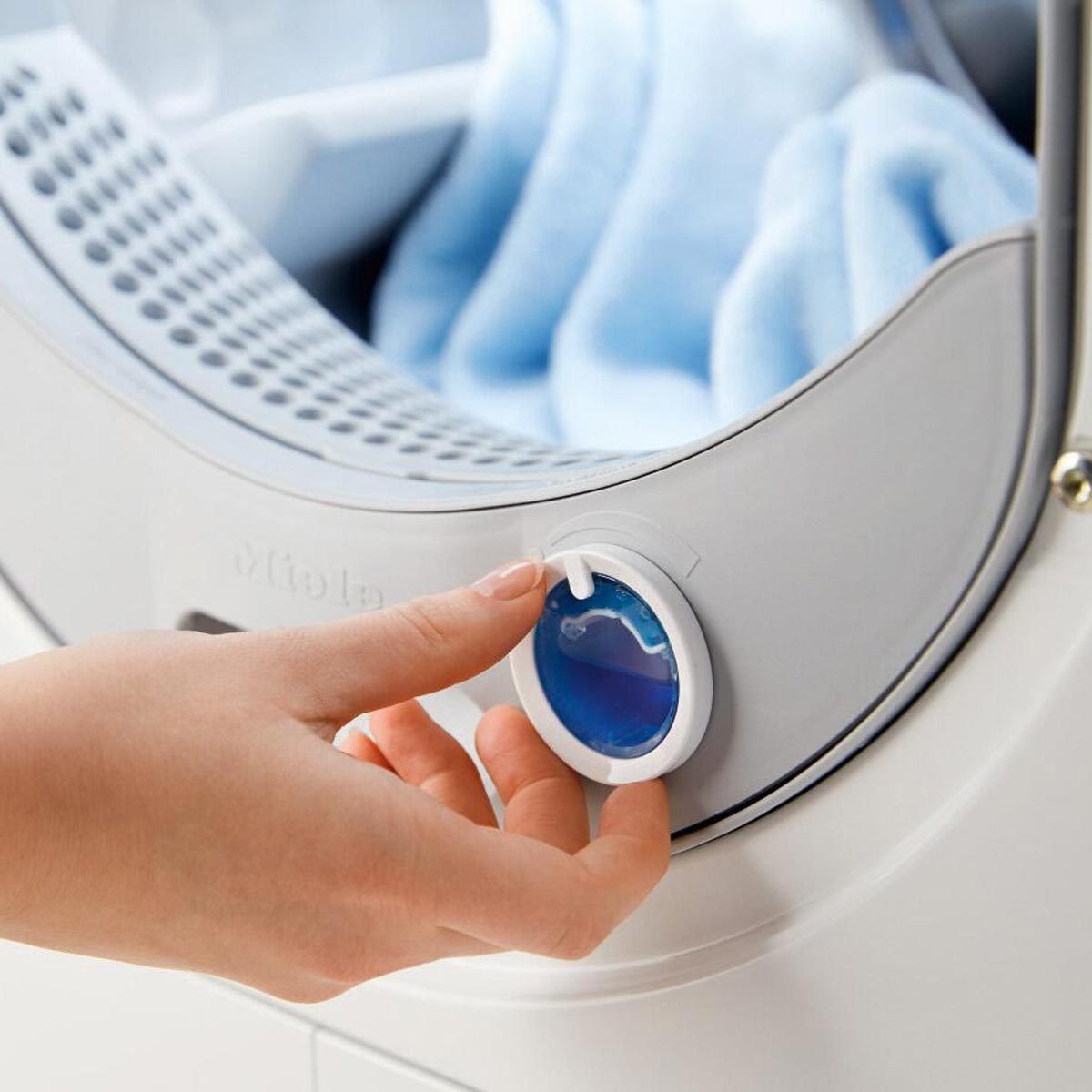
The filter catches lint and dirt from your laundry. A clogged filter can cause poor drying and damage the machine.
| Filter Care Tips | Why It Matters |
| Clean filter after every wash | Prevents blockages and keeps air flowing |
| Check for tears or damage | A damaged filter lets lint enter the machine |
| Use a soft brush to remove lint | Avoids damage to the filter mesh |
| Replace the filter if worn out | Maintains good machine performance |
Credit: www.familyhandyman.com
Choosing The Right Model
Picking a condenser washer dryer can be tricky. It’s important to find a model that suits your needs. This guide will help you understand what to look for.
Consider factors like capacity and energy ratings. These influence how well the appliance fits your lifestyle and home.
Capacity Considerations
The capacity of a washer dryer is crucial. It determines how much laundry you can do at once. Bigger isn’t always better, so think about your laundry habits.
If you have a large family, a bigger machine might be useful. Smaller households may prefer a compact model to save space.
- Large capacity: Over 10 kg for big families
- Medium capacity: Around 7-9 kg for average households
- Small capacity: Under 7 kg for singles or couples
Energy Ratings
Energy ratings show how efficient a washer dryer is. Higher ratings mean less energy use. This can save you money on your electricity bill.
Look for models with A+++ ratings. They are the most efficient. Even a B rating can be a smart choice if you find a good deal.
| Rating | Efficiency |
| A+++ | Most efficient |
| A | Very efficient |
| B | Good efficiency |
Credit: www.searshomeservices.com
Frequently Asked Questions
How Does A Condenser Washer Dryer Remove Moisture?
A condenser washer dryer uses a heat exchanger to cool hot air. Moisture in the air condenses into water, which is collected and drained. This system eliminates the need for external venting, making it ideal for apartments and enclosed spaces.
What Are The Benefits Of A Condenser Washer Dryer?
Condenser washer dryers save space by combining washing and drying in one unit. They don’t require venting outside, making installation easier. These machines are energy-efficient and gentle on fabrics, offering convenience and flexibility for small living spaces.
How Efficient Is A Condenser Washer Dryer?
Condenser washer dryers are moderately energy-efficient, using heat exchangers to recycle warm air. They consume more power than vented dryers but are more flexible. Modern models have improved efficiency, balancing drying performance with energy savings.
Can Condenser Washer Dryers Handle Large Laundry Loads?
Most condenser washer dryers have moderate capacity, suitable for small to medium loads. Large loads may take longer to dry due to limited air circulation. For heavy laundry, consider models with higher capacity or separate washer and dryer units.
Conclusion
A condenser washer dryer cleans and dries clothes in one machine. It uses heat to remove moisture from clothes. The water collects in a tank or drains away. This design saves space and energy. It works well in homes without external vents.
Understanding how it works helps you use it better. Choose one if you want convenience and efficiency. Easy to operate and maintain, it fits many lifestyles. Now you know why this machine suits modern homes.