Ever wondered how you can bake a perfect cake or roast a chicken to golden perfection using your microwave? The secret lies in the convection oven feature that many modern microwaves boast.
If you’ve ever struggled to get that crispy crust on your homemade pizza or found your cookies a bit too chewy, understanding how this feature works could be a game-changer for your cooking. Imagine the convenience of achieving oven-like results without the wait.
In this post, we’ll unravel the mystery behind how a convection oven operates within your microwave, making it a versatile tool in your kitchen. Stick around to discover how you can transform your cooking experience and elevate your culinary skills with just the push of a button.

Credit: www.kitchenaid.com
Convection Oven Basics
Understanding the basics of a convection oven helps explain how it works inside a microwave. A convection oven uses a fan and a heating element. This combination circulates hot air evenly around the food. The result is faster and more uniform cooking than traditional ovens.
Key Components
- Heating Element: Produces the heat needed for cooking.
- Fan: Moves the hot air around the oven cavity.
- Thermostat: Controls and maintains the desired temperature.
- Oven Cavity: The space where food is placed for cooking.
How Heat Circulates
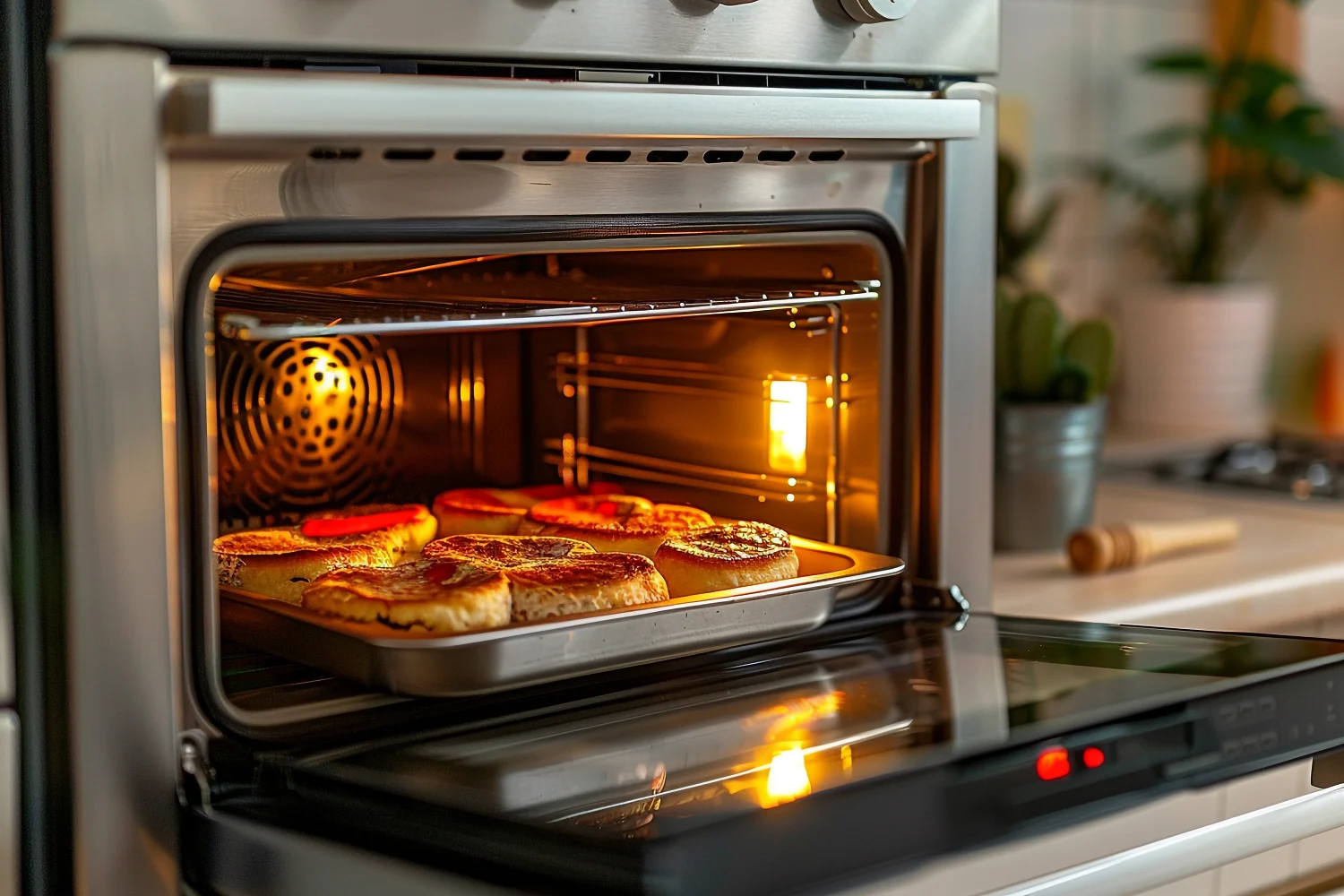
The heating element warms the air inside the oven cavity. The fan then pushes this hot air evenly around the food. This circulation helps cook food on all sides at once. It prevents hot spots and uneven cooking. The continuous airflow also speeds up the cooking process.
Microwave Oven Fundamentals
Understanding how a convection oven works inside a microwave starts with knowing the basics of microwave ovens. These appliances use a unique energy form to heat food quickly and efficiently. The microwave oven combines this energy with other heating methods to cook food evenly and with better texture.
The technology inside a microwave oven is simple yet clever. It uses waves to excite water molecules in food. This action produces heat directly inside the food, making cooking fast. The convection function adds a fan and heating element to spread heat around the food. This ensures the food cooks evenly and gains a crispy outside.
Microwave Energy Explained
Microwave ovens produce electromagnetic waves at a specific frequency. These waves target water molecules in food. The molecules start to vibrate rapidly. This vibration creates heat, warming the food from inside out. This method heats food faster than traditional ovens.
Microwaves penetrate food a few centimeters deep. The heat then moves to the center by conduction. Foods with more water heat faster. Dry or dense foods take longer to cook.
Heating Mechanism
The microwave oven uses a magnetron to generate microwaves. These waves bounce inside the oven cavity. The fan in a convection microwave circulates hot air. This air surrounds the food, cooking it more evenly.
The heating element works like a normal oven’s coil. It raises the air temperature inside the oven. The fan spreads this heat, allowing for browning and crisping. This combination lets the microwave cook food quickly and create a nice texture.
Combining Convection And Microwave
Combining convection and microwave technologies creates a versatile cooking appliance. This hybrid design uses both heat and microwaves to cook food faster and more evenly. It offers a unique way to prepare meals with better texture and flavor.
Dual Cooking Technology
Microwaves heat food by exciting water molecules inside it. This process cooks food quickly but may leave it soggy or uneven. Convection cooking uses a fan and heating element to circulate hot air. This method browns and crisps the food’s surface.
By combining these two, a convection microwave oven cooks food inside and out. The microwave energy heats food quickly while the convection fan creates a crispy, golden finish. This dual action improves cooking speed and quality.
Benefits Of Combination
- Faster cooking than traditional ovens
- Even cooking with fewer cold spots
- Crispier textures on baked or roasted foods
- Energy-efficient compared to using two appliances
- More cooking options in one device
This combination suits busy kitchens and small spaces. It saves time without sacrificing food quality. Many users enjoy the convenience and improved meal results.
How Convection Works Inside A Microwave
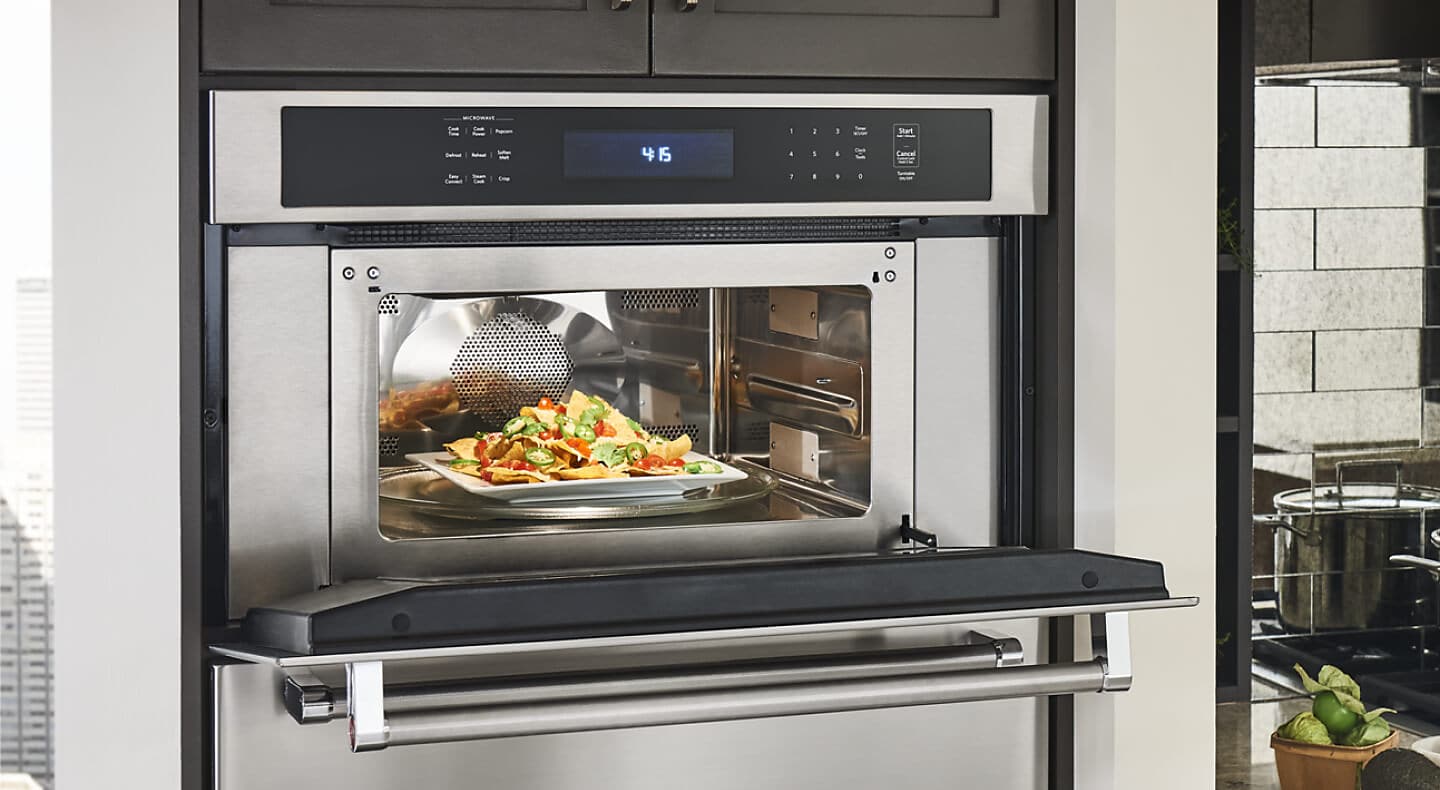
Understanding how convection works inside a microwave helps explain its cooking power. A convection microwave combines traditional microwave heating with hot air circulation. This mix cooks food faster and more evenly than a regular microwave.
The key is the movement of hot air inside the microwave cavity. The convection process uses a fan and heating element to create this airflow. This design spreads heat all around the food, crisping the outside while keeping the inside moist.
Fan And Heating Element Role
The fan pushes hot air evenly throughout the microwave. This air flows around the food, removing cold spots. The heating element generates the heat needed for this hot air. It works like a small oven inside the microwave. Together, the fan and heating element create a powerful heat circulation system.
Temperature Control
The microwave uses sensors to control the temperature. This control keeps the air at a steady heat level. It stops the oven from getting too hot or too cold. Precise temperature control ensures food cooks evenly. It also prevents overcooking or burning during convection cooking.
Cooking Techniques With Convection Microwave
Cooking with a convection microwave combines microwave energy and hot air circulation. This dual method helps food cook faster and more evenly. It works well for a wide range of dishes. Using the right techniques improves results and saves time.
The convection feature circulates hot air around the food. This creates a crispy, browned exterior. The microwave energy heats food quickly from the inside. Together, they offer versatile cooking options for baking, roasting, and reheating.
Baking Tips
- Preheat the convection microwave before placing your dish inside.
- Use oven-safe bakeware that allows hot air circulation.
- Set the temperature lower than a regular oven to avoid burning.
- Check food earlier than usual; cooking times may be shorter.
- Place food on the middle rack for even heat exposure.
Roasting Tips
- Coat meat or vegetables lightly with oil for crispiness.
- Use a roasting pan to catch drippings and prevent mess.
- Turn food halfway through cooking for even browning.
- Avoid overcrowding; let hot air move freely around food.
- Use a meat thermometer to ensure proper cooking temperatures.
Reheating Tips
- Cover food with a microwave-safe lid or wrap to retain moisture.
- Use lower power settings to warm food gently and evenly.
- Stir or rotate food midway to prevent cold spots.
- Avoid reheating crispy foods to keep their texture intact.
- Allow standing time after reheating for heat to distribute.
Advantages Over Traditional Ovens
Choosing a convection oven within your microwave offers several clear benefits over traditional ovens. These advantages impact how quickly you cook, how much energy you use, and how your kitchen space feels. Understanding these points can help you decide if a convection microwave fits your lifestyle.
Speed And Efficiency
Convection ovens in microwaves cook food faster by circulating hot air evenly around your dish. This means your meals bake more uniformly without the need to rotate or flip them constantly. Have you noticed how long your regular oven takes to heat up? A convection microwave cuts down that wait time dramatically.
Because the heat is consistent, you also avoid overcooking edges while waiting for the center to cook through. This efficiency not only saves time but keeps your food texture and flavor just right. You’ll find yourself reaching for your convection microwave more often for quick dinners.
Energy Savings
Using a convection oven inside a microwave usually consumes less electricity than a full-sized traditional oven. Since it heats up faster and requires less cooking time, your energy bills can shrink noticeably. If you’re conscious about reducing your household energy use, this is a smart switch.
Smaller space to heat means less wasted energy. It’s not just about cost savings either—using less power benefits the environment. Have you ever considered how much energy your old oven uses for a single meal?
Space Utilization
Combining convection baking with microwave functions in one appliance saves valuable kitchen space. Instead of having two bulky devices, you get both capabilities in one compact unit. This is especially helpful in apartments or smaller kitchens where every inch counts.
With less clutter, you can organize your cooking area more efficiently. Imagine clearing your countertop and still having the power to bake, roast, and microwave with ease. How could your kitchen workflow improve with fewer appliances?
Maintenance And Care
Proper maintenance and care keep your convection microwave oven working well. Regular cleaning and quick fixes prevent bigger problems. This helps your oven last longer and cook better every time.
Cleaning Tips
- Wipe the inside after each use with a soft, damp cloth.
- Use mild soap and water for tough spots, avoid harsh chemicals.
- Clean the convection fan and heating element gently to avoid damage.
- Remove and wash the racks and trays separately.
- Keep the door seals clean to ensure proper closing and heating.
- Dry all parts fully before reassembling.
Troubleshooting Common Issues
- If the oven does not heat properly, check if the convection mode is selected.
- Unusual noises may mean the fan is blocked or dirty.
- Uneven cooking can result from incorrect rack placement or overcrowding.
- If the microwave stops suddenly, unplug it and check the power source.
- Reset the oven by turning it off and on again after a few minutes.
- Consult the user manual for error codes or persistent problems.
Credit: www.searshomeservices.com
Credit: www.kitchenaid.com
Frequently Asked Questions
What Is A Convection Oven In A Microwave?
A convection oven in a microwave combines microwave energy with a fan and heating element. It cooks food evenly by circulating hot air. This method browns and crisps food like a traditional oven but faster than standard microwaving.
How Does Convection Cooking Improve Microwave Performance?
Convection cooking adds hot air circulation to microwave heating. This creates a crispy outer layer and evenly cooks food. It prevents soggy textures common in regular microwaves. It’s ideal for baking, roasting, and grilling.
Can I Bake Using A Convection Microwave Oven?
Yes, you can bake in a convection microwave oven. The hot air circulation mimics a traditional oven’s baking process. It produces golden, crispy crusts and evenly cooked interiors. This makes it perfect for cakes, cookies, and bread.
Is Convection Microwave Faster Than Traditional Ovens?
Yes, convection microwaves cook faster than traditional ovens. They combine microwave speed with convection heat circulation. This reduces cooking time while maintaining texture and flavor. It’s energy-efficient and great for busy kitchens.
Conclusion
A convection oven in a microwave cooks food by blowing hot air. This helps food cook evenly and faster than a regular microwave. You get crispier and browner results, like baking or roasting. It combines microwave energy with a fan for better heat distribution.
This makes it a handy kitchen tool for many recipes. Using it is simple and saves time. Now you know how this appliance works and why it’s useful. Try it out to enjoy tastier meals at home.